Unlocking the Incredible Benefits of High Intensity Interval Training
benefits of high intensity interval training

Unlocking the Incredible Benefits of High Intensity Interval Training

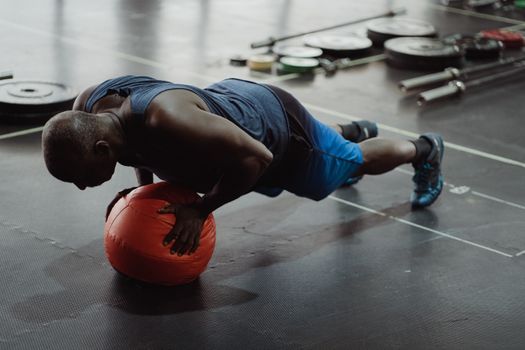
Adult man in gym doing push-up on a medicine ball, demonstrating strength and balance.Photo: Ketut Subiyanto / Pexels

Unlocking the Incredible Benefits of High Intensity Interval Training

Revolutionize your fitness journey with short, powerful bursts of exercise for maximum health and performance gains.

Start Your HIIT Journey

Key Takeaways

  • ✓ HIIT can burn more calories in less time than traditional cardio.
  • ✓ It significantly improves cardiovascular health and endurance.
  • ✓ HIIT boosts metabolism for hours post-workout (EPOC effect).
  • ✓ It can help preserve muscle mass while burning fat.
  • ✓ Workouts are highly adaptable to various fitness levels and equipment.

How It Works

1
Choose Your Exercise

Select a cardiovascular exercise like sprinting, cycling, jumping jacks, or burpees. The key is to pick something that allows for maximum effort.

2
Warm Up Thoroughly

Dedicate 5-10 minutes to light cardio and dynamic stretches to prepare your body for intense exertion and prevent injury. This is crucial for performance and safety.

3
Perform High-Intensity Interval

Push yourself to near-maximal effort (80-95% of your maximum heart rate) for a short period, typically 20-60 seconds. This phase should feel very challenging.

4
Follow with Recovery Interval

Immediately after the high-intensity burst, engage in a period of low-intensity activity or complete rest, usually 10-120 seconds. This allows for partial recovery before the next intense interval.

Unleashing the Power of Metabolic Boost with HIIT

Caucasian woman smiling with a towel after a workout indoors, conveying fitness and positivity.Photo: Kampus Production / Pexels
One of the most compelling benefits of high intensity interval training (HIIT) lies in its profound impact on your metabolism. Unlike steady-state cardio, which primarily burns calories during the activity itself, HIIT creates an 'afterburn effect' known as Excess Post-exercise Oxygen Consumption (EPOC). This means your body continues to burn calories at an elevated rate for hours, sometimes even up to 24-48 hours, after your workout is complete. Imagine finishing your exercise session, showering, and going about your day, all while your body is still efficiently torching calories and fat. This extended metabolic boost is a game-changer for anyone looking to optimize their fat loss efforts. The science behind EPOC is fascinating. During intense exercise, your body incurs an 'oxygen debt' because it can't supply enough oxygen to meet the muscles' demands. After the workout, your body works overtime to restore itself to its pre-exercise state. This recovery process involves replenishing ATP (adenosine triphosphate) and creatine phosphate stores, clearing lactate buildup, re-oxygenating blood and muscle tissues, and increasing body temperature. All these processes require energy, and that energy comes from burning calories. HIIT, by its very nature of pushing your body to its limits, incurs a much greater oxygen debt than moderate exercise, leading to a significantly higher and prolonged EPOC effect. This makes HIIT an incredibly time-efficient strategy for weight management and body composition improvement. Furthermore, HIIT has been shown to improve insulin sensitivity, which is crucial for metabolic health. When your cells are more sensitive to insulin, they can more effectively absorb glucose from your bloodstream, reducing blood sugar levels and decreasing the risk of insulin resistance and type 2 diabetes. This improved glucose utilization means your body is better at using carbohydrates for energy rather than storing them as fat. The intense muscular contractions during HIIT workouts stimulate the release of certain hormones, like catecholamines (adrenaline and noradrenaline), which play a key role in fat mobilization and utilization. These hormones signal fat cells to release stored fatty acids into the bloodstream, making them available for energy. This dual action – increased calorie burn post-workout and improved metabolic efficiency – solidifies HIIT's reputation as a top-tier training method for achieving and maintaining a healthy metabolism. For more insights on how different fitness approaches impact metabolism, explore our comprehensive guides.

Elevating Cardiovascular Health and Endurance with HIIT
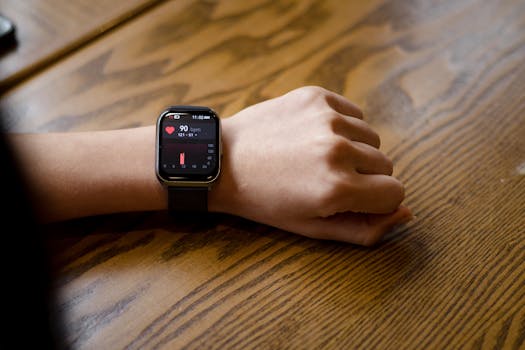
Close-up of a smartwatch displaying a heart rate of 90 bpm on a person's wrist.Photo: ahmed akeri / Pexels
Beyond its metabolic advantages, another paramount benefit of high intensity interval training is its remarkable capacity to enhance cardiovascular health and endurance. Traditional long-duration, steady-state cardio has long been touted for heart health, but HIIT offers a more potent and time-efficient alternative for improving your heart and lung function. By repeatedly pushing your heart rate into its upper zones during the high-intensity intervals and then allowing it to recover during the low-intensity periods, you effectively train your cardiovascular system to become more efficient. This cyclical stress and recovery strengthen your heart muscle, making it more effective at pumping blood with each beat and improving the elasticity of your blood vessels. Research consistently demonstrates that HIIT can lead to significant improvements in VO2 max, which is the maximum amount of oxygen your body can use during intense exercise. A higher VO2 max is a strong indicator of superior cardiovascular fitness and endurance. Even short bursts of intense activity, followed by brief recovery, can stimulate adaptations that improve your body's ability to transport and utilize oxygen. This translates directly to better stamina in everyday activities, whether it's climbing stairs, playing with children, or participating in recreational sports. You'll find yourself less winded and able to sustain effort for longer periods. Moreover, HIIT has been shown to lower resting heart rate and blood pressure, two critical markers for cardiovascular health. A lower resting heart rate indicates a more efficient heart, as it doesn't need to work as hard to circulate blood throughout your body. Similarly, maintaining healthy blood pressure reduces the strain on your arteries and decreases the risk of heart disease and stroke. The dynamic nature of HIIT, with its rapid shifts between exertion and recovery, challenges your cardiovascular system in a way that promotes these beneficial adaptations. It's like a rigorous training session for your heart and lungs, making them stronger and more resilient. The ability to achieve these significant cardiovascular improvements in a fraction of the time compared to traditional cardio makes HIIT an incredibly attractive option for busy individuals seeking optimal heart health.

Time Efficiency and Adaptability: Maximizing Your Workout Schedule

In today's fast-paced world, time is a precious commodity, and this is where the benefits of high intensity interval training truly shine. One of the most frequently cited advantages of HIIT is its unparalleled time efficiency. You don't need hours at the gym to achieve significant fitness results. A typical HIIT session can range from a mere 10 minutes to 30 minutes, including warm-up and cool-down. This concise duration makes it incredibly accessible for individuals with demanding schedules, allowing them to integrate effective workouts into even the busiest of days. Imagine getting a workout that rivals or even surpasses the benefits of a 60-minute steady-state cardio session, all within your lunch break. This efficiency removes a major barrier that often prevents people from exercising regularly. The adaptability of HIIT is another key factor contributing to its widespread appeal. You don't need specialized equipment or a gym membership to perform effective HIIT workouts. Bodyweight exercises like burpees, jumping jacks, mountain climbers, and high knees can be structured into powerful HIIT routines that can be done anywhere – in your living room, a park, or a hotel room. If you do have access to equipment, options expand to include cycling, rowing, treadmill sprints, battle ropes, or even kettlebells. This versatility means that HIIT can be tailored to almost any fitness level, from beginners to elite athletes. Beginners might start with longer recovery periods and shorter intense bursts, gradually progressing as their fitness improves. Advanced trainees can shorten recovery times, increase intensity, or incorporate more complex movements. Furthermore, HIIT can be easily integrated into various training programs. It can serve as a standalone workout, be incorporated into strength training routines as a finisher, or even used to improve performance in specific sports. For instance, athletes in sports requiring bursts of speed and power, like soccer or basketball, can significantly benefit from HIIT's ability to improve anaerobic capacity and repeat sprint ability. The ability to modify exercises, durations, and rest periods ensures that HIIT remains challenging and effective as your fitness evolves. This high degree of customization ensures that you can continually push your limits and avoid plateaus, making your fitness journey engaging and productive. Discover how integrating HIIT can complement other fitness techniques for a holistic approach.

Common HIIT Mistakes to Avoid for Optimal Results

While the benefits of high intensity interval training are numerous, making common mistakes can hinder your progress and even lead to injury. Understanding and avoiding these pitfalls is crucial for maximizing your HIIT experience. Here are some prevalent mistakes and how to correct them: * **Skipping the Warm-up and Cool-down:** This is perhaps the most critical mistake. Jumping straight into high-intensity movements without preparing your muscles and cardiovascular system significantly increases the risk of injury. A proper warm-up (5-10 minutes of light cardio and dynamic stretches) prepares your body for the stress to come, while a cool-down (5-10 minutes of static stretching) aids recovery and flexibility. * **Insufficient Intensity During Intervals:** The 'high intensity' part of HIIT is non-negotiable. If you're not pushing yourself to near-maximal effort (80-95% of your max heart rate) during the work intervals, you're not reaping the full metabolic and cardiovascular benefits. It should feel uncomfortable, and you should be struggling to speak. Don't confuse moderate effort with high intensity. * **Too Little or Too Much Recovery:** The recovery period is just as important as the work period. Too little recovery means you won't be able to hit maximum intensity in subsequent intervals, diminishing the effectiveness. Too much recovery, on the other hand, reduces the metabolic stress and EPOC effect. Experiment to find the optimal work-to-rest ratio that allows you to maintain high intensity. * **Poor Form Over Speed:** Sacrificing proper form for speed or intensity is a recipe for injury. Always prioritize correct technique, especially with dynamic movements. If your form starts to break down, reduce the intensity or take a brief extra recovery until you can perform the movement safely and effectively. It's better to do fewer reps with good form than many with bad form. * **Doing HIIT Every Day:** While effective, HIIT is very demanding on your body. Performing it daily can lead to overtraining, burnout, increased injury risk, and diminished results. Aim for 2-3 HIIT sessions per week, allowing adequate rest and recovery days in between, or complementing with lower-intensity activities. * **Neglecting Nutrition and Hydration:** Your body needs proper fuel to perform intense workouts and recover effectively. Ensure you're consuming a balanced diet rich in protein, complex carbohydrates, and healthy fats, and staying well-hydrated throughout the day, not just during your workout. * **Lack of Variety:** Sticking to the same HIIT routine repeatedly can lead to plateaus and boredom. Incorporate different exercises, work-to-rest ratios, and types of HIIT (e.g., Tabata, circuits) to keep your body challenged and your mind engaged.

Comparison

FeatureHIIT (High-Intensity Interval Training)LISS (Low-Intensity Steady State)Strength Training
Time EfficiencyExcellent (10-30 min)Moderate (30-60+ min)Moderate (30-60+ min)
Calorie Burn (Post-Workout)High (Significant EPOC)Low (Minimal EPOC)Moderate (Muscle building boosts metabolism)
Cardiovascular ImprovementExcellent (VO2 max, heart health)Good (Endurance)Moderate (Depends on circuit style)
Muscle Preservation/GrowthGood (Can help preserve muscle)Poor (Can lead to muscle loss)Excellent (Primary driver of growth)
Fat Loss EfficacyExcellentModerateGood
Impact on JointsModerate-High (Can be modified)LowModerate (Depends on exercises)
Equipment NeededMinimal to NoneMinimal (e.g., running shoes)Requires weights/machines
AdaptabilityHigh (Beginner to Advanced)HighHigh

What Our Readers Say

5 ★★★★★

"I used to dread cardio, but HIIT changed everything. I've lost 15 pounds in 3 months, and my energy levels are through the roof. The benefits of high intensity interval training are real and noticeable."

5 ★★★★★

"As a busy professional, finding time to work out was always a challenge. HIIT allows me to get an intense, effective workout in just 20 minutes. My cardiovascular endurance has significantly improved."

5 ★★★★★

"I've been incorporating HIIT into my routine for six months, and my body composition has transformed. I've gained lean muscle and shed stubborn fat. It's truly a game-changer for fitness enthusiasts."

4 ★★★★☆

"HIIT is incredibly effective, but it's not for the faint of heart! It pushes you to your limits, which is great for results, but beginners should definitely start slowly. The energy boost is undeniable."

5 ★★★★★

"After having my second child, I struggled to get back in shape. HIIT workouts, even just 15 minutes a few times a week, made a huge difference. I feel stronger and have more stamina for everyday life."

Frequently Asked Questions

How often should I do HIIT workouts to see results?
For most individuals, 2-3 HIIT sessions per week on non-consecutive days are sufficient to see significant results. This allows your body adequate time to recover and adapt to the intense demands of the workout, preventing overtraining and reducing injury risk. Consistency is key, so find a schedule you can maintain.
Is HIIT suitable for beginners or those new to exercise?
Yes, HIIT can be adapted for beginners, but it's crucial to start slowly. Begin with longer recovery periods, shorter intense bursts, and modify exercises to suit your current fitness level. Consult a healthcare professional before starting any new exercise regimen, especially if you have underlying health conditions. Focus on mastering form before increasing intensity.
What are some good exercises for a HIIT workout at home?
Excellent bodyweight exercises for home HIIT include burpees, jumping jacks, high knees, mountain climbers, squat jumps, push-ups, and planks. You can combine these into circuits, performing each for 30-45 seconds at high intensity, followed by a 15-30 second rest, and repeating for several rounds.
Does HIIT burn more fat than traditional steady-state cardio?
While steady-state cardio burns calories during the workout, HIIT often leads to greater overall fat loss due to the significant 'afterburn effect' (EPOC). This means your body continues to burn calories at an elevated rate for hours after a HIIT session, contributing to more efficient fat metabolism over time.
How does HIIT compare to strength training for overall fitness?
HIIT and strength training both offer unique benefits and are complementary. HIIT excels at improving cardiovascular fitness, endurance, and fat loss, while strength training is superior for building muscle mass, increasing bone density, and improving muscular strength. For optimal overall fitness, a combination of both is highly recommended.
Who should avoid high intensity interval training?
Individuals with certain pre-existing health conditions, such as uncontrolled heart disease, severe joint issues, or those recovering from major surgery, should generally avoid HIIT or consult with a doctor before attempting it. Pregnant women, or those with very low fitness levels, should also seek medical advice and potentially opt for modified, lower-impact routines.
What is the 'afterburn effect' in HIIT, and why is it important?
The 'afterburn effect,' scientifically known as Excess Post-exercise Oxygen Consumption (EPOC), refers to the increased rate of oxygen intake following strenuous activity. After a HIIT workout, your body expends extra energy to restore itself to its pre-exercise state, burning additional calories for hours. This extended calorie burn is crucial for effective fat loss and metabolic improvement.
Can HIIT improve athletic performance in sports?
Absolutely. HIIT significantly enhances both aerobic and anaerobic capacity, which are vital for many sports. It improves endurance, speed, power, and the ability to recover quickly from intense bursts of activity, making athletes more resilient and effective in their respective disciplines. Many professional athletes incorporate HIIT into their training regimens.

Embrace the transformative benefits of high intensity interval training and revolutionize your fitness journey. With its incredible efficiency and profound impact on metabolism, cardiovascular health, and endurance, HIIT is a powerful tool to achieve your fitness goals faster. Start incorporating HIIT into your routine today and experience the difference for yourself.

Topics: benefits of high intensity interval trainingHIIT workout advantagesinterval training benefitsfat burning HIITcardio HIIT
Leo List
Brampton weed
Adultwork EstrelaBet Vai de Bet R7 Bet Betão Galera Bet Rainbet Bet9ja Shop SportyBet BetKing Sisal Loto Foot Hollywoodbets YesPlay Odibets RushBet Jugabet BetWarrior BetCity MSport betPawa Fortebet