✓ Incorporating stretching into your routine can enhance athletic performance and prevent injuries.
✓ Stretching promotes better blood circulation and can reduce stress levels.
How It Works
1
Assess Your Current Flexibility
Before starting, understand your body's current limitations. Gentle movements can reveal areas needing more attention and help set realistic goals.
2
Choose the Right Stretches
Focus on major muscle groups and areas of tightness. Dynamic stretches are great for warm-ups, while static stretches are best for cool-downs.
3
Establish a Consistent Schedule
Consistency is key for long-term benefits. Aim for at least 10-15 minutes daily, perhaps in the morning or before bed, to build a habit.
4
Listen to Your Body and Progress Gradually
Never force a stretch to the point of pain. Over time, your flexibility will improve, allowing you to deepen stretches safely and effectively.
Enhanced Flexibility and Range of Motion
Photo: Ketut Subiyanto / Pexels
One of the most immediate and profound benefits of daily stretching routine is the significant improvement in flexibility and range of motion. Our bodies are designed to move, but modern lifestyles, characterized by prolonged sitting and repetitive movements, often lead to muscle shortening and stiffness. When muscles become tight, they restrict the natural movement of joints, making everyday tasks like reaching for a high shelf or bending down to tie your shoes feel more challenging. Regular stretching works to lengthen these tightened muscles, restoring their elasticity and allowing joints to move through their full, intended range. This isn't just about being able to touch your toes; it's about unlocking a greater capacity for movement in all aspects of your life. Imagine the freedom of movement that comes with supple muscles and joints that glide effortlessly. For athletes, increased flexibility can translate directly into enhanced performance, allowing for more powerful and efficient movements. For the average individual, it means greater ease in daily activities, reducing the risk of strains and sprains that can occur when muscles are forced beyond their limited range. Moreover, improved flexibility can positively impact your posture, as tight muscles in the back, chest, and hips often pull the body out of alignment. By addressing these muscular imbalances through targeted stretching, you can encourage your body to adopt a more natural and upright posture, alleviating common aches and pains associated with poor alignment. It's a foundational element of physical well-being, paving the way for a more active and comfortable life. The consistent effort of a daily stretching routine compounds over time, leading to lasting changes in your physical capabilities and overall comfort. Think of it as an investment in your body's long-term health and functional longevity. Discover more ways to boost your fitness journey and integrate these benefits seamlessly into your lifestyle. This dedication to flexibility not only makes you feel better but also enables you to engage in a wider array of physical activities with greater confidence and less discomfort.
Alleviating Muscle Stiffness and Chronic Pain
Photo: Joni Tuohimaa / Pexels
Beyond just improving flexibility, a consistent daily stretching routine plays a crucial role in alleviating muscle stiffness and chronic pain, a widespread issue affecting millions of Americans. Many individuals experience persistent discomfort in their neck, shoulders, back, and hips, often attributed to factors like poor posture, stress, or repetitive strain. These pains are frequently rooted in tight, overused, or underused muscles that have lost their natural suppleness. When muscles are chronically contracted, they can restrict blood flow, accumulate metabolic waste products, and even impinge on nerves, leading to ongoing discomfort. Stretching acts as a gentle yet powerful intervention, helping to release this muscular tension. By lengthening the muscle fibers, stretching promotes better circulation, delivering oxygen and nutrients to the tissues while facilitating the removal of waste products. This process can significantly reduce inflammation and the sensation of stiffness. Consider the common complaint of lower back pain; often, this is exacerbated by tight hamstrings and hip flexors pulling on the pelvis, creating an unnatural curvature in the spine. Regular stretching of these muscle groups can help restore pelvic alignment, thereby easing the strain on the lower back. Similarly, desk workers often suffer from neck and shoulder stiffness due to prolonged periods in a fixed position. Targeted stretches for the upper trapezius, levator scapulae, and pectorals can release this tension, preventing headaches and improving overall comfort. It's not a quick fix but a sustainable strategy for managing and preventing chronic pain. By regularly addressing areas of tightness, you empower your body to maintain a more balanced and relaxed state, reducing the likelihood of pain flare-ups. This proactive approach to pain management allows individuals to reduce reliance on pain medication and engage more fully in daily activities without the constant shadow of discomfort. The cumulative effect of daily stretching is a body that feels more open, less restricted, and significantly less burdened by persistent aches. It’s about creating a physiological environment where pain signals are diminished, and comfort becomes the norm, allowing for a higher quality of life and greater participation in physical activities.
Enhanced Athletic Performance and Injury Prevention
Photo: Nay Nyo / Pexels
For anyone engaged in physical activity, from professional athletes to weekend warriors, the benefits of daily stretching routine extend significantly into enhanced athletic performance and crucial injury prevention. A well-stretched muscle is a more efficient muscle. When muscles are flexible, they can generate more power and move through a greater range of motion during activities like running, jumping, or lifting. This means a runner might achieve a longer stride, a basketball player a higher jump, or a weightlifter a deeper squat, all contributing to improved performance. Moreover, stretching prepares the muscles for the demands of exercise by increasing blood flow and tissue elasticity, essentially 'warming them up' for action. This preparation is vital for maximizing output and minimizing the risk of pulls and tears. Perhaps even more critical than performance enhancement is the role stretching plays in injury prevention. Tight muscles are more prone to injury because they are less resilient and have a reduced capacity to absorb sudden impact or accommodate rapid changes in direction. When a muscle is stretched beyond its limited range during a sudden movement, it can easily tear. Regular stretching, particularly dynamic stretching before exercise and static stretching afterward, helps to increase the length and pliability of muscle fibers, making them more resilient and less susceptible to injury. This is especially true for common athletic injuries like hamstring strains, groin pulls, and rotator cuff issues. By improving muscle balance and joint stability, stretching helps ensure that forces are distributed evenly across joints and muscles, reducing undue stress on specific areas. Furthermore, stretching can help correct muscular imbalances that often lead to compensatory movements and eventual injury. For instance, tight hip flexors can lead to an overactive lower back, increasing the risk of lumbar strain. By addressing the hip flexor tightness, the strain on the lower back is alleviated. Incorporating a comprehensive stretching regimen into your fitness routine is not just an add-on; it's an indispensable component for optimizing your physical capabilities and safeguarding your body against the setbacks of injury. It allows for consistent training, uninterrupted progress, and a longer, more fulfilling athletic journey. To complement your stretching, consider integrating strength training exercises that build robust, resilient muscles, further protecting your body.
Stress Reduction and Improved Mental Well-being
Photo: Miriam Alonso / Pexels
The benefits of daily stretching routine are not confined solely to the physical realm; they profoundly impact mental well-being and stress reduction. In our fast-paced lives, stress often manifests physically as muscle tension, particularly in the neck, shoulders, and back. This tension creates a vicious cycle: stress causes physical tightness, which in turn exacerbates feelings of stress and discomfort. Stretching offers a powerful way to break this cycle. The act of slowly extending and releasing muscles can be incredibly meditative. As you focus on your breath and the sensations in your body during a stretch, you naturally shift your attention away from stressors and anxieties. This mindful engagement can lower heart rate, reduce blood pressure, and calm the nervous system, mimicking the effects of meditation. The physical release of tension directly translates to a mental release, providing a sense of calm and clarity. Furthermore, stretching encourages deeper, more deliberate breathing, which is a known technique for stress management. When we are stressed, our breathing tends to become shallow and rapid. Consciously slowing down and deepening the breath during stretching can activate the parasympathetic nervous system, responsible for the body's 'rest and digest' state. This physiological shift helps to counteract the 'fight or flight' response triggered by stress. A daily stretching routine can also serve as a dedicated time for self-care, a precious commodity in modern life. Setting aside even 10-15 minutes each day to connect with your body and release tension can significantly improve your mood and overall emotional resilience. It's an opportunity to check in with yourself, acknowledge any physical or mental discomfort, and actively work towards alleviating it. This intentional self-care practice fosters a greater sense of bodily awareness and can lead to improved sleep quality, as a relaxed body and mind are more conducive to restful sleep. Ultimately, integrating stretching into your daily life can become a powerful tool for managing stress, enhancing emotional balance, and cultivating a greater sense of peace and well-being. It’s a simple yet profound investment in both your physical and psychological health. The cumulative effect of these small, consistent moments of self-care can lead to a significant reduction in overall stress levels, promoting a more balanced and harmonious existence.
**Tips for Maximizing Mental Benefits:**
* **Mindful Breathing:** Focus on deep, slow breaths during each stretch.
* **Quiet Environment:** Find a peaceful space free from distractions.
* **Gentle Music:** Play calming music to enhance relaxation.
* **Listen to Your Body:** Don't push into pain; stretch to a comfortable tension.
* **Consistency:** Make it a daily ritual, perhaps before bed, to unwind.
Comparison
Feature
Static Stretching
Dynamic Stretching
PNF Stretching
Purpose
Increase flexibility, cool-down
Warm-up, prepare for activity
Rapid flexibility gains
Method
Hold stretch for 20-30s
Controlled movement through range
Contract-relax technique
Best Time
After workout or daily
Before workout or activity
With partner, specific goals
Risk of Injury (if done improperly)
Low
Moderate
Higher
What Readers Say
★★★★★
"Starting a daily stretching routine has been a game-changer for my chronic lower back pain. I used to wake up stiff every morning, but now I feel so much more limber and comfortable throughout the day. It's incredible how much difference just 15 minutes makes."
Sarah J. · Austin, TX
★★★★★
"As a runner, I struggled with tight hamstrings and frequent minor strains. Since incorporating a daily stretching routine, my stride feels smoother, and I haven't had a single injury in months. My performance has definitely improved."
Mark T. · Denver, CO
★★★★★
"I never realized how much stress I carried in my shoulders until I started stretching daily. Not only has my posture improved, but I also feel calmer and more centered. It's become my favorite way to de-stress after work."
Emily R. · Chicago, IL
★★★★★
"While it took a few weeks to really feel the full effects, my daily stretching routine has significantly improved my overall mobility. I still have some areas that need work, but I'm consistently seeing progress and less stiffness, especially in my hips."
David L. · Miami, FL
★★★★★
"Being a yoga instructor, I already stretched a lot, but committing to a *daily* specific routine for areas I neglect has elevated my practice. My advanced poses feel more accessible, and I have a deeper connection to my body's capabilities."
Jessica M. · Seattle, WA
Frequently Asked Questions
What are the most significant benefits of daily stretching routine?
The most significant benefits include improved flexibility and range of motion, reduced muscle stiffness and chronic pain, enhanced athletic performance and injury prevention, and notable stress reduction leading to better mental well-being. These advantages collectively contribute to a higher quality of life and greater physical comfort.
Will daily stretching make me hyper-flexible or unstable?
No, proper daily stretching, when done correctly and without forcing movements, will not make you hyper-flexible or unstable. The goal is to restore and maintain your natural range of motion, not to exceed it dangerously. Overstretching or stretching into pain is what can lead to instability or injury, so always listen to your body.
How long should I stretch each day to see benefits?
For noticeable benefits, aim for at least 10-15 minutes of dedicated stretching daily. Consistency is more important than duration. Even short, consistent sessions can yield significant improvements over time. Focus on major muscle groups and any areas of particular tightness.
Is daily stretching expensive or require special equipment?
Not at all. Daily stretching is incredibly cost-effective and requires minimal to no equipment. You can perform most stretches using just your body weight and a small amount of floor space. Occasionally, a yoga mat or resistance band might be helpful, but they are not essential to start.
How does daily stretching compare to yoga or Pilates for flexibility?
Daily stretching focuses specifically on lengthening muscles and improving joint range of motion. Yoga and Pilates are comprehensive fitness systems that incorporate stretching alongside strength training, balance, and mindfulness. While they both include stretching, a dedicated daily stretching routine can be more targeted for specific flexibility goals or pain relief without the full scope of a yoga or Pilates practice.
Who should incorporate a daily stretching routine?
Virtually everyone can benefit from a daily stretching routine. This includes athletes looking to improve performance and prevent injuries, individuals with sedentary jobs experiencing stiffness or pain, older adults aiming to maintain mobility, and anyone seeking to reduce stress and improve overall physical and mental well-being. It's a fundamental aspect of holistic health.
Are there any risks associated with daily stretching?
When performed correctly, daily stretching is very safe. The main risk comes from forcing stretches, bouncing, or stretching cold muscles, which can lead to muscle strains or tears. Always warm up with light cardio before static stretching, and never stretch to the point of pain. If you have a pre-existing injury, consult a healthcare professional before starting a new routine.
What are the future trends in daily stretching routines?
Future trends in daily stretching are likely to include more personalized routines based on AI-driven assessments of individual flexibility and posture, integration with smart wearables for real-time feedback, and a greater emphasis on 'pre-habilitation' stretching to prevent issues before they arise. There's also a growing trend towards incorporating mindfulness and breathwork more deeply into stretching practices.
Embrace a healthier, more flexible, and less painful existence by integrating the benefits of daily stretching routine into your life. Begin today and unlock a newfound sense of freedom in movement and well-being that will resonate through every aspect of your daily activities. Your body and mind will thank you for this simple yet profound investment.

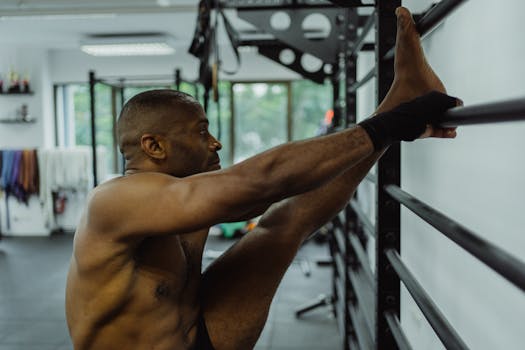 Photo: Ketut Subiyanto / Pexels
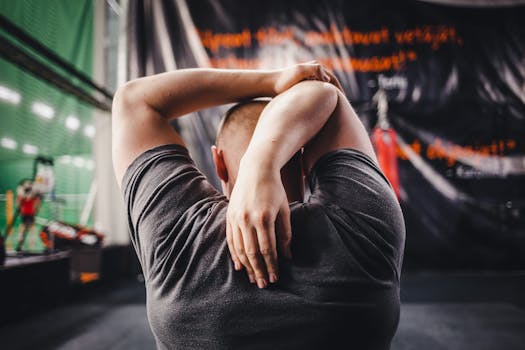 Photo: Joni Tuohimaa / Pexels
 Photo: Nay Nyo / Pexels
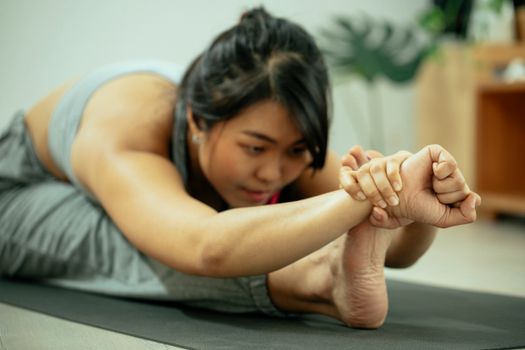 Photo: Miriam Alonso / Pexels