Unlock Your Body: Benefits of Yoga for Flexibility
benefits of yoga for flexibility

Unlock Your Body: Benefits of Yoga for Flexibility

Explore how regular yoga practice dramatically enhances flexibility, leading to a more agile and comfortable life.

Start Your Flexible Journey

Key Takeaways

  • ✓ Yoga significantly increases passive and active flexibility.
  • ✓ Regular practice reduces muscle stiffness and improves joint lubrication.
  • ✓ Enhanced flexibility through yoga can prevent injuries and alleviate chronic pain.
  • ✓ Yoga integrates breathwork with movement, deepening stretches and promoting relaxation.

How It Works

1
Gentle Warm-Up & Centering

Begin with light movements and mindful breathing to prepare the body and calm the mind. This initial phase helps to gently awaken muscles and focus your attention inward.

2
Progressive Asana Practice

Engage in a series of yoga poses (asanas) that target different muscle groups and joints. Poses are held for several breaths, allowing muscles to lengthen and release tension gradually.

3
Deep Stretching & Holding

Transition into deeper stretches, often supported by props, to further extend range of motion. The focus here is on sustained holds, encouraging the connective tissues to adapt and become more pliable.

4
Cool-Down & Relaxation

Conclude with gentle stretches and a final relaxation pose (Savasana) to integrate the practice. This allows the body to absorb the benefits of the flexibility work and promotes overall well-being.

Understanding Flexibility: More Than Just Touching Your Toes
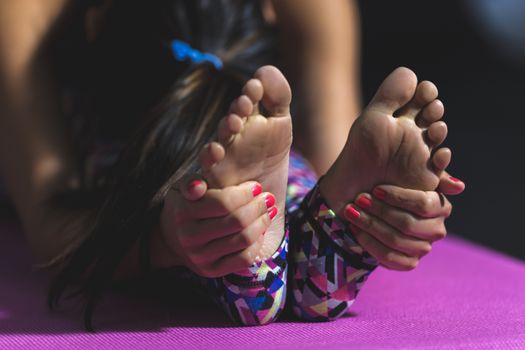
Close-up of woman performing yoga stretching exercise on a pink mat, focusing on feet. Photo: Burst / Pexels
When we talk about flexibility, many people immediately picture someone effortlessly touching their toes or performing complex contortions. While these are certainly indicators of flexibility, the concept is far more nuanced and fundamental to overall physical health. Flexibility refers to the absolute range of movement in a joint or series of joints, and the length of muscles that cross the joints to induce a bending movement or motion. It’s not just about how far you can bend, but how easily and pain-free you can move through your everyday life – from tying your shoes to reaching for an item on a high shelf. There are two main types of flexibility: static and dynamic. Static flexibility is the ability to hold an extended position at an end range of motion, like holding a forward fold. Dynamic flexibility, on the other hand, is the ability to move a joint through its full range of motion with ease and control, such as swinging your leg or performing a lunge. Both are crucial for optimal body function, and yoga addresses both comprehensively. Lack of flexibility often stems from several factors, including sedentary lifestyles, aging, muscle imbalances, and past injuries. Over time, muscles can shorten and tighten, leading to reduced joint mobility, increased risk of injury, and even chronic pain. For instance, tight hamstrings can contribute to lower back pain, while stiff shoulders can limit overhead movements and cause discomfort. The connective tissues surrounding our muscles and joints—ligaments, tendons, and fascia—also play a significant role. When these tissues are not regularly moved through their full range, they can become less pliable, further restricting movement. This cycle of stiffness can lead to a gradual decline in physical capacity, making simple tasks more challenging and diminishing overall quality of life. Yoga, through its unique combination of postures, breathwork, and mindful movement, specifically targets these areas. It encourages the lengthening of muscles and the hydration and elasticity of connective tissues, progressively expanding your body's natural range of motion. Unlike quick, ballistic stretching, yoga emphasizes holding poses, allowing the body's natural stretch reflex to gradually adapt and deepen. This gentle, sustained approach is key to achieving lasting improvements in flexibility and mobility, not just temporary gains. The benefits extend beyond the physical, as the mindful aspect of yoga helps to release tension stored in the body, which often manifests as physical tightness. By understanding these foundational aspects of flexibility, we can better appreciate how yoga works its profound magic on our bodies, transforming stiffness into suppleness and limitation into liberation. Explore more fitness insights here.

The Science Behind Yoga's Flexibility-Boosting Power
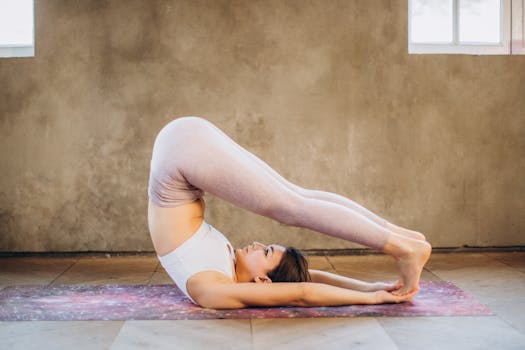
Woman performing yoga pose indoors on a yoga mat, showcasing flexibility and mindfulness. Photo: Elina Fairytale / Pexels
The effectiveness of yoga in significantly enhancing flexibility is not merely anecdotal; it's supported by a robust understanding of human anatomy and physiology. When you engage in yoga postures, you are systematically lengthening muscles and connective tissues. Muscles are composed of bundles of fibers, and within these fibers are sarcomeres, the basic contractile units. When a muscle is stretched, the sarcomeres lengthen. Regular, sustained stretching, as practiced in yoga, gradually increases the sarcomere length over time, allowing the muscle to extend further without resistance. Moreover, yoga also targets the Golgi tendon organs (GTOs) and muscle spindles, which are sensory receptors within our muscles and tendons. Muscle spindles detect changes in muscle length and initiate a stretch reflex, causing the muscle to contract to prevent overstretching. GTOs, located in the tendons, sense muscle tension and, when activated by prolonged stretching, override the stretch reflex, allowing the muscle to relax and lengthen even further. Yoga's emphasis on holding poses for several breaths provides the sustained tension necessary to activate these GTOs, effectively 'resetting' the muscle's perceived length and allowing for deeper stretches. Beyond individual muscles, yoga profoundly impacts the fascia, a vast network of connective tissue that encases muscles, organs, and joints throughout the body. Fascia can become tight, rigid, and dehydrated, restricting movement and contributing to pain. Yoga poses, especially those involving gentle twists, folds, and extensions, apply sustained pressure and traction to the fascial lines. This helps to break down adhesions, improve fascial hydration, and restore its elasticity, allowing for greater freedom of movement. The integration of breathwork, or pranayama, is another critical component. Deep, conscious breathing during yoga postures helps to relax the nervous system, reducing sympathetic (fight-or-flight) responses that can cause muscles to tense up. When the body is relaxed, muscles are more receptive to stretching, allowing for deeper and safer gains in flexibility. This neurophysiological effect is why holding a pose while breathing deeply feels different and more effective than simply forcing a stretch. Furthermore, yoga improves joint lubrication by stimulating the production of synovial fluid, which nourishes cartilage and reduces friction within joints. This increased lubrication is vital for smooth, pain-free movement and overall joint health. By addressing muscles, tendons, fascia, the nervous system, and joint health concurrently, yoga provides a holistic and scientifically sound approach to dramatically improving flexibility, setting it apart from isolated stretching routines. This multifaceted action leads to not just temporary gains but fundamental, long-term changes in the body's capacity for movement and resilience. This comprehensive approach is what makes yoga an unparalleled tool for enhancing physical suppleness and functional mobility.

Beyond the Bend: Comprehensive Benefits of Enhanced Flexibility

A shirtless man stretches on a gym floor, barefoot and wearing black shorts, focused on flexibility. Photo: Ketut Subiyanto / Pexels
While the most apparent outcome of consistent yoga practice is improved range of motion, the benefits of enhanced flexibility extend far beyond merely being able to touch your toes. A more flexible body is a more resilient, less painful, and ultimately, more capable body. One of the most significant advantages is injury prevention. When muscles and joints are flexible, they can move through their full, intended range without undue strain. Stiff muscles are more prone to tears and strains, especially during sudden movements or athletic activities. By increasing flexibility, yoga helps prepare your body for the demands of daily life and physical exercise, significantly reducing the risk of sprains, strains, and other musculoskeletal injuries. This is particularly crucial for athletes, but equally important for anyone navigating stairs, lifting objects, or even just preventing falls as they age. Furthermore, improved flexibility through yoga can be a powerful antidote to chronic pain. Many common ailments, such as lower back pain, neck stiffness, and shoulder discomfort, are often linked to tight muscles and poor posture. Yoga postures specifically target these areas, lengthening tight muscles like the hamstrings, hip flexors, and pectorals, and strengthening weaker opposing muscles. This helps to restore muscular balance, alleviate tension, and correct postural imbalances that contribute to pain. For example, consistent practice can decompress the spine, create space in the hip joints, and release tension in the neck and shoulders that accumulate from desk work. The mindful aspect of yoga also teaches individuals to become more aware of their body's signals, allowing them to identify and address tension before it escalates into pain. This proactive approach to pain management is invaluable. Enhanced flexibility also translates to better athletic performance and functional fitness. Whether you're a runner needing longer strides, a golfer seeking a more powerful swing, or simply someone who wants to move with greater ease, increased flexibility allows for more efficient and powerful movements. It enables muscles to generate more force because they can operate over a greater range of motion. In daily life, this means tasks like bending, lifting, and reaching become easier, less effortful, and more graceful. The mental benefits are equally profound. The practice of yoga, with its emphasis on breath and presence, reduces stress and anxiety, which in turn can decrease muscle tension. This creates a positive feedback loop: less stress leads to less tension, which leads to greater flexibility, and thus, more physical comfort and mental calm. The interconnectedness of mind and body is beautifully demonstrated here, where physical openness fosters mental spaciousness. Ultimately, the comprehensive benefits of improved flexibility from yoga lead to a higher quality of life, marked by greater physical freedom, reduced pain, and enhanced overall well-being. Find more ways to boost your fitness.

Integrating Yoga for Lasting Flexibility: Tips & Common Mistakes
Focused shot of hands holding a yoga mat indoors, ready for practice. Photo: Yan Krukau / Pexels
To truly unlock the benefits of yoga for flexibility, consistency and mindful practice are paramount. Here are some actionable tips to integrate yoga effectively into your routine and common mistakes to avoid: **Tips for Lasting Flexibility:** * **Start Slow and Listen to Your Body:** Begin with beginner-friendly classes or poses and never force a stretch. Pain is a signal to back off. The goal is a gentle, sustained stretch, not discomfort. * **Consistency Over Intensity:** Short, regular sessions (15-30 minutes, 3-5 times a week) are more effective than infrequent, long, and intense sessions. Daily practice, even for a few minutes, yields significant results. * **Focus on Breath:** Use your breath to deepen stretches. Inhale to lengthen, and exhale to release deeper into the pose. Deep breathing also calms the nervous system, allowing muscles to relax. * **Use Props Wisely:** Blocks, straps, and blankets are not signs of weakness; they are tools to help you find proper alignment, support your body, and deepen stretches safely. They make yoga accessible to all flexibility levels. * **Hold Poses for Duration:** To effectively lengthen connective tissues, aim to hold poses for at least 30 seconds, and ideally 1-3 minutes, gradually increasing the hold time as you progress. * **Hydrate and Nourish:** Proper hydration keeps tissues pliable, and a balanced diet supports muscle repair and overall health, both contributing to better flexibility. * **Seek Qualified Instruction:** Especially when starting, a certified yoga instructor can provide personalized guidance, correct alignment, and help you modify poses safely. **Common Mistakes to Avoid:** * **Bouncing into Stretches:** This ballistic approach can activate the stretch reflex, causing muscles to contract rather than relax, and can lead to injury. * **Comparing Yourself to Others:** Everyone's body is different. Focus on your own progress and listen to your body's unique signals rather than striving to match someone else's flexibility. * **Holding Your Breath:** Holding your breath creates tension, counteracting the purpose of stretching. Always maintain a steady, even breath. * **Ignoring Pain:** Distinguish between a healthy stretch sensation and sharp or radiating pain. Pain is a warning sign; pushing through it can cause injury. * **Neglecting Warm-Up:** Attempting deep stretches on cold muscles is inefficient and risky. Always warm up your body with gentle movements before attempting deeper flexibility work. * **Focusing Only on “Problem Areas”:** While it's natural to want to stretch tight areas, a holistic approach that balances all muscle groups will yield better long-term flexibility and prevent new imbalances. Incorporate poses that open the hips, hamstrings, shoulders, and spine. By embracing these tips and avoiding common pitfalls, your yoga practice will become a powerful and safe pathway to profound and lasting improvements in your flexibility, enhancing your physical well-being and overall quality of life.

Comparison

FeatureYoga (Consistent Practice)Static Stretching OnlyDynamic Stretching Only
Muscle LengtheningExcellentGoodLimited
Connective Tissue ElasticityExcellentGoodLimited
Joint Health ImprovementExcellentModerateModerate
Mind-Body ConnectionExcellent
Injury PreventionExcellentGoodGood
Stress Reduction
Accessibility for All Levels
Requires Warm-upYesRecommendedBuilt-in

What Readers Say

"Before yoga, my hamstrings felt like steel cables. After just three months of consistent practice, the benefits of yoga for flexibility are undeniable. I can touch my toes with ease and my lower back pain has significantly decreased."

Sarah J. · Austin, TX

"As a runner, I used to constantly battle tight hips and quads. Integrating yoga into my routine has completely transformed my mobility. My stride feels longer, and I recover faster, all thanks to the enhanced flexibility from yoga."

Mark D. · Seattle, WA

"Chronic neck and shoulder tension was a daily struggle for me. My yoga instructor suggested focusing on specific poses, and now, my range of motion is drastically improved. I wake up with less stiffness and feel more agile throughout the day."

Emily R. · Denver, CO

"I was skeptical about yoga at first, but the improvements in my overall flexibility have been a pleasant surprise. While it takes patience, the gradual increase in my range of motion and reduction in joint stiffness are truly worth the effort."

David L. · Miami, FL

"Working a desk job left me feeling incredibly stiff. Yoga has been my savior! The benefits of yoga for flexibility have allowed me to move with such greater ease, and I've even noticed an improvement in my posture. Highly recommend."

Jessica M. · Chicago, IL

Frequently Asked Questions

How quickly can I expect to see benefits of yoga for flexibility?

While individual results vary, many people report feeling more flexible within a few weeks of consistent practice (3-5 times per week). Significant, lasting improvements in range of motion and reduced stiffness typically become noticeable after 2-3 months of dedicated yoga.

I'm not flexible at all, can I still do yoga?

Absolutely! Yoga is for everyone, regardless of current flexibility. In fact, if you're not flexible, you stand to gain the most. Yoga offers modifications for every pose, and props like blocks and straps can help you safely access stretches, gradually increasing your range of motion over time.

What are the best yoga poses for increasing flexibility?

Key poses for flexibility include Downward-Facing Dog for hamstrings and spine, Pigeon Pose for hips, Cat-Cow for spinal mobility, Reclined Hand-to-Big-Toe Pose for hamstrings, and Eagle Pose for shoulders and hips. A balanced sequence targeting various muscle groups is most effective.

Is yoga more effective for flexibility than traditional stretching?

Yoga often integrates sustained holds, mindful breathing, and a holistic approach that can be more effective than isolated traditional stretching for overall flexibility. It targets not just muscles, but also connective tissues and the nervous system, leading to deeper and more lasting changes.

Can yoga help with joint pain and stiffness?

Yes, yoga can significantly help with joint pain and stiffness. By increasing flexibility, strengthening supporting muscles, and improving joint lubrication (synovial fluid production), yoga can alleviate discomfort and enhance mobility in various joints, including knees, hips, and shoulders.

How often should I practice yoga to improve flexibility?

For optimal results in improving flexibility, aim for 3-5 yoga sessions per week. Even shorter, consistent practices (15-30 minutes) are often more beneficial than infrequent, longer sessions. Listen to your body and allow for rest days as needed.

Are there any risks to practicing yoga for flexibility?

While generally safe, improper alignment or pushing too hard can lead to injury. It's crucial to listen to your body, avoid pain, and consider seeking guidance from a certified instructor, especially if you have pre-existing conditions or are new to yoga.

Will yoga make me too flexible or 'hypermobile'?

For most people, yoga will increase flexibility to a healthy, functional range. While some individuals with natural hypermobility need to be cautious not to overstretch their joints, a mindful yoga practice focuses on strength and stability alongside flexibility, creating balanced movement rather than excessive looseness.

Embrace the transformative power of yoga and unlock the incredible benefits of yoga for flexibility. Start your journey towards a more agile, comfortable, and pain-free life today. Your body will thank you.

Topics: benefits of yoga for flexibilityyoga for mobilityincrease range of motionstretching exercises yogayoga for joint health
Leo List
Brampton weed
Adultwork EstrelaBet Vai de Bet R7 Bet Betão Galera Bet Rainbet Bet9ja Shop SportyBet BetKing Sisal Loto Foot Hollywoodbets YesPlay Odibets RushBet Jugabet BetWarrior BetCity MSport betPawa Fortebet