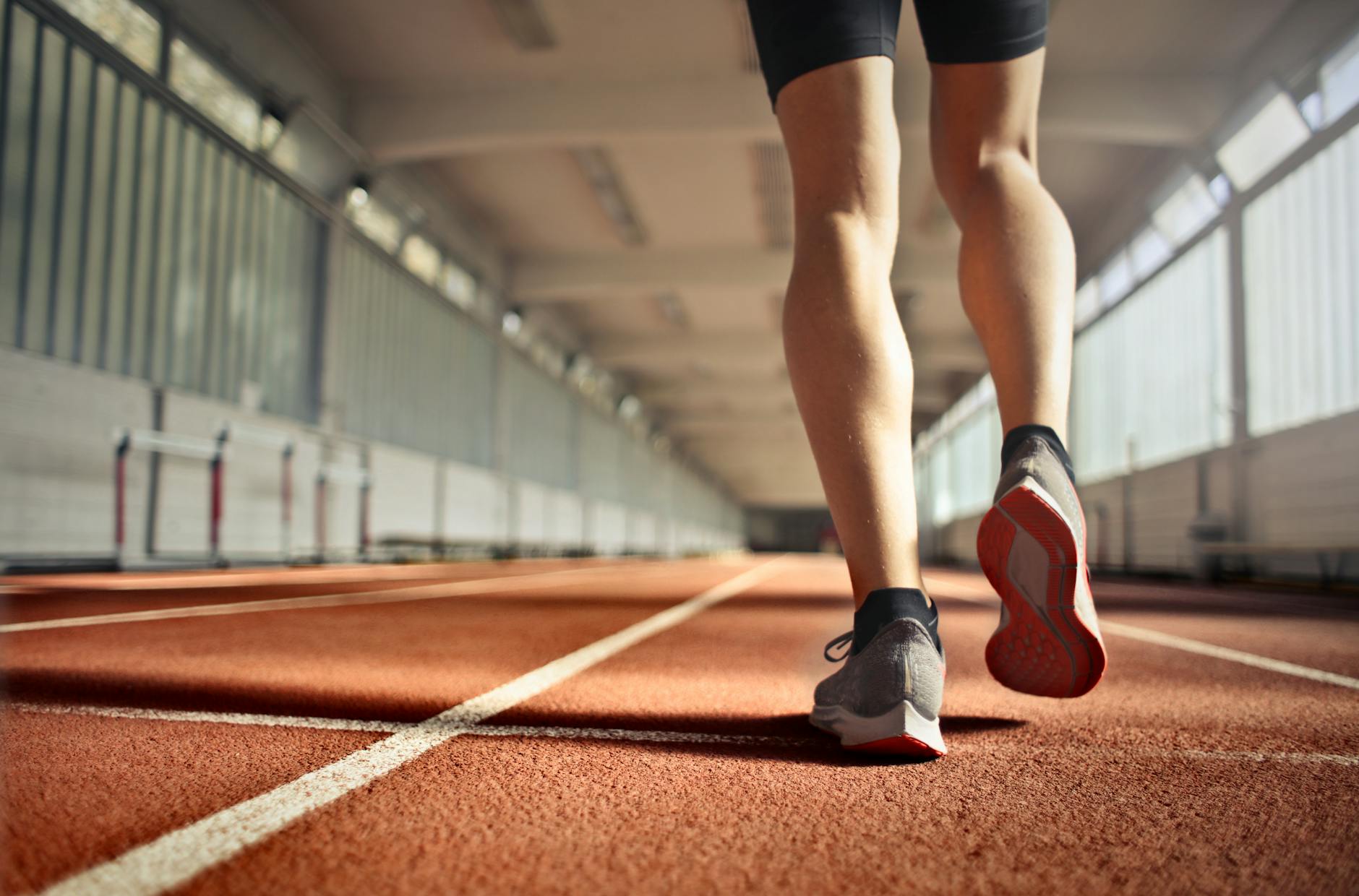
Best Running Shoes for Flat Feet: Your Ultimate Guide to Comfort
best running shoes for flat feet

Best Running Shoes for Flat Feet: Your Ultimate Guide to Comfort

Unlock pain-free running with our expert guide to finding the perfect stability and support for your unique stride.

Find Your Perfect Pair

Key Takeaways

  • ✓ Approximately 20-30% of the population has flat feet, also known as pes planus.
  • ✓ The right running shoes can significantly reduce pain and prevent common injuries like plantar fasciitis and shin splints.
  • ✓ Stability and motion control shoes are typically recommended for runners with flat feet.
  • ✓ Proper shoe selection can improve running efficiency and overall comfort.

How It Works

1
Understand Your Foot Type

Before buying, determine if you truly have flat feet and the degree of overpronation. A 'wet test' or professional gait analysis can provide valuable insights.

2
Prioritize Stability and Support

Look for shoes specifically designed with features like medial posts, firm midsoles, and structured uppers. These elements help control excessive pronation and support your arch.

3
Consider Cushioning Needs

While stability is key, don't neglect cushioning. A balanced approach provides both shock absorption and the necessary firmness to prevent your arch from collapsing.

4
Try Them On and Test

Always try shoes on, preferably at the end of the day when your feet are slightly swollen. Walk and lightly jog in them to ensure immediate comfort and proper fit, especially around the arch.

Understanding Flat Feet and the Need for Specialized Footwear
Close-up of feet and hands on a blue yoga mat in a calm indoor setting. Photo: Mikhail Nilov / Pexels
Flat feet, medically known as pes planus, is a condition where the arches on the inside of your feet are flattened, allowing the entire sole of your foot to touch the ground when you stand. This can be a congenital condition, or it can develop over time due to various factors like age, injury, or wear and tear on the tendons that support the arch. For runners, flat feet often lead to a biomechanical issue called overpronation, where the foot rolls inward excessively after landing. This overpronation can put undue stress on the ankles, knees, hips, and even the lower back, leading to a host of common running injuries such as plantar fasciitis, shin splints, Achilles tendonitis, and patellofemoral pain syndrome. The impact of each stride, multiplied by thousands of steps during a run, can exacerbate these issues significantly. Therefore, selecting the best running shoes for flat feet isn't just about comfort; it's a critical step in injury prevention and optimizing your running performance. Understanding your foot type is the foundational step in this process. Traditional running shoes, designed for neutral pronators, often lack the specific support mechanisms needed to counteract overpronation. They might offer ample cushioning, but without the necessary structure, they could actually worsen the issue by allowing the foot to roll even further inward. Specialized running shoes for flat feet, often categorized as 'stability' or 'motion control' shoes, are engineered with features specifically designed to address these biomechanical challenges. These shoes typically incorporate denser foam on the medial (inner) side of the midsole, known as a medial post or dual-density foam, which resists the inward rolling motion. They also often feature a wider base, a more structured heel counter, and sometimes a firmer overall construction to provide a stable platform for the foot. The goal is to gently guide the foot through a more neutral motion path, reducing the stress on supporting structures and allowing the foot to function more efficiently. Investing in the right footwear can transform your running experience, turning painful outings into comfortable, enjoyable sessions. It’s about creating a harmonious relationship between your foot, your shoe, and the ground, ensuring every stride is supported and stable. Without this crucial support, runners with flat feet often find themselves battling chronic aches and pains, limiting their ability to train consistently or enjoy the sport they love. Proper footwear acts as a proactive measure, safeguarding your body against the repetitive impact forces of running and enabling you to pursue your fitness goals without hindrance. It's a testament to how specialized gear can make a profound difference in athletic performance and long-term health.

Key Features to Look For in Running Shoes for Flat Feet
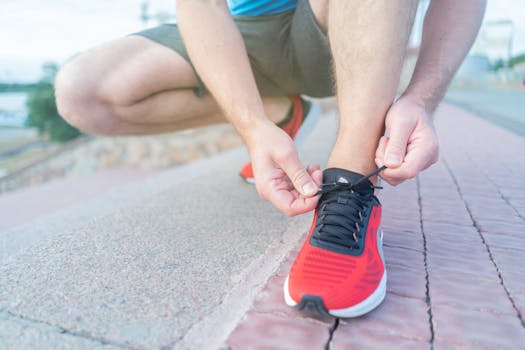
Close-up of an adult tying red sneakers on a sunny outdoor pathway. Photo: Atlantic Ambience / Pexels
When searching for the best running shoes for flat feet, several key features differentiate effective models from those that might exacerbate your issues. The primary focus should be on stability and motion control, as these elements directly address overpronation. Firstly, look for shoes with a 'medial post' or 'dual-density midsole.' This is a firmer section of foam, often gray or a different color, located on the inner side of the midsole, extending from the arch to the heel. Its purpose is to prevent the arch from collapsing inward excessively, thus controlling pronation. Without this feature, softer midsoles can allow the foot to sink too much, negating any potential support. Secondly, a firm and supportive heel counter is crucial. The heel counter is the rigid cup that surrounds the back of your heel. For flat-footed runners, a strong heel counter helps lock the heel in place, preventing excessive movement and providing foundational stability for the entire foot. A flimsy heel counter will allow the foot to wobble, undermining the shoe's overall stability. You can test the firmness by squeezing the heel counter; it should resist collapsing easily. Thirdly, consider the shoe's overall structure and last (the mold the shoe is built around). Many stability shoes are built on a straight or semi-curved last, which offers a broader base of support under the arch compared to more curved lasts found in neutral shoes. A wider base provides a more stable platform for the foot. The upper material also plays a role; look for uppers that offer a secure, snug fit without being restrictive, helping to hold the foot in place over the midsole. Avoid shoes with overly flexible or stretchy uppers that might not offer sufficient lockdown. Fourthly, while cushioning is important for shock absorption, for flat feet, it needs to be balanced with firmness. Ultra-soft, plush shoes can feel comfortable initially but might lack the necessary structure to prevent overpronation. Look for a midsole that feels responsive and firm, offering a good balance of cushioning and support. Some brands achieve this with a blend of different foam densities, while others use specific stability technologies that integrate cushioning with control. Lastly, the outsole design can contribute to stability. Wider outsoles and those with specific tread patterns designed for ground contact can enhance the shoe's overall stability by providing a larger, more consistent contact patch with the running surface. By prioritizing these features, you can narrow down your choices and select a pair that truly supports your unique biomechanics, leading to a more comfortable and injury-free running experience. It's a combination of these elements that work synergistically to provide the necessary correction and support, allowing your foot to move through its natural gait cycle with reduced stress and improved efficiency.

Top Contenders: The Best Running Shoes for Flat Feet in 2024
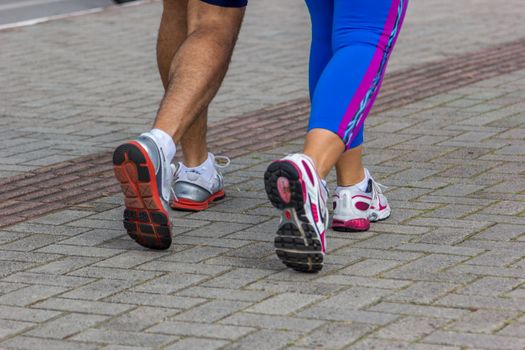
People jogging on a city street, giving a close-up of their sportswear shoes. Urban fitness scene. Photo: Jari Lobo / Pexels
Navigating the vast market of running shoes can be daunting, but several models consistently rise to the top for their exceptional support and stability tailored for flat-footed runners. These shoes incorporate advanced technologies to manage overpronation without sacrificing comfort or durability. One perennial favorite is the **Brooks Adrenaline GTS**. The 'GTS' stands for 'Go-To Support,' and it lives up to its name with Brooks' innovative GuideRails® support system. Instead of a traditional medial post, GuideRails® act like bumpers, guiding your foot and knee into proper alignment, reducing excessive movement without feeling overly intrusive. It offers a balanced blend of soft cushioning and necessary stability, making it a versatile choice for various distances and paces. Runners often praise its smooth ride and consistent support over many miles. Another top contender is the **ASICS GEL-Kayano**. This shoe has been a staple in the stability category for decades, continually evolving its technology. The latest iterations feature ASICS' LITETRUSS™ technology, which is a medial support system designed to improve stability and prevent the foot from rolling too far inward. Combined with their signature GEL® technology for excellent shock absorption and FF BLAST™ PLUS ECO cushioning, the GEL-Kayano provides a plush yet supportive ride. It's often recommended for runners needing significant support and cushioning, particularly for longer runs or those with higher mileage. Its robust construction ensures long-lasting performance and reliable support. The **Saucony Guide** series is also a strong recommendation for flat-footed runners seeking a balance of support and responsiveness. The Guide typically features Saucony's HOLLOW-TECH™ support system or a similar medial stability element, which provides targeted support to control pronation. Paired with PWRRUN cushioning, it offers a protective feel underfoot while maintaining a relatively lightweight and flexible profile for a stability shoe. It's a great option for daily training and can handle a variety of runs, from easy jogs to tempo efforts. Its consistent performance and comfortable fit make it a reliable choice for many. Finally, the **Hoka Gaviota** stands out for those who require maximum stability and cushioning. Hoka is renowned for its maximalist approach to cushioning, and the Gaviota combines this with robust J-Frame™ stability technology. The J-Frame™ uses a firmer foam that wraps around the heel and along the medial side of the shoe, providing extensive support and guiding the foot without a traditional medial post. This design offers an incredibly plush ride without sacrificing the critical stability needed for overpronators. It's particularly well-suited for long-distance runners, heavier runners, or those recovering from injuries who need extra protection and support. Choosing the right model often comes down to personal preference in feel and fit, so trying on different options is always advised.

Essential Tips for Choosing and Maintaining Your Stability Running Shoes
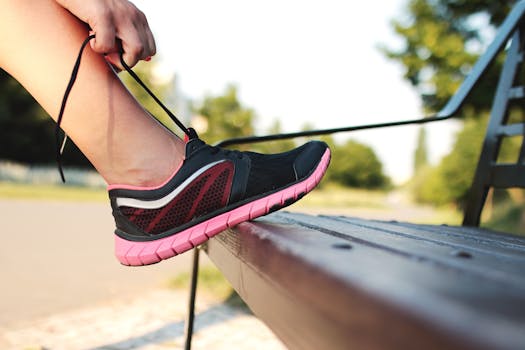
A woman laces her sneakers on a park bench, preparing for a run outdoors. Photo: JESHOOTS.com / Pexels
Selecting the right pair of stability running shoes is only the first step; proper fitting, break-in, and maintenance are equally crucial to maximize their benefits and longevity. Here are some essential tips: * **Shop at a Specialty Running Store:** This is perhaps the most important tip. Knowledgeable staff can perform a gait analysis, observe your foot strike, and recommend shoes specifically suited to your pronation type and foot mechanics. They can also ensure proper sizing, which is vital for preventing blisters and discomfort. * **Try on Shoes Later in the Day:** Your feet tend to swell slightly throughout the day. Trying shoes on in the afternoon or evening ensures you get a fit that will be comfortable even when your feet are at their largest. * **Wear Your Running Socks:** Always try on shoes with the type of socks you typically wear for running. This can significantly impact the fit and feel. * **Leave Wiggle Room:** Ensure there's about a thumb's width of space between your longest toe and the end of the shoe. Your toes need room to splay naturally during your stride. * **Test Them Out:** Walk or jog around the store. Pay attention to how the arch support feels, if your heel slips, and if there are any pinch points. Don't be afraid to try multiple pairs. * **Break Them In Gradually:** Don't run a marathon in a brand new pair of shoes. Start with shorter runs and gradually increase mileage. This allows your feet and the shoes to adapt to each other. * **Monitor for Wear:** Stability features, especially the medial post, can wear down over time. Pay attention to changes in how the shoe feels; if you start experiencing old aches or pains, it might be time for a new pair. * **Replace Regularly:** Most running shoes last between 300-500 miles, or roughly every 4-6 months for regular runners. The cushioning and support structures degrade over time, even if the outsole still looks decent. * **Avoid Daily Wear:** Reserve your running shoes for running. Wearing them for everyday activities can accelerate wear and tear, reducing their effectiveness for your actual runs. * **Clean Them Gently:** If your shoes get dirty, clean them with a soft brush, mild soap, and water. Avoid putting them in a washing machine or dryer, as this can damage the materials and adhesives. By following these tips, you'll not only select the best running shoes for flat feet but also ensure they provide optimal support and comfort throughout their lifespan, protecting your body and enhancing your running journey.

Comparison

FeatureBrooks Adrenaline GTSASICS GEL-KayanoSaucony GuideHoka Gaviota
Stability TechGuideRails® (holistic support)LITETRUSS™ (medial support)HOLLOW-TECH™ (medial support)J-Frame™ (maximal stability)
Cushioning LevelBalanced (DNA LOFT)Plush (FF BLAST™ PLUS ECO)Responsive (PWRRUN)Maximal (Hoka's signature)
Ideal ForDaily training, all distancesLong runs, high mileageDaily training, versatileMax support, long distances, heavier runners
Pronation Control

What Readers Say

"The Brooks Adrenaline GTS completely changed my running experience. My plantar fasciitis pain vanished after switching to these; the GuideRails provide amazing support without feeling clunky. I can finally enjoy my long runs again!"

Sarah J. · Austin, TX

"As someone with severe overpronation, the ASICS GEL-Kayano has been a lifesaver. The cushioning is fantastic, and my knees feel so much better after my runs. Worth every penny for the stability it offers."

Mark D. · Seattle, WA

"I used to get shin splints constantly, but since I started wearing the Saucony Guide, they're gone! The arch support is just right for my flat feet, and they feel surprisingly light for a stability shoe. My mileage has increased significantly."

Emily R. · Denver, CO

"The Hoka Gaviota offers incredible cushioning and stability, perfect for my heavy frame and flat feet. They felt a bit bulky at first, but the comfort on long runs is unmatched. Definitely recommend for maximum support."

David L. · Boston, MA

"Finding the best running shoes for flat feet was a journey, but the Brooks Adrenaline GTS was the clear winner. They're comfortable right out of the box and provide consistent, reliable support for my daily jogs and weekend half-marathons."

Jessica M. · San Diego, CA

Frequently Asked Questions

What is the most important feature for running shoes for flat feet?

The most important feature is stability or motion control. These shoes incorporate features like medial posts, GuideRails, or J-Frames to prevent excessive inward rolling of the foot (overpronation) and provide crucial arch support. This helps align your foot and lower leg, reducing stress on joints.

Can I use orthotics with stability running shoes?

Yes, in many cases, you can. Most stability running shoes have removable insoles, allowing you to replace them with custom or over-the-counter orthotics. However, it's wise to try on the shoes with your orthotics to ensure a proper and comfortable fit, as the combined support might feel different.

How do I know if I have flat feet or overpronation?

You can perform a simple 'wet test' at home: wet your feet and stand on a piece of paper or cardboard. If you see a complete imprint of your foot with little to no arch, you likely have flat feet. A professional gait analysis at a running specialty store can confirm this and assess your degree of pronation.

Are running shoes for flat feet more expensive?

Generally, stability and motion control running shoes can be slightly more expensive than basic neutral trainers due to the advanced technologies and materials used for support. However, prices vary widely by brand and model, with many excellent options available across different price points, usually ranging from $120-$170.

What's the difference between stability and motion control shoes?

Stability shoes offer moderate support to correct mild to moderate overpronation, often using medial posts. Motion control shoes provide maximum support and are designed for severe overpronation or heavier runners, featuring more extensive stability elements, a wider base, and a firmer construction to control foot movement significantly.

Who should use best running shoes for flat feet?

Anyone with flat feet or who experiences overpronation during their run should consider using specialized running shoes for flat feet. This includes individuals who experience pain in their arches, ankles, knees, or hips while running, as well as those looking to prevent common running injuries associated with overpronation.

Will wearing stability shoes weaken my feet?

No, stability shoes are designed to guide your foot into a more neutral alignment, not to weaken it. They prevent excessive movement that can lead to injury. While it's good to incorporate foot strengthening exercises, wearing appropriate footwear helps your feet function optimally during high-impact activities like running.

What are the future trends in running shoes for flat feet?

Future trends suggest a move towards more adaptive and less intrusive support systems, like Brooks' GuideRails, which guide rather than force the foot. We can also expect lighter, more responsive stability foams, increased use of sustainable materials, and potentially personalized 3D-printed midsoles tailored to individual biomechanics for even more precise support.

Don't let flat feet hold you back from enjoying your runs. By investing in the best running shoes for flat feet, you're investing in comfort, performance, and long-term injury prevention. Take the next step towards a pain-free running journey today!

Topics: best running shoes for flat feetrunning shoes for overpronationstability running shoesarch support running shoesflat feet running comfort
Leo List
Brampton weed
Adultwork EstrelaBet Vai de Bet R7 Bet Betão Galera Bet Rainbet Bet9ja Shop SportyBet BetKing Sisal Loto Foot Hollywoodbets YesPlay Odibets RushBet Jugabet BetWarrior BetCity MSport betPawa Fortebet