✓ Proper running shoes are crucial for injury prevention and comfort, especially for beginners.
✓ Consider your foot type (arch height) and running gait (pronation) when selecting shoes.
✓ Cushioning, stability, and fit are key features to prioritize for new runners.
✓ Don't just buy the prettiest shoe; prioritize function and a professional fitting.
How It Works
1
Assess Your Foot Type
Understanding your arch height (flat, neutral, high) is the first step. This dictates the level of support you'll need from your shoes.
2
Understand Your Gait
Determine if you overpronate, supinate, or have a neutral gait. This helps in choosing between stability, motion control, or neutral shoes.
3
Prioritize Comfort & Cushioning
For beginners, ample cushioning absorbs impact and provides a more pleasant running experience. Comfort should be paramount from the first step.
4
Get Professionally Fitted
Visit a specialized running store for an expert fitting. They can analyze your gait and recommend shoes tailored to your unique needs.
Why Your First Running Shoes Matter: Beyond Just Comfort
Photo: RUN 4 FFWPU / Pexels
Embarking on a running journey is an exciting step towards a healthier lifestyle, but the right equipment is paramount to making that journey enjoyable and sustainable. For beginners, the choice of running shoes isn't just about comfort; it's a critical decision that directly impacts injury prevention, performance, and overall running experience. Many new runners make the mistake of grabbing any athletic shoe off the shelf, not realizing the specialized design and technology that goes into a true running shoe. Unlike cross-trainers or casual sneakers, running shoes are engineered to handle the repetitive impact and specific biomechanics of running. Each step you take while running generates a force equivalent to 2-3 times your body weight. Over hundreds or thousands of steps in a single run, this cumulative impact can take a significant toll on your joints, muscles, and tendons if not properly absorbed and supported. This is where the best running shoes for beginners truly shine. They feature advanced cushioning systems designed to absorb shock, reducing stress on your knees, hips, and ankles. Beyond cushioning, these shoes offer targeted support to guide your foot through a natural gait cycle, preventing excessive pronation (inward rolling of the foot) or supination (outward rolling). Without this proper support, imbalances can lead to common running injuries such as shin splints, plantar fasciitis, runner's knee, and Achilles tendinitis, which can quickly derail your motivation and progress. Investing in the right pair of shoes from the outset is an investment in your long-term running health and enjoyment. It allows you to focus on your form, breathing, and the joy of movement, rather than discomfort or pain. A well-fitted, supportive shoe can also improve your running efficiency, making each stride feel smoother and less strenuous, which is incredibly encouraging for someone just starting out. Furthermore, the durability of quality running shoes means they'll withstand the demands of regular training, offering consistent performance and protection over many miles. Don't underestimate the psychological boost of feeling confident and comfortable in your gear. Knowing you have the right foundation can empower you to push a little further, explore new routes, and embrace the challenge of becoming a runner. Think of your running shoes as the most important piece of equipment in your fitness arsenal; they are literally the ground-up support system for your entire body as you run. Choosing wisely now will set you up for success and a rewarding running experience for months and years to come. It’s not just about what feels good in the store, but what will continue to feel good and protect you mile after mile. This foundational choice can make the difference between a fleeting attempt at running and a lifelong passion.
Understanding Foot Types and Gait: Finding Your Perfect Match
Photo: Mikhail Nilov / Pexels
Before you even consider brands or colors, understanding your unique foot mechanics is the most crucial step in selecting the best running shoes for beginners. Every runner's foot is different, and these differences dictate the type of support and cushioning you need. The two primary factors to consider are your foot arch type and your running gait, specifically pronation. Let's break these down.
**Foot Arch Type:**
* **Low Arches (Flat Feet):** If you have low arches, your entire foot may touch the ground when you stand. This often leads to overpronation, where your foot rolls excessively inward after landing. For low arches, shoes with motion control or stability features are often recommended. These shoes help to limit the inward roll and provide extra arch support.
* **Neutral Arches:** A neutral arch has a moderate height, and your foot typically distributes pressure evenly across the sole. Runners with neutral arches usually exhibit a neutral gait, meaning their foot rolls slightly inward to absorb shock, then pushes off efficiently. They can often wear neutral running shoes, which prioritize cushioning and flexibility without excessive stability features.
* **High Arches:** If you have high arches, only the heel and ball of your foot may make significant contact with the ground. High arches often lead to supination (underpronation), where the foot rolls outward after landing, placing more stress on the outer edge of the foot. Runners with high arches often benefit from neutral shoes with ample cushioning to absorb shock, as their feet are less efficient at natural shock absorption.
**Running Gait (Pronation):**
* **Overpronation:** This is the most common gait for new runners. Your foot rolls inward excessively after landing, and your arch may collapse. This can lead to instability and injuries like shin splints, plantar fasciitis, and knee pain. Stability or motion control shoes are designed to correct overpronation by providing extra support on the arch side of the shoe.
* **Supination (Underpronation):** Less common, supination occurs when your foot rolls outward excessively after landing. This means your foot doesn't absorb shock effectively, putting more stress on the outer edge of your foot and lower leg. Neutral shoes with maximum cushioning are typically recommended for supinators to help with shock absorption.
* **Neutral Pronation:** Your foot rolls inward slightly (about 15 degrees) to absorb impact, then pushes off evenly. This is the most biomechanically efficient gait. Neutral shoes with good cushioning are ideal for neutral pronators.
How do you determine your foot type and gait? The easiest and most reliable way is to visit a specialized running shoe store. Experts there can perform a gait analysis, often by observing you run on a treadmill, and recommend shoes specifically tailored to your needs. You can also do a simple 'wet test' at home: wet your feet and stand on a piece of paper or cardboard. The imprint will give you a general idea of your arch type. Understanding these fundamental aspects of your foot mechanics is not just about avoiding discomfort; it's about optimizing your running form and significantly reducing your risk of injury, allowing you to build a consistent and enjoyable running routine.
Key Features to Look for in the Best Running Shoes for Beginners
Photo: Dania Ortega / Pexels
When you're just starting out, the sheer variety of running shoes can be overwhelming. However, by focusing on a few core features, you can narrow down your options and find the best running shoes for beginners that will serve you well. These features are designed to provide the comfort, support, and protection essential for new runners.
**1. Cushioning:** This is perhaps the most important feature for beginners. Ample cushioning absorbs the impact of each stride, reducing stress on your joints and making your runs feel more comfortable. Look for shoes with a generous amount of foam in the midsole. Different brands use proprietary cushioning technologies (e.g., Boost, Fresh Foam, DNA LOFT), but the goal is the same: soft, responsive shock absorption. Don't confuse cushioning with softness alone; good cushioning should also offer some energy return, giving you a slight spring in your step.
**2. Support (Stability vs. Neutral):** As discussed, your gait determines the type of support you need.
* **Neutral Shoes:** Best for neutral pronators or supinators. They focus on cushioning and flexibility without additional support to prevent inward or outward rolling.
* **Stability Shoes:** Ideal for mild to moderate overpronators. They incorporate features like medial posts (firmer foam on the arch side) or guide rails to gently prevent the foot from rolling too far inward.
* **Motion Control Shoes:** For severe overpronators. These are the most supportive shoes, offering maximum stability to control excessive inward rolling. They tend to be a bit heavier and less flexible.
**3. Fit:** A proper fit is non-negotiable. Your running shoes should feel snug but not tight, with enough room in the toe box for your toes to wiggle freely. As a general rule, you should have about a thumb's width of space between your longest toe and the end of the shoe. The heel should feel secure, without slipping. Try shoes on at the end of the day when your feet are slightly swollen, and always wear the type of socks you'll run in. An improper fit can lead to blisters, black toenails, and discomfort, hindering your progress. A professional fitting at a running store is highly recommended to ensure the perfect fit.
**4. Drop (Heel-to-Toe Offset):** This refers to the height difference between the heel and the forefoot. Most traditional running shoes have a higher drop (8-12mm), which can encourage a heel-strike gait. Lower drop shoes (0-6mm) promote a more midfoot or forefoot strike. For beginners, a moderate to higher drop shoe is often recommended as it provides more cushioning under the heel, where many new runners tend to land. As you gain experience and refine your form, you might explore lower drop options, but it's not a primary concern for your first pair.
**5. Outsole Durability:** The outsole is the bottom layer of the shoe that contacts the ground. Look for durable rubber compounds that provide good traction and can withstand the wear and tear of regular running. A good outsole will offer grip on various surfaces and contribute to the longevity of your shoes. Prioritizing these features will ensure your first pair of running shoes provides the foundation you need for a successful and injury-free start to your running journey.
Common Mistakes Beginners Make When Buying Running Shoes (and How to Avoid Them)
Photo: Anastasia Shuraeva / Pexels
Starting a running routine is commendable, but many beginners stumble at the first hurdle: choosing the right footwear. Avoiding common pitfalls can save you from discomfort, injury, and buyer's remorse. Here are the top mistakes new runners make when selecting their shoes and how to sidestep them:
1. **Buying Based on Aesthetics Alone:** It's tempting to pick the shoe with the coolest color or trendiest design. However, a running shoe's primary function is performance and protection, not fashion. Prioritize fit, cushioning, and support over looks. Once you identify a few functional options, then you can consider aesthetics.
2. **Not Getting a Professional Gait Analysis:** This is arguably the biggest mistake. Relying solely on online reviews or recommendations from friends without understanding your own foot mechanics is risky. A professional gait analysis at a specialized running store provides invaluable insight into your pronation and arch type, leading to a truly personalized recommendation. This service is often free and takes only a few minutes.
3. **Assuming Price Equals Quality:** While very cheap shoes might lack essential features, the most expensive shoe isn't always the best for *you*. A mid-range shoe that perfectly matches your foot type and gait will always outperform a high-end shoe that doesn't. Focus on suitability, not just the price tag.
4. **Trying Shoes on at the Wrong Time of Day:** Your feet swell throughout the day. Trying on shoes in the morning might lead to a too-tight fit later when you run. Always try on running shoes in the late afternoon or evening to ensure they accommodate your feet at their largest.
5. **Not Wearing Running Socks:** The socks you wear can significantly impact how a shoe fits and feels. Always try on shoes with the type of running socks you intend to wear. Thin dress socks or thick cotton socks can alter the fit and lead to an inaccurate assessment.
6. **Ignoring the Toe Box:** Many beginners choose shoes that are too short. You need about a thumb's width of space between your longest toe and the end of the shoe. Your toes should be able to wiggle freely. A cramped toe box can lead to painful blisters, black toenails, and discomfort.
7. **Not Testing Them Out:** Don't just stand in the shoes. Walk around, do a few squats, and if possible, jog a few steps in the store. Pay attention to how they feel underfoot, if there are any pinch points, or if your heel slips.
8. **Sticking to a Brand Out of Habit:** Just because you've always worn a certain brand for casual shoes doesn't mean their running shoes are the best fit for your specific needs. Be open to trying different brands and models, as each offers unique cushioning, support, and fit characteristics.
9. **Not Replacing Shoes Regularly:** Running shoes have a lifespan, typically 300-500 miles. Continuing to run in worn-out shoes can negate their cushioning and support benefits, increasing your risk of injury. Keep track of your mileage and replace them when they start to feel 'dead' or show significant wear.
By being mindful of these common mistakes, you'll be well on your way to selecting the best running shoes for beginners, setting yourself up for a successful and injury-free start to your running journey.
Comparison
Feature
Neutral Cushioned (e.g., Brooks Ghost)
Stability (e.g., Saucony Guide)
Motion Control (e.g., Brooks Adrenaline GTS)
Best For
Neutral arches, supinators
Mild to moderate overpronators
Severe overpronators, flat feet
Cushioning Level
High
Moderate to High
High
Flexibility
High
Moderate
Low
Support Type
None (focus on cushioning)
Medial post, GuideRails
Dense medial post, wide base
Weight
Lighter to Moderate
Moderate
Heavier
Feel
Soft, flexible, responsive
Supportive, balanced
Very stable, firm
Injury Prevention Focus
Shock absorption
Preventing overpronation
Controlling excessive motion
What Readers Say
★★★★★
"As a complete beginner, I was overwhelmed. This guide helped me understand my foot type, and the recommended shoes have made my first few runs incredibly comfortable and pain-free. I finally enjoy running!"
Sarah J. · Austin, TX
★★★★★
"I used to get shin splints constantly. After reading this and getting a gait analysis, I switched to a stability shoe. It's been a game-changer; no more pain, and I'm actually increasing my mileage."
Mark D. · Chicago, IL
★★★★★
"The advice on getting professionally fitted was spot on. I thought I knew what I needed, but the expert showed me a completely different type of shoe that feels like it was custom-made for my feet. My runs are so much smoother now."
Emily R. · Denver, CO
★★★★★
"Great comprehensive guide. I still had to try on a few pairs, but the information here gave me the confidence to ask the right questions and understand why certain shoes were better for me than others. Very helpful."
Chris L. · Miami, FL
★★★★★
"I'm a heavier runner just starting out, and the emphasis on cushioning and support was exactly what I needed. My new shoes feel incredibly supportive and have made my transition into running much easier on my joints."
Jessica M. · Seattle, WA
Frequently Asked Questions
What's the most important factor for beginners choosing running shoes?
For beginners, the most important factor is finding a shoe that offers adequate cushioning and the correct type of support for your foot type and gait. This combination ensures comfort, absorbs impact effectively, and helps prevent common running injuries, allowing you to build a consistent and enjoyable running habit.
Can I just use my regular sneakers for running when I start?
While you might for a very short, occasional walk-run, it's highly discouraged for regular running. Regular sneakers lack the specialized cushioning, support, and durability needed to absorb the repetitive impact of running, significantly increasing your risk of injury and discomfort.
How often should a beginner replace their running shoes?
Beginners should aim to replace their running shoes every 300-500 miles, or roughly every 4-6 months if running consistently. Pay attention to how the shoes feel; if the cushioning feels 'dead' or you start experiencing new aches, it's likely time for a new pair, regardless of mileage.
Are expensive running shoes always better for beginners?
Not necessarily. While very cheap shoes might lack essential features, the price tag doesn't always correlate with suitability for *your* feet. A moderately priced shoe that perfectly matches your foot type and gait will always be a better investment than a high-end shoe that doesn't.
What's the difference between stability and neutral running shoes?
Neutral shoes are designed for runners with neutral arches or supination, focusing on cushioning and flexibility. Stability shoes, on the other hand, incorporate features like medial posts or guide rails to prevent excessive inward rolling (overpronation) for runners with low to neutral arches.
Who should prioritize cushioning in their running shoes?
Everyone can benefit from good cushioning, but it's especially important for beginners, heavier runners, and those with high arches or supination. Ample cushioning helps absorb impact, reducing stress on joints and making the running experience more comfortable and sustainable.
Is it bad to run in shoes that are too small?
Yes, running in shoes that are too small can lead to a host of problems including blisters, black toenails, painful rubbing, and even stress fractures. Always ensure you have about a thumb's width of space between your longest toe and the end of the shoe.
What's the future trend for beginner running shoes?
Future trends for beginner running shoes are likely to focus on even more personalized fit technologies, sustainable materials, and adaptive cushioning that responds to individual running styles and terrains. Expect continued innovation in comfort and injury prevention for new runners.
Choosing the best running shoes for beginners is your first stride towards a successful and enjoyable running journey. Don't compromise on comfort and support; invest in a pair that empowers you to hit the pavement with confidence and stay injury-free. Visit a specialized running store today and let your feet lead the way to a healthier you.

 Photo: RUN 4 FFWPU / Pexels
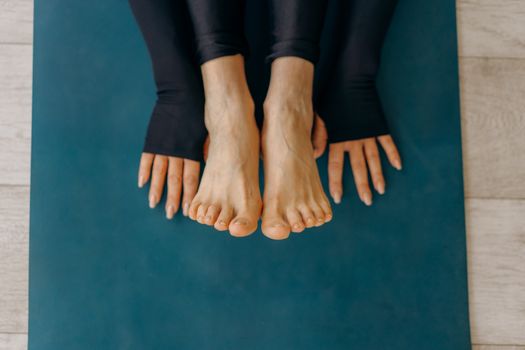 Photo: Mikhail Nilov / Pexels
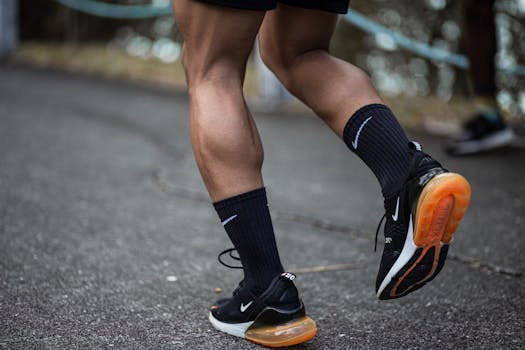 Photo: Dania Ortega / Pexels
 Photo: Anastasia Shuraeva / Pexels