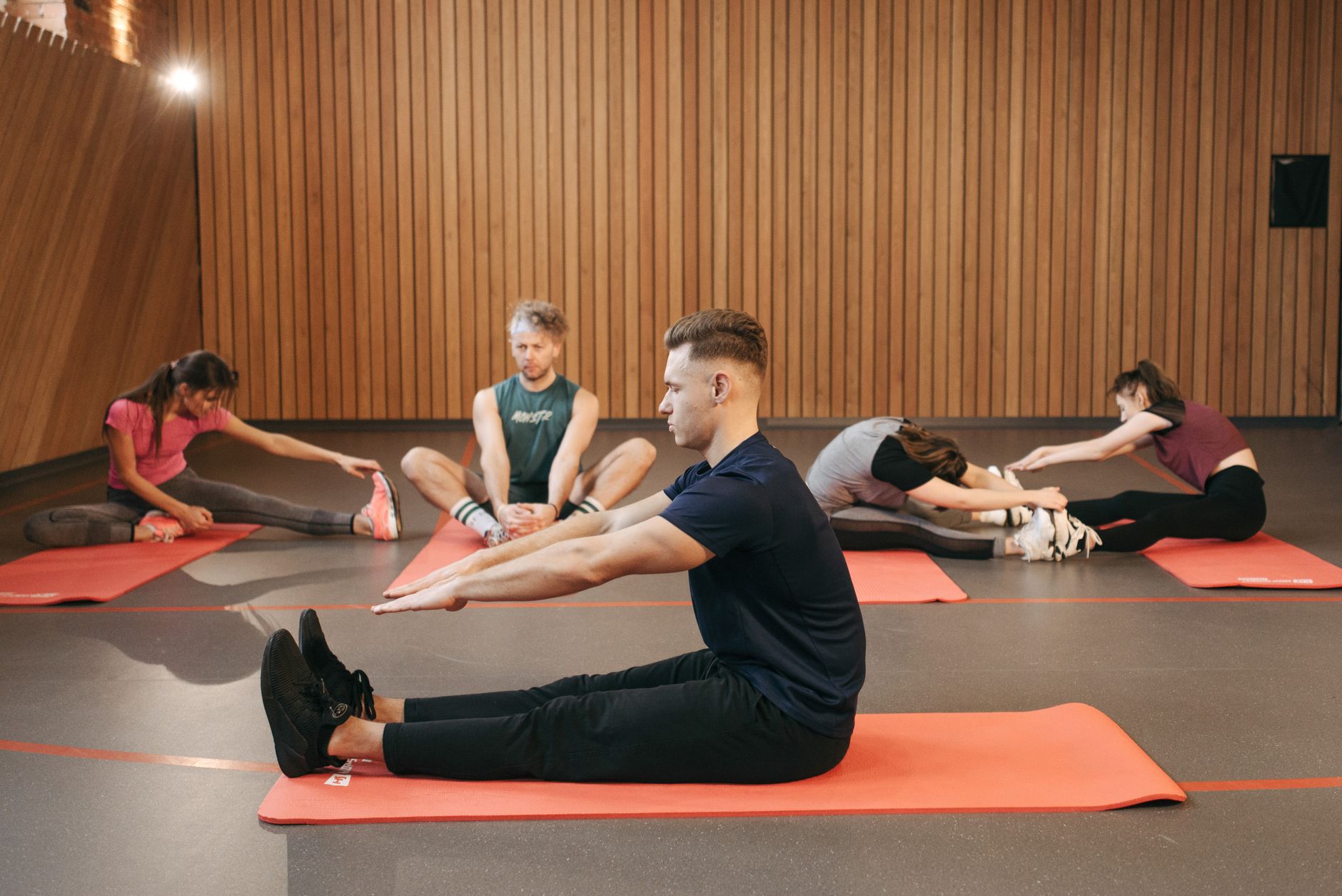
Discover the Best Yoga Mats for Sale for Your Practice
June 24, 2026 16 min read 3,132 words
Unlock unparalleled comfort, stability, and support for every pose with the perfect mat tailored to your needs.
Find Your Perfect Mat
Understanding the Anatomy of Your Ideal Yoga Mat
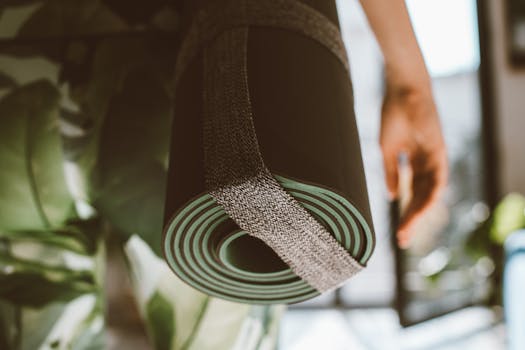 Photo: ROMAN ODINTSOV / Pexels
Embarking on the journey to find the perfect yoga mat for sale can feel overwhelming, given the sheer variety available on the market today. However, by understanding the core components and features that define a quality mat, you can make an informed decision that truly enhances your practice. At its heart, a yoga mat is more than just a piece of equipment; it's your personal sanctuary, a foundation that supports every pose, every breath, and every moment of stillness. The critical factors to consider include material, thickness, texture, and environmental impact.
Let's start with material, arguably the most important aspect influencing grip, durability, and feel. PVC (polyvinyl chloride) mats are known for their stickiness and durability, making them a popular, often budget-friendly choice. However, concerns about their environmental footprint and potential off-gassing have led many practitioners to seek alternatives. Natural rubber mats offer excellent grip, especially as they get damp from sweat, and are often biodegradable, appealing to eco-conscious yogis. They tend to be heavier and can have a distinct rubber smell initially. TPE (thermoplastic elastomer) mats are a synthetic, eco-friendly alternative to PVC, offering good grip and cushioning while being lighter than rubber. Cotton and jute mats provide a natural, breathable surface, though they might offer less cushioning and grip compared to rubber or TPE, making them suitable for restorative or less dynamic practices. Each material brings its unique set of advantages and disadvantages, directly impacting how you interact with your mat during practice.
Next, consider thickness. Yoga mats typically range from 1.5mm to 6mm, with some even thicker. A travel mat, often 1.5mm to 2mm, is lightweight and foldable, perfect for on-the-go practice but offers minimal cushioning. Standard mats, usually 3mm to 4mm, strike a balance between cushioning and stability, suitable for most styles of yoga. Thicker mats, 5mm to 6mm+, provide superior cushioning, which is excellent for sensitive joints, restorative yoga, or Pilates, but they can sometimes make balancing poses more challenging due to less direct ground feel. Your choice here should align with your personal comfort needs and the style of yoga you primarily practice. For instance, if you have sensitive knees or wrists, a thicker mat might be a game-changer, while a seasoned Ashtanga practitioner might prefer a thinner mat for better ground connection.
Explore how the right fitness equipment can transform your routine.
Texture plays a pivotal role in grip, especially when sweat becomes a factor. Some mats feature a smooth, slightly tacky surface, while others boast a textured finish for enhanced traction. Open-cell mats are designed to absorb moisture, providing excellent grip even during hot yoga, but they require more frequent cleaning. Closed-cell mats repel moisture, making them easier to clean but potentially more slippery when wet. The texture also affects the overall feel under your hands and feet, contributing to your comfort and confidence in challenging poses. Finally, the environmental impact of your mat is a growing concern for many. Opting for mats made from sustainable, recycled, or biodegradable materials, and those produced with ethical manufacturing practices, allows you to support both your practice and the planet. When you're searching for yoga mats for sale, keeping these fundamental aspects in mind will guide you towards a choice that supports your well-being and aligns with your values.
Navigating the Market: Where to Find Quality Yoga Mats for Sale
 Photo: www.kaboompics.com / Pexels
The quest for high-quality yoga mats for sale can lead you down various paths, from specialized yoga retailers to large online marketplaces. Knowing where to look and what to expect from different vendors is key to securing a mat that meets your expectations for performance, durability, and value. Each purchasing avenue offers unique benefits, whether you prioritize expert advice, competitive pricing, or a wide selection of eco-friendly options.
Specialized yoga and fitness stores, both brick-and-mortar and online, are often the first stop for serious practitioners. These retailers typically curate a selection of premium mats from reputable brands, often carrying exclusive lines or models. The staff in physical stores can provide invaluable, personalized advice based on your practice style, body type, and specific needs. They might even allow you to try out different mats, feeling their texture and assessing their grip firsthand. Online specialized stores often feature detailed product descriptions, customer reviews, and comprehensive guides to help you make an informed decision. While prices might be slightly higher than general retailers, the expertise and quality assurance often justify the investment.
Large online marketplaces, such as Amazon, Walmart, and Target, offer an unparalleled selection of yoga mats for sale, ranging from budget-friendly options to premium brands. The convenience of browsing countless options from your home, coupled with competitive pricing and frequent discounts, makes these platforms highly attractive. However, the sheer volume of choices can be overwhelming, and distinguishing between genuine quality and clever marketing requires careful attention to reviews and product specifications. Always check seller ratings and return policies when purchasing from these platforms to ensure a smooth experience. Filtering by material, brand, and customer rating can help streamline your search and pinpoint reputable options.
Another excellent source for yoga mats, particularly for those interested in sustainable and ethical products, are direct-to-consumer brands. Many innovative companies are emerging with a focus on eco-friendly materials, unique designs, and transparent manufacturing processes. Purchasing directly from these brands often means you're supporting their mission and can gain deeper insight into the product's origin and environmental impact. While you might not find these brands on every major platform, their dedicated websites are rich resources for product information and customer support. Furthermore, local yoga studios sometimes sell mats, offering a convenient way to purchase a mat that the instructors themselves might recommend or use. This can be a great option for supporting your local community and getting a mat that's studio-approved.
When evaluating different places to buy, consider factors beyond just price. Think about the ease of returns, warranty options, and customer service. A reliable retailer will stand behind their products, offering support if you encounter any issues. Ultimately, the best place to find yoga mats for sale is one that aligns with your priorities, whether that's expert guidance, a vast selection, or ethical sourcing. By exploring these various avenues, you're sure to find a mat that perfectly complements your yoga journey.
Elevating Your Practice: The Impact of a High-Quality Yoga Mat
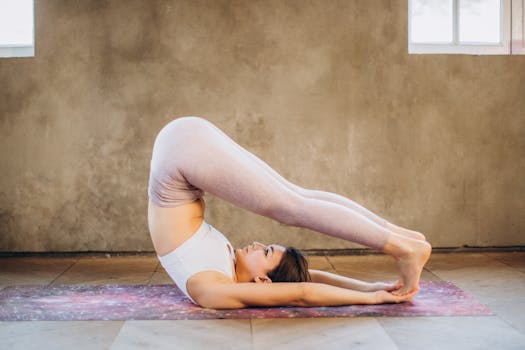 Photo: Elina Fairytale / Pexels
The difference a high-quality yoga mat makes to your practice is profound, extending far beyond mere comfort. It's about safety, stability, focus, and ultimately, the depth of your connection to the practice itself. When you invest in premium yoga mats for sale, you're not just buying a piece of equipment; you're acquiring a tool that actively supports your growth and prevents potential setbacks. This investment pays dividends in enhanced performance, increased confidence, and a more fulfilling yoga experience.
One of the most immediate and critical benefits of a quality mat is superior grip. Slipping during a pose is not only distracting but can also lead to injury. A high-traction mat, often made from natural rubber or specialized TPE, provides a stable foundation, allowing you to hold poses with confidence and explore deeper stretches without fear of losing your footing. This improved grip is especially vital in dynamic styles like Vinyasa or during hot yoga sessions where sweat can make surfaces treacherous. With a reliable grip, your energy can be directed towards alignment and breath, rather than constantly adjusting your position or worrying about stability. This focus can significantly deepen your practice, allowing for greater mindfulness and presence.
Cushioning is another hallmark of a quality mat. While some prefer a thinner mat for direct ground feel, adequate cushioning is essential for protecting joints, especially the knees, wrists, and hips, during floor poses or transitions. A mat with appropriate density and thickness absorbs impact, reducing strain and making your practice more comfortable and sustainable over time. This is particularly beneficial for individuals with sensitive joints or those practicing on hard surfaces. The right balance of cushioning and stability ensures that you can practice longer and more comfortably, fostering consistency and progress.
Discover how proper fitness gear can revolutionize your workouts.
Durability is also a key indicator of a high-quality mat. Cheaper mats tend to wear out quickly, losing their grip, tearing, or developing indentations. A well-made mat, however, can withstand years of regular use, maintaining its integrity, grip, and cushioning. This longevity means you won't have to replace your mat frequently, making it a more economical and environmentally friendly choice in the long run. Moreover, many premium mats are designed with eco-friendly materials and sustainable manufacturing processes, reflecting a commitment to both the practitioner and the planet. These mats often resist odors and are easier to clean, contributing to a more hygienic practice environment.
Finally, the aesthetic and tactile experience of a premium mat can significantly enhance your motivation and enjoyment. The look, feel, and even the subtle scent of a well-crafted mat can create a more inviting and inspiring space for your practice. When you feel good about your equipment, you're more likely to show up on your mat consistently. Ultimately, choosing a high-quality yoga mat for sale is an investment in your physical well-being, mental clarity, and the sustained joy of your yoga journey. It empowers you to explore your limits safely and deeply, transforming your practice from the ground up.
Common Mistakes to Avoid When Buying Yoga Mats for Sale & Essential Care Tips
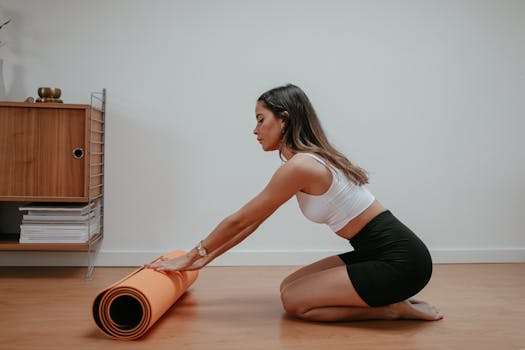 Photo: Cup of Couple / Pexels
When you're sifting through the many yoga mats for sale, it's easy to fall into common traps that can lead to dissatisfaction or even injury. Avoiding these pitfalls can save you time, money, and frustration, ensuring you pick a mat that truly serves your practice. Equally important is knowing how to care for your new mat, as proper maintenance extends its lifespan and preserves its performance.
**Mistakes to Avoid:**
* **Ignoring Grip Requirements:** Many beginners opt for aesthetics or price without considering grip. If you sweat a lot, a smooth PVC mat might become a dangerous slip-and-slide. Always prioritize a mat's traction, especially if you practice hot yoga or find yourself slipping in downward dog. Look for materials like natural rubber or specialized textured surfaces designed for enhanced grip.
* **Underestimating Thickness Needs:** A super thin travel mat might be great for portability, but it offers minimal cushioning for joints. Conversely, an overly thick mat can make balancing poses challenging by reducing your connection to the floor. Assess your body's needs and your primary yoga style to find the right balance between cushioning and stability.
* **Overlooking Material Composition:** Some materials, like certain types of PVC, can have a strong initial odor (off-gassing) and are not environmentally friendly. If sustainability is important to you, or if you're sensitive to smells, research eco-friendly alternatives like natural rubber, TPE, or jute mats. Always check if the mat is latex-free if you have allergies.
* **Skipping Reviews and Research:** Don't just pick the first mat you see. Read reviews from other yogis, compare different brands and models, and understand what makes a mat suitable for various practices. User experiences often highlight real-world performance aspects that specifications alone might not convey.
* **Neglecting Portability (If Applicable):** If you plan to travel frequently with your mat or commute to a studio, its weight and ease of folding/rolling are crucial. A heavy, bulky mat can quickly become a burden, discouraging you from bringing it along. Consider lightweight or foldable travel mats for on-the-go convenience.
**Essential Yoga Mat Care Tips:**
* **Clean Regularly:** Wipe down your mat after each use, especially if you sweat. A simple solution of water and a few drops of mild soap or a specialized mat cleaner works wonders. For open-cell mats, a deeper clean might be needed periodically to prevent odor buildup.
* **Air Dry Completely:** Never roll up a wet mat. Allow it to air dry fully before storing to prevent mildew and unpleasant smells. Hang it over a shower rod or lay it flat.
* **Store Properly:** Store your mat rolled up, not folded, to prevent creases and damage to the material. Keep it out of direct sunlight, which can degrade certain materials like rubber over time.
* **Avoid Harsh Chemicals:** Do not use harsh cleaning agents, essential oils directly on the mat (unless specified by the manufacturer), or abrasive brushes, as these can break down the mat's material and compromise its grip.
* **Rotate Your Mat:** If you consistently practice on one side or in one area of your mat, consider rotating it periodically to distribute wear evenly and extend its life. By avoiding these common mistakes and adhering to simple care routines, you can ensure that your investment in yoga mats for sale continues to support a joyful and safe practice for years to come.