✓ A strong core improves balance, stability, and athletic performance.
✓ Many effective core exercises require no equipment and can be done anywhere.
✓ Consistency is key for visible results and long-term core strength.
✓ Proper form prevents injury and maximizes exercise effectiveness.
How It Works
1
Understand Your Core
Learn about the different muscle groups that constitute your core, beyond just the 'six-pack' abs. This foundational knowledge helps in targeting exercises effectively and understanding their benefits.
2
Master Fundamental Movements
Start with basic core exercises like planks and crunches, focusing on perfect form before progressing. Building a solid base is crucial for developing advanced core strength and avoiding injury.
3
Build a Balanced Routine
Incorporate exercises that target all areas of your core: rectus abdominis, obliques, and transverse abdominis. A well-rounded routine ensures comprehensive strength and functional fitness.
4
Progress and Adapt
Gradually increase the intensity, duration, or complexity of your core workouts as you get stronger. Listen to your body and adjust your routine to continue challenging yourself without overtraining.
Understanding Your Core: More Than Just Abs
Photo: Los Muertos Crew / Pexels
When most people think of core exercises, their minds immediately jump to endless crunches in pursuit of a visible six-pack. However, the core is a far more complex and vital group of muscles that extends well beyond the rectus abdominis, the muscle responsible for that coveted aesthetic. Your core is essentially the body's powerhouse, a muscular corset that stabilizes your spine, pelvis, and torso. It includes the deep transverse abdominis, which acts like a natural weightlifting belt; the internal and external obliques, responsible for twisting and side-bending movements; the erector spinae, which run along your spine and help with extension; and even muscles in your hips and glutes that contribute to core stability. Understanding these interconnected muscle groups is the first crucial step to designing truly effective core exercises at home.
Why is a strong core so important? Its benefits permeate nearly every aspect of your physical well-being. A robust core provides a stable base for all movements, from lifting groceries to swinging a golf club. It dramatically improves posture, helping to alleviate and prevent common back pain by supporting the spine. Athletes rely on a strong core for power transfer, balance, and injury prevention in their respective sports. Even everyday activities become easier and safer with a well-conditioned core. For instance, standing for long periods or simply walking across a room requires constant, subtle engagement of these muscles. Neglecting your core can lead to muscular imbalances, poor posture, increased risk of injury, and chronic pain, particularly in the lower back. Therefore, approaching core training with a holistic understanding of its components and functions is paramount. This foundational knowledge will guide you in selecting exercises that don't just look good, but truly make you feel better and perform optimally. We'll delve into how to engage these deeper muscles effectively without needing any specialized equipment, making your at-home workouts just as impactful as those in a gym setting. By focusing on proper activation and a variety of movements, you can build a resilient core that serves you in all facets of life.
Building a Foundational Home Core Workout Routine
Photo: Gustavo Fring / Pexels
Embarking on a journey to strengthen your core at home doesn't require a gym membership or expensive equipment. All you need is a clear space, your body weight, and a commitment to consistency. The key to building a strong foundation lies in mastering fundamental movements with impeccable form. Let's explore some of the most effective core exercises at home that are perfect for beginners and can be scaled for more advanced individuals.
**Plank:** The plank is a cornerstone of core training, engaging the entire core musculature, including the transverse abdominis, rectus abdominis, obliques, and even the glutes and shoulders. To perform a perfect plank, start in a push-up position, then lower onto your forearms, keeping your body in a straight line from head to heels. Avoid letting your hips sag or pike up. Hold this position, focusing on bracing your core as if preparing for a punch. Start with 30-second holds and gradually increase duration.
**Bird-Dog:** This exercise is excellent for improving core stability and coordination, particularly targeting the erector spinae and glutes, while also engaging the deep core stabilizers. Begin on all fours, hands directly under shoulders, knees under hips. Slowly extend your right arm forward and your left leg straight back, keeping your core tight and hips level. Hold for a moment, then return to the starting position and repeat on the opposite side. Aim for 10-12 repetitions per side.
**Dead Bug:** Don't let the name fool you; the dead bug is a powerful exercise for engaging the transverse abdominis without putting strain on the lower back. Lie on your back with knees bent at 90 degrees, shins parallel to the floor, and arms extended towards the ceiling. Slowly lower your right arm towards the floor behind your head and your left leg straight towards the floor, keeping your lower back pressed into the mat. Return to the start and alternate sides. Focus on controlled movements and maintaining core engagement.
**Crunches (Modified):** While often criticized, crunches can be effective when done correctly and in moderation. Lie on your back, knees bent, feet flat on the floor. Place your hands lightly behind your head or crossed over your chest. Engage your core to lift your head and shoulders off the floor, focusing on contracting your abs, not pulling with your neck. Lower slowly. For a more beginner-friendly version, perform pelvic tilts or abdominal hollowing first to learn core engagement.
**Side Plank:** To target the obliques and improve lateral core stability, the side plank is indispensable. Lie on your side, propped up on one forearm, elbow directly under shoulder. Stack your feet or place one in front of the other. Lift your hips off the floor, forming a straight line from head to heels. Hold for 20-30 seconds per side. These foundational exercises, when performed consistently with proper form, will build a robust core, preparing you for more advanced movements and enhancing your overall physical well-being. Remember to breathe deeply throughout each exercise and prioritize quality over quantity.
Progressing Your Core Strength: Advanced At-Home Techniques
Photo: Alexa Popovich / Pexels
Once you've mastered the foundational core exercises and can perform them with excellent form and endurance, it's time to introduce variations and more challenging movements to continue building strength and preventing plateaus. Progression is key to sustained improvement in your fitness journey, and your core is no exception. These advanced effective core exercises at home will further engage your abdominal muscles, obliques, and stabilizers, pushing your limits without needing any specialized equipment.
**Russian Twists (Bodyweight):** While often done with a weight, bodyweight Russian twists are excellent for targeting the obliques. Sit on the floor with knees bent and feet flat. Lean back slightly, engaging your core, and lift your feet off the floor. Clasp your hands together or extend them forward. Twist your torso from side to side, bringing your hands towards the floor on each side. Maintain a controlled movement and avoid using momentum. Aim for 15-20 twists per side.
**Leg Raises:** This exercise effectively targets the lower abdominal muscles. Lie on your back, hands under your glutes for lower back support (optional). Keep your legs straight and slowly lower them towards the floor without letting your lower back arch. Stop just before your feet touch the ground, or as low as you can go while maintaining a flat back, then slowly raise them back up. For an added challenge, perform these with slightly bent knees or pause at the bottom.
**Hollow Body Hold:** A staple in gymnastics, the hollow body hold is incredibly effective for full-body core engagement. Lie on your back, arms extended overhead, legs straight. Lift your head, shoulders, and legs slightly off the floor, creating a 'banana' shape. Your lower back should be pressed firmly into the floor. Hold this position, feeling the tension throughout your core. Start with 15-20 second holds and build up.
**Mountain Climbers:** This dynamic exercise not only challenges your core but also elevates your heart rate, making it a great cardio-core hybrid. Start in a high plank position. Alternately bring one knee towards your chest, then quickly switch legs as if running in place. Keep your hips stable and avoid letting them bounce up and down. Focus on a strong, engaged core throughout the movement.
**V-Ups:** For a significant challenge to your entire rectus abdominis, V-ups are a fantastic choice. Lie flat on your back, arms extended overhead. Simultaneously lift your torso and legs towards each other, trying to touch your toes (or shins) with your hands, forming a 'V' shape. Control the descent back to the starting position. If full V-ups are too challenging, start with tuck-ups (bringing knees to chest) or alternating single-leg V-ups. Incorporating these advanced movements will ensure your core continues to adapt and strengthen, leading to greater stability, power, and overall functional fitness.
Common Core Exercise Mistakes and How to Avoid Them
Photo: ShotPot / Pexels
Even with the best intentions, it's easy to fall into common traps when performing core exercises at home. Recognizing and correcting these mistakes is crucial for maximizing effectiveness, preventing injury, and ensuring your efforts yield the desired results.
**1. Rushing Through Movements:** One of the most prevalent errors is sacrificing control for speed. Core exercises are about controlled muscle contraction, not momentum.
* **Correction:** Slow down. Focus on the mind-muscle connection. Each repetition should be deliberate, feeling the muscles work through the entire range of motion. For example, during a crunch, focus on slowly lifting and slowly lowering, rather than just 'bouncing' up and down.
**2. Arching the Lower Back:** This is a common mistake, especially in exercises like planks, leg raises, or hollow body holds. It places undue stress on the lumbar spine and reduces core engagement.
* **Correction:** Actively brace your core and imagine pressing your lower back into the floor or keeping it flat in a plank. For leg raises, don't lower your legs so far that your back arches. If necessary, place your hands under your lower back for support, or start with bent-knee variations.
**3. Holding Your Breath:** Many people unconsciously hold their breath during strenuous core exercises, which can increase blood pressure and reduce oxygen flow to muscles.
* **Correction:** Practice controlled breathing. Exhale on exertion (the hardest part of the movement) and inhale on the release. For example, exhale as you crunch up, inhale as you lower.
**4. Relying on Neck or Hip Flexors:** In exercises like crunches, people often pull on their neck, leading to strain. In leg raises, the hip flexors can take over if the core isn't properly engaged.
* **Correction:** For crunches, keep your gaze towards the ceiling and place hands lightly behind your head (not pulling). For leg raises, ensure your core is actively braced before initiating the movement. If you feel it more in your hips than your abs, your core isn't engaged enough.
**5. Neglecting All Core Muscles:** Focusing solely on the 'six-pack' muscles (rectus abdominis) and ignoring obliques, transverse abdominis, and lower back muscles leads to an unbalanced core.
* **Correction:** Incorporate a variety of exercises that target all aspects of your core: planks for transverse abdominis, side planks and Russian twists for obliques, and bird-dogs for the back extensors and overall stability. A holistic approach ensures comprehensive strength and functional fitness.
**6. Overtraining or Undertraining:** Too much core work without adequate rest can lead to fatigue and injury, while too little won't yield results.
* **Correction:** Aim for 3-4 core workouts per week, allowing a day of rest in between. Listen to your body; if you're sore, give yourself more time to recover.
By being mindful of these common pitfalls and actively implementing the corrections, you can significantly enhance the effectiveness of your at-home core workouts and build a truly strong, resilient core.
Comparison
Feature
Plank
Dead Bug
Russian Twist (BW)
Hollow Body Hold
Equipment Needed
None
None
None
None
Primary Focus
Overall Core Stability
Deep Core & Stability
Obliques & Rotation
Full Core Engagement
Beginner Friendly
✓
✓
✗ (requires control)
✗ (requires control)
Low Back Friendly
✓ (with proper form)
✓
✓ (if controlled)
✓ (if controlled)
What Readers Say
★★★★★
"This guide transformed my core routine! I used to just do crunches, but now I understand the full scope of core muscles and how to target them effectively at home. My posture has improved dramatically."
Sarah J. · Austin, TX
★★★★★
"As someone with a busy schedule, finding effective core exercises at home that require no equipment was a game-changer. The progression tips were incredibly helpful, allowing me to build strength steadily."
Mark D. · Denver, CO
★★★★★
"I've been dealing with lower back pain for years. After consistently following the advice and exercises from this article for two months, my back pain has significantly reduced. It's truly amazing what a strong core can do!"
Emily R. · Seattle, WA
★★★★★
"The article provided a solid foundation for my at-home core workouts. While I appreciated the comprehensive breakdown, I would have loved a few more dynamic exercises for a cardio boost within the core section."
David L. · Miami, FL
★★★★★
"I used to think I needed fancy gym machines for a strong core. This guide proved me wrong. The detailed explanations and focus on form for effective core exercises at home helped me achieve results I never thought possible without a gym."
Jessica M. · Chicago, IL
Frequently Asked Questions
What are the most effective core exercises at home for beginners?
For beginners, the most effective core exercises at home include planks, bird-dogs, dead bugs, and modified crunches. These movements focus on engaging the deep core muscles and building foundational stability, which is crucial before progressing to more challenging exercises. Always prioritize proper form over the number of repetitions or duration.
Do I need any equipment for effective core exercises at home?
No, you absolutely do not need any special equipment for effective core exercises at home. The vast majority of highly beneficial core movements can be performed using just your body weight and a comfortable floor space. A yoga mat can be helpful for comfort, but it's not strictly necessary.
How often should I do core exercises at home?
For optimal results, aim to perform core exercises at home 3-4 times per week, allowing for a day of rest in between sessions. This frequency provides enough stimulus for muscle growth and strengthening while also allowing adequate time for recovery. Listen to your body and adjust as needed.
How long should an effective at-home core workout last?
An effective at-home core workout doesn't need to be long. You can achieve significant results with just 15-20 minutes of focused core work. The key is consistency and quality of movement, rather than prolonged duration. Perform 2-3 sets of 10-15 repetitions or 30-60 second holds for each exercise.
Are crunches still considered effective for core strength?
While crunches have received some criticism, they can still be effective for targeting the rectus abdominis (the 'six-pack' muscle) when performed with proper form. However, a well-rounded core routine should include exercises that also engage the obliques, transverse abdominis, and lower back muscles for comprehensive strength and stability, as crunches alone are not enough.
Who should prioritize effective core exercises at home?
Everyone can benefit from prioritizing effective core exercises at home! This includes individuals looking to improve posture, reduce back pain, enhance athletic performance, or simply build a stronger, more stable body for everyday activities. From office workers to athletes, a strong core is foundational to physical health.
Can core exercises help with back pain?
Yes, absolutely. A strong and well-balanced core is one of the most effective ways to prevent and alleviate lower back pain. By providing better support for your spine and improving posture, core exercises reduce the strain on your back muscles. Always consult a doctor or physical therapist if you have severe or persistent back pain.
What's the next trend in at-home core fitness?
The trend in at-home core fitness is moving towards functional movement patterns and integrating core work into full-body routines, often leveraging virtual classes and AI-powered feedback. Focus will remain on holistic core engagement beyond just aesthetics, emphasizing stability, injury prevention, and performance enhancement through accessible, no-equipment options.
Ready to transform your fitness journey from the comfort of your home? Embrace these effective core exercises at home and unlock a stronger, more stable, and pain-free you. Start today and feel the difference a powerful core makes in every aspect of your life!
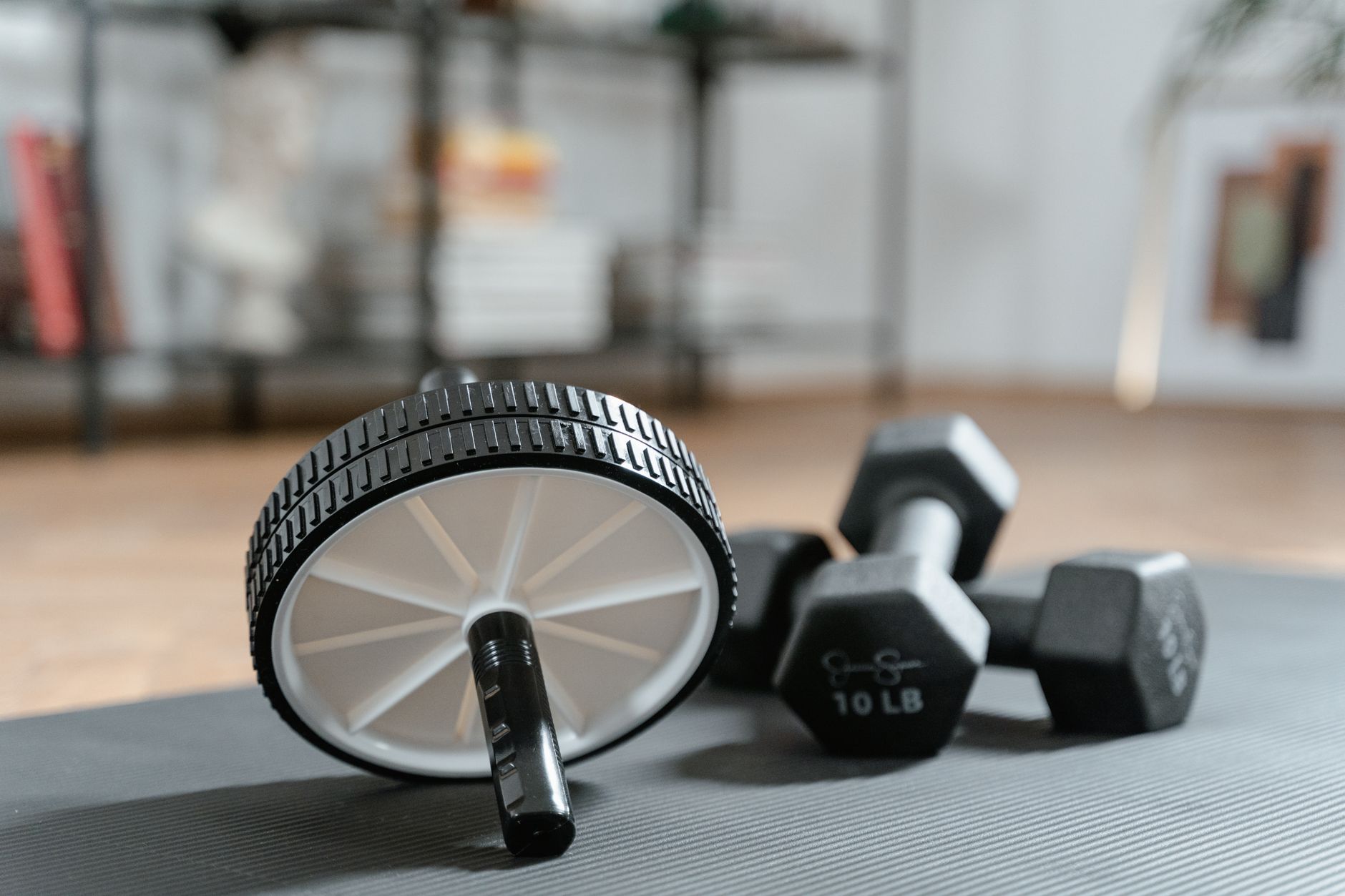
 Photo: Los Muertos Crew / Pexels
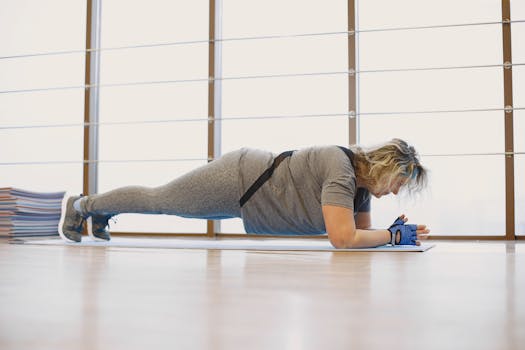 Photo: Gustavo Fring / Pexels
 Photo: Alexa Popovich / Pexels
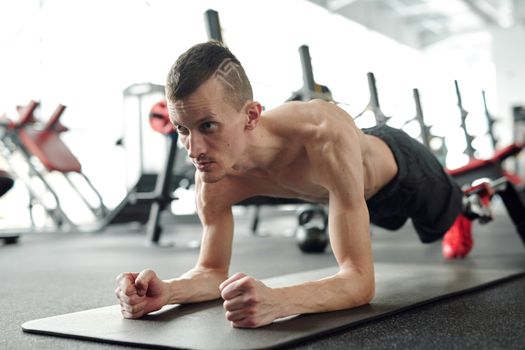 Photo: ShotPot / Pexels