Healthy Meal Prep Ideas for Beginners: Your Ultimate Guide
healthy meal prep ideas for beginners

Healthy Meal Prep Ideas for Beginners: Your Ultimate Guide

Unlock the secrets to efficient, nutritious meal planning and preparation, transforming your health journey with ease.

Start Prepping Now

Key Takeaways

  • ✓ Meal prepping saves time and money, reducing daily cooking stress.
  • ✓ Focus on balanced macros: lean protein, complex carbs, healthy fats, and ample vegetables.
  • ✓ Start simple with 1-2 meals per week before scaling up.
  • ✓ Proper storage is crucial for food safety and freshness.

How It Works

1
Plan Your Meals

Decide which meals you want to prep (breakfast, lunch, dinner, snacks) and for how many days. Choose recipes that are simple and use similar ingredients to streamline your grocery list.

2
Shop Smart

Create a detailed grocery list based on your chosen recipes. Stick to the list to avoid impulse buys and ensure you have all necessary ingredients for your prep session.

3
Prep & Cook

Dedicate a block of time, typically 2-3 hours, to chop vegetables, cook grains, and prepare proteins. Cook in batches and use efficient methods like roasting or slow cooking.

4
Portion & Store

Divide your cooked food into individual portions using airtight containers. Label containers with the meal and date to ensure proper rotation and freshness throughout the week.

Understanding the 'Why' Behind Healthy Meal Prep for Beginners
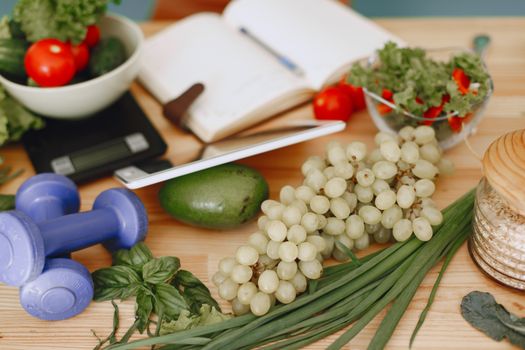
A vibrant composition of fruits, vegetables, and fitness items promoting a healthy lifestyle. Photo: Gustavo Fring / Pexels
Embarking on a journey towards healthier eating can feel daunting, especially when juggling a busy schedule. This is precisely where healthy meal prep ideas for beginners become a game-changer. It's not just about cooking in advance; it's a strategic lifestyle shift that empowers you to take control of your nutrition, time, and even your finances. For many, the biggest hurdle to consistent healthy eating is the lack of time or the sheer mental fatigue of deciding what to eat every single day. Imagine coming home after a long day, tired and hungry, only to find a delicious, nutritious meal already prepared and waiting. That's the promise of meal prep. Beyond convenience, meal prepping offers profound benefits for your health. When you plan your meals, you're consciously making choices that align with your dietary goals, whether that's weight management, increased energy, or simply better overall well-being. This proactive approach significantly reduces the likelihood of resorting to unhealthy takeout or highly processed foods when hunger strikes and time is short. It allows for precise portion control, helping you avoid overeating and ensuring you get a balanced intake of macronutrients – proteins, carbohydrates, and healthy fats – essential for optimal body function and fitness. For those focusing on fitness, understanding your macro intake is paramount for muscle recovery and growth. Learn more about nutrition for fitness. Financially, meal prepping is a savvy move. Eating out, even occasionally, adds up quickly. By buying ingredients in bulk and cooking at home, you drastically cut down on restaurant expenses. You also minimize food waste, as you're purchasing with a specific plan in mind, ensuring most ingredients are used efficiently. This economic advantage often surprises beginners, making the initial investment of time even more worthwhile. The initial learning curve, like any new skill, might seem steep, but the long-term rewards in terms of health, time, and money are undeniable. This foundational understanding of why meal prep is so beneficial is the first step towards embracing it as a sustainable part of your healthy lifestyle. It transforms the often-stressful question of 'what's for dinner?' into an easy, pre-planned decision, freeing up mental space for other priorities.

Essential Tools and Foundational Steps for Beginner Meal Preppers
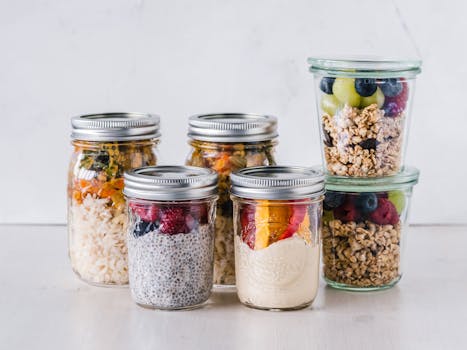
Close-up of healthy food jars containing granola, fruits, and yogurt. Photo: Ella Olsson / Pexels
Before diving into healthy meal prep ideas for beginners, setting yourself up with the right tools and understanding the foundational steps is crucial for success. You don't need a professional kitchen, but a few key items will make your prepping journey much smoother and more enjoyable. First and foremost, invest in good quality, airtight food storage containers. Glass containers are excellent as they are microwave-safe, durable, and don't absorb food odors or stains, but BPA-free plastic containers are also a cost-effective and lightweight option. Having a variety of sizes is helpful for different meal components and snacks. Next, a sharp chef's knife and a sturdy cutting board will significantly speed up your chopping and dicing. Consider a food processor for larger batches of vegetables or making sauces if you plan to prep regularly. Other useful items include measuring cups and spoons, a large baking sheet, and perhaps a slow cooker or instant pot for hands-off cooking. Once your kitchen is equipped, the foundational steps begin with planning. This isn't just about picking recipes; it's about understanding your week. Look at your schedule: Which days are busiest? When do you typically struggle to make healthy choices? Identify 1-2 meals (e.g., lunch for workdays, or dinners for the first half of the week) to start with. Don't try to prep every single meal for the entire week from day one, as this can lead to burnout. Start small, build confidence, and then gradually expand. When selecting recipes, opt for those with similar ingredients or cooking methods to minimize grocery shopping and cooking time. Batch cooking components like roasted vegetables, cooked grains (quinoa, brown rice), and lean proteins (chicken breast, ground turkey, lentils) is a highly efficient strategy. These components can then be mixed and matched throughout the week to create varied meals without extra cooking. After planning and shopping, dedicate a specific time slot for your prep session. Many find Sunday afternoons ideal, but any block of 2-3 hours works. Put on some music, gather all your ingredients, and get to work. Focus on efficiency: while one item is roasting in the oven, chop vegetables for another dish. Cook grains on the stovetop while proteins are simmering. Once everything is cooked, allow it to cool completely before portioning into your airtight containers. This cooling step is vital for food safety, preventing condensation that can lead to spoilage. Labeling containers with the meal and date will help you keep track and ensure you consume meals within 3-4 days for optimal freshness. By mastering these foundational steps and utilizing the right tools, you'll establish a sustainable and effective meal prep routine that supports your healthy eating goals.

Delicious and Diverse Healthy Meal Prep Ideas for Beginners
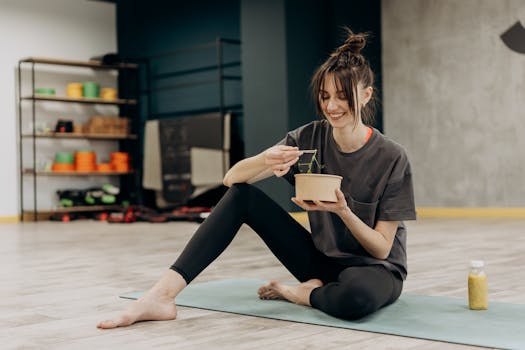
Young woman enjoying a healthy salad after exercising indoors. Promotes a balanced diet and fitness lifestyle. Photo: Mikhail Nilov / Pexels
Now for the exciting part: diving into actual healthy meal prep ideas for beginners! The key here is simplicity, versatility, and flavor. You want meals that are easy to assemble, hold up well in the fridge, and taste great throughout the week. Let's break down some fantastic options for different meal types. For breakfast, overnight oats are a classic for a reason. They require no cooking and can be customized endlessly. Combine rolled oats, milk (dairy or non-dairy), chia seeds, and a sweetener (maple syrup, honey) in a jar. In the morning, add fresh fruit, nuts, or a dollop of Greek yogurt. Another great option is baked egg muffins. Whisk eggs with your favorite chopped veggies (spinach, bell peppers, onions) and a sprinkle of cheese, pour into muffin tins, and bake until set. These are perfect for grab-and-go breakfasts and can be reheated in seconds. For something heartier, prep a batch of breakfast burritos: scramble eggs, cook some black beans and a lean protein like turkey sausage, add some salsa, and wrap in whole wheat tortillas. These can be frozen and reheated. Lunch and dinner ideas can often overlap, focusing on a balanced plate. A popular and easy method is the 'bowl' concept. Cook a large batch of a whole grain like quinoa or brown rice. Roast a tray of mixed vegetables such as broccoli, sweet potatoes, and bell peppers. Cook a lean protein like baked chicken breast, grilled salmon, or a hearty vegetarian option like roasted chickpeas or black bean burgers. Then, for each meal, combine a portion of grain, veggies, and protein, adding a healthy fat like avocado or a simple vinaigrette. This mix-and-match approach prevents meal fatigue. Another excellent option is a big batch of soup or chili. Recipes like lentil soup, turkey chili, or minestrone are incredibly forgiving, taste even better the next day, and freeze beautifully for future meals. Explore more high-protein recipes for muscle building. Salads can also be prepped, but with a trick: keep the dressing separate until serving to prevent soggy greens. Layer your salad in a jar: dressing at the bottom, then hard vegetables (carrots, cucumbers), grains, protein, softer vegetables, and finally lettuce on top. When ready to eat, just shake it up into a bowl. For snacks, portion out raw veggies with hummus, hard-boiled eggs, mixed nuts, or fruit slices. The goal is to make healthy eating the path of least resistance. By incorporating these diverse and delicious healthy meal prep ideas, beginners can effortlessly transition into a consistent, nourishing eating routine without feeling overwhelmed or bored.

Avoiding Common Pitfalls and Advanced Tips for Sustainable Prepping
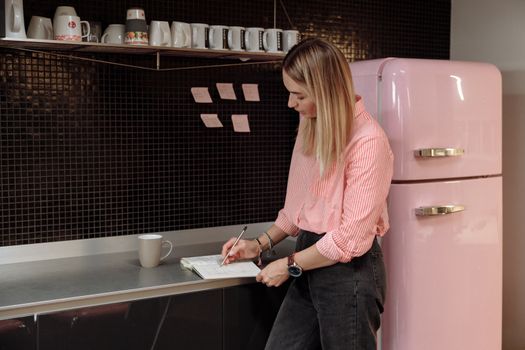
Caucasian woman standing beside pink refrigerator taking notes in a modern kitchen. Photo: Thirdman / Pexels
Even with the best intentions and the most delicious healthy meal prep ideas for beginners, it's easy to fall into common traps. Being aware of these pitfalls and adopting some advanced strategies can ensure your meal prep journey is sustainable and enjoyable. One major mistake is over-prepping. Trying to cook every single meal for seven days right from the start can be overwhelming and lead to food waste if you get tired of the meals or they don't last. Start small, perhaps 3-4 days of lunches, and gradually increase as you gain confidence and efficiency. Another pitfall is repetitive meals. Eating the same chicken and broccoli every day can quickly lead to 'prep fatigue.' Combat this by varying your proteins, grains, and vegetables, or by preparing components that can be mixed and matched into different meals, as discussed earlier. Different sauces and seasonings can also dramatically change the flavor profile of the same base ingredients. Food safety is paramount. Always ensure cooked food cools completely before refrigerating to prevent bacterial growth. Store meals in airtight containers and consume them within 3-4 days. If you're prepping for longer, consider freezing portions immediately after they cool. Labeling is your friend here – knowing exactly what's in each container and when it was made prevents guesswork. Don't forget about variety in nutrients; ensure your prepped meals include a good balance of lean protein, complex carbohydrates, healthy fats, and plenty of fiber-rich vegetables. Here are some advanced tips to elevate your meal prep game: * **Theme Your Prep Days:** Dedicate one day to cooking proteins, another to chopping veggies, and a third to assembling. Or, assign themes like 'Sheet Pan Sunday' for easy roasted meals. * **Utilize Your Freezer:** Many meals, like soups, stews, chili, cooked grains, and even some baked goods, freeze beautifully. This extends the life of your prep and provides quick options for busier weeks. * **Embrace 'Cook Once, Eat Twice':** When making dinner, double the recipe and portion out the leftovers for lunch the next day. This is a simple form of meal prep that requires minimal extra effort. * **Invest in a Good Thermometer:** Ensure proteins are cooked to safe internal temperatures for food safety. * **Season Generously:** Don't be afraid to experiment with herbs, spices, and different marinades to keep flavors exciting. A bland meal prep is a quick way to lose motivation. * **Keep a Running Grocery List:** As you use ingredients, add them to a list for your next shopping trip. This saves time and ensures you don't forget essentials. Regularly reviewing your meal prep routine and adjusting it to fit your evolving tastes and schedule will make it a sustainable habit for long-term health and wellness.

Comparison

FeatureBest OptionAlternative 1Alternative 2
Time SavingsExcellentGoodModerate
Cost EffectivenessExcellentGoodModerate
Nutritional ControlExcellentGoodModerate
Variety PotentialHighMediumLow
Effort RequiredModerate (initial)Low (daily)High (daily)

What Readers Say

"These healthy meal prep ideas for beginners completely changed my week! I used to dread cooking every night, but now I have delicious, nutritious meals ready to go. My energy levels are up, and I'm saving so much money."

Sarah J. · Austin, TX

"As a busy professional, I struggled with eating healthy consistently. This guide made meal prepping so simple and approachable. The tips on batch cooking components were especially helpful for keeping things varied."

Mark D. · Chicago, IL

"Following these beginner meal prep strategies, I've lost 5 pounds in a month without feeling deprived. Having healthy options always available truly makes a difference in achieving fitness goals."

Jessica L. · Miami, FL

"Great practical advice for getting started. I found the section on avoiding pitfalls particularly useful. While it still takes some time on the weekend, the benefits during the week are definitely worth it."

David R. · Seattle, WA

"My family loves the variety of healthy meal prep ideas. Even my picky eater enjoys the baked egg muffins. It's made our weeknights much less stressful and our meals much healthier."

Emily P. · Denver, CO

Frequently Asked Questions

What are the easiest healthy meal prep ideas for beginners?

For beginners, focus on simple, component-based prepping. Cook a large batch of a grain (quinoa, brown rice), a lean protein (baked chicken, roasted chickpeas), and roasted vegetables. These can then be combined in various ways throughout the week for different meals, requiring minimal cooking effort each day.

How long do meal-prepped meals typically last in the fridge?

Most properly stored, cooked meal-prepped meals will last 3-4 days in the refrigerator. Foods like fish or ground meats might be best consumed within 2-3 days. Always ensure meals are cooled completely before refrigeration and stored in airtight containers to maximize freshness and safety.

What equipment do I need to start meal prepping?

You don't need much to start! Essential equipment includes airtight food storage containers (glass or BPA-free plastic), a good chef's knife, a sturdy cutting board, and basic cooking tools like baking sheets and pots. A slow cooker or Instant Pot can be helpful but isn't necessary for beginners.

Is meal prepping expensive?

Meal prepping can actually save you money in the long run. While there's an initial investment in groceries, buying in bulk and cooking at home is significantly cheaper than eating out or buying convenience foods daily. It also reduces food waste, further cutting down on costs.

How does meal prepping compare to daily cooking for health goals?

Meal prepping offers superior control over ingredients, portion sizes, and nutritional content compared to daily, spontaneous cooking. This control makes it easier to consistently meet health goals like weight management, muscle gain, or reducing processed food intake, as healthy options are always readily available.

Who should consider healthy meal prep ideas for beginners?

Anyone looking to improve their diet, save time and money, reduce stress around meal times, or achieve specific fitness and health goals should consider healthy meal prep. It's particularly beneficial for busy individuals, students, parents, and those on a budget.

Are there any food safety concerns with meal prepping?

Yes, food safety is crucial. Always cook foods to the correct internal temperatures, cool them rapidly (within 2 hours) before refrigerating, and store them in sealed containers. Consume meals within 3-4 days or freeze them. Avoid cross-contamination between raw and cooked foods.

What are the future trends in meal prepping?

Future trends in meal prepping include increased customization and personalization based on dietary needs (e.g., specific macro targets, allergies), more emphasis on sustainable and locally sourced ingredients, and the integration of smart kitchen tech to simplify the planning and cooking process. Convenience will remain a key driver.

Ready to transform your eating habits and reclaim your time? Start implementing these healthy meal prep ideas for beginners today. Your journey to a healthier, more organized lifestyle begins now, making nutritious choices easier than ever before.

Topics: healthy meal prep ideas for beginnerseasy meal prepbeginner meal prepnutritious meal planningfitness meal prep
Leo List
Brampton weed
Adultwork EstrelaBet Vai de Bet R7 Bet Betão Galera Bet Rainbet Bet9ja Shop SportyBet BetKing Sisal Loto Foot Hollywoodbets YesPlay Odibets RushBet Jugabet BetWarrior BetCity MSport betPawa Fortebet