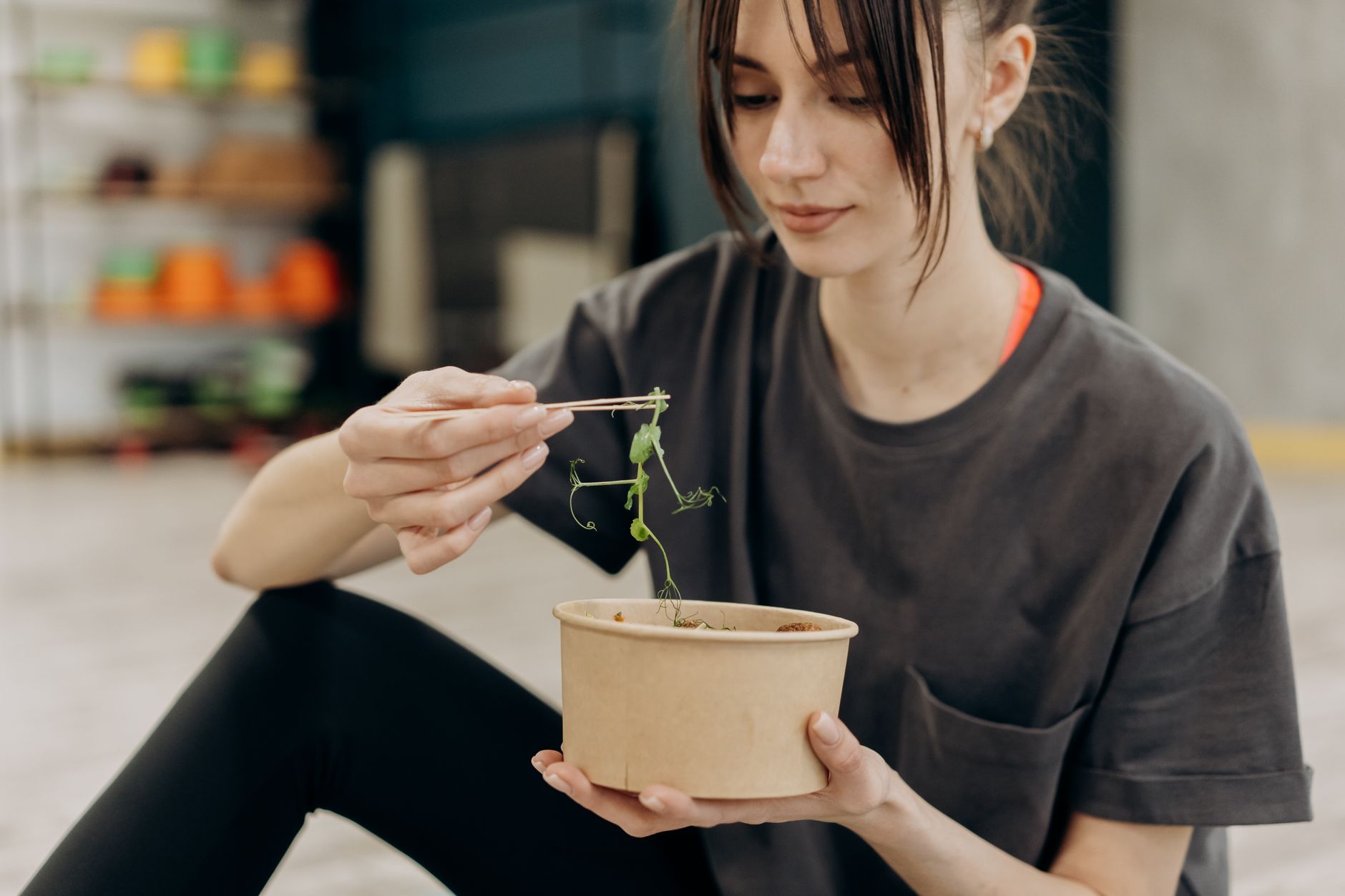
Fuel Your Performance: Healthy Snack Ideas for Athletes
healthy snack ideas for athletes

Fuel Your Performance: Healthy Snack Ideas for Athletes

Unlock peak athletic potential and accelerate recovery with smart, nutrient-dense snack choices designed for active bodies.

Discover Your Fuel

Key Takeaways

  • ✓ Snacks comprise 20-30% of an athlete's daily caloric intake.
  • ✓ Optimal snacking prevents energy dips and improves concentration.
  • ✓ Protein and carbohydrates are crucial for pre- and post-exercise snacks.
  • ✓ Hydration is as important as solid food in snack planning.

How It Works

1
Assess Your Needs

Understand your training intensity, duration, and personal energy requirements. This dictates the type and quantity of snacks needed.

2
Prioritize Macronutrients

Focus on complex carbohydrates for sustained energy, lean proteins for muscle repair, and healthy fats for satiety and overall health.

3
Time Your Intake

Strategically place snacks before, during (if prolonged activity), and after workouts. Timing impacts energy levels and recovery efficiency.

4
Prepare & Diversify

Batch prepare snacks for convenience and incorporate a variety of foods. This ensures a broad spectrum of vitamins and minerals.

Understanding the Athlete's Snacking Imperative: Why It Matters
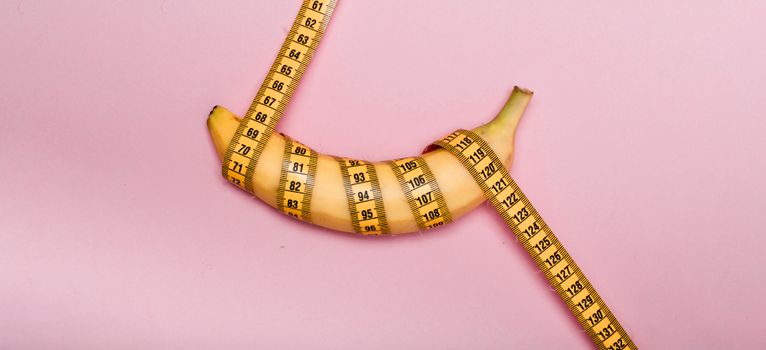
A banana wrapped with measuring tape on a pink background representing measurement or size concept. Photo: Deon Black / Pexels
For athletes, snacking isn't just about staving off hunger; it's a critical component of their overall nutritional strategy, directly impacting performance, recovery, and long-term health. Unlike the general population, who might view snacks as an indulgence, athletes must view them as fuel – strategically timed mini-meals designed to support the intense demands placed on their bodies. The metabolic needs of an athlete are significantly elevated due to rigorous training schedules, demanding higher caloric intake and a constant supply of macronutrients and micronutrients. Skipping snacks or making poor choices can lead to a cascade of negative effects, including diminished energy levels, impaired muscle recovery, increased risk of injury, and a compromised immune system. Firstly, snacks play a pivotal role in maintaining stable blood sugar levels. During prolonged or intense exercise, the body rapidly depletes its glycogen stores, which are the primary source of energy. A well-timed snack, particularly one rich in complex carbohydrates, can top up these stores, preventing the dreaded 'bonk' or sudden energy crash. This sustained energy is vital for maintaining focus, power, and endurance throughout training sessions or competitions. Secondly, snacks are indispensable for muscle repair and growth. Hard training causes micro-tears in muscle fibers. Protein-rich snacks provide the essential amino acids needed to repair these tears, facilitating adaptation and strengthening. Without adequate protein intake spread throughout the day, including through snacks, recovery can be significantly hampered, leading to prolonged soreness and reduced performance in subsequent workouts. Furthermore, snacks offer an excellent opportunity to sneak in vital micronutrients. Fruits, vegetables, nuts, and seeds, often incorporated into healthy snack options, are powerhouses of vitamins, minerals, and antioxidants. These micronutrients are crucial for numerous bodily functions, including immune support, bone health, and reducing oxidative stress caused by intense exercise. An athlete's immune system can be particularly vulnerable after strenuous exertion, making nutrient-dense snacks a frontline defense. Lastly, proper snacking habits contribute to better body composition. By keeping hunger at bay and providing consistent energy, athletes are less likely to overeat during main meals or crave unhealthy, processed foods. This disciplined approach to nutrition helps in maintaining an optimal weight-to-power ratio, which is critical for many sports. Understanding these fundamental principles transforms snacking from a casual habit into a calculated strategy for athletic excellence. For a deeper dive into overall fitness, consider exploring comprehensive fitness guides to complement your nutritional knowledge.

Pre-Workout Power-Ups: Fueling Your Performance Properly
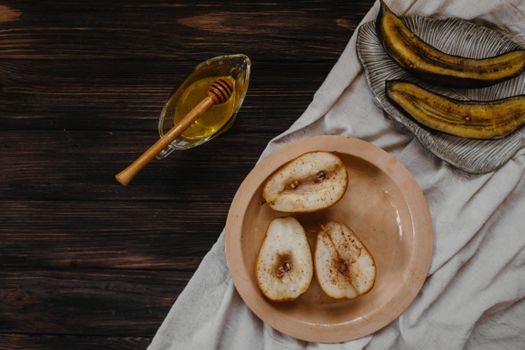
Overhead shot of baked pears and ripe bananas with honey on a wooden table. Photo: Polina ⠀ / Pexels
The right pre-workout snack can make or break a training session or competition. Its primary purpose is to provide readily available energy without causing digestive distress. The ideal pre-workout snack should be rich in easily digestible carbohydrates, moderate in protein, and low in fat and fiber, especially if consumed within an hour of activity. Carbohydrates are the body's preferred fuel source for high-intensity exercise, and consuming them before a workout ensures that glycogen stores are topped up and blood glucose levels are stable. This prevents fatigue and allows athletes to maintain peak performance for longer durations. For snacks consumed 1-2 hours before exercise, good options include a banana with a tablespoon of almond butter, a small bowl of oatmeal with berries, or a slice of whole-wheat toast with a thin layer of avocado. These provide a good balance of complex carbohydrates for sustained energy and a touch of healthy fats or protein for satiety without feeling heavy. If the workout is less than an hour away, focus on very simple, quick-digesting carbohydrates like a piece of fruit (banana, apple slices), a handful of dried fruit, or a small energy gel. The goal here is to provide a quick energy boost without taxing the digestive system. Fats and excessive fiber can slow down digestion, potentially causing discomfort or cramping during exercise, so it's best to limit them immediately before intense activity. Hydration is also a crucial, often overlooked, aspect of pre-workout fueling. While not a 'snack' in the traditional sense, ensuring adequate fluid intake alongside your pre-workout food is paramount. Dehydration can severely impair performance, even before you start sweating. Aim to drink 16-20 ounces of water or a sports drink (if training for over an hour) 2-3 hours before exercise, and another 8-12 ounces 10-15 minutes prior. This proactive approach to hydration, combined with a smart carbohydrate-focused snack, sets the stage for an optimal performance outcome. Remember, individual tolerance varies, so it's essential to experiment during training to find what works best for your body and specific activity.

Post-Workout Recovery Revitalizers: Maximizing Muscle Repair and Replenishment
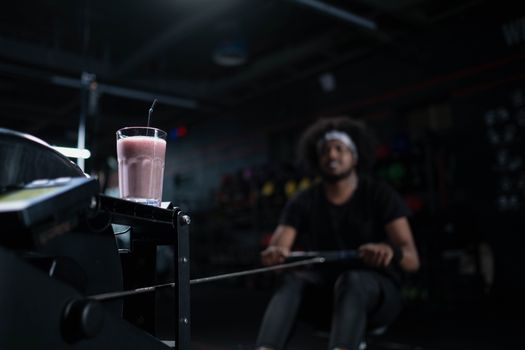
Glass of strawberry smoothie on exercise machine, emphasizing fitness and refreshment in a gym setting. Photo: cottonbro studio / Pexels
The period immediately following exercise, often referred to as the 'anabolic window,' is a critical time for recovery and adaptation. A well-chosen post-workout snack can significantly accelerate muscle repair, replenish glycogen stores, and reduce muscle soreness. The key macronutrients for post-workout recovery are carbohydrates and protein. Carbohydrates are essential for refilling depleted glycogen reserves, which are the primary fuel source for muscles. Without adequate carbohydrate replenishment, subsequent workouts may suffer due to insufficient energy. Protein, on the other hand, provides the amino acids necessary for repairing the micro-damage to muscle fibers that occurs during exercise and stimulating new muscle protein synthesis, leading to muscle growth and strength gains. The ideal post-workout snack should aim for a carbohydrate-to-protein ratio of approximately 3:1 or 4:1, depending on the intensity and duration of the workout. Examples of excellent recovery snacks include Greek yogurt with berries and granola, a smoothie made with protein powder, fruit, and milk (dairy or plant-based), chocolate milk, or a turkey and cheese sandwich on whole-wheat bread. These options provide a rapid influx of both carbohydrates and protein, capitalizing on the body's heightened ability to absorb nutrients post-exercise. Timing is also crucial; aim to consume your recovery snack within 30-60 minutes after finishing your workout to maximize its benefits. Don't forget the importance of rehydration. Exercise leads to fluid and electrolyte loss through sweat. Pairing your recovery snack with water, coconut water, or an electrolyte-rich sports drink is vital to restore fluid balance and support overall recovery. While the focus is often on macronutrients, the micronutrients found in fruits and vegetables also play a role in reducing inflammation and aiding recovery. For example, berries are rich in antioxidants that can help combat exercise-induced oxidative stress. By prioritizing a balanced, timely, and hydrating post-workout snack, athletes can significantly enhance their recovery process, paving the way for consistent performance and long-term athletic development. Further enhance your understanding of recovery by exploring best practices in sports recovery techniques.

Strategic Snacking Throughout the Day: Beyond Pre and Post-Workout
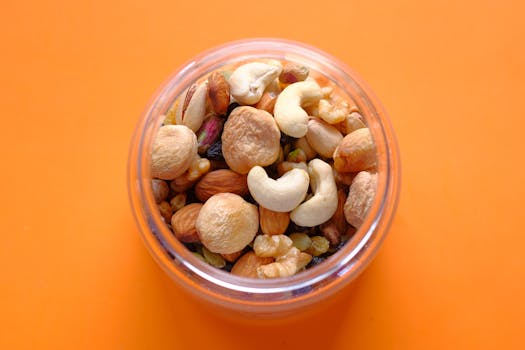
Close-up of a mix of nuts in a clear container against an orange background. Photo: Towfiqu barbhuiya / Pexels
While pre- and post-workout snacks are critical, strategic snacking throughout the entire day is equally important for athletes to maintain energy levels, support metabolic functions, and ensure consistent nutrient delivery. Athletes often have higher caloric and nutritional needs than the general population, making it challenging to meet these requirements through just three main meals. Mid-morning and mid-afternoon snacks can bridge the gap between meals, preventing excessive hunger, stabilizing blood sugar, and providing a steady stream of nutrients. These 'in-between' snacks should typically be balanced, incorporating a mix of complex carbohydrates, lean protein, and healthy fats. This combination provides sustained energy, promotes satiety, and contributes to overall nutrient intake. Examples include: * **Apple slices with peanut butter:** A classic combination offering fiber, healthy fats, and protein. The fiber from the apple aids digestion, while the protein and fat provide lasting energy. * **Hard-boiled eggs:** A convenient and excellent source of high-quality protein, crucial for muscle maintenance and repair. * **Cottage cheese with pineapple:** Cottage cheese is rich in casein protein, a slow-digesting protein perfect for sustained release, paired with the natural sugars and vitamins from pineapple. * **A handful of mixed nuts and seeds:** Provides healthy fats, protein, fiber, and a wide array of micronutrients like magnesium and zinc, essential for athletic performance. * **Whole-grain crackers with hummus:** A good source of complex carbohydrates, plant-based protein, and fiber. * **Edamame (steamed):** A complete plant-based protein, offering fiber and various vitamins. These snacks prevent the energy dips that can lead to poor decision-making or unhealthy food cravings. They also ensure that the body continuously receives the building blocks it needs for repair and adaptation, especially on rest days when recovery is paramount. Integrating these balanced snacks into your daily routine is a proactive step towards optimizing an athlete's nutritional status, supporting peak performance, and fostering long-term health and athletic longevity. Listen to your body's hunger cues, but also proactively plan these snacks to avoid becoming overly hungry, which can lead to less optimal food choices.

Comparison

FeaturePre-Workout SnackPost-Workout SnackAnytime Snack
Primary GoalImmediate EnergyRecovery & RepairSustained Energy & Nutrients
Key MacronutrientsHigh Carbs, Low Fat/FiberCarbs & Protein (3:1/4:1)Balanced Carbs, Protein, Fats
Timing30-120 min before0-60 min afterBetween main meals
ExampleBananaChocolate MilkApple & Peanut Butter
Digestion SpeedFastModerateModerate to Slow

What Readers Say

"This article completely changed my approach to healthy snack ideas for athletes. I used to just grab whatever, but now I understand the science. My energy levels during long runs are so much better, and I recover faster."

Sarah J. · Boulder, CO

"As a competitive cyclist, nutrition is everything. The detailed breakdown of pre- and post-workout snacks here is invaluable. I've noticed a significant reduction in muscle soreness since implementing these tips."

Mark D. · Austin, TX

"Following the advice on healthy snack ideas for athletes from this guide helped me shave 10 minutes off my half-marathon time. Fueling correctly made all the difference in my endurance and final sprint."

Emily R. · Miami, FL

"Great information, especially the anytime snack ideas. Sometimes it's hard to find good options for those in-between meal times. While I still occasionally grab a less-than-ideal snack, this guide helps me make better choices more often."

David S. · Portland, OR

"I'm not an elite athlete, but I train for triathlons. The practical, easy-to-implement healthy snack ideas for athletes provided here are perfect for my busy schedule. I feel more energized and less prone to afternoon slumps."

Jessica L. · Chicago, IL

Frequently Asked Questions

What is the most crucial aspect of healthy snack ideas for athletes?

The most crucial aspect is timing and macronutrient composition. Snacks should be strategically chosen based on when you eat them relative to your activity (pre, post, or between meals) and what your body needs at that moment, typically focusing on carbohydrates for energy and protein for repair.

Can I just eat protein bars for all my athlete snacks?

While protein bars can be convenient, relying solely on them isn't ideal. Whole food snacks offer a broader spectrum of vitamins, minerals, and fiber that many processed bars lack. Use protein bars as a convenient option when whole foods aren't accessible, but prioritize fresh fruits, vegetables, nuts, and dairy.

How do I prepare healthy snacks for athletes on a busy schedule?

Meal prepping is key. Dedicate time once or twice a week to prepare snacks like hard-boiled eggs, chopped veggies with hummus, pre-portioned nuts, or making large batches of energy bites or overnight oats. Store them in grab-and-go containers for easy access.

Are expensive 'athlete-specific' snacks worth the cost?

Often, no. Many basic, affordable whole foods like bananas, oats, Greek yogurt, and eggs offer superior nutritional benefits compared to their expensive, highly processed 'athlete-specific' counterparts. Focus on real food first; specialized products are rarely necessary unless you have very specific dietary needs or limitations.

How do healthy snack ideas for athletes compare to general healthy snacking?

Athlete snacking is more strategic and performance-oriented. While general healthy snacking focuses on nutrient density and hunger management, athlete snacking adds considerations for glycogen replenishment, muscle protein synthesis, and preventing exercise-induced fatigue, often requiring higher caloric and specific macronutrient ratios.

Who should prioritize these healthy snack ideas for athletes?

Anyone engaging in regular physical activity, from recreational gym-goers to elite professional athletes, will benefit from these strategies. The principles apply universally, though the quantity and specific timing might vary based on training volume and intensity.

Are there any risks associated with improper athlete snacking?

Yes. Improper snacking can lead to energy crashes, impaired performance, delayed muscle recovery, increased risk of injury, digestive issues during exercise (if snacks are too heavy or fatty), and potentially nutrient deficiencies if choices are consistently poor.

What future trends are emerging in healthy snack ideas for athletes?

Emerging trends include a greater focus on personalized nutrition based on genetic profiles or microbiome analysis, increased use of plant-based protein sources, functional ingredients for inflammation reduction (e.g., tart cherry, turmeric), and more sustainable, ethically sourced snack options. Convenience and portability will remain key.

Elevate your game and optimize your recovery with these healthy snack ideas for athletes. Start fueling your body smart today to achieve peak performance and sustained health. Your athletic journey deserves the best nutrition.

Topics: healthy snack ideas for athletesathlete nutritionsports snackspre-workout snackspost-workout recovery snacks
Leo List

DK Escorts LU Escorts AT Escorts SE Escorts FI Escorts CH Escorts DE Escorts HR Escorts IE Escorts GR Escorts CZ Escorts NO Escorts BE Escorts FR Escorts SI Escorts IL Escorts NL Escorts PL Escorts HU Escorts ES Escorts IT Escorts PT Escorts SK Escorts RO Escorts ZA Escorts UY Escorts US Escorts UK Escorts NZ Escorts AU Escorts
Brampton weed
Adultwork EstrelaBet Vai de Bet R7 Bet Betão Galera Bet Rainbet Bet9ja Shop SportyBet BetKing Sisal Loto Foot Hollywoodbets YesPlay Odibets RushBet Jugabet BetWarrior BetCity MSport betPawa Fortebet