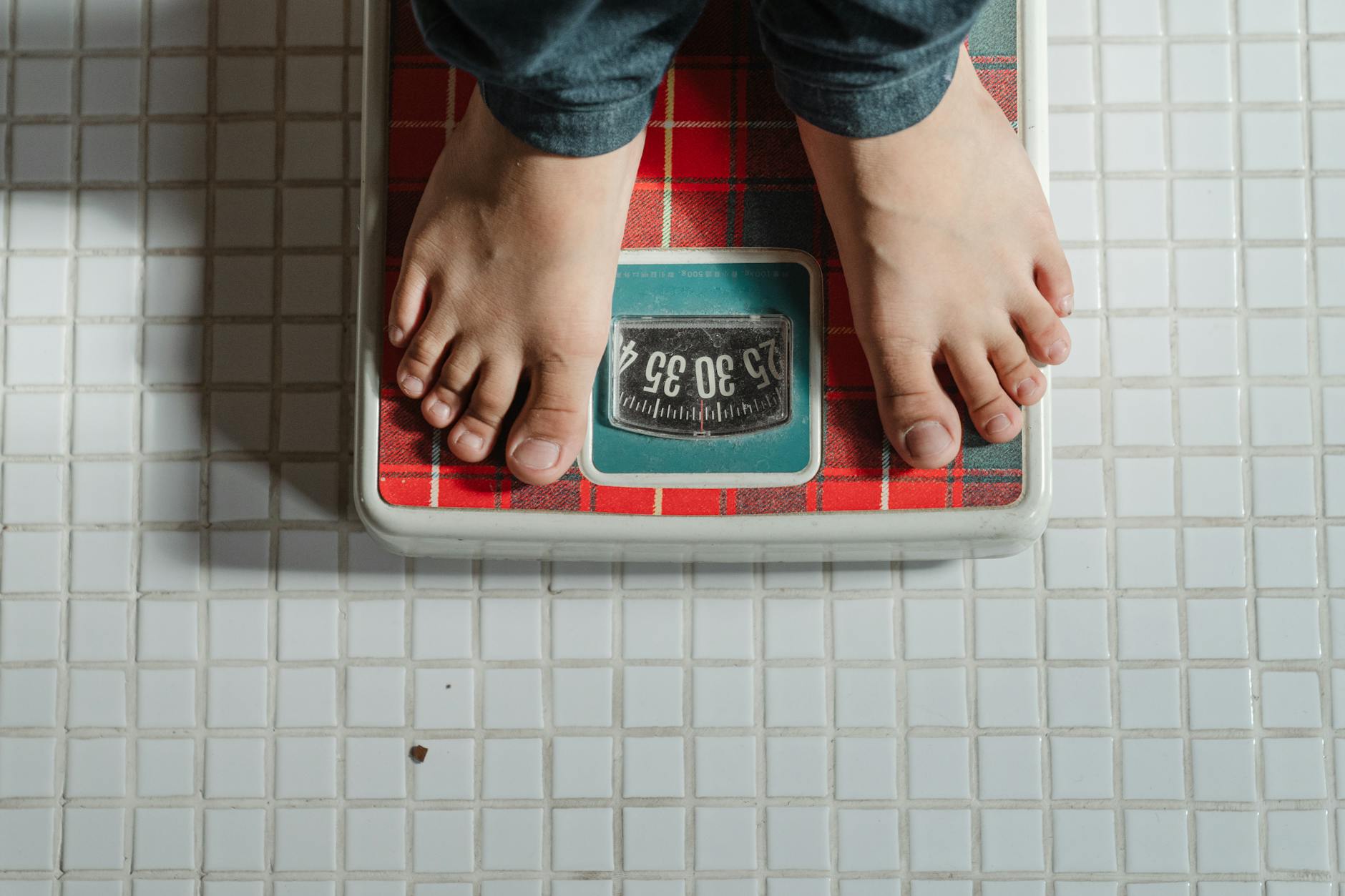
How Many Calories to Lose Weight? Your Ultimate Guide
how many calories to lose weight

How Many Calories to Lose Weight? Your Ultimate Guide

Unlock the secret to effective weight loss by understanding your daily caloric needs and creating a personalized plan.

Start Your Journey Today

Key Takeaways

  • ✓ Weight loss fundamentally relies on creating a calorie deficit.
  • ✓ Individual calorie needs vary based on age, sex, weight, height, and activity level.
  • ✓ A safe and sustainable deficit is typically 500-750 calories per day.
  • ✓ Focus on nutrient-dense foods to feel full and meet nutritional requirements.

How It Works

1
Calculate Your Basal Metabolic Rate (BMR)

Determine the calories your body burns at rest using formulas like Mifflin-St Jeor or Harris-Benedict. This is your baseline energy expenditure.

2
Factor in Activity Level (TDEE)

Multiply your BMR by an activity factor to get your Total Daily Energy Expenditure (TDEE). This represents the total calories you burn in a day.

3
Establish Your Calorie Deficit

Subtract 500-750 calories from your TDEE to create a deficit for weight loss. This aims for a healthy and sustainable rate of 1-1.5 pounds per week.

4
Track and Adjust as Needed

Consistently monitor your calorie intake and weight loss progress. Be prepared to adjust your calorie target as your body changes.

Understanding Calorie Deficit for Effective Weight Loss
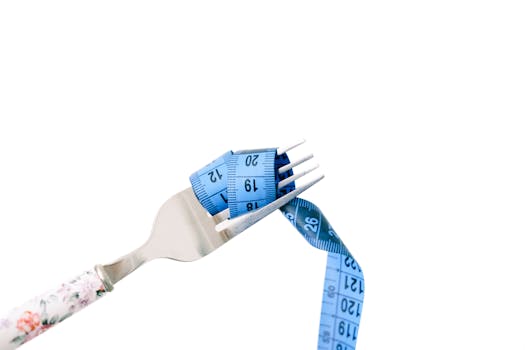
A fork entwined with a blue measuring tape, symbolizing dieting and weight management. Photo: Beyzaa Yurtkuran / Pexels
Embarking on a weight loss journey often begins with a fundamental question: "how many calories to lose weight?" The answer, while seemingly simple, involves a nuanced understanding of your body's energy balance. At its core, weight loss is achieved by consistently consuming fewer calories than your body expends. This principle is known as creating a calorie deficit. When you create this deficit, your body is forced to tap into its stored energy reserves – primarily fat – to make up the difference, leading to a reduction in body weight. However, it's not merely about slashing calories drastically. A severe calorie restriction can be detrimental, leading to nutrient deficiencies, muscle loss, and a slowed metabolism, making long-term weight management incredibly challenging. The goal is a sustainable, moderate deficit that allows for steady fat loss while preserving muscle mass and supporting overall health. A commonly recommended and safe deficit for most individuals is between 500 to 750 calories per day below their total daily energy expenditure (TDEE). This typically translates to a weight loss of 1 to 1.5 pounds per week, which is considered healthy and achievable. To truly understand your personal calorie deficit, you first need to determine your TDEE. This calculation takes into account several critical factors: your basal metabolic rate (BMR), which is the number of calories your body burns at rest to maintain basic bodily functions (like breathing, circulation, and cell production), and your activity level. Your BMR is influenced by age, sex, weight, and height. As you age, your BMR generally decreases, and men typically have higher BMRs than women due to greater muscle mass. Your activity level, from sedentary to very active, significantly impacts how many additional calories you burn throughout the day. Tools and formulas, such as the Mifflin-St Jeor equation or online calculators, can help you estimate your BMR and TDEE with reasonable accuracy. Once you have this number, you can subtract your desired deficit to arrive at your target daily calorie intake for weight loss. Remember, this is a starting point, and consistent monitoring and adjustments based on your progress are crucial for success. For more in-depth knowledge about managing your nutrition, explore our guide to healthy eating habits.

Calculating Your Personal Calorie Needs: Step-by-Step Guide

Flat lay featuring apple slices, a calorie counter chart, pen, and a glass of water for a healthy lifestyle. Photo: Spencer Stone / Pexels
Determining precisely how many calories to lose weight effectively requires a personalized approach, moving beyond generic advice. Your body is unique, and its energy requirements will differ from others. The journey begins with understanding your Basal Metabolic Rate (BMR) and then factoring in your daily activities to arrive at your Total Daily Energy Expenditure (TDEE). **Step 1: Calculate Your Basal Metabolic Rate (BMR)** Your BMR represents the minimum number of calories your body needs to perform essential functions at rest. The most widely used and accurate formula for BMR is the Mifflin-St Jeor equation: * **For Men:** (10 × weight in kg) + (6.25 × height in cm) - (5 × age in years) + 5 * **For Women:** (10 × weight in kg) + (6.25 × height in cm) - (5 × age in years) - 161 To use this, you'll need to convert your weight from pounds to kilograms (pounds / 2.2046) and height from inches to centimeters (inches × 2.54). For example, a 35-year-old woman, 5'6" (167.64 cm) tall, weighing 150 lbs (68.04 kg) would calculate her BMR as: (10 * 68.04) + (6.25 * 167.64) - (5 * 35) - 161 = 680.4 + 1047.75 - 175 - 161 = 1392.15 calories. This is the energy she burns just existing. **Step 2: Factor in Your Activity Level to Find Your TDEE** Once you have your BMR, you need to account for your daily physical activity. Multiply your BMR by an activity factor: * **Sedentary (little or no exercise):** BMR × 1.2 * **Lightly Active (light exercise/sports 1-3 days/week):** BMR × 1.375 * **Moderately Active (moderate exercise/sports 3-5 days/week):** BMR × 1.55 * **Very Active (hard exercise/sports 6-7 days/week):** BMR × 1.725 * **Extra Active (very hard exercise/physical job/training twice a day):** BMR × 1.9 Continuing the example, if our 35-year-old woman is moderately active, her TDEE would be 1392.15 × 1.55 = 2157.83 calories. This is the total number of calories she burns on an average day to maintain her current weight. **Step 3: Create Your Calorie Deficit** To lose weight, you need to consume fewer calories than your TDEE. A common and healthy deficit is 500-750 calories per day, aiming for 1-1.5 pounds of weight loss per week (since 3,500 calories equals approximately one pound of fat). For our example woman, targeting a 500-calorie deficit would mean her daily intake for weight loss should be 2157.83 - 500 = 1657.83 calories. This provides a clear, personalized target for her dietary plan. Remember, these are estimates, and regular tracking and adjustments are key to successful weight loss. Your body adapts, and as you lose weight, your TDEE will decrease, requiring further adjustments to your calorie target.

Sustainable Strategies: Beyond Just Counting Calories
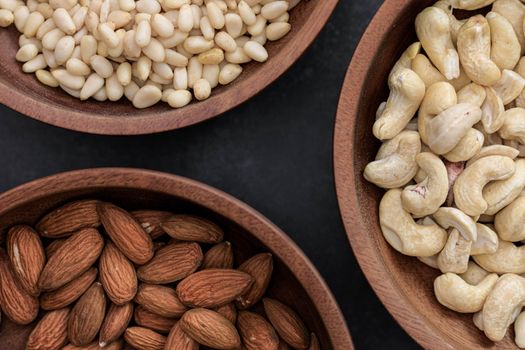
Top view of almonds, cashews, and pine nuts in wooden bowls against a dark backdrop. Photo: Victoria Bowers / Pexels
While understanding how many calories to lose weight is foundational, sustainable weight loss is about much more than just numbers. Focusing solely on calorie restriction without considering the quality of those calories can lead to a diet that is nutritionally deficient, unsatisfying, and ultimately unsustainable. The type of food you eat profoundly impacts satiety, energy levels, and overall health, all of which are crucial for long-term success. **Prioritize Nutrient-Dense Foods:** Instead of empty calories, fill your diet with nutrient-dense foods. These are foods that provide a high amount of vitamins, minerals, fiber, and other beneficial compounds relative to their calorie count. Think lean proteins (chicken, fish, legumes), whole grains (oats, quinoa, brown rice), fruits, and a wide variety of vegetables. These foods not only nourish your body but also contribute to a feeling of fullness, making it easier to adhere to your calorie goals without feeling deprived. For example, 200 calories of broccoli is far more filling and beneficial than 200 calories of potato chips. **Increase Protein Intake:** Protein is a powerhouse macronutrient for weight loss. It has a high thermic effect, meaning your body burns more calories digesting protein compared to fats or carbohydrates. More importantly, protein is incredibly satiating. Including adequate protein in every meal can help reduce hunger and cravings, prevent muscle loss during a calorie deficit, and support muscle repair and growth, which further boosts metabolism. Aim for sources like chicken breast, turkey, eggs, Greek yogurt, lentils, and beans. **Don't Fear Healthy Fats:** While fats are calorie-dense, healthy fats are essential for hormone production, nutrient absorption, and satiety. Including sources like avocados, nuts, seeds, and olive oil in moderation can contribute to feeling satisfied and prevent overeating. The key is portion control and choosing unsaturated fats over saturated and trans fats. **Embrace Fiber:** Fiber-rich foods, particularly from fruits, vegetables, and whole grains, are crucial. Fiber adds bulk to your diet without adding many calories, slows down digestion, and helps stabilize blood sugar levels, preventing energy crashes and subsequent cravings. It also supports gut health, which is increasingly linked to weight management. Integrating these strategies ensures that your calorie deficit is achieved through a diet that supports your health, energy, and long-term adherence. For detailed meal planning ideas, consult our guide on building a balanced diet.

Common Pitfalls and How to Avoid Them on Your Calorie Journey

Foot on pedal of elliptical trainer showcasing fitness equipment and footwear close-up. Photo: Pixabay / Pexels
Navigating the path of how many calories to lose weight can be fraught with common mistakes that derail even the most determined individuals. Awareness of these pitfalls is the first step toward avoiding them and ensuring a smoother, more successful weight loss journey. **1. Underestimating Calorie Intake:** Many people unknowingly consume more calories than they realize. This can stem from inaccurate portion sizes, neglecting to track liquids (sugary drinks, elaborate coffees, alcohol), or snacking mindlessly. Even a small handful of nuts or an extra splash of olive oil can add significant calories throughout the day. **Solution:** Invest in a food scale for accurate portioning, meticulously track all food and drink, and pre-plan snacks. **2. Overestimating Calorie Burn from Exercise:** While exercise is vital for health and contributes to calorie expenditure, people often overestimate how many calories they burn during a workout. A tough workout might burn 300-500 calories, which can be easily negated by a post-workout snack or an extra serving at dinner. **Solution:** Don't "eat back" all your exercise calories. Treat exercise as a bonus for health and a modest contributor to your deficit, but rely primarily on dietary adjustments. **3. Setting an Unsustainable Calorie Deficit:** Drastically cutting calories to achieve rapid weight loss often backfires. Extreme deficits lead to intense hunger, fatigue, nutrient deficiencies, muscle loss, and a slowed metabolism, making adherence impossible. **Solution:** Aim for a moderate deficit of 500-750 calories below your TDEE. This allows for steady, healthy weight loss without undue suffering. **4. Neglecting Micronutrients:** Focusing solely on calorie numbers can lead to a diet lacking essential vitamins and minerals. This not only impacts overall health but can also lead to cravings as your body seeks the nutrients it's missing. **Solution:** Prioritize whole, unprocessed foods. Ensure a diverse intake of fruits, vegetables, lean proteins, and whole grains to cover your micronutrient bases. **5. Ignoring Non-Scale Victories and Impatience:** Weight loss isn't linear. Fluctuations due to water retention, muscle gain, or hormonal changes are normal. Getting discouraged by the scale can lead to giving up. **Solution:** Track progress beyond the scale: take measurements, notice how clothes fit, monitor energy levels, and celebrate improved strength or endurance. Understand that sustainable weight loss is a marathon, not a sprint.

Comparison

FactorOptimal for Weight LossLess Effective ApproachPotential Pitfall
Calorie DeficitModerate (500-750 below TDEE)Minor (100-200 below TDEE)Extreme (1000+ below TDEE)
Food QualityNutrient-dense, whole foodsProcessed foods, empty caloriesStrictly calorie-counting, ignoring nutrition
Protein IntakeHigh (25-35% of calories)Moderate (15-20% of calories)Low (under 15% of calories)
HydrationAdequate water intakeOccasional sugary drinksFrequent sugary drinks/alcohol
Exercise RoleConsistent, balanced activitySporadic, intense burstsOver-relying on exercise for deficit
Patience

What Readers Say

"This guide completely changed my perspective on how many calories to lose weight. I used to guess, but now I have a clear, personalized target and I'm finally seeing consistent results without feeling deprived."

Sarah J. · Austin, TX

"The step-by-step calculation for TDEE was incredibly helpful. I realized I was eating way too little before, which was slowing my metabolism. Now, I'm losing weight steadily and have more energy."

Mark T. · Chicago, IL

"After following the advice on prioritizing protein and fiber, I managed to lose 15 pounds in 3 months. It's not just about the calories; it's about making smart food choices that keep you full and energized."

Jessica L. · Denver, CO

"I found the section on common pitfalls very insightful. I was definitely overestimating my exercise burn. Adjusting my mindset has helped me stay more consistent, though the tracking can be a bit tedious at first."

David R. · Miami, FL

"As a busy professional, I needed practical advice on how many calories to lose weight without feeling overwhelmed. This article breaks it down perfectly, making it easy to integrate into my busy schedule with meal prepping."

Emily K. · Seattle, WA

Frequently Asked Questions

What is the fastest I can safely lose weight?

A safe and sustainable rate of weight loss is typically 1 to 2 pounds per week. This generally corresponds to a calorie deficit of 500-1000 calories per day. Faster weight loss can lead to muscle loss, nutrient deficiencies, and is often unsustainable in the long term, making it harder to maintain.

Do I need to count every single calorie?

While precise calorie counting can be effective, it's not always necessary for everyone. For some, it can be tedious or trigger unhealthy obsessions. Focus on understanding portion sizes, prioritizing whole foods, and being mindful of your intake. Occasional tracking can help keep you on track without needing to count every day.

How do I adjust my calorie intake as I lose weight?

As you lose weight, your body requires fewer calories to maintain its new, lighter mass. You'll need to recalculate your TDEE every 10-15 pounds of weight loss and adjust your calorie deficit accordingly. This ensures you continue to make progress and avoid plateaus.

Is it expensive to eat a calorie-controlled diet?

No, it doesn't have to be. Focusing on whole, unprocessed foods like vegetables, fruits, legumes, and lean proteins can be very cost-effective. Cooking at home and meal prepping are excellent ways to control both your budget and your calorie intake, often being cheaper than eating out or buying pre-made diet meals.

How does calorie counting compare to other diets like keto or intermittent fasting?

Calorie counting is a fundamental principle that underlies most successful weight loss diets, including keto or intermittent fasting. These diets often work by inherently creating a calorie deficit through their specific rules. Calorie counting provides a direct, measurable approach, whereas other diets might achieve the deficit indirectly through food restrictions or eating windows.

Who should use calorie counting for weight loss?

Calorie counting is suitable for anyone looking for a structured, data-driven approach to weight loss. It's particularly helpful for individuals who want to understand the energy balance of their diet, have specific weight loss goals, or need to manage conditions where dietary precision is beneficial. It requires consistency and a willingness to track.

Are there any risks associated with severe calorie restriction?

Yes, severe calorie restriction can lead to significant health risks, including nutrient deficiencies, muscle loss, gallstones, hair loss, fatigue, irritability, and a slowed metabolism. It can also increase the risk of developing disordered eating patterns. Always aim for a moderate, sustainable calorie deficit.

Will calorie counting still be relevant with new weight loss technologies?

While new technologies like smart scales and advanced fitness trackers can provide more data, the core principle of energy balance – calories in vs. calories out – will remain fundamental to weight loss. These technologies will likely enhance the accuracy and ease of tracking, but the underlying science of how many calories to lose weight will endure.

Understanding how many calories to lose weight is your first step towards a healthier, happier you. By implementing these strategies, you can create a sustainable plan that yields lasting results. Start calculating your personal needs today and embark on your journey with confidence.

Topics: how many calories to lose weightcalorie deficitweight loss calculatormetabolism for weight losssustainable weight loss
Leo List
Brampton weed
Adultwork EstrelaBet Vai de Bet R7 Bet Betão Galera Bet Rainbet Bet9ja Shop SportyBet BetKing Sisal Loto Foot Hollywoodbets YesPlay Odibets RushBet Jugabet BetWarrior BetCity MSport betPawa Fortebet