How to Start a Workout Routine for Beginners: Your Ultimate Guide
how to start a workout routine for beginners

How to Start a Workout Routine for Beginners: Your Ultimate Guide

Embark on your fitness journey with confidence and build sustainable habits for a healthier, stronger you.

Start Your Fitness Journey

Key Takeaways

  • ✓ Consistency is more important than intensity when starting out.
  • ✓ Listening to your body and prioritizing rest is crucial for beginners.
  • ✓ Setting realistic, achievable goals prevents burnout and fosters motivation.
  • ✓ Proper form is essential to prevent injury and maximize effectiveness.

How It Works

1
Assess Your Current Fitness Level

Before diving in, understand where you're starting from. This helps in setting realistic goals and choosing appropriate exercises.

2
Define Your Fitness Goals

Clearly articulate what you want to achieve, whether it's weight loss, muscle gain, or improved endurance. Specific goals provide direction and motivation.

3
Choose the Right Workout Type

Explore various exercise modalities like strength training, cardio, or flexibility. Select activities you enjoy to ensure long-term adherence.

4
Create a Sustainable Schedule

Integrate workouts into your daily life without overwhelming yourself. Start with 2-3 sessions per week and gradually increase as you build stamina.

Understanding the Fundamentals of Starting Exercise
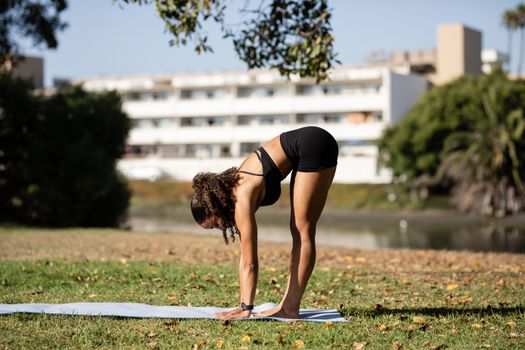
Woman in activewear performing yoga in a park, stretching on a mat outdoors. Photo: Ketut Subiyanto / Pexels
Embarking on a new fitness journey can feel daunting, but understanding the core principles makes it accessible and enjoyable. For beginners, the most critical fundamental is to start slow and focus on consistency over intensity. Many people make the mistake of going too hard, too fast, leading to burnout, injury, or simply giving up. Your body needs time to adapt to new stresses, and respecting this process is key to long-term success. Think of it as building a house – you wouldn't start with the roof, you'd lay a solid foundation. This foundation in fitness means mastering basic movements, understanding proper form, and gradually increasing duration and intensity. Another crucial aspect is listening to your body. As a beginner, you'll experience new sensations, some of which might be muscle soreness (delayed onset muscle soreness, or DOMS), which is normal. However, sharp pain or discomfort in joints should never be ignored. Distinguishing between good soreness and bad pain is vital for injury prevention. If something hurts, stop, assess, and modify the exercise if necessary. Don't push through pain, as this can lead to more serious issues that derail your progress. Hydration and nutrition also play an indispensable role in your body's ability to recover and perform. You can't expect your car to run without fuel, and your body is no different. Ensure you're drinking plenty of water throughout the day, especially around your workouts, and fueling your body with nutrient-dense foods. These seemingly small details contribute significantly to your overall well-being and ability to sustain a workout routine. Furthermore, mental preparation is just as important as physical preparation. Cultivating a positive mindset, celebrating small victories, and being patient with yourself are essential. There will be days when motivation wanes, or progress seems slow. These are normal parts of the journey. Remind yourself of your 'why' – why you started this routine in the first place. Is it for better health, increased energy, or improved mood? Keeping your goals in sight helps you push through challenging moments. Remember, fitness is a marathon, not a sprint. Setting realistic expectations and understanding that progress isn't always linear will prevent discouragement. Integrating a balanced fitness program into your life should be about enhancing your life, not adding another source of stress. It's about building a healthier, stronger, and more resilient version of yourself, one step at a time.

Setting Realistic Goals and Crafting Your First Workout Plan

A gym coach instructs on whiteboard beside fitness equipment with mountain view. Photo: Anastasia Shuraeva / Pexels
The journey of starting a workout routine for beginners begins with setting clear, achievable goals. Without a destination, it's hard to navigate. Vague aspirations like "get fit" are less effective than specific, measurable, achievable, relevant, and time-bound (SMART) goals. For instance, instead of "lose weight," aim for "lose 5 pounds in the next 8 weeks by exercising 3 times a week and reducing sugary drinks." This specificity provides a roadmap and allows you to track progress effectively. Consider what motivates you most – is it increased energy, better sleep, improved strength, or a specific aesthetic goal? Aligning your goals with your intrinsic motivators makes them more powerful and sustainable. Once your goals are defined, it's time to craft your initial workout plan. For beginners, simplicity and consistency are paramount. Don't try to replicate an advanced athlete's routine; it's a recipe for injury and frustration. A good starting point is a full-body workout performed 2-3 times per week, with at least one rest day in between. This allows your muscles to recover and rebuild, which is crucial for growth and preventing overtraining. Focus on compound movements that work multiple muscle groups simultaneously, as these are highly efficient and build foundational strength. Examples include squats, lunges, push-ups (modified on knees if needed), planks, and rows (using resistance bands or light dumbbells). Your first plan should emphasize learning proper form over lifting heavy weights or performing complex movements. Watch videos, use a mirror, or even consider a few sessions with a certified personal trainer to ensure your technique is correct. Incorrect form not only reduces the effectiveness of an exercise but significantly increases the risk of injury. Each workout session should ideally include a warm-up (5-10 minutes of light cardio and dynamic stretches) and a cool-down (5-10 minutes of static stretches). The warm-up prepares your body for exercise by increasing blood flow and muscle temperature, while the cool-down helps with flexibility and muscle recovery. Remember, this initial plan is a starting point, not a rigid, lifelong commitment. As you get stronger and more confident, you can gradually introduce new exercises, increase resistance, or adjust your split to target specific muscle groups more intensely. The key is to build a routine that you can stick with and that progressively challenges you without overwhelming you.

Integrating Nutrition, Rest, and Progression into Your Routine

Person preparing a fresh green smoothie with spinach, cucumber, and herbs using a blender. Photo: Natalie Bond / Pexels
A workout routine is only one piece of the fitness puzzle; nutrition and rest are equally vital, especially for beginners. What you eat directly impacts your energy levels, recovery time, and overall results. Focus on whole, unprocessed foods: lean proteins, complex carbohydrates, healthy fats, and plenty of fruits and vegetables. Proteins are crucial for muscle repair and growth, carbohydrates provide energy for your workouts, and healthy fats support hormone production and nutrient absorption. Don't aim for perfection overnight, but gradually make healthier choices. Small, consistent dietary improvements will yield significant benefits over time, complementing your efforts in the gym. Similarly, adequate hydration is often overlooked but critical. Water plays a role in almost every bodily function, including regulating body temperature, lubricating joints, and transporting nutrients. Aim for at least 8 glasses of water a day, more if you're exercising vigorously or in a hot environment. Rest and recovery are non-negotiable components of any effective workout routine, particularly when you're starting out. Your muscles don't grow during your workout; they grow and repair during rest periods. Skimping on sleep or not allowing sufficient rest days between challenging workouts can lead to overtraining, increased injury risk, reduced performance, and even a weakened immune system. Aim for 7-9 hours of quality sleep per night. Incorporate active recovery days, which might involve light stretching, walking, or foam rolling, to help with blood flow and reduce muscle soreness without taxing your body excessively. Learning to listen to your body's signals for rest is a skill that develops with experience and is fundamental to sustainable fitness. Progression is the engine of fitness improvement. Once you've established a consistent routine and mastered basic forms, you'll need to progressively challenge your body to continue making gains. This concept is known as progressive overload. For beginners, this might mean increasing the number of repetitions, adding another set, gradually increasing the weight or resistance, or reducing rest times between sets. As you get stronger, you can explore more advanced exercises or different workout modalities. For example, if you started with bodyweight squats, you might progress to goblet squats with a light dumbbell, then to barbell squats. The key is to challenge your muscles just enough to stimulate adaptation without causing excessive fatigue or injury. Regular self-assessment and tracking your workouts (e.g., in a notebook or app) will help you monitor your progress and identify when it's time to increase the challenge. Remember, the goal is continuous improvement, not perfection. Embrace the journey of learning and adapting, and you'll find that fitness becomes a rewarding and integral part of your life. For more advanced strategies, consider exploring advanced workout techniques once you've built a solid foundation.

Common Mistakes to Avoid and Tips for Long-Term Success

Woman holding a notebook with a handwritten message featuring a spelling error, showcasing humor and communication. Photo: Lukas Blazek / Pexels
Starting a new workout routine is commendable, but many beginners fall prey to common pitfalls that can derail their progress. Being aware of these mistakes can help you navigate your fitness journey more effectively and ensure long-term success. **Common Mistakes to Avoid:** * **Overdoing it too soon:** This is perhaps the most frequent mistake. Starting with extreme intensity or duration often leads to severe soreness, injury, and burnout. Remember, slow and steady wins the race. * **Neglecting proper form:** Rushing through exercises with bad form significantly increases injury risk and reduces effectiveness. Always prioritize quality over quantity. * **Ignoring warm-up and cool-down:** Skipping these crucial phases can lead to stiff muscles, reduced flexibility, and increased risk of injury. * **Lack of consistency:** Sporadic workouts yield minimal results. It's better to do shorter, consistent workouts than infrequent, long ones. * **Comparing yourself to others:** Everyone's fitness journey is unique. Focus on your own progress and celebrate your personal achievements. * **Solely relying on the scale:** Weight fluctuations are normal. Focus on how your clothes fit, your energy levels, and your strength gains as indicators of progress. * **Poor nutrition and hydration:** Undermining your hard work in the gym with unhealthy eating habits and insufficient water intake will hinder your results. * **Not getting enough rest:** Overtraining without adequate recovery can lead to fatigue, decreased performance, and increased injury risk. **Tips for Long-Term Success:** * **Find activities you enjoy:** If you love what you do, you're far more likely to stick with it. Experiment with different types of exercise until you find what resonates with you. * **Set small, achievable milestones:** Breaking down big goals into smaller ones makes the journey less overwhelming and provides regular opportunities for celebration. * **Track your progress:** Logging your workouts (reps, sets, weights, duration) helps you see how far you've come and motivates you to keep going. * **Find an accountability partner:** Working out with a friend or joining a class can provide motivation and a sense of camaraderie. * **Be patient and persistent:** Results don't happen overnight. Trust the process and celebrate every small victory. * **Listen to your body:** Pay attention to how you feel. If you're tired, take an extra rest day or do a lighter activity. * **Prioritize recovery:** Incorporate stretching, foam rolling, and adequate sleep into your routine. * **Seek professional guidance:** Don't hesitate to consult a doctor, physical therapist, or certified personal trainer if you have concerns or need personalized advice. * **Stay hydrated and fuel your body:** Make healthy eating and drinking enough water non-negotiable habits. * **Embrace variety:** Periodically changing your routine can prevent boredom and challenge your muscles in new ways, promoting continued progress. This doesn't mean completely overhauling your plan, but perhaps introducing a new exercise or modifying an existing one.

Comparison

AspectBest for BeginnersIntermediate GoalAdvanced Goal
Frequency2-3 times/week3-4 times/week4-6 times/week
FocusForm & ConsistencyProgressive OverloadSpecialization & Intensity
Workout TypeFull BodyUpper/Lower SplitBody Part Split
Rest Between Sets60-90 seconds45-60 seconds30-45 seconds
Nutrition EmphasisBalanced & HydrationMacro TrackingPerformance Optimization
Injury RiskLow (with good form)Moderate (if pushing too hard)Higher (due to intensity)

What Readers Say

"This guide was exactly what I needed to finally start my workout routine. The emphasis on starting slow and focusing on form really resonated with me, and I've been consistent for 2 months now without injury!"

Sarah J. · Austin, TX

"As someone who's tried and failed many times, the advice on setting realistic goals and integrating rest was a game-changer. I feel stronger and more energized than ever before."

Mark D. · Chicago, IL

"I followed the advice to track my workouts, and seeing my progress has been incredibly motivating. I can now do 10 push-ups, something I never thought possible!"

Emily R. · Denver, CO

"Very comprehensive guide, though I would have liked a few more specific exercise examples for the absolute beginner. Still, the overall strategy is solid and easy to follow."

David L. · Miami, FL

"After struggling with postpartum fitness, this guide helped me create a gentle yet effective routine. It taught me to be patient with my body and celebrate small wins, which has made all the difference."

Jessica T. · Seattle, WA

Frequently Asked Questions

How often should a beginner workout?

For beginners, it's recommended to start with 2-3 full-body workouts per week, allowing at least one rest day in between sessions. This frequency provides enough stimulus for your body to adapt and grow stronger, while also giving your muscles adequate time to recover and repair, reducing the risk of overtraining and injury.

What if I feel too sore to workout again?

Mild muscle soreness (DOMS) is normal, but if you're too sore to perform your next workout effectively, it's okay to take an extra rest day or engage in active recovery like a light walk or gentle stretching. Listen to your body and prioritize recovery to prevent injury and burnout, ensuring you can maintain consistency in the long run.

How do I choose the right exercises for my first routine?

Focus on compound exercises that work multiple muscle groups, such as squats, lunges, push-ups (modified), planks, and rows. These movements are efficient and build foundational strength. Prioritize learning proper form with bodyweight or light resistance before adding more weight or complexity.

Do I need a gym membership to start working out?

No, you absolutely do not need a gym membership to start a workout routine. Many effective beginner routines can be done at home using just your body weight, resistance bands, or inexpensive dumbbells. The most important thing is to get started and be consistent, regardless of the location or equipment.

Is cardio or strength training better for beginners?

Both cardio and strength training are beneficial and should be incorporated into a beginner's routine. Strength training builds muscle, boosts metabolism, and improves bone density, while cardio enhances cardiovascular health and endurance. A balanced approach that includes both will yield the best overall fitness results.

Who should consult a doctor before starting a new workout routine?

Anyone with pre-existing medical conditions, chronic illnesses, a history of heart problems, joint issues, or those who are significantly overweight or over the age of 45 and have been inactive should consult their doctor before starting a new workout routine. It's always best to get medical clearance to ensure your chosen exercises are safe and appropriate for your individual health status.

What's the biggest risk for beginners starting a workout routine?

The biggest risk for beginners is often injury due to improper form or overdoing it too quickly. Pushing too hard, too fast, or performing exercises with incorrect technique can lead to strains, sprains, or more serious injuries that can completely derail your progress. Prioritizing proper form and gradual progression is crucial to mitigate this risk.

How will technology impact beginner workout routines in the future?

Future beginner workout routines will likely be even more personalized and accessible through technology. AI-powered apps could offer adaptive workout plans based on real-time performance and recovery data, while wearable tech will provide more accurate biometric feedback. Virtual reality and augmented reality could also make home workouts more engaging and interactive, offering guided sessions and personalized coaching experiences.

Ready to transform your health and build a stronger, more confident you? Take the first step today by applying the principles outlined in this guide on how to start a workout routine for beginners. Your fitness journey begins now, and with consistency and patience, you'll achieve lasting results.

Topics: how to start a workout routine for beginnersbeginner workout planfitness for beginnersstarting exerciseworkout tips
Leo List

DK Escorts LU Escorts AT Escorts SE Escorts FI Escorts CH Escorts DE Escorts HR Escorts IE Escorts GR Escorts CZ Escorts NO Escorts BE Escorts FR Escorts SI Escorts IL Escorts NL Escorts PL Escorts HU Escorts ES Escorts IT Escorts PT Escorts SK Escorts RO Escorts ZA Escorts UY Escorts US Escorts UK Escorts NZ Escorts AU Escorts
Brampton weed
Adultwork EstrelaBet Vai de Bet R7 Bet Betão Galera Bet Rainbet Bet9ja Shop SportyBet BetKing Sisal Loto Foot Hollywoodbets YesPlay Odibets RushBet Jugabet BetWarrior BetCity MSport betPawa Fortebet