✓ Consistent protein intake is crucial for muscle protein synthesis.
✓ Carbohydrates fuel workouts and replenish glycogen stores for recovery.
✓ Healthy fats support hormone production vital for muscle growth.
✓ Meal prepping saves time, money, and ensures nutritional consistency.
How It Works
1
Assess Your Caloric & Macronutrient Needs
Determine your daily caloric intake and macronutrient split (protein, carbs, fats) based on your activity level and muscle gain goals. Use online calculators or consult a nutritionist for personalized guidance.
2
Plan Your Weekly Menu
Select 3-5 diverse recipes that align with your macro targets and dietary preferences. Focus on nutrient-dense ingredients that are easy to prepare in bulk.
3
Shop Smart & Cook in Batches
Create a detailed grocery list based on your menu to avoid impulse buys. Dedicate a few hours on a specific day to cook all your meals for the week, saving significant time later.
4
Portion, Store, & Enjoy
Portion your cooked meals into individual containers, labeling them for convenience. Store properly in the refrigerator or freezer to maintain freshness and enjoy your nutritious, muscle-building meals throughout the week.
The Science Behind Meal Prepping for Muscle Growth
Photo: Tima Miroshnichenko / Pexels
Building muscle isn't just about lifting heavy weights; it's equally about what you put into your body. For anyone serious about muscle gain, understanding the nutritional foundation is paramount. Meal prepping isn't merely a convenience; it's a strategic pillar that supports consistent muscle protein synthesis (MPS), the process by which your body repairs and rebuilds muscle fibers. When you lift weights, you create micro-tears in your muscle tissue. To repair these tears and make the muscles stronger and larger, your body requires a steady supply of essential amino acids, primarily derived from protein. Without adequate, consistent protein intake, your body struggles to recover and adapt, hindering your progress. Meal prepping ensures that you hit your protein targets reliably, meal after meal, day after day. This consistency is the secret weapon against sporadic eating habits that often lead to missed opportunities for muscle repair and growth.
Beyond protein, carbohydrates play a pivotal role. They are your body's primary fuel source, especially for intense resistance training. Adequate carbohydrate intake ensures that your glycogen stores (stored glucose in muscles and liver) are topped up, providing the energy needed to power through demanding workouts. Depleted glycogen stores can lead to fatigue, reduced performance, and even muscle breakdown as your body seeks alternative energy sources. By strategically incorporating complex carbohydrates into your meal prep, you guarantee sustained energy for your training sessions and aid in post-workout recovery by replenishing those vital glycogen stores. Moreover, carbohydrates trigger an insulin response, which helps shuttle nutrients, including amino acids, into muscle cells, further supporting growth. Healthy fats, often overlooked, are also critical. They are essential for hormone production, including testosterone, which is vital for muscle growth and recovery. Fats also provide a concentrated source of energy and help absorb fat-soluble vitamins. Incorporating sources like avocados, nuts, seeds, and olive oil into your meal prep ensures you're covering all your bases. The discipline of meal prepping eliminates guesswork and last-minute unhealthy choices, replacing them with a structured, nutrient-dense approach that directly fuels your muscle-building objectives. It allows for precise portion control, ensuring you consume the right amount of calories and macronutrients to support a caloric surplus necessary for gaining mass, without overdoing it or falling short. By having your meals ready, you bypass the temptation of convenience foods that often lack the optimal macro profile and contain excessive unhealthy ingredients. This proactive approach to nutrition is what truly differentiates consistent muscle builders from those who struggle to see results. For further insights into fueling your body, consider exploring the benefits of a balanced fitness diet.
Furthermore, meal prepping is an exercise in efficiency. Life can be hectic, and finding time to cook healthy, macro-friendly meals three or more times a day can be challenging. By dedicating a few hours once or twice a week to prepare your meals, you free up valuable time during busy weekdays. This means less stress about what to eat next, more time for training, and better adherence to your nutritional plan. It’s not just about what you eat, but when and how consistently you eat it. Small, frequent meals, often advocated in bodybuilding circles, become easily achievable with a well-executed meal prep strategy. This regular nutrient delivery helps maintain a positive nitrogen balance, crucial for muscle hypertrophy. It also aids in managing hunger, preventing overeating, and keeping your metabolism ticking. The psychological benefit of having your nutrition locked in is also significant; it reduces decision fatigue and allows you to focus your mental energy on other aspects of your fitness journey, like perfecting your form or planning your next training block. In essence, meal prepping is the ultimate tool for controlling your nutritional environment, ensuring every bite contributes to your muscle gain goals.
Essential Macronutrients & Best Food Choices for Muscle Gain
Photo: vansh mehta / Pexels
To effectively gain muscle, you need to understand the role of each macronutrient and prioritize nutrient-dense food sources. Let's break down protein, carbohydrates, and fats, and identify the best options for your meal prep.
**Protein:** This is the cornerstone of muscle building. Aim for approximately 0.7-1 gram of protein per pound of body weight daily, spread across your meals. Excellent sources include:
* **Lean Meats:** Chicken breast, turkey, lean beef (sirloin, flank steak), pork tenderloin. These are complete proteins, meaning they contain all nine essential amino acids necessary for muscle repair and growth. They are also rich in iron and B vitamins, crucial for energy metabolism.
* **Fish:** Salmon, cod, tuna, tilapia. Salmon is particularly beneficial due to its high omega-3 fatty acid content, which has anti-inflammatory properties and supports overall health. Fish provides easily digestible protein.
* **Eggs:** A whole egg is a perfect protein source, containing about 6 grams of protein along with healthy fats, vitamins, and minerals. They are versatile and cost-effective.
* **Dairy:** Greek yogurt, cottage cheese, milk. These offer casein and whey proteins, providing both slow and fast-digesting protein sources. Greek yogurt and cottage cheese are excellent for snacks or added to meals.
* **Legumes & Plant-Based Proteins:** Lentils, chickpeas, black beans, tofu, tempeh, edamame. While many plant-based proteins are not 'complete' on their own, combining them throughout the day ensures you get all essential amino acids. They also provide fiber, which aids digestion and satiety.
**Carbohydrates:** These provide the energy for your workouts and help replenish glycogen stores for recovery. Focus on complex carbohydrates that offer sustained energy and fiber.
* **Whole Grains:** Brown rice, quinoa, oats, whole-wheat pasta, whole-grain bread. Quinoa is a standout, being a complete protein as well. Oats are fantastic for breakfast, providing slow-releasing energy.
* **Starchy Vegetables:** Sweet potatoes, potatoes, butternut squash, corn. Sweet potatoes are packed with vitamins, minerals, and complex carbs. They are versatile and can be roasted, mashed, or baked.
* **Fruits:** Berries, bananas, apples, oranges. These provide quick energy, antioxidants, and essential vitamins. Bananas are great for pre- or post-workout fuel.
* **Vegetables:** Broccoli, spinach, kale, bell peppers, green beans. While lower in calories, these are packed with micronutrients, fiber, and antioxidants that support overall health and recovery. Don't skip your greens!
**Healthy Fats:** Essential for hormone production, nutrient absorption, and overall health. Aim for 20-30% of your daily calories from healthy fats.
* **Avocado:** Rich in monounsaturated fats, potassium, and vitamins. Great for adding creaminess and healthy calories.
* **Nuts & Seeds:** Almonds, walnuts, chia seeds, flax seeds. These provide healthy fats, protein, and fiber. Walnuts are particularly high in omega-3s.
* **Olive Oil:** A staple for cooking and dressings, providing monounsaturated fats.
* **Fatty Fish:** Salmon, mackerel, sardines. As mentioned, they are excellent sources of omega-3 fatty acids.
* **Nut Butters:** Peanut butter, almond butter (ensure no added sugars). Great for adding calories and healthy fats to shakes or meals.
When planning your meal prep, think about combinations that provide a balanced intake of these macronutrients. For example, a meal could consist of chicken breast (protein), brown rice (carbs), and a side of roasted broccoli with olive oil (fats and micronutrients). Variety is key to ensure you get a full spectrum of nutrients and prevent dietary boredom. Don't forget proper hydration; water is crucial for all bodily functions, including nutrient transport and muscle contractions.
Sample Weekly Meal Prep Ideas for Muscle Gain
Photo: Yaroslav Shuraev / Pexels
Crafting a weekly meal plan is the cornerstone of successful muscle gain through meal prep. Here are detailed examples for a full week, designed to be delicious, nutrient-dense, and easy to scale based on your individual caloric needs. Remember, these are templates; feel free to adjust portion sizes and ingredient ratios to match your specific macronutrient targets. Aim for 3 main meals and 2-3 snacks daily.
**Monday - Wednesday: "Powerhouse Chicken & Sweet Potato Bowls"**
* **Breakfast (Prepped):** Overnight Oats with Protein (1/2 cup rolled oats, 1 scoop vanilla protein powder, 1 cup unsweetened almond milk, 1/4 cup berries, 1 tbsp chia seeds). Mix in a jar, refrigerate overnight.
* **Lunch (Prepped):** Grilled Chicken & Sweet Potato Bowls (4-6 oz grilled chicken breast, 1 medium roasted sweet potato, 1 cup steamed green beans/broccoli, 1 tbsp olive oil dressing). Cook chicken and sweet potatoes in bulk, portion into containers.
* **Dinner (Prepped):** Lean Ground Turkey & Quinoa Stir-fry (5-7 oz lean ground turkey, 1 cup cooked quinoa, 1.5 cups mixed stir-fry vegetables – bell peppers, snap peas, carrots – with low-sodium soy sauce/tamari). Cook turkey and quinoa separately, then combine with stir-fried veggies.
* **Snacks:** Greek yogurt with a handful of almonds, protein shake.
**Thursday - Friday: "Beef & Brown Rice Fuel"**
* **Breakfast (Prepped):** High-Protein Scramble Wraps (3-4 scrambled eggs, 2 oz lean turkey bacon, 1/4 cup spinach, wrapped in a whole-wheat tortilla). Cook eggs and bacon, assemble wraps, and store. Reheat gently.
* **Lunch (Prepped):** Lean Ground Beef & Brown Rice Bowls (4-6 oz cooked lean ground beef seasoned with taco seasoning, 1 cup cooked brown rice, 1/2 cup black beans, 1/4 cup corn salsa). Cook beef and rice, then assemble bowls.
* **Dinner (Prepped):** Salmon & Asparagus with Quinoa (5-7 oz baked salmon fillet, 1 cup roasted asparagus, 1 cup cooked quinoa). Bake salmon and roast asparagus simultaneously. Cook quinoa separately.
* **Snacks:** Cottage cheese with sliced fruit, rice cakes with peanut butter.
**Weekend: "Flexibility & Freshness" (Can be prepped or made fresh)**
* **Breakfast:** Protein Pancakes (mix protein powder into pancake batter) with fresh berries and sugar-free syrup.
* **Lunch:** Tuna Salad Lettuce Wraps (canned tuna, Greek yogurt instead of mayo, celery, onion, served in large lettuce cups) or a large chicken salad.
* **Dinner:** Homemade Whole-Wheat Pizza with lean protein (chicken, turkey sausage) and plenty of vegetables, or a steak and large salad.
* **Snacks:** Edamame, hard-boiled eggs, small fruit smoothie with protein.
When preparing these meals, consider cooking in larger batches. For example, grill a big batch of chicken breasts, roast several sweet potatoes, and cook a large pot of quinoa or brown rice at the beginning of the week. This foundational cooking saves immense time. Utilize airtight containers for storage, and ensure proper cooling before refrigeration to maintain freshness and prevent bacterial growth. For more detailed nutritional breakdowns and recipes, explore resources like advanced bodybuilding nutrition guides.
**Tips for Success:**
* **Seasoning is Key:** Don't let your meal prep be bland! Use a variety of herbs, spices, and low-sodium marinades to keep things exciting. Lemon juice, garlic powder, onion powder, paprika, chili flakes, and various spice blends can transform a simple meal.
* **Texture Variety:** Incorporate different textures – crunchy vegetables, soft grains, tender meats – to make meals more appealing.
* **Sauces & Dressings (on the side):** Prepare healthy dressings or sauces separately and add them just before eating to prevent sogginess and control calories.
* **Freezer Friendly Options:** Some meals, like chili, stews, or pre-portioned cooked grains and meats, freeze exceptionally well. This can extend your prep even further.
* **Don't Forget Hydration:** Keep a water bottle handy and aim for at least 1 gallon of water daily. This supports digestion, nutrient transport, and overall bodily function critical for muscle growth.
Common Meal Prep Mistakes to Avoid for Muscle Gain
Photo: Mikhail Nilov / Pexels
While meal prepping is a powerful tool, certain pitfalls can hinder your progress toward muscle gain. Being aware of these common mistakes can save you time, effort, and ensure your efforts are truly effective.
1. **Underestimating Caloric Needs:** Many individuals prepping for muscle gain fail to consume enough calories. Muscle growth requires a caloric surplus – you need to eat more calories than you burn. If your prep meals are too small or not calorie-dense enough, you'll struggle to gain mass, regardless of how much protein you eat. Regularly re-evaluate your caloric needs as your body weight and activity levels change. Don't be afraid to add healthy fats (avocado, nuts, olive oil) or extra complex carbs (sweet potatoes, rice) to boost caloric intake.
2. **Lack of Variety & Nutrient Deficiencies:** Eating the same chicken, rice, and broccoli for every meal, every day, can lead to nutrient deficiencies and, more commonly, severe dietary boredom. A limited diet might miss crucial micronutrients found in a diverse range of fruits, vegetables, and protein sources. This can impact overall health, energy levels, and even recovery. Aim to rotate your protein sources (chicken, beef, fish, eggs, legumes), vary your complex carbohydrates, and include a wide array of colorful vegetables and fruits throughout the week. This not only ensures a broader spectrum of vitamins and minerals but also keeps your taste buds engaged, making long-term adherence much easier.
3. **Inadequate Protein Distribution:** While hitting your daily protein target is important, how you distribute it throughout the day also matters. Spreading your protein intake across 4-6 meals and snacks helps maximize muscle protein synthesis. If you consume most of your protein in one or two large meals, your body might not utilize it as efficiently for muscle repair and growth compared to a more consistent intake. Ensure each prepped meal and snack contains a significant protein source.
4. **Poor Food Storage & Spoilage:** Improper storage can lead to food spoilage, wasting your time and money. Always use airtight containers, allow food to cool completely before refrigerating, and consume meals within 3-4 days (or freeze for longer storage). Investing in quality meal prep containers is a small but crucial step. Be mindful of foods that don't hold up well over several days, such as delicate greens or certain cooked vegetables that can become soggy.
5. **Neglecting Hydration:** Often overlooked, proper hydration is fundamental for muscle growth and overall health. Water is involved in every metabolic process, including nutrient transport and muscle contractions. Dehydration can impair performance, slow recovery, and negatively impact digestion. Ensure your meal prep includes a plan for consistent water intake, not just food. Keep a large water bottle handy and refill it throughout the day.
6. **Over-reliance on Supplements:** While supplements like protein powder or creatine can be beneficial, they are meant to supplement a solid nutritional foundation, not replace it. Some beginners focus too much on supplements while neglecting whole food meal prep. Prioritize getting the majority of your macronutrients and micronutrients from whole, unprocessed foods. Supplements should fill gaps, not be the primary source of nutrition. Always ensure your meal prep is robust before considering adding supplements to your regimen.
Comparison
Feature
Best Option (Balanced)
Alternative 1 (Budget-Friendly)
Alternative 2 (Time-Saving)
Protein Source
Chicken Breast & Salmon
Chicken Thighs & Canned Tuna
Pre-Cooked Chicken/Turkey
Carbohydrate Source
Sweet Potato & Quinoa
Brown Rice & Oats
Instant Rice & Whole Wheat Pasta
Healthy Fat Source
Avocado & Olive Oil
Peanut Butter & Seeds
Pre-portioned Nuts & Dressings
Vegetables
Broccoli, Spinach, Bell Peppers
Frozen Mixed Vegetables
Pre-chopped Salad Kits
What Our Readers Say
5★★★★★
"These meal prep ideas for muscle gain completely changed my approach to nutrition. I used to struggle with inconsistent eating, but now I'm hitting my macros effortlessly and seeing real progress in my lifts. The variety keeps me from getting bored!"
Mark R.Austin, TX
5★★★★★
"As a busy professional, I thought muscle gain was out of reach. This guide made meal prepping so accessible. My energy levels are up, and I've gained 5 lbs of lean muscle in two months, which is incredible for me."
Sarah J.Miami, FL
5★★★★★
"The sample weekly plans were a lifesaver. I implemented the 'Powerhouse Chicken & Sweet Potato Bowls' and instantly felt more fueled for my workouts. I've consistently added weight to my squat, which was a major goal."
David L.Chicago, IL
4★★★★☆
"Great ideas overall, though I found some of the initial prep times a bit long for my schedule. Once I got into a rhythm and embraced using frozen veggies, it became much more manageable and effective for muscle gain."
Emily C.Denver, CO
5★★★★★
"I'm an endurance athlete also looking to build strength, and these meal prep ideas for muscle gain provided the perfect balance. I'm recovering faster and feel stronger on my runs and in the gym. Highly recommend!"
Chris B.Seattle, WA
Frequently Asked Questions
What is the most important macronutrient for muscle gain?
Protein is arguably the most critical macronutrient for muscle gain because it provides the amino acids necessary for muscle repair and synthesis. However, carbohydrates are essential for fueling workouts and replenishing glycogen, and healthy fats support hormone production. A balanced intake of all three is crucial for optimal results.
Will meal prepping take too much of my time?
While the initial time investment for meal prepping can seem significant, it ultimately saves you time throughout the week. Dedicating 2-3 hours on a single day (e.g., Sunday) to cook in bulk eliminates daily cooking and decision-making, leading to more free time and less stress during busy weekdays. The efficiency gained far outweighs the upfront effort.
How do I calculate my specific caloric and macronutrient needs?
You can calculate your estimated needs using online TDEE (Total Daily Energy Expenditure) calculators and then adding a caloric surplus (typically 250-500 calories) for muscle gain. For macronutrients, a common starting point is 0.7-1 gram of protein per pound of body weight, 2-3 grams of carbohydrates per pound, and 0.3-0.5 grams of healthy fats per pound. For precise, personalized guidance, consulting a registered dietitian or nutritionist is recommended.
Is meal prepping expensive?
Meal prepping can actually be very cost-effective. Buying ingredients in bulk, planning meals to minimize waste, and cooking at home is typically much cheaper than eating out or relying on convenience foods. While initial purchases of containers or specific ingredients might seem like an outlay, the long-term savings are substantial.
How does meal prepping compare to using meal delivery services for muscle gain?
Meal prepping offers greater control over ingredients, portion sizes, and seasoning, allowing for precise customization to your muscle gain goals and dietary preferences. Meal delivery services offer convenience but can be more expensive and may not always align perfectly with specific macro targets or ingredient quality preferences. Meal prepping typically provides more flexibility and better value.
Who should use meal prep ideas for muscle gain?
Anyone looking to build muscle efficiently and consistently can benefit from meal prep ideas for muscle gain. This includes bodybuilders, athletes, fitness enthusiasts, and anyone new to strength training who wants to optimize their nutrition. It's especially beneficial for individuals with busy schedules who need a structured approach to eating healthy.
Are there any health risks associated with meal prepping?
The main risk associated with meal prepping is improper food handling and storage, which can lead to bacterial growth and foodborne illness. To mitigate this, ensure food is cooked to safe temperatures, cooled rapidly, stored in airtight containers, and consumed within 3-4 days when refrigerated. Freezing can extend shelf life significantly. Always practice good kitchen hygiene.
What are the future trends in meal prepping for muscle gain?
Future trends include increased customization through AI-driven meal planning apps that adapt to individual biometrics and training schedules. There's also a growing focus on sustainable sourcing, plant-based protein options, and the integration of smart kitchen technology to streamline the prep process. Expect more emphasis on gut health and microbiome-friendly ingredients in muscle-building diets.
Embrace these meal prep ideas for muscle gain and transform your fitness journey. Consistency, nutrition, and strategic planning are your allies in building the physique you desire. Start planning your success today!
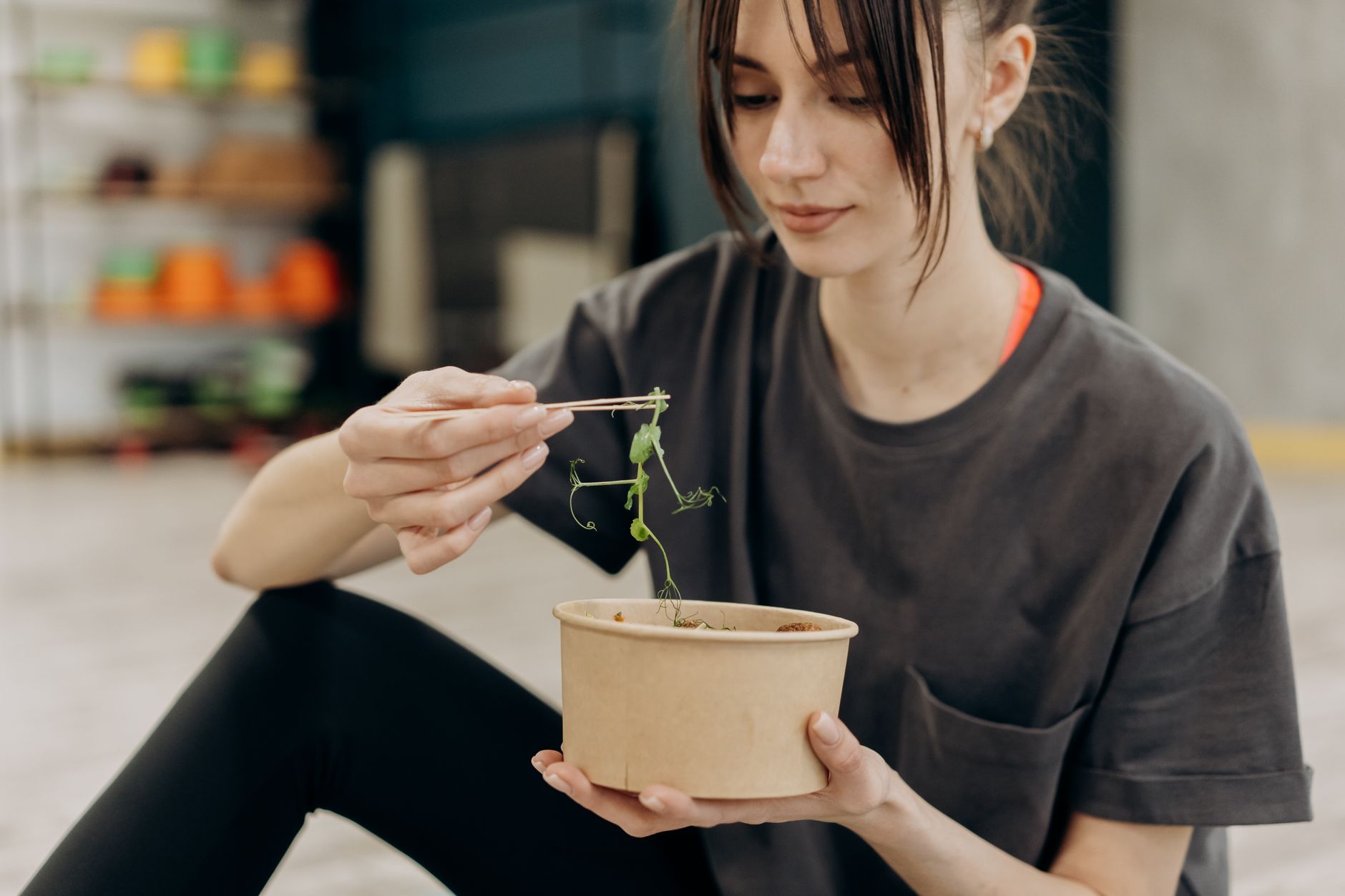
 Photo: Mikhail Nilov / Pexels
 Photo: Tima Miroshnichenko / Pexels
 Photo: vansh mehta / Pexels
 Photo: Yaroslav Shuraev / Pexels