Mastering Stretching Exercises for Flexibility
August 15, 2026 16 min read 3,212 words
Discover how targeted stretching can transform your physical capabilities, reduce injury risk, and boost daily comfort.
Start Stretching Now
The Science Behind Improved Mobility and Range of Motion
 Photo: Eric Garcia / Pexels
Understanding the physiological mechanisms behind flexibility is crucial for anyone looking to incorporate stretching exercises for flexibility into their routine. Our bodies are incredibly complex machines, and the ability to move freely and without pain is largely dependent on the suppleness of our muscles, tendons, and ligaments, as well as the health of our joints. When we talk about flexibility, we're referring to the absolute range of movement in a joint or series of joints, and the length of muscles that cross the joints to induce a bending movement or motion. This isn't just about touching your toes; it's about the ease with which you can perform everyday tasks, the efficiency of your athletic movements, and your overall quality of life.
Muscles are composed of contractile units called sarcomeres, which are made up of actin and myosin filaments. When you stretch, you're essentially elongating these sarcomeres. Over time, consistent stretching can lead to an increase in the number of sarcomeres arranged in series, allowing the muscle to lengthen more effectively. Furthermore, stretching helps to increase the extensibility of connective tissues, such as fascia, tendons, and ligaments. Fascia, a web-like tissue that surrounds muscles, organs, and bones, can become tight and restrictive. Regular stretching helps to release these fascial restrictions, allowing for greater freedom of movement. Tendons, which connect muscle to bone, and ligaments, which connect bone to bone, also benefit from stretching by becoming more pliable, though care must be taken not to overstretch and compromise joint stability.
Beyond the structural changes, stretching also impacts our nervous system. When a muscle is stretched, sensory receptors called muscle spindles detect the change in muscle length and send signals to the spinal cord. If the stretch is too rapid or intense, a stretch reflex is triggered, causing the muscle to contract to prevent overstretching and injury. However, with slow, controlled, and consistent stretching, the Golgi tendon organs (GTOs), located in the tendons, detect the tension and send signals to inhibit muscle contraction, allowing the muscle to relax and lengthen further. This neural adaptation is a key component of long-term flexibility gains. It essentially teaches your nervous system that it's safe to allow the muscle to extend to a greater range. This process is why gradual progression is so vital in any flexibility program; pushing too hard too fast can trigger protective reflexes that hinder progress. Understanding these physiological responses underscores the importance of proper technique and patience when performing stretching exercises for flexibility. It's not just about forcing your body into a position; it's about gently coaxing it to adapt and release tension, leading to lasting improvements in your mobility and overall physical health.
Learn more about fitness fundamentals.
Dynamic vs. Static Stretching: When and Why to Choose Each
 Photo: Nay Nyo / Pexels
When designing a comprehensive flexibility program, it's essential to understand the distinct roles of dynamic and static stretching. While both contribute to improved flexibility, they serve different purposes and are best utilized at specific times during your fitness routine. Misapplying these stretching techniques can not only limit your gains but also potentially increase your risk of injury.
Dynamic stretching involves moving your body through a full range of motion in a controlled manner. Think leg swings, arm circles, torso twists, or walking lunges. The key here is movement – you're not holding any position for an extended period. The primary goal of dynamic stretching is to prepare your muscles for activity by increasing blood flow, raising muscle temperature, and improving joint lubrication. It mimics the movements you're about to perform in your workout or sport, effectively warming up the relevant muscle groups and neural pathways. Research consistently shows that dynamic stretching before exercise can enhance athletic performance, including power, speed, and agility, while potentially reducing the risk of injury. It's particularly beneficial before activities that require explosive movements or a wide range of motion, such as running, jumping, or sports like basketball and soccer. The active engagement of muscles during dynamic stretches also helps to improve proprioception, which is your body's awareness of its position in space.
Static stretching, on the other hand, involves holding a stretched position for a period, typically 20-30 seconds, and sometimes longer. Examples include holding a hamstring stretch, a triceps stretch, or a quad stretch. The aim of static stretching is to increase the length of the muscle and connective tissues, thereby improving your passive range of motion. Traditionally, static stretching was recommended before exercise, but current research suggests that prolonged static stretching performed immediately before power-based activities can temporarily decrease muscle strength and power output. Therefore, static stretching is best reserved for after your workout, during your cool-down, or as a separate flexibility session. After exercise, muscles are warm and more pliable, making them more receptive to lengthening. This is when static stretching can most effectively improve long-term flexibility, reduce muscle soreness (DOMS), and aid in muscle recovery. It's also an excellent way to unwind and reduce muscle tension after a strenuous day or a long period of sitting. Incorporating both types of stretching at the appropriate times is the most effective strategy for maximizing your flexibility and supporting your overall physical performance and well-being.
It's important to note that for individuals with certain conditions or injuries, modifications or professional guidance may be necessary. For instance, people with hypermobility might need to focus more on strengthening exercises rather than extreme stretching, while those recovering from an injury might require specific therapeutic stretches. Always listen to your body and never stretch to the point of pain.
Top Stretching Exercises for Flexibility: A Comprehensive Guide
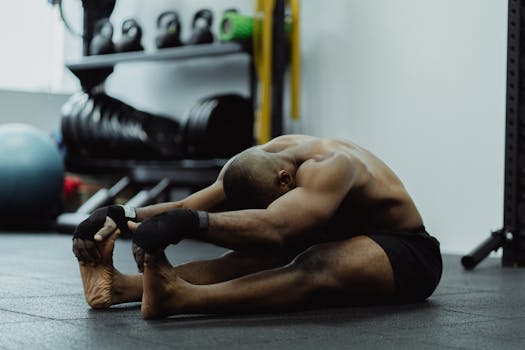 Photo: Ketut Subiyanto / Pexels
To truly unlock your body's potential, a well-rounded routine of stretching exercises for flexibility is essential. This guide covers some of the most effective stretches, categorized by major muscle groups, ensuring you address common areas of tightness and promote holistic mobility. Remember to perform these stretches slowly and deliberately, focusing on your breath and avoiding any sharp pain.
**For the Lower Body (Hips, Hamstrings, Quads, Calves):**
1. **Hamstring Stretch (Seated Forward Fold):** Sit on the floor with legs extended straight in front of you. Hinge at your hips, reaching towards your toes. Keep your back straight and avoid rounding your spine. Hold for 20-30 seconds. This targets the hamstrings and can also provide a gentle stretch for the lower back.
2. **Quad Stretch (Standing or Lying):** While standing, hold onto a wall for balance. Grab your right ankle with your right hand, gently pulling your heel towards your glutes. Keep your knees close together and hips tucked under. Feel the stretch in the front of your thigh. Repeat on the other side. Alternatively, lie on your side and perform the same action. This is crucial for runners and anyone with tight hip flexors.
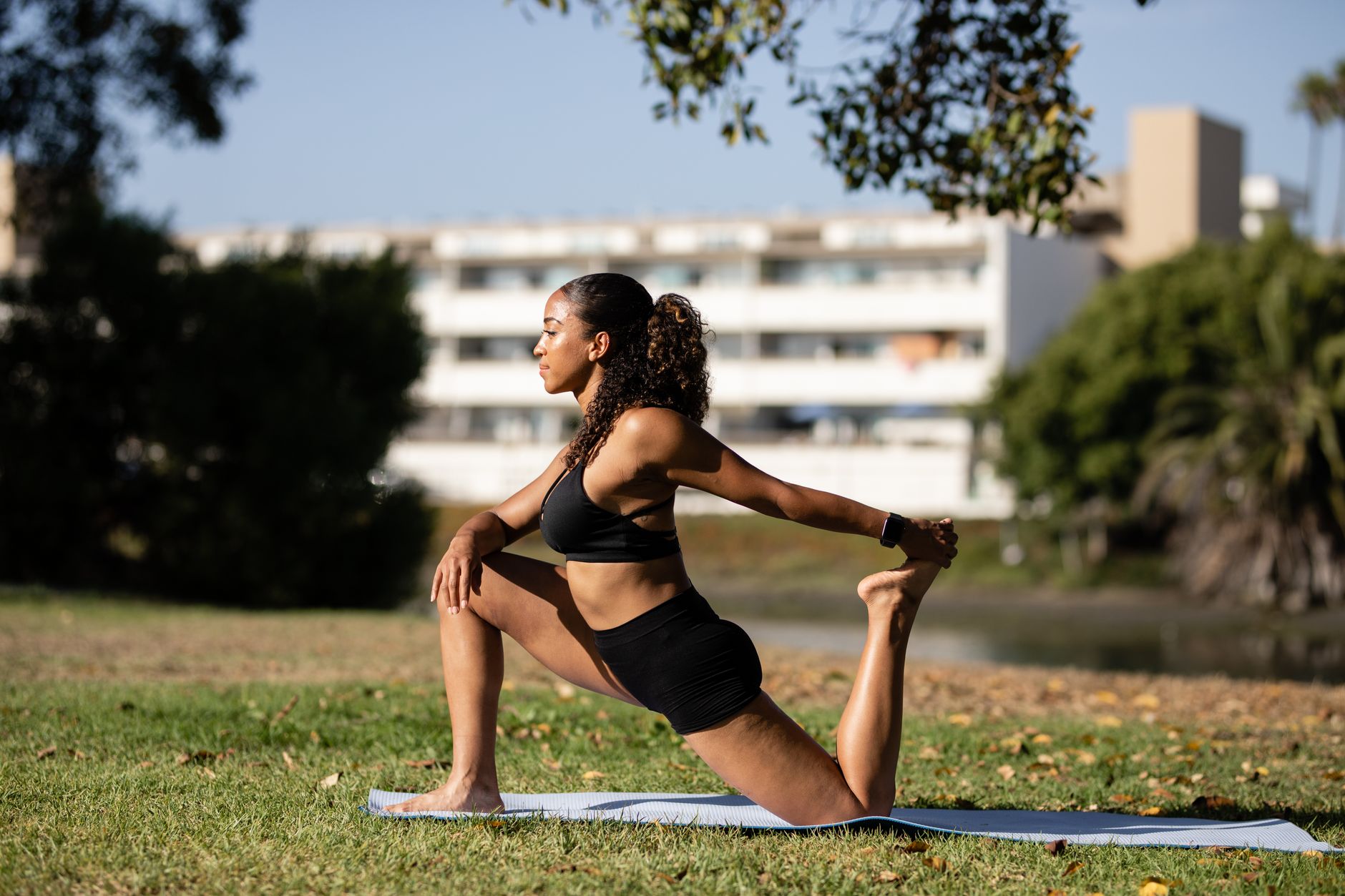
3. **Hip Flexor Stretch (Kneeling Lunge):** Kneel on one knee (e.g., right knee down) with the other foot flat on the floor in front of you (left foot). Gently push your hips forward until you feel a stretch in the front of your right hip. Keep your torso upright. Hold and switch sides. This stretch is vital for counteracting the effects of prolonged sitting.
4. **Calf Stretch (Wall Push):** Stand facing a wall, about arm's length away. Place your hands on the wall. Step one foot back, keeping your heel on the ground and leg straight. Lean into the wall, feeling the stretch in your calf. To target the soleus (lower calf), slightly bend the back knee. Hold and switch legs. Important for ankle mobility and preventing plantar fasciitis.
5. **Figure-Four Stretch (Glutes/Piriformis):** Lie on your back with knees bent and feet flat. Cross your right ankle over your left knee. Gently pull your left thigh towards your chest until you feel a stretch in your right glute. Hold and switch sides. Excellent for hip external rotation and relieving sciatic nerve pressure.
**For the Upper Body and Core (Back, Shoulders, Chest, Neck):**
1. **Cat-Cow Stretch (Spine Mobility):** Start on all fours, hands under shoulders, knees under hips. Inhale as you drop your belly, lift your chest and tailbone (cow pose). Exhale as you round your spine, tuck your chin to your chest (cat pose). Flow between these two positions for several breaths. This is a fantastic dynamic stretch for spinal articulation.
2. **Chest Opener (Doorway Stretch):** Stand in a doorway. Place your forearms on the doorframe, with elbows bent at 90 degrees. Gently step forward with one foot, feeling a stretch across your chest. Hold for 20-30 seconds. Great for counteracting hunched posture.
3. **Overhead Triceps/Lat Stretch:** Stand or sit tall. Raise one arm overhead, bend the elbow, and let your hand drop behind your head. Use your other hand to gently push down on the elbow, feeling the stretch in your triceps and side. Hold and switch arms. This also stretches the latissimus dorsi.
4. **Shoulder Roll/Neck Tilts:** Gently roll your shoulders forward and backward. For neck, slowly tilt your head to one side, bringing your ear towards your shoulder. Hold and repeat on the other side. These are gentle dynamic stretches perfect for releasing upper body tension.
Explore more fitness routines.
**Tips for Effective Stretching:**
* **Warm-up first:** Never stretch cold muscles. A light cardio warm-up (5-10 minutes) is ideal before static stretching.
* **Breathe deeply:** Use your breath to deepen the stretch. Exhale as you go deeper into the stretch.
* **Listen to your body:** You should feel a gentle pull, not pain. If it hurts, ease off.
* **Consistency:** Regular, even short, stretching sessions are more effective than infrequent, long ones.
* **Hold time:** For static stretches, aim for 20-30 seconds per stretch, repeating 2-3 times. For dynamic, 10-15 repetitions per movement.
Integrating these stretching exercises for flexibility into your routine will not only improve your physical range of motion but also contribute to better posture, reduced muscle soreness, and a greater sense of ease in your body.
Common Stretching Mistakes and How to Avoid Them
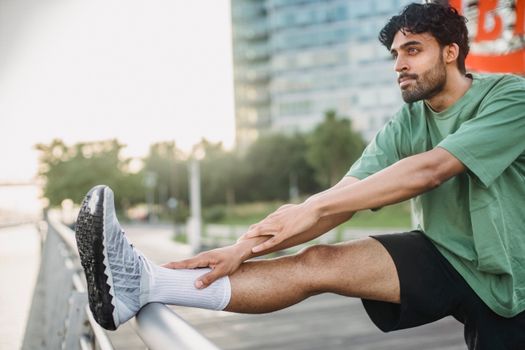 Photo: Ketut Subiyanto / Pexels
Even with the best intentions, many people make common mistakes when performing stretching exercises for flexibility, which can either reduce their effectiveness or, worse, lead to injury. Being aware of these pitfalls is the first step toward a safer and more productive stretching routine.
**1. Stretching Cold Muscles:** This is perhaps the most significant and common mistake. Stretching a cold muscle is like trying to stretch a cold rubber band – it's less pliable and more prone to snapping. Always perform a light warm-up (5-10 minutes of light cardio like walking or cycling) before static stretching. Dynamic stretches, which involve movement, can be part of your warm-up, as they actively increase blood flow and muscle temperature. However, deep static stretching should be reserved for when your muscles are already warm, typically after your main workout or as a dedicated flexibility session.
**2. Bouncing or Ballistic Stretching:** While ballistic stretching (bouncing into a stretch) is a specific technique used by advanced athletes for very particular purposes, it's generally not recommended for the average individual seeking general flexibility. Bouncing triggers the stretch reflex, causing the muscle to contract as a protective mechanism, which actually works against the goal of lengthening the muscle. It can also increase the risk of muscle pulls and tears. Instead, opt for slow, controlled movements in dynamic stretches and gentle, sustained holds in static stretches.
**3. Stretching to the Point of Pain:** A stretch should feel like a gentle pull or tension, not sharp or excruciating pain. Pain is your body's signal that something is wrong. Pushing past this point can lead to muscle strains, tears, or joint damage. Listen to your body and respect its limits. Over time, with consistent, gentle stretching, your range of motion will gradually improve. The 'no pain, no gain' mentality is counterproductive when it comes to flexibility.
**4. Holding Your Breath:** Many people unconsciously hold their breath during a stretch, especially when it's challenging. Holding your breath increases tension in the body and can elevate blood pressure. Instead, focus on deep, controlled breathing. Inhale before the stretch, and as you exhale, gently deepen the stretch. This helps relax the muscles and allows for greater range of motion.
**5. Neglecting Proper Form:** Just like with strength training, proper form is paramount in stretching. Incorrect alignment can lead to stretching the wrong muscles, putting undue stress on joints, or even causing injury. For example, rounding your back during a hamstring stretch can put pressure on your spine instead of effectively lengthening your hamstrings. If you're unsure about the correct form for a stretch, consult a fitness professional, watch instructional videos, or use mirrors to check your posture.
**6. Inconsistency:** Flexibility is not a one-time achievement; it's an ongoing process. Sporadic stretching sessions will yield minimal results. To see significant and lasting improvements in flexibility, consistency is key. Aim for at least 3-5 sessions per week, even if they are short (10-15 minutes). Regularity allows your muscles and connective tissues to adapt and lengthen over time.
**7. Stretching Only Your Favorites:** It's easy to focus on areas that feel good to stretch or that are already somewhat flexible. However, true flexibility requires a balanced approach. Neglecting certain muscle groups can lead to muscular imbalances, which can contribute to poor posture, pain, and increased injury risk. Ensure your routine includes stretches for all major muscle groups, including those you might find challenging.
By avoiding these common mistakes, you can make your stretching exercises for flexibility much more effective, enjoyable, and safe, paving the way for improved mobility and overall physical well-being. Always prioritize safety and listen to your body's signals.