✓ Yoga can significantly reduce chronic low back pain.
✓ Specific poses target muscle imbalances and improve flexibility.
✓ Mindful breathing in yoga aids in pain management and relaxation.
✓ Consistency is key for long-term back pain relief with yoga.
How It Works
1
Understand Your Pain
Before starting any new exercise regimen, consult a healthcare professional to understand the root cause of your back pain. This ensures you choose appropriate poses and avoid aggravating any underlying conditions.
2
Start Gently & Listen
Begin with gentle, foundational yoga poses, paying close attention to your body's signals. Never push into pain; slight discomfort is acceptable, but sharp pain means you should ease off or stop.
3
Focus on Alignment & Breath
Proper alignment is crucial to protect your spine and maximize the benefits of each pose. Synchronize your movements with your breath, using exhalations to deepen stretches and inhalations to lengthen.
4
Build a Consistent Practice
Regularity is more important than intensity when using yoga for back pain. Aim for short, frequent sessions (10-20 minutes daily) to build strength, flexibility, and sustained relief over time.
Understanding Back Pain and Yoga's Role
Photo: Kindel Media / Pexels
Back pain is a pervasive issue affecting millions of Americans, ranging from dull aches to sharp, debilitating sensations. It can stem from various causes, including poor posture, muscle strain, disc issues, sciatica, and even stress. The conventional approach often involves medication, physical therapy, or in severe cases, surgery. However, a growing body of evidence supports the effectiveness of complementary therapies like yoga in managing and alleviating back pain. Yoga, an ancient practice combining physical postures (asanas), breathing techniques (pranayama), and meditation, offers a holistic pathway to relief. It addresses not just the symptoms but also the underlying factors contributing to discomfort.
One of the primary ways yoga helps with back pain is by improving flexibility and mobility. Many types of back pain are exacerbated by tight muscles, particularly in the hamstrings, hip flexors, and glutes, which can pull on the pelvis and lumbar spine. Yoga poses gently stretch these areas, releasing tension and restoring a healthy range of motion. For instance, poses like Supine Spinal Twist or Cat-Cow stretch the spine in multiple directions, lubricating the vertebral discs and promoting spinal health. Furthermore, yoga strengthens the core muscles—the abdominals, obliques, and lower back muscles—which are essential for supporting the spine and maintaining proper posture. A strong core acts like a natural corset, providing stability and reducing the burden on your back. Weak core muscles are a significant contributor to chronic back pain, and consistent yoga practice can significantly improve this.
Beyond the physical aspects, yoga incorporates mindfulness and breathing techniques that are invaluable for pain management. Chronic pain often leads to stress, anxiety, and a heightened perception of pain. Deep, controlled breathing, a cornerstone of yoga, activates the parasympathetic nervous system, promoting relaxation and reducing the body's 'fight or flight' response. This can lower muscle tension and alter pain perception. The meditative component of yoga encourages practitioners to observe their sensations without judgment, fostering a sense of detachment from pain and promoting mental resilience. This mind-body connection helps individuals cope better with pain and reduces the psychological toll it can take. Moreover, practicing yoga regularly can lead to improved body awareness, allowing individuals to identify and correct poor postural habits that contribute to their back pain in daily life. This proactive approach empowers individuals to take control of their well-being rather than just reacting to pain. Incorporating yoga into your routine can be a transformative step towards sustainable back health, offering both immediate relief and long-term preventative benefits. It's a journey of self-discovery and healing, guided by the principles of gentle movement and mindful presence. For more insights into overall physical well-being, explore our resources on fitness for a healthier life.
Essential Yoga Poses for Lower Back Pain Relief
Photo: Miriam Alonso / Pexels
When targeting lower back pain, specific yoga poses are particularly effective due to their ability to gently stretch, strengthen, and decompress the lumbar spine. It's crucial to approach these poses with awareness, never forcing a stretch, and listening to your body's signals. Start with a gentle warm-up, perhaps a few rounds of Cat-Cow, to prepare your spine. The first essential pose is **Child's Pose (Balasana)**. This restorative pose gently stretches the lower back and hips while calming the mind. From a kneeling position, sit your hips back towards your heels, extending your torso forward and resting your forehead on the mat. You can widen your knees for more space or keep them together. Breathe deeply, allowing your back to release tension. Hold for 3-5 minutes.
Next, **Cat-Cow Pose (Marjaryasana-Bitilasana)** is excellent for mobilizing the spine and relieving stiffness. Starting on all fours, hands under shoulders and knees under hips, inhale as you drop your belly, lift your chest and tailbone for Cow pose. Exhale as you round your spine towards the ceiling, tucking your chin and tailbone for Cat pose. Flow between these two movements for 10-15 breaths, synchronizing with your breath. This movement helps to warm up the spine and improve its flexibility. Following this, **Thread the Needle Pose (Urdhva Mukha Pasasana variation)** offers a wonderful stretch for the upper back and shoulders, which can often contribute to lower back tension. From all fours, slide your right arm under your left armpit, palm facing up, and rest your right shoulder and ear on the mat. Extend your left arm forward or keep it bent with the hand near your face. Hold for 1-2 minutes per side.
For direct lower back decompression, **Knees-to-Chest Pose (Apanasana)** is invaluable. Lying on your back, gently draw both knees towards your chest, clasping your hands around your shins or behind your thighs. You can hold still or gently rock side to side to massage your lower back. This pose helps to release tension in the sacrum and lumbar spine. Hold for 1-2 minutes. Another excellent pose for lengthening the spine and stretching the hamstrings (which can pull on the lower back) is **Supine Hamstring Stretch**, using a strap or towel. Lie on your back, extend one leg straight, and loop a strap around the sole of the other foot. Gently pull the leg towards you, keeping a slight bend in the knee if needed, feeling the stretch in the back of the thigh. Hold for 1-2 minutes per leg. Finally, for gentle spinal rotation and release, **Supine Spinal Twist (Supta Matsyendrasana)** is highly beneficial. Lying on your back, extend your arms out to a T-shape. Bring both knees to your chest, then drop them gently to one side, keeping both shoulders grounded as much as possible. Turn your head in the opposite direction. Hold for 1-2 minutes per side. These poses, when practiced consistently and mindfully, can bring significant relief and improve the overall health of your lower back, leading to a more comfortable and active life.
Advanced & Restorative Yoga for Chronic Back Pain
Photo: Elina Fairytale / Pexels
Once you've established a consistent practice with foundational poses and your back pain has begun to subside, you might consider incorporating more advanced or restorative variations to deepen your healing and maintain long-term back health. It's important to remember that 'advanced' doesn't necessarily mean more difficult or complex; it can also mean more profound or nuanced. For those dealing with chronic back pain, restorative yoga, in particular, can be incredibly beneficial. Poses like **Supported Bridge Pose (Setu Bandhasana)**, using a block or bolster under the sacrum, allow the back to gently arch and release tension without active muscular effort. Lie on your back, bend your knees, and place your feet flat on the floor close to your glutes. Lift your hips and slide a block (at a comfortable height) or a bolster under your sacrum (the flat bone at the base of your spine). Relax here, allowing gravity to gently open the chest and stretch the front of the body, while the lower back is supported and decompressed. Hold for 3-5 minutes, focusing on deep, calming breaths. This pose is wonderful for relieving fatigue and mild backache.
Another excellent restorative pose is **Legs-Up-the-Wall (Viparita Karani)**. This inversion gently stretches the hamstrings and lower back, while also calming the nervous system. Sit with one hip as close to the wall as possible, then swing your legs up the wall as you lie back, so your torso is perpendicular to the wall and your legs are resting vertically. You can place a cushion under your hips for added comfort. Rest your arms comfortably by your sides, palms up. Stay in this pose for 5-15 minutes, focusing on your breath and allowing your body to release tension. This pose is particularly good for relieving tired legs and mild back stiffness. For a slightly more active, yet still gentle, approach to strengthening and lengthening, consider **Sphinx Pose (Salamba Bhujangasana)**. Lying on your stomach, place your forearms on the mat, elbows directly under your shoulders, palms flat. Gently lift your chest, keeping your neck long and gazing forward. Avoid crunching into your lower back; instead, imagine lengthening your spine. This gentle backbend strengthens the back muscles and can help improve posture. Hold for 1-3 minutes.
As you progress, incorporating poses that build core strength more directly can prevent future episodes of back pain. **Bird-Dog Pose (Dandayamana Bharmanasana variation)**, done slowly and with control, strengthens the core and improves balance without putting undue strain on the back. From all fours, extend your right arm forward and your left leg straight back, keeping your core engaged and your hips level. Hold for a few breaths, then switch sides. Repeat 5-10 times per side. Remember, the goal is not to achieve extreme flexibility but to cultivate a balanced, strong, and pain-free back. Always listen to your body, modify poses as needed, and consider practicing with a qualified yoga instructor experienced in therapeutic yoga for back pain. Consistent, mindful practice with these poses, along with good posture throughout your day, can lead to remarkable and lasting relief from chronic back pain, allowing you to reclaim your vitality. For maintaining overall flexibility, explore resources like stretching for daily flexibility.
Tips for Safe Practice and Common Mistakes to Avoid
Photo: Elina Fairytale / Pexels
Practicing yoga for back pain relief can be incredibly beneficial, but doing so safely is paramount to prevent further injury and maximize therapeutic effects. Here are essential tips and common mistakes to avoid:
**Tips for Safe Practice:**
* **Consult a Healthcare Professional:** Before beginning any new exercise regimen, especially if you have chronic or severe back pain, consult your doctor or physical therapist. They can diagnose the cause of your pain and advise on appropriate movements.
* **Start Slow and Gentle:** Do not rush into deep stretches. Begin with simpler variations of poses and gradually increase intensity as your flexibility and strength improve. Your body needs time to adapt.
* **Listen to Your Body:** This is the golden rule of yoga. Never push into sharp or shooting pain. A mild, comfortable stretch is fine, but pain is your body's signal to stop or modify the pose. Back off immediately if you feel any discomfort.
* **Use Props Wisely:** Yoga props like blocks, straps, blankets, and bolsters are your friends. They can help you achieve proper alignment, provide support, and make poses more accessible and restorative, especially when flexibility is limited.
* **Focus on Breath (Pranayama):** Your breath is a powerful tool for pain management and relaxation. Deep, conscious breathing helps relax muscles, reduces stress, and allows you to deepen stretches safely. Inhale to lengthen, exhale to release tension.
* **Maintain Proper Alignment:** Incorrect alignment can exacerbate back pain. Pay attention to cues like keeping your spine long, hips level, and shoulders relaxed. If unsure, practice in front of a mirror or consider a few sessions with a qualified instructor.
* **Consistency Over Intensity:** Short, regular yoga sessions (10-20 minutes daily) are often more effective for back pain relief than infrequent, intense practices. Consistency builds strength and flexibility over time.
* **Warm-Up and Cool-Down:** Always start with gentle movements to warm up your muscles and end with restorative poses and a short savasana (relaxation) to allow your body to integrate the benefits.
**Common Mistakes to Avoid:**
* **Forcing Stretches:** Pushing beyond your current range of motion can strain muscles or ligaments, leading to injury. Yoga is not about competition or achieving perfect shapes, but about honoring your body.
* **Holding Your Breath:** Holding your breath creates tension in the body, counteracting the relaxation benefits of yoga. Keep your breath flowing smoothly and deeply throughout your practice.
* **Ignoring Pain Signals:** Dismissing pain as 'just a stretch' is a common and dangerous mistake. Differentiate between a healthy stretch sensation and actual pain, and always prioritize safety.
* **Rounding the Lower Back in Forward Folds:** In seated forward folds, rounding your lower back can put undue pressure on your spinal discs. Instead, hinge from your hips, keeping your spine long, even if it means not going as deep.
* **Over-Arching the Lower Back in Backbends:** In poses like Cobra or Upward-Facing Dog, avoid dumping all the compression into your lower back. Engage your core and glutes to support your spine and distribute the backbend evenly.
* **Lack of Core Engagement:** A weak core contributes to back pain. Neglecting to engage your abdominal muscles during poses means your back has to work harder, increasing strain.
* **Jerky Movements:** All yoga movements should be slow, controlled, and fluid. Jerky movements can shock muscles and joints, making them more prone to injury.
* **Comparing Yourself to Others:** Everyone's body is different. Focus on your own journey and progress, rather than trying to replicate what you see others doing. Your yoga practice is personal and unique to you.
By adhering to these guidelines and being mindful during your practice, you can harness the powerful healing potential of yoga to alleviate back pain safely and effectively, paving the way for a more comfortable and mobile life.
Comparison
Feature
Yoga for Back Pain
Traditional Stretching
Pain Medication
Holistic Approach
✓ (Mind, Body, Breath)
✗ (Primarily Physical)
✗ (Symptom-focused)
Core Strengthening
✓ (Integral)
✗ (Often separate)
✗ (No direct benefit)
Flexibility Improvement
✓ (Gradual & Deep)
✓ (Specific muscle groups)
✗ (No direct benefit)
Stress Reduction
✓ (Through mindfulness)
✗ (Limited)
✗ (Can cause side effects)
Long-term Solution
✓ (Preventative & Curative)
✓ (Maintenance)
✗ (Temporary relief)
Side Effects
Minimal (if practiced safely)
Minimal (if practiced safely)
Potential (e.g., drowsiness, addiction)
Accessibility
High (can do at home)
High (can do at home)
Requires prescription
What Readers Say
★★★★★
"I suffered from chronic lower back pain for years. Incorporating these yoga poses into my daily routine has been a game-changer. My flexibility has improved drastically, and I can finally sleep through the night without discomfort."
Sarah J. · Austin, TX
★★★★★
"As a construction worker, my back takes a beating. These yoga poses for back pain relief are my secret weapon. They help me decompress after a long day and prevent stiffness that used to plague me."
Mark D. · Denver, CO
★★★★★
"After just two weeks of consistently practicing the recommended yoga poses, my nagging sciatica pain has significantly decreased. I feel stronger, more centered, and have regained mobility I thought was lost."
Emily R. · Seattle, WA
★★★★★
"I was skeptical about yoga for my back pain, but the gentle stretches really do help. It's not a magic bullet, but it provides noticeable relief and helps me manage my discomfort better without relying solely on medication."
David L. · Chicago, IL
★★★★★
"Working from home meant hours hunched over a laptop, leading to terrible upper and lower back pain. These yoga poses have not only alleviated the pain but also improved my posture, making my workdays much more comfortable."
Jessica M. · Miami, FL
Frequently Asked Questions
What are the best yoga poses for back pain relief, specifically for the lower back?
For lower back pain, effective yoga poses include Child's Pose, Cat-Cow, Knees-to-Chest, Supine Spinal Twist, and Sphinx Pose. These poses gently stretch, strengthen, and mobilize the lumbar spine, helping to release tension and improve flexibility. Always start gently and listen to your body's signals.
Is yoga safe if I have a herniated disc?
If you have a herniated disc, it's crucial to consult your doctor or a physical therapist before starting yoga. Certain poses can exacerbate the condition, while others, when modified appropriately, can provide relief. Focus on gentle, non-compressing movements and avoid deep forward folds or twists that cause pain.
How often should I practice yoga for effective back pain relief?
Consistency is key. Aim for 10-20 minutes of yoga daily, or at least 3-4 times a week, for optimal results. Regular, gentle practice is more effective than infrequent, intense sessions, as it allows your body to gradually build strength and flexibility.
Do I need special equipment to start yoga for back pain?
You don't need much to start. A yoga mat provides cushioning and grip. Props like a yoga strap, blocks, or a bolster can be very helpful for modifying poses and providing support, making the practice more accessible and comfortable, especially when dealing with pain.
How does yoga compare to physical therapy for back pain?
Yoga can be a valuable complement to physical therapy, or even a standalone solution for mild to moderate back pain. While physical therapy often focuses on targeted strengthening and rehabilitation, yoga offers a holistic approach, combining physical postures with breathwork and mindfulness for both physical and mental well-being. Always discuss with your healthcare provider.
Who should avoid certain yoga poses for back pain relief?
Individuals with acute injuries, severe osteoporosis, recent surgeries, or specific spinal conditions (like spondylolisthesis) should exercise extreme caution or avoid certain poses. Always consult a healthcare professional and a qualified yoga instructor specializing in therapeutic yoga to ensure your practice is safe and beneficial for your specific condition.
Are there any risks associated with doing yoga for back pain?
The main risks arise from improper technique, pushing too hard, or ignoring pain signals, which can lead to muscle strains or aggravation of existing conditions. Practicing mindfully, listening to your body, using props, and seeking guidance from experienced instructors can significantly mitigate these risks.
Can yoga help prevent future episodes of back pain?
Yes, consistent yoga practice can significantly help prevent future episodes of back pain. By strengthening core muscles, improving flexibility, enhancing posture, and increasing body awareness, yoga addresses many common root causes of back pain, building resilience and promoting long-term spinal health.
Ready to move beyond the discomfort? Embrace the healing power of yoga poses for back pain relief and discover a path to a stronger, more flexible, and pain-free back. Start your journey today and reclaim your comfort and vitality.

 Photo: Kindel Media / Pexels
 Photo: Miriam Alonso / Pexels
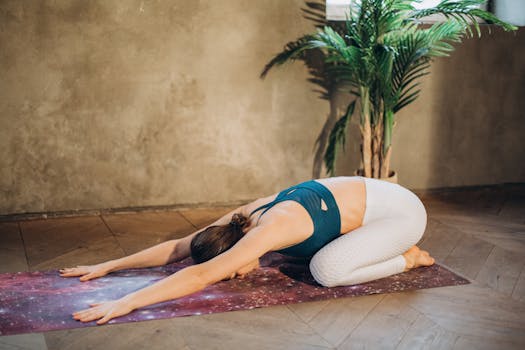 Photo: Elina Fairytale / Pexels
 Photo: Elina Fairytale / Pexels