✓ Regular yoga practice can increase flexibility by up to 35% in just 12 weeks.
✓ Improved flexibility reduces risk of injury in daily activities and other sports.
✓ Yoga not only stretches muscles but also improves joint lubrication and connective tissue elasticity.
✓ Specific breathing techniques (pranayama) enhance the effectiveness of flexibility poses.
How It Works
1
Understand Your Body's Limits
Begin by acknowledging your current flexibility level without judgment. Listen to your body and never push into pain, only to a gentle stretch.
2
Build a Consistent Practice
Consistency is key for flexibility gains. Aim for short, regular sessions (15-30 minutes, 3-5 times a week) rather than infrequent long ones.
3
Focus on Breath and Alignment
Deep, steady breathing helps relax muscles and deepen stretches. Proper alignment protects your joints and maximizes the stretch's benefits.
4
Progress Gradually and Safely
Flexibility is a journey, not a destination. Gradually increase the intensity and duration of your stretches, using props as needed to support your progress.
The Science Behind Yoga and Enhanced Flexibility
Photo: dada _design / Pexels
Yoga has been practiced for thousands of years, revered not only for its spiritual benefits but also for its profound physical effects, particularly on flexibility. But what exactly happens in our bodies when we engage in yoga poses for flexibility? It's far more than just stretching muscles. Our bodies are complex systems of interconnected tissues: muscles, tendons, ligaments, and fascia. When we hold a yoga pose, we are not only lengthening muscle fibers but also influencing the elasticity of these crucial connective tissues. Tendons, which connect muscle to bone, and ligaments, which connect bone to bone, gain resilience and a greater capacity for movement. Fascia, the web-like tissue that encases muscles, organs, and bones, also benefits from consistent stretching. Over time, fascia can become stiff and restrictive, limiting range of motion. Yoga's sustained stretches and diverse movements help to rehydrate and release fascial adhesions, leading to a feeling of greater freedom and less restriction.
Beyond the physical stretching, the neurophysiological effects of yoga play a significant role. When we stretch, our nervous system sends signals to our muscles. If stretched too quickly or too far, the stretch reflex kicks in, causing the muscle to contract to prevent injury. Yoga encourages slow, deliberate movements and holding poses for a sustained period, often combined with deep breathing. This approach helps to desensitize the stretch reflex, allowing muscles to relax and lengthen more effectively. The parasympathetic nervous system, responsible for 'rest and digest' functions, is activated through mindful breathing and sustained holds, further promoting muscle relaxation and reducing tension. This means that with consistent practice of yoga poses for flexibility, your body learns to be more receptive to stretching, making future flexibility gains easier and more comfortable. Incorporating a variety of poses that target different muscle groups ensures a balanced improvement in your overall physical fitness and mobility, preventing imbalances that can lead to injury. Understanding these underlying mechanisms empowers you to approach your yoga practice with greater intention and achieve more significant, lasting results in your flexibility journey. It's a holistic approach that acknowledges the intricate relationship between your mind, muscles, and connective tissues.
Essential Yoga Poses for Beginners to Boost Flexibility
Photo: Elina Fairytale / Pexels
For those just embarking on their journey to increased flexibility through yoga, starting with foundational poses is crucial. These poses are accessible, provide significant benefits, and build the necessary strength and body awareness for more advanced movements. Let's explore some of the best yoga poses for flexibility, perfect for beginners:
1. **Downward-Facing Dog (Adho Mukha Svanasana):** This iconic pose stretches the entire back of the body, from the heels to the wrists. It lengthens the hamstrings, calves, and spine while strengthening the arms and shoulders. To perform, start on your hands and knees, then lift your hips towards the sky, forming an inverted 'V' shape. Keep a slight bend in your knees if your hamstrings are tight, and focus on lengthening your spine.
2. **Cat-Cow Pose (Marjaryasana-Bitilasana):** A gentle, flowing sequence that warms up the spine and improves spinal flexibility. On hands and knees, inhale as you drop your belly, lift your chest and tailbone (Cow). Exhale as you round your spine, tucking your chin to your chest (Cat). This rhythmic movement helps to lubricate the vertebrae and release tension in the back.
3. **Child's Pose (Balasana):** While primarily a resting pose, Child's Pose gently stretches the hips, thighs, and ankles while calming the brain. Kneel on the floor, bring your big toes to touch, and sit your hips back towards your heels. Extend your torso forward and rest your forehead on the mat. This pose is excellent for releasing tension and preparing the body for deeper stretches.
4. **Supine Spinal Twist (Supta Matsyendrasana):** A fantastic pose for spinal mobility and releasing tension in the lower back and hips. Lie on your back, extend your arms out to a 'T', and bring your knees into your chest. Let your knees fall to one side, keeping both shoulders grounded. This gentle twist helps to decompress the spine and improve rotational flexibility.
5. **Low Lunge (Anjaneyasana):** This pose targets the hip flexors, a muscle group often tight from prolonged sitting. Step one foot forward, keeping your knee stacked over your ankle, and drop your back knee to the mat. You can keep your hands on the floor or lift them to the sky for a deeper stretch. This opens the front of the hip and lengthens the quadriceps.
6. **Seated Forward Fold (Paschimottanasana):** A powerful hamstring and back stretch. Sit with your legs extended in front of you, feet flexed. Inhale to lengthen your spine, and exhale as you hinge from your hips, reaching towards your feet. Prioritize a long spine over reaching your toes; a slight bend in the knees is perfectly fine. This pose also calms the nervous system.
7. **Reclined Bound Angle Pose (Supta Baddha Konasana):** This restorative pose gently opens the hips and groin. Lie on your back, bring the soles of your feet together, and let your knees fall out to the sides. You can place props under your knees for support. It's a wonderful way to passively release tension in the inner thighs and hips. Remember, the goal is not to force yourself into these shapes, but to gently explore your body's current range of motion. Consistency and patience are your greatest allies.
Integrating Advanced Yoga Poses for Deeper Flexibility
Photo: Hengga Wang / Pexels
Once you've built a solid foundation with beginner poses and feel comfortable with the basic principles of alignment and breath, you can begin to explore more advanced yoga poses for flexibility. These poses often require greater strength, balance, and deeper opening in specific areas of the body. Approaching them with mindfulness and respect for your body's current capabilities is paramount. Always warm up thoroughly before attempting these poses, and use props like blocks or straps to support your practice and prevent injury. Remember, the journey towards deeper flexibility is gradual, and consistency is far more important than perfection in any single pose.
1. **King Pigeon Pose (Eka Pada Rajakapotasana):** This is a profound hip opener and backbend, targeting external rotation of the front hip and deep hip flexor stretch for the back leg. From Downward Dog, bring your right knee forward towards your right wrist, placing your shin on the mat. Extend your left leg straight back. For the full expression, you might reach back to grasp your back foot, drawing it towards your head. This pose demands patience and significant hip preparation.
2. **Splits (Hanumanasana):** Often seen as the pinnacle of hamstring and hip flexor flexibility, Hanumanasana requires extensive opening in both areas. It's crucial to warm up with poses like Low Lunge, Half Splits, and Pyramid Pose. Slowly extend one leg forward and the other back, keeping your hips squared. Use blocks under your hands or hips for support as you gradually work towards a full split. Rushing this pose can lead to injury.
3. **Compass Pose (Parivrtta Surya Yantrasana):** This pose combines a deep hamstring stretch with a side bend and shoulder opener. Sit with one leg extended, and the other bent with the foot near your groin. Take the extended leg's foot with the opposite hand, and lift it towards the sky, extending the leg and twisting your torso. This pose requires significant hamstring and shoulder flexibility and is a great way to improve lateral mobility.
4. **Eagle Pose (Garudasana):** While often thought of as a balance pose, Eagle Pose offers an incredible stretch for the shoulders, upper back, and outer hips. Wrap one leg over the other, tucking the foot behind the calf, and wrap your arms similarly. The sustained hold and deep intertwining of limbs create a unique stretch that releases tension in often-neglected areas. It also improves joint mobility in the ankles, knees, and wrists.
5. **Bound Angle Pose (Baddha Konasana) - Advanced Variation:** While the reclined version is for beginners, the seated version can be deepened significantly. From a seated position, bring the soles of your feet together, drawing your heels close to your groin. Hinge forward from your hips, keeping your spine long, and gently press your knees towards the floor. For an advanced variation, you can round your back and bring your forehead to your feet. This is an excellent pose for opening the inner thighs and groin, which are crucial for many other advanced flexibility poses. Consistent practice of these advanced yoga poses for flexibility, coupled with mindful breathing and proper alignment, will unlock new levels of range of motion and body awareness, enhancing not just your yoga practice but your overall athletic performance and daily comfort.
Common Mistakes and Expert Tips for Maximizing Flexibility Gains
Photo: Zulfugar Karimov / Pexels
Achieving greater flexibility through yoga is a rewarding journey, but it's important to be aware of common pitfalls and adopt smart strategies to maximize your gains safely and effectively. Avoiding these mistakes will protect your body and ensure consistent progress.
**Common Mistakes to Avoid:**
* **Forcing Stretches:** The biggest mistake is pushing into pain. Pain is your body's signal to stop. Instead of forcing, aim for a gentle stretch where you can still breathe deeply. Flexibility comes from relaxation, not brute force.
* **Holding Your Breath:** Breath is your guide in yoga. Holding your breath creates tension in the body, counteracting the purpose of stretching. Always maintain a steady, deep breath, using exhales to deepen into poses.
* **Skipping Warm-up:** Jumping straight into deep stretches without warming up your muscles significantly increases the risk of injury. Always start with dynamic movements like Cat-Cow, sun salutations, or light cardio to prepare your body.
* **Comparing Yourself to Others:** Everyone's body is different. Your flexibility journey is unique. Focus on your own progress and listen to your body, rather than trying to mimic someone else's pose.
* **Inconsistency:** Sporadic practice yields minimal results. Flexibility, like strength, requires consistent effort. Short, regular sessions are far more effective than infrequent, intense ones.
* **Ignoring Props:** Yoga props like blocks, straps, and blankets are not a sign of weakness; they are tools to help you achieve proper alignment, deepen stretches safely, and support your body where needed.
**Expert Tips for Maximizing Flexibility:**
* **Listen to Your Body:** This cannot be stressed enough. Pay attention to sensations. A mild, pleasant stretch is good; sharp or stabbing pain is a warning.
* **Hold Poses Longer:** For flexibility, aim to hold stretches for 30 seconds to 1 minute, or even longer in restorative poses. This gives your muscles and connective tissues time to release.
* **Breathe Deeply:** Use your breath to facilitate the stretch. Inhale to lengthen, and exhale to soften and deepen into the pose. Deep breaths also calm the nervous system, allowing muscles to relax.
* **Practice Consistently:** Aim for at least 3-5 times a week, even if it's just 15-20 minutes. Regularity is the key to lasting flexibility improvements.
* **Stay Hydrated:** Water is essential for the elasticity of your tissues, including muscles and fascia. Dehydrated tissues are less flexible and more prone to injury.
* **Incorporate Dynamic and Static Stretching:** While holding poses (static stretching) is crucial, also include dynamic stretches (movements through a range of motion) to warm up and improve functional flexibility.
* **Use Props Wisely:** Blocks can bring the floor closer, straps can extend your reach, and blankets can provide cushioning. Don't hesitate to use them to make poses more accessible and effective.
* **Mindful Movement:** Move slowly and with intention into and out of poses. This prevents injury and helps you connect with your body's sensations.
* **Don't Forget the Cool-Down:** End your practice with gentle, restorative stretches to allow your body to integrate the work and relax.
By embracing these tips and avoiding common mistakes, you'll embark on a safer, more effective path to unlocking greater flexibility through your yoga practice.
Comparison
Feature
Yoga for Flexibility
Static Stretching
Dynamic Stretching
Approach
Holistic (physical + mental)
Isolated muscle holds
Movement-based
Benefits Beyond Flexibility
Strength, balance, mindfulness
Limited
Warm-up, range of motion
Injury Risk (when done correctly)
Low
Moderate (if cold muscle)
Low
Spinal Health
✓
✗
✗
What Readers Say
★★★★★
"I used to feel so stiff, especially in my hips and lower back. After consistently practicing these yoga poses for flexibility for three months, I can touch my toes again! It's truly transformative."
Sarah J. · Austin, TX
★★★★★
"As a runner, my hamstrings were always tight. Integrating these specific yoga poses into my routine has not only improved my flexibility but also reduced my post-run soreness significantly."
Mark T. · Denver, CO
★★★★★
"I started with just 15 minutes a day using the beginner poses, and within a month, I noticed a huge difference in my posture and overall ease of movement. My back pain is almost gone!"
Emily R. · Miami, FL
★★★★★
"The guide is incredibly thorough, though some of the advanced poses are still a challenge for me. I appreciate the emphasis on listening to your body and using props, which makes it feel less intimidating."
David L. · Seattle, WA
★★★★★
"I thought yoga was just for relaxation, but these flexibility poses have completely changed my athletic performance. My golf swing has improved, and I feel so much more agile on the court."
Jessica M. · Chicago, IL
Frequently Asked Questions
How often should I practice yoga poses for flexibility to see results?
For noticeable improvements in flexibility, aim for a consistent practice of 3-5 times per week, even if it's just for 15-30 minutes each session. Regularity is more important than the length of individual sessions. Your body adapts best to consistent, gentle stimulation.
I'm not flexible at all, can I still do yoga?
Absolutely! Yoga is for everyone, regardless of current flexibility. In fact, if you're not flexible, you have the most to gain. Start with beginner-friendly poses, use props like blocks and straps, and focus on gentle stretching without pain. Your flexibility will improve over time.
What are the best yoga poses for tight hamstrings?
For tight hamstrings, focus on poses like Seated Forward Fold (Paschimottanasana), Downward-Facing Dog (Adho Mukha Svanasana), Half Splits (Ardha Hanumanasana), and Reclined Hand-to-Big-Toe Pose (Supta Padangusthasana). Remember to keep a micro-bend in your knees and hinge from your hips.
Do I need special equipment for yoga poses for flexibility?
While not strictly necessary, a yoga mat is highly recommended for comfort and grip. Props like yoga blocks, a strap, and a blanket can be incredibly helpful, especially for beginners or those with limited flexibility, to support poses and deepen stretches safely. They are affordable and widely available.
How does yoga compare to traditional stretching for flexibility?
Yoga offers a holistic approach. While it includes static stretching, it also incorporates dynamic movements, strength building, balance, and breathwork. This combination not only lengthens muscles but also improves joint mobility, body awareness, and mental focus, often leading to more integrated and lasting flexibility than isolated stretching alone.
Who should avoid certain yoga poses for flexibility?
Individuals with acute injuries, chronic pain, or certain medical conditions (e.g., severe osteoporosis, recent surgery, uncontrolled blood pressure) should consult a doctor or a qualified yoga therapist before starting. Pregnant individuals also need modified practices. Always listen to your body and avoid any pose that causes sharp pain.
Is it possible to become 'too flexible' with yoga?
While it's rare for the average person to become 'too flexible' from a typical yoga practice, individuals with hypermobility syndromes need to be particularly mindful. For most, yoga aims for balanced flexibility and strength, not excessive laxity. Focus on building strength around your newfound range of motion to maintain joint stability.
What's the future trend for using yoga for flexibility?
The trend is moving towards more personalized and functional flexibility practices. Expect to see more hybrid approaches combining yoga with other modalities like myofascial release or Pilates, as well as an increased focus on using AI and wearables to tailor flexibility routines to individual needs and track progress more effectively.
Ready to unlock a more flexible, comfortable, and agile you? Start incorporating these powerful yoga poses for flexibility into your daily routine and experience the profound benefits firsthand. Your journey to greater mobility begins now!

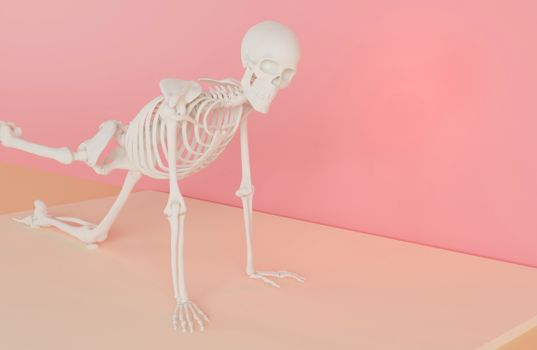 Photo: dada _design / Pexels
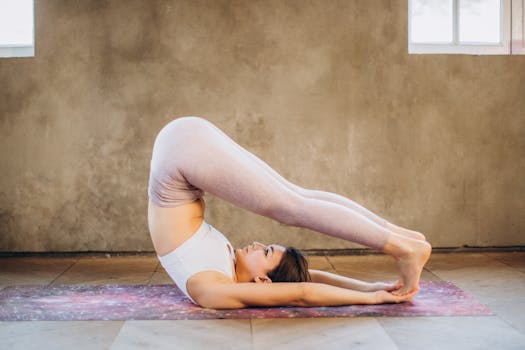 Photo: Elina Fairytale / Pexels
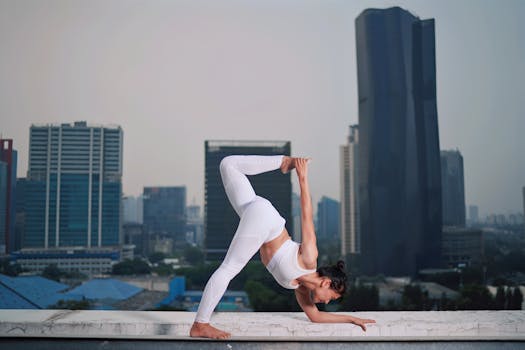 Photo: Hengga Wang / Pexels
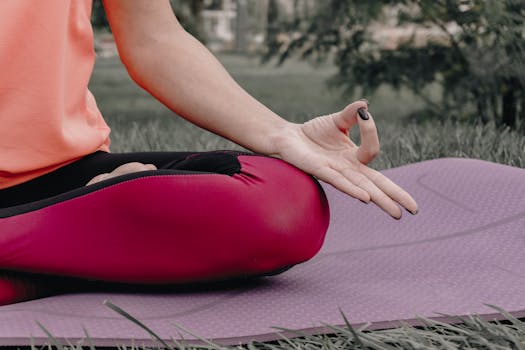 Photo: Zulfugar Karimov / Pexels