Unlock Peak Performance: The Benefits of Drinking Water Daily
Fuel your body, sharpen your mind, and enhance your fitness journey by embracing consistent daily hydration.
Start Hydrating TodayKey Takeaways
- ✓ Water constitutes about 60% of an adult's body weight and is vital for every bodily function.
- ✓ Adequate hydration significantly boosts athletic performance and reduces the risk of injury.
- ✓ Drinking enough water can aid in weight management by increasing satiety and metabolism.
- ✓ Proper hydration supports cognitive function, improving focus, memory, and mood.
How It Works
Individual water requirements vary based on activity level, climate, and health. Aim for at least 8 glasses, but listen to your body's signals.
Start your day with water and keep a bottle accessible. Integrate hydration into routines like before meals or after bathroom breaks.
Use apps, marked bottles, or simply tally glasses to monitor your daily consumption. Visualizing progress can be a powerful motivator.
While plain water is best, fruits, vegetables, and herbal teas also contribute to hydration. Avoid sugary drinks that can dehydrate.
The Science Behind Optimal Hydration and Its Impact on Fitness
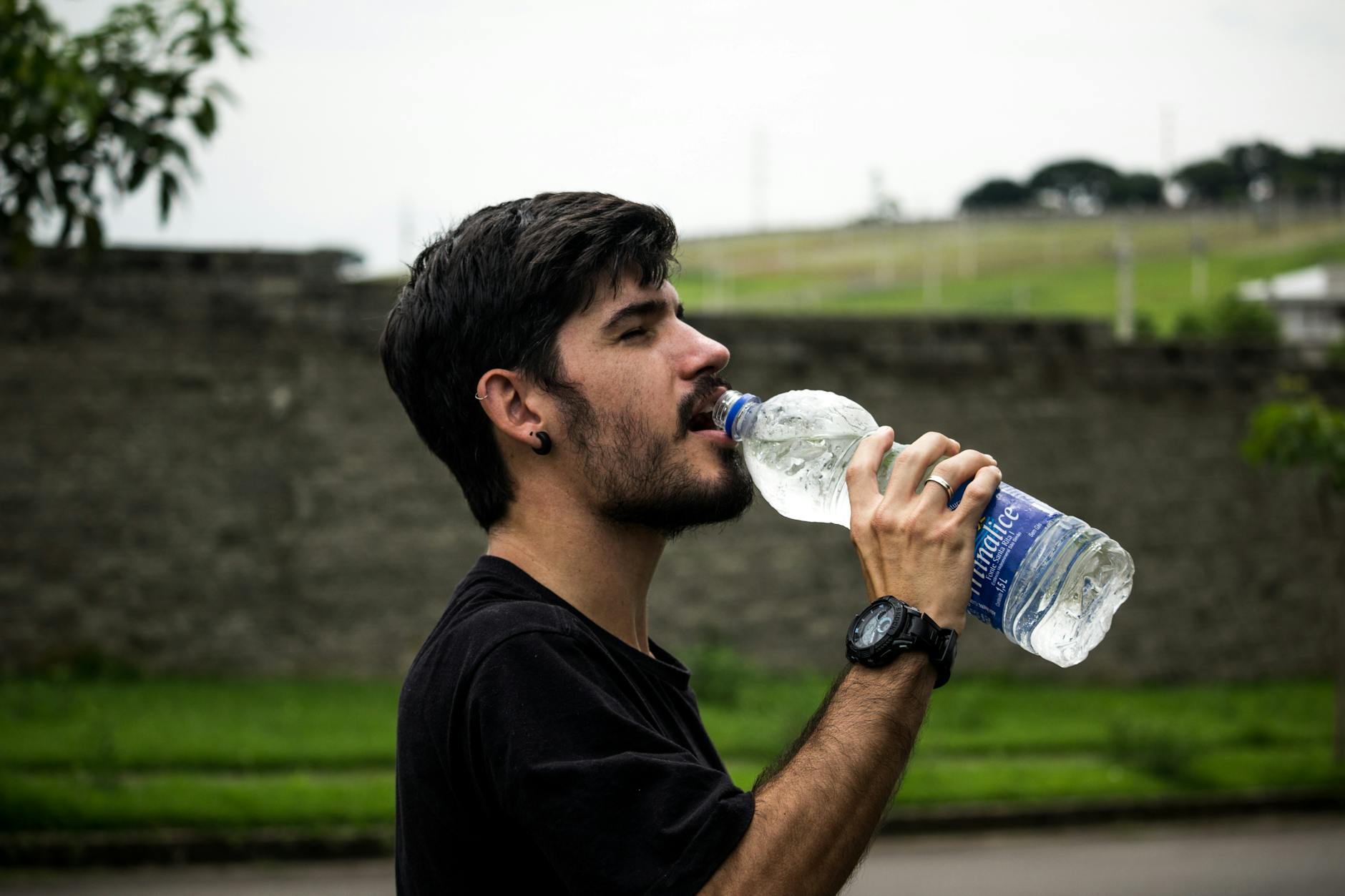
 Photo: Ivan S / Pexels
Furthermore, water is pivotal in maintaining body temperature. During physical exertion, your body generates heat. Sweating, a process heavily reliant on water, is your body’s natural cooling mechanism. As sweat evaporates from your skin, it dissipates heat, preventing overheating. If you're dehydrated, your body's ability to sweat effectively diminishes, raising your core temperature and increasing the risk of heat-related illnesses like heat exhaustion or heatstroke. This is particularly crucial for athletes or individuals engaging in intense physical activity, where even a 1-2% drop in body weight due to fluid loss can significantly impair performance, strength, and endurance.
Beyond temperature regulation, water is a key component of synovial fluid, the lubricant found in your joints. This fluid reduces friction between bones, allowing for smooth, pain-free movement. Adequate hydration helps maintain the viscosity and volume of this fluid, protecting your joints from wear and tear, which is especially important for individuals who engage in high-impact sports or weightlifting. Dehydration can lead to stiffer joints and increased susceptibility to injury. Moreover, water cushions your spinal cord and other sensitive tissues, acting as a shock absorber. This protective role cannot be overstated, especially when considering the impacts and stresses placed on the body during various fitness activities.
The digestive system also relies heavily on water. It helps break down food, allowing for the efficient absorption of nutrients. For fitness enthusiasts, this means better utilization of proteins for muscle repair and carbohydrates for energy. Water also softens stool, preventing constipation, which can be a common issue for those on high-protein diets. A healthy digestive system ensures that your body is effectively processing and utilizing the fuel you provide it, directly impacting your energy levels and overall well-being.
Lastly, detoxification is another critical function facilitated by water. Your kidneys, which filter waste products from your blood, require ample water to function optimally. Water helps flush out toxins and metabolic byproducts through urine. When you're well-hydrated, your kidneys can work more efficiently, reducing the burden on other organs and contributing to overall health. For those pushing their bodies in the gym, the metabolic waste generated needs to be cleared efficiently to support recovery and prevent fatigue. The benefits of drinking water daily are not just about feeling good; they are about optimizing every single biological process to support a vibrant, active life. For more insights on overall well-being, explore our guide on holistic fitness approaches.
Enhanced Physical Performance and Injury Prevention Through Proper Hydration
 Photo: RUN 4 FFWPU / Pexels
Consider the impact on endurance. During prolonged exercise, your body continuously loses fluids through sweat. If these fluids aren't replenished, your blood volume decreases. This forces your heart to work harder to pump blood, oxygen, and nutrients to your working muscles. The increased cardiovascular strain leads to an elevated heart rate, earlier onset of fatigue, and a reduced capacity to sustain effort. This is why marathon runners, cyclists, and other endurance athletes meticulously plan their hydration strategies, often consuming electrolyte-rich fluids before, during, and after their events. For the everyday gym-goer or recreational athlete, the principle remains the same: consistent hydration is key to pushing your limits and making progress.
Beyond performance, proper hydration plays a crucial role in injury prevention. As mentioned, water is vital for joint lubrication and cushioning. Dehydrated joints are more susceptible to friction, inflammation, and potential damage over time. Ligaments and tendons, which connect muscles to bones and bones to bones, also rely on adequate hydration to maintain their elasticity and strength. When these tissues are dehydrated, they become less pliable and more prone to tears and strains. This is particularly relevant for activities involving repetitive movements, sudden changes in direction, or heavy lifting.
Furthermore, dehydration can impair cognitive function, which indirectly increases the risk of injury. A clear, focused mind is essential for maintaining proper form, reacting quickly, and making sound judgments during exercise. When you're dehydrated, you might experience reduced concentration, slower reaction times, and even dizziness, all of which can lead to mistakes and accidents. For instance, lifting weights with poor form due to mental fatigue can result in serious muscle or joint injuries.
Electrolytes, which are minerals like sodium, potassium, and magnesium, are lost through sweat and are crucial for nerve and muscle function. While plain water is excellent, for intense or prolonged workouts, incorporating electrolyte-rich beverages or foods can be beneficial to maintain this delicate balance. However, the foundation always remains sufficient plain water intake. By consistently prioritizing the benefits of drinking water daily, you are not only enhancing your immediate performance but also building a resilient body that is better equipped to handle the stresses of training and significantly reduce the likelihood of setbacks due to injury, allowing for more consistent and effective training over the long term.
Weight Management and Cognitive Boost: Unveiling More Hydration Perks
 Photo: Andrea Piacquadio / Pexels
Moreover, drinking water, especially before meals, can increase satiety, making you feel fuller and leading you to consume fewer calories during that meal. Studies have shown that individuals who drink water before meals tend to eat less and lose more weight than those who don't. Water also plays a role in metabolism. A well-hydrated body functions more efficiently, and this includes your metabolic rate. Some research suggests that drinking cold water can even temporarily boost your metabolism as your body expends energy to warm the water to body temperature. While the caloric burn from this is modest, every little bit helps in a weight management strategy. Furthermore, replacing sugary drinks like sodas, juices, and sweetened teas with water is one of the easiest and most impactful ways to cut hundreds of empty calories from your diet, leading to substantial weight loss over time. The cumulative effect of these small changes, driven by consistent hydration, can be profound. For those looking to optimize their dietary intake, understanding the role of various nutrients, including water, is key. Our guide on nutritional strategies for athletes offers further insights.
On the cognitive front, the brain is approximately 75% water, and even mild dehydration can significantly impair its function. The benefits of drinking water daily for mental clarity are often underestimated. When you're dehydrated, your brain tissue can shrink, leading to symptoms like headaches, fatigue, and difficulty concentrating. Research indicates that dehydration can negatively impact mood, memory, and cognitive performance, making it harder to focus on tasks, learn new information, and even make decisions.
Staying adequately hydrated ensures that your brain receives a steady supply of oxygen and nutrients, which are vital for optimal cognitive function. It helps maintain the electrical activity of the brain, facilitating efficient communication between neurons. For individuals engaged in demanding intellectual tasks, or simply trying to stay sharp throughout the day, consistent water intake can be a game-changer. It can alleviate brain fog, improve alertness, and enhance overall mental performance. This is particularly important for athletes who need to make split-second decisions and maintain focus during competitions or training sessions. The clarity of thought that comes with proper hydration can translate into better strategy, improved coordination, and enhanced reaction times. By embracing the simple, yet powerful, act of consistent hydration, you're not just supporting your physical self, but also nurturing a sharper mind, making it easier to achieve your fitness goals and excel in all aspects of life.
Practical Tips for Boosting Your Daily Water Intake and Avoiding Common Hydration Mistakes
 Photo: Ketut Subiyanto / Pexels
Tips for Boosting Water Intake:
- Start Early: Begin your day with a large glass of water immediately upon waking. This kickstarts your metabolism and rehydrates your body after hours of sleep.
- Carry a Reusable Bottle: Keep a water bottle with you at all times. Seeing it serves as a constant reminder to sip throughout the day. Opt for one with time markers to track your progress.
- Set Reminders: Use phone apps, smartwatches, or even simple alarms to prompt you to drink water every hour or so.
- Flavor Your Water Naturally: If plain water is too bland, infuse it with slices of fruit (lemon, lime, cucumber, berries), herbs (mint), or a splash of natural fruit juice. Avoid sugary mixes.
- Drink Before Meals: Consume a glass of water 15-30 minutes before each meal. This aids digestion and can help with portion control.
- Hydrate Around Workouts: Drink water before, during, and after exercise. A good rule of thumb is 16-20 ounces two hours before, 6-12 ounces every 15-20 minutes during, and 16-24 ounces for every pound of body weight lost after.
- Eat Water-Rich Foods: Incorporate fruits and vegetables with high water content into your diet, such as watermelon, cucumbers, strawberries, and lettuce.
- Make it Social: Challenge friends or family to hydration goals. Accountability can be a powerful motivator.
Common Hydration Mistakes to Avoid:
- Waiting Until You're Thirsty: Thirst is often a sign that you are already mildly dehydrated. Aim to drink consistently throughout the day to prevent reaching this point.
- Over-relying on Caffeinated or Sugary Drinks: While some beverages contribute to fluid intake, excessive caffeine can have a diuretic effect, and sugary drinks can lead to dehydration and unwanted calories.
- Ignoring Environmental Factors: Hot weather, high altitude, and intense exercise all increase your fluid needs. Adjust your intake accordingly.
- Not Replenishing Electrolytes During Intense Exercise: For workouts lasting over an hour or in very hot conditions, plain water might not be enough. Consider electrolyte-enhanced drinks to replace lost salts.
- Drinking Too Much Too Quickly: While important to drink enough, chugging large quantities of water in a short period can lead to discomfort and, in extreme cases, hyponatremia (low sodium levels). Sip steadily.
- Assuming All Fluids Are Equal: While some fluids contribute, water is the gold standard. Don't mistake a soda or a cup of coffee for adequate hydration.
By consciously integrating these tips and being mindful of these common mistakes, you can significantly improve your daily water intake and fully reap the extensive benefits of drinking water daily, propelling you towards optimal health and fitness.
Comparison
| Feature | Plain Water | Electrolyte Drink (Sports) | Sugary Soda | Coffee/Tea (Unsweetened) |
|---|---|---|---|---|
| Hydration Efficacy | Excellent | Excellent (post-intense workout) | Poor (dehydrating) | Good (mild diuretic) |
| Calorie Content | 0 | Varies (often 50-150) | High (100-200+) | 0-5 |
| Nutrient/Electrolyte Repl. | No (plain water) | Yes (sodium, potassium) | No | Antioxidants (some) |
| Digestion Support | ✓ | ✓ | ✗ | ✓ |
| Weight Management Aid | ✓ | Moderate | ✗ | Moderate |
| Availability/Cost | High/Low | Moderate/Moderate | High/Low | High/Low |
What Readers Say
"Since I started making a conscious effort to drink a gallon of water daily, my energy levels are through the roof. I used to feel sluggish mid-afternoon, but now I power through my workouts with ease. The benefits of drinking water daily are truly transformative."
Sarah J. · Austin, TX"I used to get frequent headaches, especially after my morning run. My trainer suggested I up my water intake significantly. Now, not only are my headaches gone, but my recovery time has also improved, and my joints feel much better. It's a simple change with huge results."
Mark T. · Denver, CO"I lost 15 pounds in three months just by replacing sugary drinks with water and drinking more throughout the day. It curbed my cravings and made me feel full. The concrete result of weight loss from the benefits of drinking water daily is undeniable for me."
Emily R. · Miami, FL"While I definitely feel more energized and less bloated, sometimes remembering to drink enough is still a challenge. However, when I hit my water goals, my focus at work and endurance in the gym are noticeably better. It's a habit worth cultivating, even if it takes effort."
David L. · Seattle, WA"As a yoga instructor, flexibility and joint health are paramount. Increasing my daily water intake has made a noticeable difference in how supple I feel and how quickly my muscles recover after intense sessions. It's foundational for my practice and overall well-being."
Jessica M. · Chicago, ILFrequently Asked Questions
How much water should I drink daily for optimal health and fitness?
While the common recommendation is eight 8-ounce glasses (about 2 liters), individual needs vary greatly. Factors like activity level, climate, body size, and health conditions influence your requirements. A good general guideline is to drink half your body weight in ounces of water, and more if you're exercising intensely or in hot weather. Listen to your body and check your urine color – pale yellow usually indicates good hydration.
Can drinking too much water be harmful?
Yes, while rare, drinking excessive amounts of water in a short period can lead to hyponatremia, a condition where sodium levels in your blood become dangerously low. This is more common in endurance athletes who over-hydrate with plain water without replenishing electrolytes. Stick to consistent, moderate intake rather than chugging large volumes, and consider electrolyte drinks for prolonged, intense exercise.
What's the best way to remember to drink water throughout the day?
To establish a consistent habit, try carrying a reusable water bottle, setting regular reminders on your phone or smartwatch, and drinking a glass of water before and after every meal. You can also infuse your water with fruits or herbs to make it more appealing. Making it visible and accessible significantly increases your chances of consistent intake.
Does coffee or tea count towards my daily water intake?
While coffee and tea are primarily water, their diuretic properties (especially caffeinated versions) can cause you to excrete more fluid than you take in, particularly in large quantities. Unsweetened herbal teas are generally better for hydration. Plain water remains the best choice for meeting your daily fluid requirements, as it has no added ingredients that might counteract its hydrating effects.
How does drinking water compare to sports drinks for hydration during exercise?
For most moderate exercise (under 60 minutes), plain water is sufficient for hydration. For prolonged or intense workouts (over an hour) or in very hot conditions, sports drinks can be beneficial as they contain electrolytes (like sodium and potassium) and carbohydrates, which help replenish lost salts and provide energy. However, many sports drinks are high in sugar, so they should be used judiciously and not as a replacement for daily water intake.
Who should prioritize the benefits of drinking water daily?
Everyone benefits from adequate hydration, but certain groups should particularly prioritize it. This includes athletes, individuals engaging in regular physical activity, people living in hot climates, those trying to manage their weight, individuals with certain health conditions like kidney stones, and anyone looking to improve cognitive function, mood, and overall energy levels. It is a universal health cornerstone.
Are there any risks associated with flavored waters or sparkling waters?
Most plain sparkling waters are generally fine for hydration. However, many commercially flavored waters and some sparkling waters contain added sugars, artificial sweeteners, or artificial flavors, which can negate some health benefits or even lead to dental erosion. Always check the label. Opt for naturally infused plain water with fruits or vegetables for a healthier alternative.
What are the long-term impacts of consistent hydration on aging and chronic disease prevention?
Consistent, adequate hydration plays a significant role in long-term health. It supports optimal organ function, particularly the kidneys, which are crucial for detoxification. It can help maintain skin elasticity, potentially reducing the appearance of wrinkles. Furthermore, good hydration is linked to better metabolic health, potentially lowering the risk of chronic diseases such as type 2 diabetes and cardiovascular issues. It's a foundational element for healthy aging.
Embrace the incredible power of hydration and unlock your full potential. Start reaping the profound benefits of drinking water daily today for a healthier, more energetic, and vibrant life. Your body and mind will thank you.