✓ Just 30 minutes of moderate exercise daily can significantly reduce chronic disease risk.
✓ Regular physical activity is a powerful mood booster, reducing symptoms of anxiety and depression.
✓ Daily exercise enhances cognitive function, improving memory and focus.
✓ Consistent workouts contribute to better sleep quality and increased energy levels.
How It Works
1
Set Realistic Goals
Begin with achievable targets, whether it's 10 minutes of walking or a short home workout. Gradually increase intensity and duration as you build stamina.
2
Choose Enjoyable Activities
Find exercises you genuinely like, such as dancing, hiking, or swimming. This makes adherence much easier and sustainable in the long term.
3
Create a Consistent Schedule
Integrate exercise into your daily routine, treating it like any other important appointment. Consistency is key to experiencing the full spectrum of benefits.
4
Listen to Your Body & Recover
Pay attention to signs of fatigue or pain, and allow for rest days when needed. Proper recovery is crucial for muscle repair and preventing injury, ensuring long-term progress.
The Profound Impact of Daily Exercise on Physical Health
Photo: Talha Resitoglu / Pexels
When we delve into what are the benefits of daily exercise, the most immediate and tangible advantages often revolve around our physical well-being. Regular physical activity acts as a potent shield against a myriad of chronic diseases, dramatically improving our quality of life and extending our lifespan. At its core, daily exercise strengthens your cardiovascular system. Your heart, a muscle like any other, becomes more efficient with regular training. It pumps blood more effectively, reducing the strain on arteries and lowering blood pressure. This, in turn, significantly decreases the risk of heart disease, stroke, and hypertension, which are leading causes of mortality globally. Beyond the heart, consistent movement helps regulate blood sugar levels. For individuals at risk of or living with Type 2 Diabetes, exercise is a cornerstone of management, improving insulin sensitivity and helping cells absorb glucose more efficiently. This can prevent or delay the onset of the disease and mitigate its complications. Understanding the basics of cardiovascular health is crucial for appreciating this benefit.
Furthermore, daily exercise is indispensable for maintaining a healthy weight. It burns calories, which is fundamental for creating the caloric deficit needed for weight loss, or for balancing energy intake to prevent weight gain. More than just burning calories, exercise builds and maintains muscle mass. Muscle tissue is metabolically active, meaning it burns more calories at rest than fat tissue. This boosts your basal metabolic rate, making weight management easier in the long run. Strong muscles also support your joints, improving balance, coordination, and reducing the risk of falls, especially as we age. This is particularly vital for maintaining independence and mobility in later life. The skeletal system also reaps significant rewards. Weight-bearing exercises, such as walking, jogging, or weightlifting, stimulate bone growth and increase bone density, making bones stronger and less susceptible to osteoporosis and fractures. This preventative measure is critical for long-term skeletal health. The immune system also gets a substantial boost from regular, moderate exercise. It can enhance the circulation of immune cells, helping your body detect and fight off pathogens more effectively. While extreme, prolonged exercise can temporarily suppress the immune system, consistent moderate activity generally strengthens it, making you less prone to common colds and other infections. In essence, the physical transformation brought about by daily exercise is comprehensive, touching every major system in the body and building a robust foundation for a healthier, more resilient life.
Boosting Mental Acuity and Emotional Well-being Through Movement
Photo: MART PRODUCTION / Pexels
Beyond the visible physical changes, what are the benefits of daily exercise for our mental and emotional landscapes are equally, if not more, profound. In our fast-paced, often stressful world, exercise serves as a powerful antidote, offering a natural and accessible pathway to improved mental health and cognitive function. One of the most widely recognized mental benefits is its impact on mood. Physical activity stimulates the release of endorphins, often referred to as the body's natural painkillers or 'feel-good' hormones. These endorphins produce a sense of euphoria and well-being, commonly known as a 'runner's high.' This immediate mood boost can significantly alleviate symptoms of mild to moderate depression and anxiety. Regular exercise also helps to reduce levels of stress hormones like cortisol and adrenaline, promoting a sense of calm and reducing chronic stress, which can otherwise have detrimental effects on both mental and physical health.
Moreover, daily exercise acts as a potent tool for enhancing cognitive function. Studies have consistently shown that people who exercise regularly tend to have better memory, sharper focus, and improved problem-solving skills. This is partly due to increased blood flow to the brain, which delivers more oxygen and nutrients. Exercise also stimulates the production of brain-derived neurotrophic factor (BDNF), a protein that supports the growth of new brain cells and protects existing ones. This neuroprotective effect is particularly important for long-term brain health, potentially reducing the risk of neurodegenerative diseases like Alzheimer's and Parkinson's. For students and professionals alike, incorporating daily movement can lead to enhanced academic performance and workplace productivity. The improved concentration and reduced mental fatigue allow for more efficient learning and decision-making.
Sleep quality is another critical aspect of mental and emotional well-being that benefits greatly from exercise. While intense exercise too close to bedtime can be disruptive, moderate daily activity helps regulate the body's sleep-wake cycle (circadian rhythm). It promotes deeper, more restorative sleep, which is essential for cognitive repair, emotional regulation, and overall mental resilience. Individuals who exercise regularly often report falling asleep faster and experiencing fewer nighttime awakenings. The cumulative effect of better mood, enhanced cognitive function, and improved sleep quality creates a virtuous cycle, where each benefit reinforces the others, leading to a significantly improved overall quality of life. Embracing daily exercise is not just about sculpting your body; it's about nurturing a healthy, resilient mind capable of navigating life's challenges with greater ease and clarity.
Building a Resilient Body: Longevity and Disease Prevention
Photo: Yan Krukau / Pexels
Delving deeper into what are the benefits of daily exercise reveals its profound role in extending healthy lifespan and fortifying the body against the ravages of time and disease. It's not just about living longer, but living better, with vitality and independence well into old age. One of the most compelling aspects of daily physical activity is its direct contribution to increased longevity. Numerous longitudinal studies have demonstrated a clear correlation between regular exercise and a reduced risk of premature death from all causes. This is largely due to its protective effects against chronic diseases, which are the primary drivers of mortality in developed nations. By mitigating the risks of heart disease, stroke, Type 2 Diabetes, and certain cancers, exercise allows the body's systems to function optimally for a longer period.
Consider the impact on cellular health. Exercise can influence telomere length, which are protective caps at the ends of chromosomes. Shorter telomeres are associated with cellular aging and increased disease risk. Some research suggests that regular physical activity may help maintain telomere length, thereby slowing down the cellular aging process. This contributes to the overall anti-aging effect of exercise. Beyond cellular mechanisms, exercise plays a crucial role in cancer prevention. While the exact mechanisms are complex, regular physical activity is known to reduce the risk of several types of cancer, including colon, breast, prostate, and endometrial cancers. This is attributed to its ability to help maintain a healthy weight, reduce chronic inflammation, improve immune function, and regulate hormone levels, all of which are factors implicated in cancer development. Exploring the link between inflammation and chronic disease further highlights this benefit.
Furthermore, daily exercise builds a more resilient body capable of withstanding physical and environmental stressors. It enhances bone density, reducing the risk of osteoporosis and debilitating fractures, which are a major concern for older adults. Stronger muscles and improved balance significantly lower the risk of falls, a leading cause of injury and loss of independence in the elderly. The metabolic benefits are equally critical; improved insulin sensitivity and lipid profiles contribute to a healthier internal environment, reducing systemic inflammation and oxidative stress – key contributors to a wide range of age-related diseases. By consistently engaging in physical activity, you are not just working out; you are actively investing in your future health, building a robust and resilient body that is better equipped to enjoy a longer, more fulfilling life free from the constraints of preventable illnesses. This proactive approach to health is one of the most powerful and enduring benefits of making exercise a daily habit.
Practical Tips for Integrating Daily Exercise & Avoiding Common Pitfalls
Photo: Gustavo Fring / Pexels
Understanding what are the benefits of daily exercise is one thing; actually integrating it into your life consistently is another. The key to long-term success lies in making exercise an enjoyable and sustainable habit, rather than a chore. Here are some practical tips to help you get started and stay on track, while also highlighting common pitfalls to avoid:
* **Start Small and Build Gradually:** Don't try to go from zero to marathon runner overnight. Begin with manageable goals, like 10-15 minutes of brisk walking daily. Gradually increase the duration, intensity, or frequency as your fitness improves. This prevents burnout and injury.
* **Find Your 'Why':** Connect your exercise routine to a deeper purpose. Is it to play with your grandchildren, reduce stress, or improve a specific health marker? Reminding yourself of your core motivation can be a powerful driver on days when motivation wanes.
* **Schedule It Like an Appointment:** Block out specific times in your calendar for exercise. Treat these slots as non-negotiable meetings. This helps build consistency and signals to your brain that exercise is a priority.
* **Vary Your Workouts:** To prevent boredom and work different muscle groups, incorporate a variety of activities. Mix cardio with strength training, yoga, dancing, or team sports. This keeps things fresh and challenges your body in new ways.
* **Listen to Your Body:** It's important to push yourself, but also to recognize when your body needs rest. Overtraining can lead to injuries, fatigue, and burnout. Incorporate rest days and don't be afraid to take a lighter day if you're feeling rundown.
* **Get an Accountability Partner:** Exercising with a friend, family member, or joining a fitness class can provide motivation and a sense of accountability. Knowing someone is waiting for you can be a strong incentive.
* **Track Your Progress:** Whether it's through a fitness app, a journal, or simply noting down your achievements, tracking progress can be incredibly motivating. Seeing how far you've come reinforces the positive habit.
**Common Pitfalls to Avoid:**
* **All-or-Nothing Mentality:** Missing a day or two doesn't mean you've failed and should give up. Get back on track the next day. Consistency over perfection is the goal.
* **Comparing Yourself to Others:** Everyone's fitness journey is unique. Focus on your own progress and celebrate your personal victories rather than comparing yourself to others' highlight reels.
* **Ignoring Nutrition and Sleep:** Exercise is only one piece of the wellness puzzle. Neglecting proper nutrition and adequate sleep can undermine your efforts and limit your results.
* **Lack of Hydration:** Staying well-hydrated before, during, and after exercise is crucial for performance, recovery, and overall health.
* **Exercising Through Pain:** While some muscle soreness is normal, sharp or persistent pain is a red flag. Pushing through pain can lead to serious injuries. Consult a professional if you experience ongoing discomfort.
Comparison
Benefit Category
Daily Moderate Exercise
Infrequent Intense Exercise
Sedentary Lifestyle
Cardiovascular Health
✓ Significantly improved
✓ Can be good but higher injury risk
✗ Increased risk of disease
Mental Well-being
✓ Enhanced mood & reduced stress
✓ Mood boost, but potential for burnout
✗ Higher risk of anxiety/depression
Weight Management
✓ Effective for maintenance & loss
✓ Can aid loss, but less consistent
✗ High risk of weight gain
Longevity
✓ Increased healthy lifespan
✓ Positive, but less consistent impact
✗ Reduced lifespan
Energy Levels
✓ Boosted & sustained
✓ Initial boost, followed by fatigue
✗ Low & inconsistent
Sleep Quality
✓ Improved and deeper
✗ Can disrupt if too close to bedtime
✗ Often poor and restless
What Readers Say
★★★★★
"Before I understood what are the benefits of daily exercise, I was always tired. Now, after just three months of walking every morning, my energy levels are through the roof! It's incredible how much better I feel both physically and mentally."
Sarah J. · Austin, TX
★★★★★
"I used to dread working out, but once I started small and consistent, I realized what are the benefits of daily exercise for my stress. My anxiety has significantly decreased, and I feel much more focused at work. It's truly transformative."
Mark D. · Chicago, IL
★★★★★
"After struggling with chronic back pain for years, my doctor recommended daily core exercises. The improvement has been dramatic; I can now play with my kids without discomfort. It's proof that what are the benefits of daily exercise are real and life-changing."
Emily R. · Denver, CO
★★★★★
"While it took a few weeks to really get into the swing of things, I've noticed a significant improvement in my sleep since I started exercising daily. Sometimes I miss a day, but the overall positive impact on my health is undeniable."
David L. · Miami, FL
★★★★★
"As a busy professional, I thought I didn't have time. But even 30 minutes of daily activity has made me more productive and less stressed. Understanding what are the benefits of daily exercise helped me prioritize my well-being, and it has paid off immensely."
Jessica M. · Seattle, WA
Frequently Asked Questions
What is the minimum amount of daily exercise recommended for adults?
The U.S. Department of Health and Human Services recommends at least 150 minutes of moderate-intensity aerobic activity or 75 minutes of vigorous-intensity aerobic activity per week, along with muscle-strengthening activities at least two days per week. This can easily be broken down into 30 minutes of moderate exercise five days a week, making it very achievable for most adults.
Is it possible to over-exercise, and what are the signs?
Yes, it is definitely possible to over-exercise, leading to overtraining syndrome. Signs include chronic fatigue, persistent muscle soreness, increased resting heart rate, frequent illness, irritability, difficulty sleeping, decreased performance, and loss of motivation. Listening to your body and incorporating rest days are crucial to prevent this.
How can I make daily exercise a sustainable habit?
To make daily exercise a sustainable habit, start with activities you enjoy, set realistic and achievable goals, schedule your workouts like important appointments, find an accountability partner, and celebrate small victories. Consistency is more important than intensity, especially in the beginning.
Does daily exercise help with weight loss, and how?
Yes, daily exercise is a cornerstone of effective weight loss and management. It helps by burning calories, which contributes to creating a caloric deficit necessary for losing weight. Additionally, it builds muscle mass, which boosts your metabolism and helps your body burn more calories even at rest.
How does daily exercise compare to occasional intense workouts for long-term health?
While occasional intense workouts can offer some benefits, daily moderate exercise generally provides more consistent and comprehensive long-term health advantages. Daily activity contributes to sustained cardiovascular health, mood regulation, and disease prevention with a lower risk of injury or burnout compared to infrequent, very intense sessions. Consistency is key for lasting results.
Who should consult a doctor before starting a daily exercise routine?
Anyone with pre-existing health conditions such as heart disease, diabetes, high blood pressure, or joint problems, as well as those who are significantly overweight, pregnant, or over the age of 40 and have been largely inactive, should consult a doctor before starting a new daily exercise routine. This ensures the chosen activities are safe and appropriate for their individual health status.
Are there any risks associated with daily exercise?
While the benefits far outweigh the risks, potential risks of daily exercise include injury (muscle strains, sprains, fractures), especially if proper form isn't used or intensity is too high too quickly. Over-exercising can lead to burnout and immune suppression. Listening to your body, proper warm-up/cool-down, and gradual progression minimize these risks.
What role does nutrition play alongside daily exercise?
Nutrition plays a critical role alongside daily exercise. Proper fueling before a workout provides energy, while adequate post-workout nutrition aids in muscle repair and recovery. A balanced diet supports overall health, energy levels, and helps maximize the benefits derived from physical activity, making the combination far more effective than either alone.
Embracing what are the benefits of daily exercise is a powerful step towards a healthier, happier, and more resilient you. Start small, stay consistent, and watch as your body and mind transform. Your journey to optimal well-being begins now.

 Photo: Talha Resitoglu / Pexels
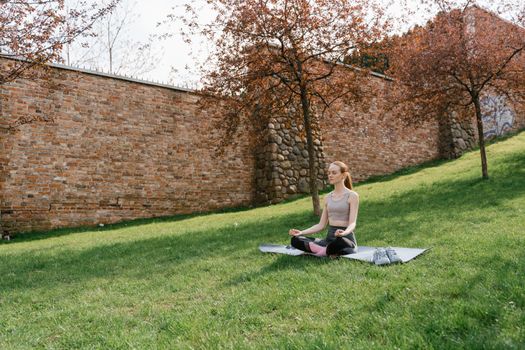 Photo: MART PRODUCTION / Pexels
 Photo: Yan Krukau / Pexels
 Photo: Gustavo Fring / Pexels