✓ You don't need a gym or expensive equipment to build strength.
✓ Consistency is more crucial than intensity, especially for beginners.
✓ Proper form prevents injuries and maximizes results.
✓ Strength training offers numerous benefits beyond just muscle gain, including bone density and metabolism boost.
How It Works
1
Assess Your Current Fitness Level
Before diving in, understand your body's current capabilities. This helps in tailoring the routine to be challenging yet safe for you.
2
Master Basic Bodyweight Movements
Focus on foundational exercises like squats, push-ups, and planks. These form the core of any effective home strength training program.
3
Follow a Structured Program
Don't just do random exercises; a well-planned routine ensures all major muscle groups are worked. This guide provides exactly that.
4
Progress Gradually and Consistently
As you get stronger, increase reps, sets, or introduce more challenging variations. Consistency over weeks and months yields the best results.
Why a Beginner Strength Training Routine at Home is Your Best Starting Point
Photo: Andrea Piacquadio / Pexels
Embarking on a fitness journey can feel daunting, especially when the idea of a bustling gym filled with unfamiliar machines and seasoned lifters looms large. This is precisely why a beginner strength training routine at home stands out as the ultimate gateway to a stronger, healthier you. The primary advantage is accessibility. You eliminate the commute, gym membership fees, and the potential for self-consciousness, allowing you to focus purely on your workout. Your home becomes your personal gym, available 24/7, tailored to your schedule and comfort level. This immediate accessibility removes many common barriers to starting and, more importantly, maintaining a fitness regimen.
Beyond convenience, home-based strength training for beginners offers a unique environment for learning and developing proper form. Without the pressure of onlookers or the rush to free up equipment, you can take your time to understand each movement, focusing on muscle engagement and technique. This foundational understanding is crucial, as good form not only maximizes the effectiveness of each exercise but also significantly reduces the risk of injury. Many beginners rush into lifting heavy weights at the gym, often compromising form, which can lead to setbacks. At home, with bodyweight or minimal equipment, the emphasis shifts naturally to mastering the movement itself.
Furthermore, starting with a beginner strength training routine at home allows for a highly personalized progression. As your strength and confidence grow, you can gradually introduce more challenging variations of exercises, incorporate inexpensive resistance bands, or even light dumbbells. This organic progression ensures that your workouts remain challenging and effective without ever feeling overwhelming. It’s about building a sustainable habit, not just a temporary fix. The sense of accomplishment you gain from transforming your body within your own space is incredibly empowering and can serve as a powerful motivator for long-term adherence.
Another significant benefit is the holistic impact on your well-being. Strength training isn't just about building visible muscle; it's about improving bone density, boosting metabolism, enhancing joint stability, and even improving mood and cognitive function. For beginners, these benefits are particularly pronounced as your body adapts rapidly to the new stimulus. You'll likely experience increased energy levels, better sleep, and a greater overall sense of vitality. This comprehensive approach to fitness makes a home-based strength routine an invaluable investment in your health. By choosing to start your fitness journey at home, you're not just working out; you're cultivating a sustainable lifestyle change that will pay dividends for years to come. It’s about empowering yourself to take control of your physical health, one rep at a time, in an environment where you feel most comfortable and confident.
Essential Equipment for Your Home Strength Workout (Spoiler: You Need Very Little!)
Photo: Pavel Danilyuk / Pexels
One of the most appealing aspects of a beginner strength training routine at home is the minimal equipment requirement. Forget expensive gym memberships or bulky machines; you can achieve significant strength gains with little to no gear. The cornerstone of any effective home strength program, especially for beginners, is bodyweight exercises. Your own body provides all the resistance you need to build a solid foundation of strength, endurance, and muscular control. Exercises like squats, lunges, push-ups, planks, and glute bridges are incredibly effective and require absolutely no external equipment. Mastering these foundational movements with proper form is far more important than loading up on weights prematurely. They engage multiple muscle groups simultaneously, promoting functional strength that translates directly into everyday activities.
As you progress and seek to add variety or increase intensity, a few inexpensive items can significantly enhance your home workouts. A good quality exercise mat is highly recommended. It provides cushioning for floor exercises, improves grip, and defines your workout space, making it more comfortable and safer. Resistance bands are another game-changer for home strength training. Available in various resistance levels, they are incredibly versatile. Loop bands can be used for glute activation and lower body exercises, while long loop bands or tube bands with handles can mimic cable machine exercises, providing resistance for upper body pulls, presses, and core work. They're lightweight, portable, and take up virtually no space, making them perfect for small living areas.
For those ready to invest a little more, a set of adjustable dumbbells or even just a few pairs of light to medium fixed-weight dumbbells can open up a vast array of exercises. Dumbbells allow for progressive overload, meaning you can gradually increase the weight as you get stronger, which is key for continued muscle growth. However, start light and prioritize form. You can also get creative with household items: water bottles or cans for light weights, a sturdy chair for triceps dips or elevated push-ups, and a broomstick for mobility drills or form practice. The key is to be resourceful and understand that the 'best' equipment is often what you have readily available and can use consistently.
Finally, don't overlook the importance of comfortable workout attire and a water bottle. While not 'equipment' in the traditional sense, wearing clothing that allows for full range of motion and staying hydrated are crucial for a successful and enjoyable workout session. The beauty of a beginner strength training routine at home lies in its simplicity and adaptability. You don't need to break the bank to get strong; you just need dedication, a bit of space, and perhaps a few well-chosen, affordable accessories to elevate your routine. Focus on consistency and proper execution, and you'll be amazed at the results you can achieve with minimal gear.
Your Weekly Blueprint: A Sample Beginner Strength Training Routine at Home
Photo: Andrea Piacquadio / Pexels
Consistency and structure are paramount when starting any new fitness regimen, and a beginner strength training routine at home is no exception. This sample blueprint provides a balanced approach, targeting all major muscle groups over three non-consecutive days, allowing for adequate recovery. Remember, listening to your body is crucial; if you're sore, take an extra rest day or opt for active recovery like a light walk. Each workout should begin with a 5-10 minute dynamic warm-up (e.g., arm circles, leg swings, torso twists) and conclude with a 5-10 minute static cool-down (e.g., holding stretches for major muscle groups).
**Workout Day 1: Full Body Focus (Emphasis on Lower Body & Core)**
* **Bodyweight Squats:** 3 sets of 10-15 repetitions. Focus on pushing hips back as if sitting in a chair, keeping chest up.
* **Lunges:** 3 sets of 8-12 repetitions per leg. Step forward, lower hips until both knees are bent at a 90-degree angle. Keep front knee behind toes.
* **Glute Bridges:** 3 sets of 12-15 repetitions. Lie on your back, knees bent, feet flat. Lift hips off the ground, squeezing glutes at the top.
* **Plank:** 3 sets, hold for 20-45 seconds. Keep a straight line from head to heels, engaging your core.
* **Bird-Dog:** 3 sets of 10-12 repetitions per side. On all fours, extend opposite arm and leg simultaneously, keeping core stable.
**Workout Day 2: Full Body Focus (Emphasis on Upper Body & Core)**
* **Push-ups (on knees or full):** 3 sets of 8-12 repetitions. If full push-ups are too challenging, start on your knees or against a wall.
* **Inverted Rows (using a sturdy table/bar):** 3 sets of 8-12 repetitions. Lie under a sturdy table, grab the edge, and pull your chest towards it. If no table, resistance band rows can be substituted.
* **Triceps Dips (using a sturdy chair):** 3 sets of 10-15 repetitions. Place hands on chair edge, lower body by bending elbows, keeping back close to chair.
* **Bicep Curls (with water bottles or light dumbbells):** 3 sets of 12-15 repetitions. Keep elbows tucked, curl weight towards shoulders.
* **Superman:** 3 sets of 12-15 repetitions. Lie face down, lift arms, chest, and legs off the ground simultaneously, squeezing back muscles.
**Workout Day 3: Full Body Focus (Mixed Movements & Conditioning)**
* **Jump Squats (optional, if comfortable):** 3 sets of 10-12 repetitions. Add a small jump at the top of a bodyweight squat. If not, stick to regular squats.
* **Walking Lunges:** 3 sets of 10-12 repetitions per leg. Instead of stepping back, step forward into the next lunge.
* **Pike Push-ups:** 3 sets of 8-12 repetitions. Form an inverted 'V' with your body, hands shoulder-width apart, and lower your head towards the floor. This targets shoulders.
* **Side Plank:** 3 sets, hold for 20-40 seconds per side. Support body on one forearm and foot, keeping body in a straight line.
* **Calf Raises:** 3 sets of 15-20 repetitions. Stand and push up onto the balls of your feet, squeezing calves.
Aim for 30-45 seconds of rest between sets. This strength training routine is designed to be progressive; as you get stronger, you can increase the number of repetitions, add an extra set, or decrease rest time. You can also explore more challenging variations of these exercises. Remember, consistency is your most powerful tool. Stick with it, and you'll soon see and feel remarkable results from your beginner strength training routine at home.
Common Mistakes to Avoid and Tips for Maximizing Your Home Strength Gains
Photo: www.kaboompics.com / Pexels
Embarking on a beginner strength training routine at home is an excellent step, but it's equally important to be aware of common pitfalls that can hinder your progress or even lead to injury. Avoiding these mistakes and incorporating key tips will ensure your home workouts are as effective and safe as possible.
**Common Mistakes to Avoid:**
* **Ignoring Form for Reps:** This is perhaps the most significant mistake. Performing exercises with poor form not only reduces their effectiveness but drastically increases your risk of injury. It's always better to do fewer repetitions with perfect form than many with sloppy technique. Watch videos, use a mirror, or even record yourself to check your posture.
* **Skipping Warm-up and Cool-down:** Many beginners jump straight into the workout or finish abruptly. A proper warm-up prepares your muscles and joints for activity, while a cool-down aids recovery and flexibility. Don't underestimate their importance.
* **Lack of Progressive Overload:** If your body isn't challenged, it won't adapt and grow stronger. As exercises become easy, you need to increase the difficulty, whether by adding reps, sets, decreasing rest, or trying harder variations. Sticking to the same routine indefinitely will lead to a plateau.
* **Neglecting Nutrition and Recovery:** Your muscles grow and repair outside of your workout. Insufficient protein intake, poor sleep, and inadequate rest days will severely limit your strength gains and overall well-being. Treat recovery as part of your training.
* **Overdoing It Too Soon:** Enthusiasm is great, but starting with excessively long or intense workouts can lead to burnout, extreme soreness, or injury. Begin conservatively and gradually increase intensity and volume.
**Tips for Maximizing Your Home Strength Gains:**
* **Focus on Mind-Muscle Connection:** Actively think about the muscle you're working during each exercise. This mental focus can significantly improve muscle activation and growth. Feel the squeeze, control the movement.
* **Utilize Unilateral Exercises:** Exercises that work one side of the body at a time (e.g., single-leg squats, single-arm rows) help address muscle imbalances and improve stability. Incorporate them once you've mastered bilateral movements.
* **Incorporate Tempo Training:** Vary the speed of your movements. For example, take 3-4 seconds to lower into a squat (eccentric phase) and explode up in 1 second. This increases time under tension and muscle stimulus.
* **Stay Hydrated:** Water plays a crucial role in muscle function, nutrient transport, and overall performance. Drink plenty of water throughout the day, especially before, during, and after your workouts.
* **Track Your Progress:** Keep a simple log of your workouts – exercises, sets, reps, and any challenges you faced. This helps you see how far you've come, identify areas for improvement, and ensures you're consistently applying progressive overload.
* **Be Patient and Consistent:** Building strength is a journey, not a race. Results don't happen overnight. The most important factor is showing up consistently and trusting the process. Celebrate small victories and stay committed.
By being mindful of these points, your beginner strength training routine at home will not only be more effective but also a more enjoyable and sustainable part of your lifestyle.
Comparison
Feature
Bodyweight Only
Resistance Bands
Light Dumbbells
Cost
Free
Low ($15-$40)
Moderate ($40-$100+)
Space Required
Minimal
Minimal
Minimal to Small
Versatility
Good
Excellent
Excellent
Progressive Overload
✓ (Variations)
✓ (Band Strength)
✓ (Weight Increase)
Suitability for Beginners
Excellent
Excellent
Good (start light)
Muscle Group Isolation
✗
✓
✓
What Readers Say
★★★★★
"I was so intimidated by gyms, but this beginner strength training routine at home is exactly what I needed. It's easy to follow, and I feel stronger after just a few weeks. My posture has improved significantly!"
Sarah J. · Austin, TX
★★★★★
"As someone who travels a lot, this home routine is perfect. I can do it anywhere without needing special equipment. I've noticed a real increase in my overall energy and muscle tone."
Mark L. · Chicago, IL
★★★★★
"I started this routine to complement my running, and the results are amazing. My knees feel more stable, and I'm running faster with less fatigue. Who knew you could get such great results at home?"
Emily R. · Denver, CO
★★★★★
"The routine is solid, though I initially found some of the exercises a bit challenging to master the form. Once I got the hang of it, I really started feeling the burn and seeing progress. Definitely recommend for home fitness."
David P. · Miami, FL
★★★★★
"After having my second child, finding time for the gym was impossible. This beginner strength training routine at home allowed me to get back into shape on my own terms. It's empowering and effective!"
Jessica M. · Seattle, WA
Frequently Asked Questions
What's the best frequency for a beginner strength training routine at home?
For beginners, 2-3 times per week on non-consecutive days is ideal. This allows your muscles sufficient time to recover and rebuild, which is crucial for strength gains. As you advance, you can gradually increase frequency, but always prioritize recovery.
Can I really build muscle with just bodyweight exercises at home?
Absolutely! Bodyweight exercises are incredibly effective for building foundational strength and muscle, especially for beginners. By manipulating leverage, tempo, and exercise variations (e.g., knee push-ups to full push-ups), you can continuously challenge your muscles and promote growth without any external weights.
How do I know if I'm doing the exercises correctly without a trainer?
Focus on slow, controlled movements and pay attention to how your body feels. Utilize mirrors or record yourself to check your form against instructional videos. Prioritize feeling the target muscle work over simply completing reps. If you feel pain in your joints, stop and re-evaluate your form.
Is it worth buying equipment for home strength training, or is bodyweight enough?
Bodyweight is an excellent starting point and can yield significant results. However, investing in a few inexpensive items like resistance bands or light dumbbells can greatly expand your exercise library and allow for easier progressive overload, which is essential for continued progress. It's a worthy investment as you get stronger.
How does home strength training compare to a gym membership for beginners?
For beginners, home strength training offers unmatched convenience, cost-effectiveness, and a comfortable environment to learn. While gyms offer more equipment variety, a well-structured home routine can provide all the necessary stimulus for initial strength gains and muscle development. The 'best' option depends on individual preference and consistency.
Who should use a beginner strength training routine at home?
This routine is perfect for anyone new to strength training, individuals looking for a convenient and accessible workout option, those on a budget, or people who prefer to exercise in the privacy of their own home. It's also great for maintaining fitness while traveling.
What are the biggest safety considerations for home strength training?
The main safety considerations are maintaining proper form to prevent injury, ensuring your workout space is clear and safe, and listening to your body to avoid overtraining. Using a sturdy chair or table for exercises like dips or inverted rows is also crucial to prevent accidents.
What's the next step after mastering this beginner strength training routine?
Once you can comfortably complete all sets and reps with good form, you can progress by increasing repetitions, adding more sets, decreasing rest time, or incorporating more advanced bodyweight variations. You might also consider adding resistance bands or light dumbbells to further challenge your muscles and continue your strength journey.
Ready to transform your body and boost your confidence from the comfort of your living room? This beginner strength training routine at home is your complete guide to getting started. Take the first step towards a stronger, healthier you today!
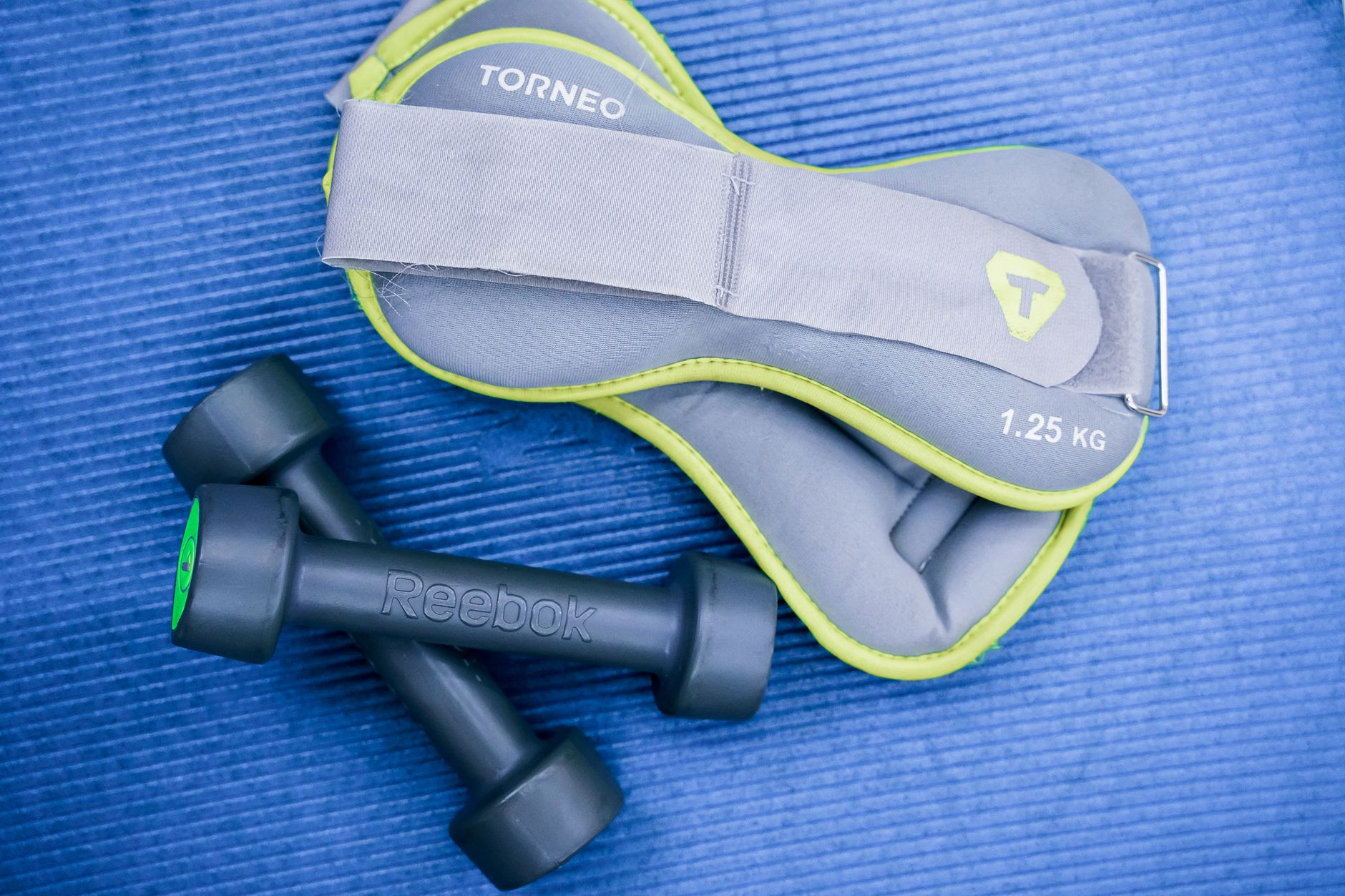
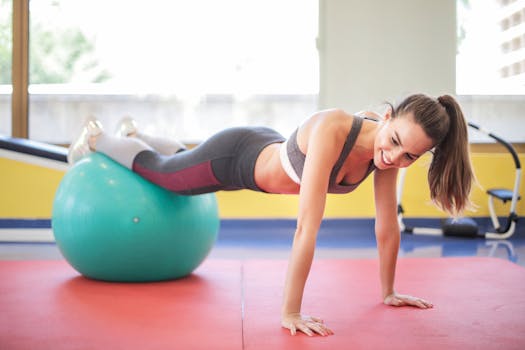 Photo: Andrea Piacquadio / Pexels
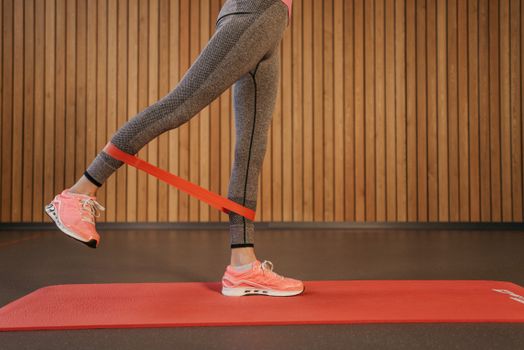 Photo: Pavel Danilyuk / Pexels
 Photo: www.kaboompics.com / Pexels