✓ Daily walking significantly reduces the risk of chronic diseases like heart disease and type 2 diabetes.
✓ Just 30 minutes of brisk walking most days of the week can improve cardiovascular health.
✓ Walking is a mood enhancer, proven to reduce stress, anxiety, and symptoms of depression.
✓ Regular walking helps manage weight by burning calories and boosting metabolism.
How It Works
1
Start Small & Be Consistent
Begin with manageable distances and durations, gradually increasing as your stamina improves. Consistency is key to building a lasting habit and seeing results.
2
Incorporate Brisk Pace
Aim for a pace where you can talk but not sing, indicating a moderate intensity. This elevates your heart rate and maximizes cardiovascular benefits.
3
Make it Enjoyable
Walk with a friend, listen to music or podcasts, or explore new routes. Finding joy in the activity helps maintain motivation and makes it a sustainable habit.
4
Track Your Progress
Use a pedometer or fitness tracker to monitor steps, distance, and calories burned. Seeing your progress can be a powerful motivator to keep going.
The Cardiovascular and Metabolic Miracles of Walking
Photo: MART PRODUCTION / Pexels
In an age where complex fitness routines and expensive gym memberships often dominate the conversation, the profound simplicity and accessibility of daily walking for health often get overlooked. Yet, this age-old activity is a powerhouse for cardiovascular and metabolic health, offering benefits that rival more strenuous exercises without the associated risks or barriers. When you commit to a daily walking regimen, even for a modest 30 minutes, you initiate a cascade of positive physiological changes that directly impact your heart and your body's ability to process energy.
Firstly, daily walking is a phenomenal way to strengthen your heart muscle. Like any other muscle, the heart benefits from regular exertion. As you walk, your heart pumps blood more efficiently, improving circulation throughout your body. This enhanced efficiency means your heart doesn't have to work as hard to deliver oxygen and nutrients, leading to a lower resting heart rate and reduced blood pressure over time. High blood pressure, a major risk factor for heart disease and stroke, can be significantly mitigated through consistent walking. Studies have consistently shown that individuals who engage in regular moderate-intensity walking have a substantially lower risk of developing coronary artery disease. It's not just about prevention; for those already managing heart conditions, walking can be a safe and effective component of a rehabilitation program, helping to improve cardiac function and overall quality of life.
Beyond its direct impact on the heart, walking also plays a crucial role in improving your lipid profile. Regular physical activity, including walking, can help increase levels of high-density lipoprotein (HDL) cholesterol, often referred to as 'good' cholesterol, while simultaneously lowering low-density lipoprotein (LDL) cholesterol, the 'bad' cholesterol that contributes to arterial plaque buildup. This favorable shift in cholesterol levels is vital for maintaining clear, flexible arteries and preventing atherosclerosis.
Metabolically, the benefits of daily walking are equally impressive. It significantly aids in blood sugar regulation, making it an invaluable tool in the prevention and management of type 2 diabetes. When you walk, your muscles use glucose for energy, which helps to lower blood sugar levels. Furthermore, regular physical activity increases insulin sensitivity, meaning your body's cells become more responsive to insulin, allowing glucose to enter cells more efficiently. This reduces the burden on the pancreas and helps maintain stable blood sugar levels, preventing the spikes and crashes that contribute to insulin resistance.
Weight management is another critical metabolic benefit. While walking might not burn as many calories per minute as high-intensity interval training, its consistency and accessibility make it a sustainable way to contribute to a caloric deficit. Over time, these burned calories add up, helping you achieve and maintain a healthy weight. A healthy weight, in turn, reduces the strain on your cardiovascular system and further improves metabolic function. Moreover, walking helps to build and preserve lean muscle mass, which is metabolically active and contributes to a higher resting metabolic rate, meaning you burn more calories even when at rest.
In essence, daily walking is a foundational pillar for a robust cardiovascular system and efficient metabolism. It's a low-impact, high-reward activity that addresses multiple risk factors for chronic diseases, empowering individuals to take proactive steps toward a healthier, more vibrant life. It's a testament to the power of simple movements in achieving profound health outcomes. For more insights on overall physical activity, explore our guide on the importance of physical activity.
Boosting Brain Power and Mood: The Cognitive and Psychological Edge
Photo: Liliana Drew / Pexels
The benefits of daily walking extend far beyond the physical, delving deep into the realms of cognitive function and psychological well-being. In our fast-paced, often stressful world, finding accessible and effective ways to boost brain power and uplift mood is more critical than ever, and daily walking stands out as a remarkably potent solution. The connection between physical movement and mental health is well-documented, with walking serving as a prime example of this powerful synergy.
From a cognitive perspective, regular walking has been shown to enhance various brain functions. When you walk, blood flow to the brain increases, delivering more oxygen and essential nutrients. This improved circulation is vital for brain health, supporting the growth of new brain cells and improving the connections between existing ones. Studies indicate that regular moderate-intensity exercise, including walking, can improve memory, attention span, and problem-solving skills. For older adults, walking is particularly crucial in mitigating age-related cognitive decline and reducing the risk of neurodegenerative diseases like Alzheimer's and dementia. It helps maintain the volume of the hippocampus, a brain region critical for memory formation, and promotes neuroplasticity, the brain's ability to adapt and reorganize itself.
Beyond sharp thinking, daily walking is a formidable tool for mental well-being. It acts as a natural stress reliever, helping to clear the mind and reduce the physiological symptoms of stress. The rhythmic, repetitive motion of walking can be meditative, allowing for a break from ruminating thoughts and promoting a sense of calm. This effect is often amplified when walking in nature, where exposure to green spaces has additional proven benefits for mental health, often referred to as 'forest bathing' or 'green exercise'.
Walking is also a powerful mood enhancer. Physical activity stimulates the release of endorphins, natural mood-lifting chemicals in the brain that produce feelings of euphoria and well-being. This 'runner's high' isn't exclusive to intense exercise; even a brisk walk can trigger a similar, albeit milder, effect. Consequently, daily walking has been shown to reduce symptoms of anxiety and depression. It provides a healthy outlet for pent-up energy and emotions, fostering a sense of accomplishment and control. The simple act of stepping outside and engaging with the world can combat feelings of isolation and promote a sense of connection.
Furthermore, walking can improve sleep quality. Regular physical activity helps regulate your body's natural sleep-wake cycle (circadian rhythm), making it easier to fall asleep faster and enjoy deeper, more restorative sleep. However, it's advisable to avoid vigorous walking too close to bedtime, as the stimulating effects might interfere with sleep for some individuals. A morning or early evening walk is often ideal for optimizing sleep patterns.
In summary, integrating daily walking into your routine is an investment in your brain's long-term health and your emotional resilience. It's a simple, accessible, and enjoyable way to sharpen your mind, reduce stress, elevate your mood, and cultivate a greater sense of overall well-being. The cognitive and psychological benefits alone are compelling reasons to lace up your shoes and take that daily stroll, proving that sometimes the simplest solutions yield the most profound results for our complex minds.
Strengthening Bones, Joints, and Immunity: A Holistic Approach
Photo: dada _design / Pexels
While the cardiovascular and mental benefits of daily walking for health are widely celebrated, its impact on the musculoskeletal system and immune function is equally significant, offering a holistic approach to overall well-being. Walking is a weight-bearing exercise, meaning it forces you to work against gravity, a critical factor in maintaining strong bones and healthy joints. This makes it an indispensable activity across all age groups, from young adults looking to build peak bone mass to older individuals aiming to prevent osteoporosis and maintain mobility.
For bone health, the gentle impact of walking stimulates osteoblasts, the cells responsible for building new bone tissue. Regular walking helps to increase bone density, making bones stronger and more resilient. This is particularly vital for women, who are at a higher risk of osteoporosis post-menopause. Consistent weight-bearing exercise throughout life can significantly reduce the risk of fractures and maintain skeletal integrity into old age. Unlike high-impact activities that can put excessive strain on joints, walking offers a low-impact alternative that provides the necessary stimulus for bone growth without the heightened risk of injury.
Joint health also sees substantial improvements with daily walking. The movement helps to lubricate the joints by circulating synovial fluid, which reduces friction and provides nutrients to the cartilage. This can alleviate stiffness, improve flexibility, and reduce pain, especially for individuals with conditions like osteoarthritis. Regular, gentle movement keeps the cartilage nourished and helps maintain the range of motion in knees, hips, and ankles. Strengthening the muscles surrounding these joints through walking also provides better support and stability, further protecting them from wear and tear. It’s a paradox: the more you move, the less your joints might ache, provided the movement is appropriate and not overdone. For more specific exercise routines, consider exploring beginner fitness routines.
Beyond bones and joints, daily walking plays a crucial role in bolstering your immune system. Moderate exercise, such as walking, can enhance the circulation of immune cells throughout the body, allowing them to detect and fight off pathogens more efficiently. Studies have shown that people who walk regularly tend to have fewer colds and other upper respiratory tract infections compared to sedentary individuals. If they do get sick, the duration and severity of their illness are often reduced. This immune-boosting effect is attributed to the increased production and circulation of immune cells, such as natural killer cells and T-cells, which are vital for defending the body against viruses and bacteria.
However, it's important to note that while moderate exercise boosts immunity, excessive or prolonged intense exercise without adequate recovery can temporarily suppress the immune system. This makes daily moderate walking an ideal activity for consistent immune support, as it provides the benefits without the potential downsides of overtraining.
In essence, daily walking is a comprehensive health strategy that nurtures your entire body. It builds stronger bones, keeps your joints supple, and fortifies your immune defenses, all while being accessible and enjoyable. By embracing this simple habit, you're not just moving; you're investing in a more resilient, mobile, and healthy future.
Practical Tips for Integrating Daily Walking into Your Life
Photo: Nataliya Vaitkevich / Pexels
Integrating daily walking into your life doesn't have to be a daunting task. With a few practical strategies and a shift in mindset, you can seamlessly weave this beneficial habit into your routine, reaping the extensive benefits of daily walking for health.
**Tips for Success:**
* **Start Small and Build Up:** Don't feel pressured to walk miles on your first day. Begin with 10-15 minute walks and gradually increase your duration and intensity over time. Consistency is more important than initial mileage. Aim for at least 30 minutes of brisk walking most days of the week, but even shorter bursts add up.
* **Make it a Ritual:** Associate your walk with an existing daily habit. For instance, walk before breakfast, during your lunch break, or immediately after dinner. This helps create a routine that's harder to skip.
* **Find Your Motivation:** What drives you? Is it listening to your favorite podcast, exploring new neighborhoods, spending time in nature, or catching up with a friend? Identify what makes walking enjoyable for you and lean into it.
* **Invest in Good Footwear:** Comfortable, supportive shoes are paramount. They prevent blisters, reduce strain on your joints, and make the experience much more pleasant, encouraging you to keep going.
* **Track Your Progress:** Use a fitness tracker, smartphone app, or even a simple journal to log your walks. Seeing your steps, distance, and duration increase can be incredibly motivating.
* **Vary Your Scenery:** Walking the same route every day can get monotonous. Explore local parks, nature trails, different streets in your neighborhood, or even try indoor tracks at a mall during bad weather.
* **Walk with a Buddy:** Accountability is a powerful motivator. Walking with a friend, family member, or even a dog can make the experience more social and enjoyable, ensuring you stick to your plan.
* **Incorporate Walking into Errands:** If possible, walk to the grocery store, post office, or to pick up coffee instead of driving. These short bursts of activity add up throughout the day.
* **Stand and Move at Work:** If you have a sedentary job, take short walking breaks every hour. Walk to a colleague's desk instead of emailing, use the stairs instead of the elevator, or take a walking meeting.
**Common Mistakes to Avoid:**
* **Overdoing It Too Soon:** Pushing yourself too hard at the beginning can lead to injury or burnout. Listen to your body and increase intensity gradually.
* **Ignoring Pain:** While some muscle soreness is normal, sharp or persistent pain is not. Don't push through pain; rest and address the issue to prevent further injury.
* **Wearing the Wrong Shoes:** Ill-fitting or worn-out shoes are a recipe for discomfort and injury. Replace your walking shoes every 300-500 miles or every 6-12 months.
* **Not Hydrating:** Even moderate walking can lead to dehydration, especially in warmer weather. Carry water with you, particularly on longer walks.
* **Forgetting Sun Protection:** If walking outdoors, protect your skin from the sun with sunscreen, a hat, and sunglasses, even on cloudy days.
* **Skipping Warm-up/Cool-down:** A few minutes of dynamic stretches before your walk and static stretches afterward can improve flexibility and prevent muscle soreness.
By adopting these practical tips and being mindful of common pitfalls, you can successfully integrate daily walking into your life, transforming it from an aspiration into a sustainable, health-boosting habit.
Comparison
Feature
Daily Walking
High-Intensity Interval Training (HIIT)
Weightlifting
Impact on Joints
Low
High
Moderate
Accessibility
Very High
Moderate
Moderate
Equipment Needed
Minimal (shoes)
Minimal to None
Weights, Gym
Cardiovascular Benefits
Excellent
Excellent
Good
Strength Building
Good (lower body)
Moderate
Excellent
Stress Reduction
✓
✗
✓
Time Commitment
Flexible (short bursts okay)
Short (intense)
Moderate to Long
Injury Risk
Low
Moderate to High
Moderate to High
What Readers Say
★★★★★
"Starting a daily walking routine has been a game-changer for my energy levels and mood. I used to feel sluggish, but now I look forward to my morning walk and feel more productive throughout the day. It's incredible how such a simple change can have such profound benefits of daily walking for health."
Sarah J. · Austin, TX
★★★★★
"I was skeptical at first, thinking walking wasn't 'real' exercise. But after a few months of consistently walking 30 minutes a day, my blood pressure has improved, and I've even lost a few pounds. My doctor is thrilled, and so am I!"
Mark T. · Seattle, WA
★★★★★
"My chronic back pain used to limit my activity, but daily gentle walking has significantly reduced my discomfort and improved my mobility. I can now play with my grandkids without pain, which is a huge victory for me thanks to the benefits of daily walking for health."
Emily R. · Miami, FL
★★★★★
"While I appreciate the physical benefits of daily walking, the mental clarity and stress relief I get from my afternoon walks are truly invaluable. Sometimes it's hard to make time, but I always feel better afterward. It truly helps clear my head."
David L. · Denver, CO
★★★★★
"As a busy professional, finding time for fitness was a challenge. Incorporating walking meetings and taking the stairs has made a huge difference. I feel more active, less stressed, and my overall fitness has definitely improved, showcasing the versatile benefits of daily walking for health."
Jessica M. · Chicago, IL
Frequently Asked Questions
What are the most significant benefits of daily walking for health?
The most significant benefits of daily walking for health include improved cardiovascular health, reduced risk of chronic diseases like type 2 diabetes and certain cancers, enhanced mood and mental well-being, stronger bones and joints, and effective weight management. It's a holistic activity that positively impacts nearly every system in the body, promoting longevity and quality of life.
Do I need special equipment to start daily walking?
No, you don't need special equipment to start daily walking. The most crucial item is a comfortable pair of supportive walking shoes. Beyond that, comfortable clothing suitable for the weather, and perhaps a water bottle for longer walks, are all you need. Fitness trackers or pedometers can be helpful for motivation but are not essential.
How much should I walk daily to see health benefits?
For most adults, the recommendation is at least 150 minutes of moderate-intensity aerobic activity per week, which translates to about 30 minutes of brisk walking five days a week. However, even shorter, more frequent walks (e.g., three 10-minute walks) can accumulate and provide significant health benefits. Starting with what you can manage and gradually increasing duration and intensity is key.
Is walking enough exercise, or do I need to do more intense workouts?
For many people, especially those just starting an exercise routine or looking for general health maintenance, daily walking is an excellent and sufficient form of exercise. It provides significant cardiovascular, metabolic, and mental health benefits. While more intense workouts can offer additional benefits for specific fitness goals, walking alone is incredibly powerful for overall health and disease prevention.
How does walking compare to running for health benefits?
Both walking and running offer excellent health benefits, primarily cardiovascular. Running generally burns more calories and can build cardiovascular fitness more quickly due to its higher intensity. However, walking is lower impact, making it gentler on joints and suitable for a wider range of fitness levels and ages, with a lower risk of injury. The key is consistency; a consistent walking routine can often be more sustainable than a running one for many individuals.
Who can benefit most from daily walking?
Virtually everyone can benefit from daily walking. It's particularly beneficial for individuals looking to improve heart health, manage weight, lower blood sugar, reduce stress, or simply incorporate more physical activity into a sedentary lifestyle. It's also an excellent choice for older adults, individuals recovering from injuries (with medical clearance), and those new to exercise due to its low impact and accessibility.
Are there any risks associated with daily walking?
Daily walking is generally very safe with minimal risks. The most common issues are minor muscle soreness, blisters, or tripped falls. To minimize risks, wear appropriate footwear, stay hydrated, be aware of your surroundings (especially traffic), and listen to your body to avoid overexertion. If you have underlying health conditions, consult your doctor before starting any new exercise regimen.
What are future trends in promoting the benefits of daily walking for health?
Future trends in promoting the benefits of daily walking for health include increased integration of walking into urban planning (walkable cities), leveraging technology like advanced fitness trackers and gamified apps to boost motivation, and incorporating 'walking prescriptions' into healthcare. There's also a growing emphasis on social walking groups and 'walking meetings' to combine physical activity with community and productivity, further embedding walking into daily life.
Embrace the profound benefits of daily walking for health and transform your well-being. It's a simple, free, and incredibly effective way to boost your physical and mental vitality. Take the first step today and discover a healthier, happier you!

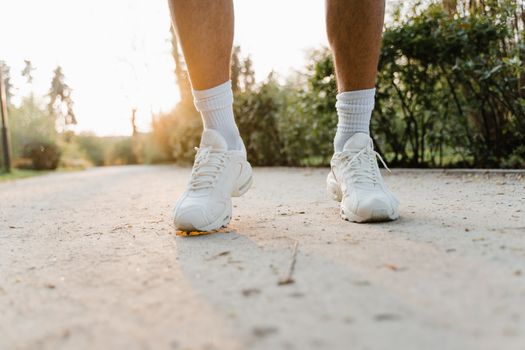 Photo: MART PRODUCTION / Pexels
 Photo: Liliana Drew / Pexels
 Photo: dada _design / Pexels
 Photo: Nataliya Vaitkevich / Pexels