The Best Running Shoes for Flat Feet: Your Ultimate Guide
July 22, 2026 18 min read 3,531 words
Unlock pain-free running and optimized performance with the right footwear designed specifically for flat feet.
Find Your Perfect Pair
Understanding Flat Feet and Their Impact on Running
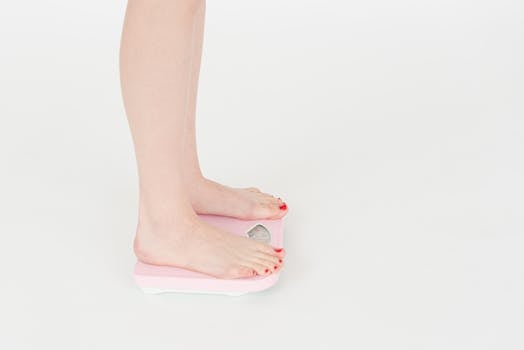 Photo: SHVETS production / Pexels
Flat feet, medically known as pes planus, is a condition where the arches on the inside of your feet are flattened, allowing the entire sole of your foot to touch the ground when you stand. This common foot structure can be genetic or develop over time due to factors like age, injury, or wear and tear on the tendons that support the arch. For runners, flat feet present unique challenges because they often lead to excessive pronation. Pronation is the natural inward rolling motion of your foot during the gait cycle, which helps absorb impact. However, with flat feet, this inward roll can become exaggerated, a condition known as overpronation. Overpronation can cause a cascade of biomechanical issues throughout the body. When your foot rolls too far inward, it can put extra stress on your ankles, shins, knees, hips, and even your lower back. This increased stress can manifest as a variety of common running injuries, including plantar fasciitis (inflammation of the tissue on the bottom of your foot), shin splints (pain along the shin bone), Achilles tendinitis, runner's knee (patellofemoral pain syndrome), and IT band syndrome.
The impact of flat feet on running performance isn't just about pain; it's also about efficiency. When your foot overpronates, it can lead to a less stable push-off, meaning you lose some of the propulsive force that comes from a stable foot strike. This can make your runs feel less efficient and more tiring. Furthermore, the constant strain on muscles and tendons can lead to quicker fatigue, limiting your ability to maintain pace and distance. Therefore, selecting the
right running shoes is not just a matter of comfort, but a critical component of injury prevention and performance optimization for runners with flat feet. Without adequate support, the repetitive impact of running exacerbates the issues associated with overpronation, turning an enjoyable activity into a source of chronic discomfort. Our goal here is to equip you with the knowledge to make an informed decision, ensuring your running journey is as smooth and pain-free as possible. Understanding your foot's mechanics is the first step towards finding the perfect shoe that counteracts these tendencies, providing the necessary stability and support to keep you on the road or trail. It's about finding a shoe that works with your unique biomechanics, not against them, to create a harmonious and efficient stride. The right shoe acts as an external support system, guiding your foot through a more neutral gait cycle and distributing impact forces more evenly across your foot and lower limbs. This not only reduces the risk of injury but also allows your muscles to work more effectively, translating into better performance and greater enjoyment of your runs. Recognizing the subtle signs of overpronation and understanding how different shoe technologies address these issues is fundamental to making an informed choice. It's an investment in your long-term running health and enjoyment. Many runners with flat feet mistakenly choose neutral shoes, believing they offer more cushioning, only to find their issues worsen. The key is balance: cushioning paired with robust stability features to prevent excessive inward rolling.
Key Features to Look for in Running Shoes for Flat Feet
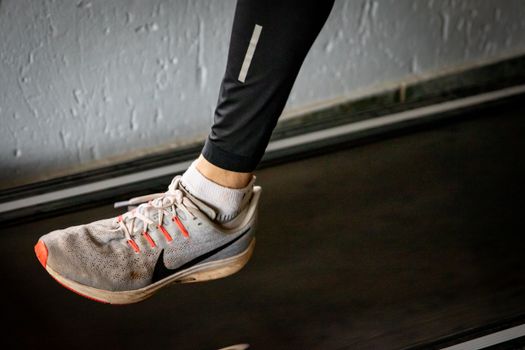 Photo: Magda Ehlers / Pexels
When searching for the best running shoes for flat feet, it's essential to prioritize specific features designed to address overpronation and provide adequate support. These features work in concert to guide your foot through a more neutral gait cycle, reducing strain and improving efficiency. The primary categories of shoes to consider are stability shoes and, for more severe cases, motion control shoes.
**Stability Shoes:** These are the most common recommendation for runners with mild to moderate overpronation. They incorporate technology to prevent excessive inward rolling of the foot. The hallmark of a stability shoe is a **medial post**, which is a denser foam material located on the arch side (medial side) of the midsole. This firmer foam slows down the rate of pronation, providing a stable platform for your foot. Beyond the medial post, stability shoes often feature a wider base for increased ground contact and a more structured upper that locks the foot securely in place. Some brands also use guide rails or integrated support systems that extend from the heel to the midfoot, offering a more adaptive form of stability that works with your natural stride rather than forcing it into a specific motion.
**Motion Control Shoes:** For runners with severe overpronation or larger body frames, motion control shoes offer the highest level of support and pronation control. These shoes are characterized by an even firmer medial post, a very stiff heel counter (the part of the shoe that cups your heel), and often a broader, flatter sole. They are built to be less flexible, providing maximum resistance against inward rolling. While highly effective, motion control shoes can feel rigid to some runners, so it's crucial to try them on and assess comfort. They are specifically engineered to provide maximum stability and minimize excessive foot motion, making them ideal for individuals who require significant support to maintain a neutral foot position during their run.
Beyond these categories, other crucial features include:
* **Arch Support:** Look for shoes with built-in, anatomically shaped arch support that contours to the bottom of your foot. This support helps to lift and maintain the arch, reducing strain on the plantar fascia. The level of arch support can vary significantly between models and brands, so trying them on is key. Some shoes offer more aggressive arch support, while others provide a more moderate lift.
* **Firm Midsole:** A dense, resilient midsole material is vital for stability. It prevents the shoe from compressing too much under the arch, which would defeat the purpose of the stability features. EVA and PU foams are common, but many brands use proprietary blends that offer a balance of cushioning and firmness. The midsole should feel responsive, providing energy return without feeling overly soft or mushy.
* **Structured Heel Counter:** The heel counter is the rigid cup that wraps around your heel. A firm heel counter helps to lock your heel in place, preventing excessive movement and contributing to overall stability. A weak or flexible heel counter can allow the heel to slip and the foot to roll inward more freely, negating other stability features.
* **Outsole Design:** The outsole should offer good traction and durability, but also contribute to stability. A wider outsole base provides a more stable platform. Some outsoles feature specific lug patterns or grooves designed to enhance ground contact and stability, particularly on varied terrains.
* **Upper Construction:** The upper should provide a secure, comfortable fit without being overly restrictive. Breathable, supportive materials that hold the midfoot firmly are beneficial. Engineered mesh and synthetic overlays are commonly used to achieve this balance. An upper that allows too much foot movement can undermine the stability provided by the midsole.
Understanding these features will empower you to critically evaluate different running shoe models. Remember, the goal is not just to find a shoe that prevents overpronation, but one that does so comfortably, allowing you to run without pain or distraction. Personal preference plays a significant role, so what works for one runner might not work for another. Always prioritize trying on shoes and assessing how they feel during a simulated run. It’s a holistic approach to finding your perfect pair.
Top Recommended Running Shoes for Flat Feet in 2024
 Photo: RUN 4 FFWPU / Pexels
Navigating the vast market of running shoes can be daunting, but several brands consistently deliver excellent options for runners with flat feet. Our recommendations for 2024 focus on models that excel in stability, support, and overall comfort, incorporating the key features discussed previously. These shoes have been lauded by runners and experts alike for their ability to mitigate the challenges posed by overpronation.
**Brooks Adrenaline GTS:** This is arguably one of the most popular stability shoes on the market, and for good reason. The Adrenaline GTS (Go-To-Support) features Brooks' innovative GuideRails® support system, which acts like bumpers, guiding your foot into its natural motion path rather than correcting it. This adaptive support system provides stability only when needed, making it suitable for a wide range of pronation levels. The DNA LOFT cushioning provides a soft, responsive ride, striking a perfect balance between cushioning and support. It’s a versatile shoe that works well for daily training runs and longer distances, offering a consistent and reliable experience for flat-footed runners. Its persistent popularity is a testament to its effectiveness and comfort, making it a staple in many runners' rotations.
Brooks also offers other great running gear that complements their shoes.
**Saucony Guide:** The Saucony Guide offers a blend of stability and cushioning that makes it a favorite among runners with flat feet. It utilizes Saucony's HOLLOW-TECH support system, a medial support frame that provides unobtrusive stability without feeling overly prescriptive. The PWRRUN cushioning delivers a soft yet responsive feel, making it comfortable for everyday miles. The Guide is known for its smooth transitions and accommodating fit, making it a great option for those seeking reliable support in a comfortable package. It's a shoe that encourages a natural stride while still providing the necessary control for overpronators. The latest iterations have refined the balance between flexibility and support, ensuring a dynamic yet stable ride.
**ASICS GT-2000:** The ASICS GT-2000 is a long-standing workhorse in the stability category. It features ASICS' GEL technology in the heel and forefoot for excellent shock absorption, combined with their LITERUSS™ technology, a medial support system that helps guide the foot through a more efficient toe-off. The FLYTEFOAM™ Propel cushioning provides a lightweight and energetic feel. The GT-2000 is known for its consistent performance and durability, making it a reliable choice for runners looking for a shoe that can handle high mileage while providing robust support. It offers a structured yet comfortable fit, making it suitable for various foot shapes and running styles. This model is often a go-to for runners who appreciate a traditional, firm stability shoe.
**Hoka Gaviota:** For runners seeking maximum cushioning along with robust stability, the Hoka Gaviota is an excellent choice. It features Hoka's J-Frame™ technology, a 'J' shaped hook of firmer foam that wraps around the heel and extends along the medial side of the shoe, providing dynamic stability. This, combined with Hoka's signature maximalist cushioning, offers a plush yet incredibly stable ride. The Gaviota is particularly well-suited for long runs, recovery runs, or for heavier runners who benefit from extra impact absorption without sacrificing stability. Its wide base and deep footbed further enhance its stability characteristics, making it a top contender for those who prioritize both comfort and support. The Gaviota truly redefines what a stability shoe can feel like, proving that high levels of support don't have to come at the expense of comfort.
**Mizuno Wave Inspire:** The Mizuno Wave Inspire offers a unique approach to stability with its Fan-Shaped Wave Plate technology. This thermoplastic wave plate is strategically shaped to provide dynamic support, preventing overpronation while maintaining a responsive feel. The Enerzy foam in the midsole delivers a softer and more energetic ride than previous versions, making it more comfortable for daily training. The Inspire is known for its smooth transitions and durable outsole, making it a reliable choice for runners who prefer a firmer, more responsive feel in their stability shoe. It provides a consistent and supportive experience, making it a strong contender for those who enjoy a more traditional stability feel with modern cushioning. The Wave Inspire is a testament to Mizuno's engineering prowess, offering a distinctive ride quality that many flat-footed runners appreciate for its balance of support and responsiveness.
Choosing Your Best Fit: Tips and Common Mistakes to Avoid
 Photo: Tirachard Kumtanom / Pexels
Selecting the best running shoes for flat feet goes beyond just knowing the top models; it involves a personalized approach to ensure the shoe truly meets your needs. Here are essential tips and common mistakes to avoid during your search:
**Tips for Choosing the Right Pair:**
* **Visit a Specialty Running Store:** This is perhaps the most crucial tip. Experts at these stores can analyze your gait (how your foot moves when you run) on a treadmill and recommend shoes tailored to your specific pronation level and foot shape. They can also measure your foot accurately, which can change over time.
* **Try Shoes On Towards the End of the Day:** Your feet swell throughout the day, so trying on shoes when they are at their largest ensures a comfortable fit that won't become too tight during a run.
* **Wear Your Running Socks:** Bring the type of socks you typically run in to get the most accurate fit. Different sock thicknesses can significantly alter how a shoe feels.
* **Walk and Jog in the Shoes:** Don't just stand in them. Take a few laps around the store, or ideally, use a treadmill if available. Pay attention to how your arch feels, if your heel slips, and if there are any pressure points.
* **Check for the 'Rule of Thumb':** There should be about a thumb's width of space between your longest toe and the end of the shoe. Your toes should also be able to wiggle freely.
* **Consider Orthotics:** If you use custom or over-the-counter orthotics, bring them with you to try on in the shoes. Ensure they fit comfortably and don't make the shoe too tight.
* **Don't Rush the Decision:** Take your time. Trying on several pairs and comparing them side-by-side will help you make the best choice.
**Common Mistakes to Avoid:**
* **Buying Based Solely on Looks:** While aesthetics are a factor, prioritizing them over function is a common pitfall. The most stylish shoe might not be the best for your flat feet.
* **Choosing a Neutral Shoe (Unless Advised):** Many flat-footed runners mistakenly believe more cushioning is always better. Neutral shoes lack the stability features needed to control overpronation, potentially exacerbating issues.
* **Ignoring Comfort for Brand Loyalty:** Just because a brand worked for you in the past doesn't mean every model will. New designs and technologies can change the fit and feel. Prioritize comfort and support above all else.
* **Not Replacing Shoes Regularly:** Running shoes have a lifespan, typically 300-500 miles. Beyond this, the cushioning and support break down, losing their effectiveness. Running in worn-out shoes can lead to injury.
* **Assuming All Stability Shoes Are the Same:** The level of stability and the technologies used vary significantly between models and brands. What works for mild overpronation might be insufficient for severe cases, and vice versa.
* **Buying Online Without Trying On:** While convenient, buying running shoes online without trying them on first is risky, especially for specific needs like flat feet. Sizing and fit can vary greatly between brands and even models.
* **Focusing Only on the Arch:** While arch support is critical, remember that overall stability, heel lockdown, and midsole firmness also play vital roles in supporting flat feet effectively.
By following these tips and avoiding common missteps, you'll significantly increase your chances of finding the perfect pair of running shoes that provide the stability and comfort your flat feet need to thrive on every run.