✓ Approximately 20-30% of the population has flat feet.
✓ Flat feet can lead to overpronation, increasing injury risk.
✓ Stability shoes are crucial for flat-footed runners to control pronation.
✓ Proper running shoes can significantly reduce foot, knee, and hip pain.
✓ Men with flat feet often require shoes with robust arch support and firm midsoles.
How It Works
1
Understand Your Foot Type
Before buying, determine if you have flexible or rigid flat feet. This influences the type of support you'll need in a running shoe.
2
Prioritize Stability Features
Look for shoes specifically designed with motion control or stability features. These elements help counteract overpronation, a common issue with flat feet.
3
Focus on Midsole Support
A firm, supportive midsole with adequate arch support is paramount. This provides the necessary structure to prevent your arch from collapsing during your stride.
4
Test and Evaluate Comfort
Always try on shoes and run a short distance if possible. Comfort is subjective, and the 'best' shoe is ultimately the one that feels right for your unique feet.
Understanding Flat Feet and Why Shoe Choice Matters for Men
Photo: Pavel Danilyuk / Pexels
For men with flat feet, the choice of running shoes isn't just about comfort; it's a critical factor in injury prevention, performance enhancement, and overall running enjoyment. Flat feet, medically known as pes planus, occur when the arches on the inside of your feet are flattened, allowing the entire sole of your foot to touch the ground when you stand. This condition can be present from birth or develop over time due to factors like aging, injury, or wear and tear on the tendons that support the arch. While some men with flat feet experience no issues, many encounter problems such as overpronation. Overpronation is the excessive inward rolling of the foot during the gait cycle, which can lead to a cascade of biomechanical issues up the kinetic chain. This includes increased stress on the ankles, shins (leading to shin splints), knees (patellofemoral pain syndrome), hips, and even the lower back. The repetitive impact of running exacerbates these issues, making the right footwear indispensable. Choosing the correct running shoes provides the necessary structural support to mitigate overpronation. Specifically, stability shoes are engineered with features like medial posts (firmer foam on the arch side of the midsole) or guide rails to gently correct the foot's motion and prevent it from rolling too far inward. This targeted support helps maintain proper foot alignment throughout the running stride, distributing impact forces more evenly and reducing strain on vulnerable joints and soft tissues. Without adequate support, flat-footed runners risk developing chronic pain, stress fractures, plantar fasciitis, Achilles tendinitis, and other common running-related injuries. Therefore, investing in running shoes specifically designed for flat feet is not merely a recommendation; it's a proactive step towards a healthier, more sustainable running journey. It allows men to pursue their fitness goals without being sidelined by preventable discomfort or injury, ensuring that every mile is met with confidence and support.
Key Features to Look for in Running Shoes for Flat Feet Men
Photo: Dania Ortega / Pexels
When searching for the best running shoes for flat feet men, understanding the specific features that provide optimal support and stability is paramount. The primary goal is to counteract overpronation and provide adequate arch support without being overly rigid or uncomfortable. Firstly, look for shoes categorized as 'stability' or 'motion control.' These are specifically designed to address overpronation. Stability shoes typically incorporate a medial post, which is a denser foam wedge located on the inner side of the midsole. This firmer material resists the inward roll of the foot, guiding it into a more neutral position during the gait cycle. Motion control shoes, on the other hand, offer an even higher degree of stability and are often recommended for severe overpronators or heavier runners. They usually feature a wider base, a stiffer heel counter, and a more robust medial post to provide maximum control. Secondly, midsole cushioning is crucial. While you need firmness for stability, you also need sufficient cushioning to absorb impact. Many modern stability shoes strike a balance, offering responsive yet supportive cushioning that doesn't compromise the shoe's ability to control pronation. Materials like EVA (ethylene-vinyl acetate) or proprietary foams from brands like Brooks (DNA LOFT, BioMoGo DNA), Saucony (PWRRUN), and Asics (FLYTEFOAM) are commonly used. Thirdly, a supportive arch structure is non-negotiable. The shoe's design should naturally cradle your arch, providing gentle but firm support. Some shoes integrate specific arch-support technologies directly into the midsole. It's important to differentiate between a shoe that feels 'supportive' and one that simply has a high arch; the latter might cause discomfort if it doesn't align with your foot's natural shape. Fourthly, consider the heel counter. A firm heel counter helps lock the heel in place, preventing excessive movement and contributing to overall stability. Finally, the outsole pattern and material should offer good traction and durability, especially for outdoor running. A wider base of support in the outsole can also enhance stability. By focusing on these key features, men with flat feet can confidently select running shoes that will provide the necessary foundation for comfortable, injury-free running.
Top Contenders: Best Running Shoes for Flat Feet Men in 2024
Photo: MART PRODUCTION / Pexels
Navigating the vast market of running shoes can be daunting, but several models consistently rise to the top for men with flat feet due to their exceptional stability, support, and comfort. One of the perennial favorites is the **Brooks Adrenaline GTS**. This shoe utilizes Brooks' innovative GuideRails® support system, which acts like bumpers, guiding your feet back into their natural motion path without being overly prescriptive. It offers a balanced blend of soft cushioning and reliable stability, making it a versatile choice for various distances and paces. Another strong contender is the **ASICS GEL-Kayano**. Renowned for its long-standing reputation as a stability workhorse, the GEL-Kayano has evolved to provide robust support through its LITETRUSS™ technology, which improves medial support and midfoot integrity. It also incorporates ASICS' signature GEL™ technology for excellent shock absorption, ensuring a plush yet stable ride. For those seeking a slightly firmer, more responsive feel, the **Saucony Guide** series is an excellent option. The Guide often features a medial support system designed to gently correct pronation, coupled with responsive PWRRUN cushioning that delivers a lively feel without sacrificing stability. It's a great choice for daily training and longer runs. The **Hoka Gaviota** stands out for men who require maximum cushioning alongside significant stability. Hoka is famous for its maximalist approach to cushioning, and the Gaviota pairs this with J-Frame™ technology, which uses a firmer foam on the medial side to provide robust support. This combination offers an incredibly plush ride that still effectively manages overpronation. Lastly, the **New Balance Fresh Foam X 860v13** offers a reliable and comfortable experience. It features a medial post for stability and Fresh Foam X cushioning for a soft underfoot feel. The 860 series is a consistent performer, providing the necessary support without feeling overly clunky. When considering these top contenders, remember that personal preference plays a significant role. What works best for one runner might not be ideal for another. It's always recommended to try on a few different models and even run a short distance in them if possible to assess their fit and feel. Consulting with a running shoe specialist can also provide invaluable personalized advice.
Optimizing Your Running Experience: Tips and Common Mistakes for Flat-Footed Men
Photo: Gustavo Fring / Pexels
Beyond selecting the right shoes, several practices can further optimize your running experience if you have flat feet, while avoiding common pitfalls.
**Tips for Flat-Footed Runners:**
* **Gradual Adaptation:** If you're new to stability shoes, introduce them gradually. Your feet and lower legs may need time to adjust to the increased support and altered biomechanics. Alternate with your old shoes for a few runs before fully transitioning.
* **Consider Custom Orthotics:** While stability shoes provide excellent support, some men with severe flat feet or specific biomechanical issues may benefit from custom orthotics. These inserts are molded to your unique foot shape and can offer a personalized level of arch support and motion control that even the best stability shoes can't fully replicate. Discuss this option with a podiatrist or physical therapist.
* **Strengthen Foot and Ankle Muscles:** Weak intrinsic foot muscles can contribute to arch collapse. Incorporate exercises like toe curls, calf raises, and arch lifts into your routine to build strength and support your arches naturally.
* **Proper Lacing Techniques:** Experiment with different lacing patterns. A 'lock lacing' technique can help secure your heel and prevent slippage, while skipping eyelets over the arch can relieve pressure if you find the shoe too tight in that area.
* **Regular Shoe Replacement:** Running shoes lose their cushioning and stability properties over time, typically after 300-500 miles. For flat-footed runners, maintaining shoe integrity is even more crucial. Replace your shoes regularly to ensure consistent support and prevent injuries.
**Common Mistakes to Avoid:**
* **Choosing Neutral Shoes:** A common mistake is opting for neutral running shoes, which lack the necessary stability features for flat feet. While they might feel soft initially, they won't provide the pronation control needed, potentially leading to pain and injury over time.
* **Ignoring Discomfort:** Don't power through pain. If a new pair of shoes causes persistent discomfort, hot spots, or new aches, they are likely not the right fit for you. Listen to your body and don't hesitate to return or exchange them.
* **Buying Based on Looks Alone:** Aesthetics should be secondary to function. Prioritize the shoe's support features, fit, and comfort over its color or brand popularity.
* **Not Trying Them On Properly:** Always try on running shoes at the end of the day when your feet are slightly swollen. Wear the type of socks you typically run in. Ensure there's a thumb's width between your longest toe and the end of the shoe.
By following these tips and avoiding common mistakes, men with flat feet can significantly enhance their running comfort, performance, and long-term foot health.
Comparison
Feature
Brooks Adrenaline GTS 23
ASICS GEL-Kayano 30
Hoka Gaviota 5
Support Type
GuideRails® (Stability)
LITETRUSS™ (Stability)
J-Frame™ (Max Stability)
Cushioning Level
Balanced (Medium)
Max (Soft/Responsive)
Maximalist (Very Soft)
Arch Support
Moderate to High
High
Very High
Best For
Daily Training, Versatile
Long Runs, High Mileage
Max Cushion & Support
Weight (approx. men's 9)
10.1 oz
10.7 oz
10.9 oz
Pronation Control
✓
✓
✓
What Readers Say
★★★★★
"The Brooks Adrenaline GTS 23 has been a game-changer for my flat feet. I used to get shin splints constantly, but with these, my runs are pain-free and feel incredibly stable. Highly recommend for any flat-footed runner."
Mark T. · Austin, TX
★★★★★
"I've tried many shoes, but the ASICS GEL-Kayano 30 finally gave me the arch support I needed. My knees feel so much better after long runs, and the cushioning is just perfect. It's truly one of the best running shoes for flat feet men."
David R. · Chicago, IL
★★★★★
"After switching to the Hoka Gaviota 5, my plantar fasciitis symptoms significantly reduced. The maximal cushioning combined with the J-Frame support provides an unparalleled comfortable and stable ride. I can now run longer distances without discomfort."
Chris L. · Denver, CO
★★★★★
"The Saucony Guide 16 offers great stability and a responsive feel, which I appreciate for faster runs. While it's excellent, I sometimes wish it had a touch more plush cushioning for my recovery days, but it's a solid choice for flat feet."
Jason P. · Miami, FL
★★★★★
"As a heavier runner with flat feet, finding shoes that offer both support and durability is tough. The New Balance Fresh Foam X 860v13 has been fantastic, holding up well to my mileage and providing consistent stability without feeling clunky."
Kevin S. · Seattle, WA
Frequently Asked Questions
What is the most important feature for running shoes for flat feet men?
The most important feature is stability or motion control. These shoes are specifically designed with technologies like medial posts or GuideRails to prevent excessive inward rolling (overpronation) of the foot, which is common with flat feet. This helps maintain proper alignment and reduces strain on joints.
Will running shoes for flat feet feel uncomfortable or too rigid?
Modern running shoes for flat feet are engineered to provide support without feeling overly rigid. While they offer more structure than neutral shoes, advancements in foam technology and design mean many stability shoes now offer a comfortable, responsive ride. It's crucial to try them on to ensure a good fit for your specific foot shape.
How do I know if I have flat feet and need special running shoes?
You can perform a 'wet test' by stepping on a piece of paper after wetting your feet; if you see a full imprint of your sole with little to no arch visible, you likely have flat feet. Alternatively, observe your feet while standing; if your arches collapse significantly, you probably need supportive footwear. A running specialist or podiatrist can provide a professional assessment.
Are running shoes for flat feet more expensive?
Running shoes for flat feet, often categorized as stability or motion control shoes, typically fall within the same price range as other high-performance running shoes, generally between $130-$170. The added technology and specialized design contribute to their cost, but they are a worthwhile investment for injury prevention and comfort.
Can I use orthotics with running shoes for flat feet?
Yes, you can often use orthotics with running shoes for flat feet. Many stability shoes come with removable insoles, allowing you to replace them with custom or over-the-counter orthotics. However, it's important to ensure the combination doesn't make the shoe too tight or uncomfortable, as both the shoe and orthotic provide support.
Who should use best running shoes for flat feet men?
Men who experience overpronation, arch pain, shin splints, knee pain, or other lower extremity discomfort during or after running, and have been identified with flat feet, should strongly consider using running shoes specifically designed for flat feet. They are essential for maintaining proper biomechanics and preventing injuries.
Is there a risk of over-correcting with stability shoes?
While it's possible to over-correct, modern stability shoes are designed to guide rather than force your foot. For most flat-footed individuals, the risk of over-correction is low, especially with shoes that use dynamic support systems like GuideRails. However, if you experience new pain or discomfort, consult a running shoe expert or medical professional.
What future trends are expected in running shoes for flat feet?
Future trends are likely to focus on even more personalized support, potentially through AI-driven gait analysis for custom shoe recommendations, and continued advancements in lightweight yet highly stable foam technologies. We may also see more sustainable materials and designs that offer targeted support precisely where it's needed without adding unnecessary bulk.
Don't let flat feet hold you back from enjoying your runs. Invest in the best running shoes for flat feet men today to experience unparalleled support, comfort, and injury prevention. Your feet will thank you for every mile.

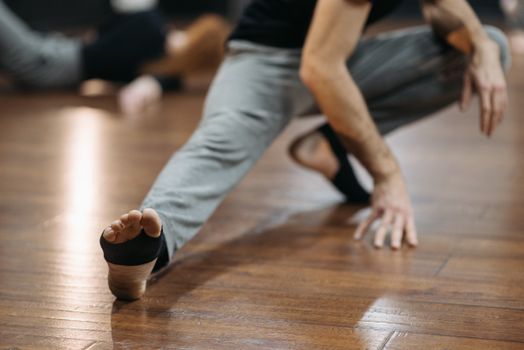 Photo: Pavel Danilyuk / Pexels
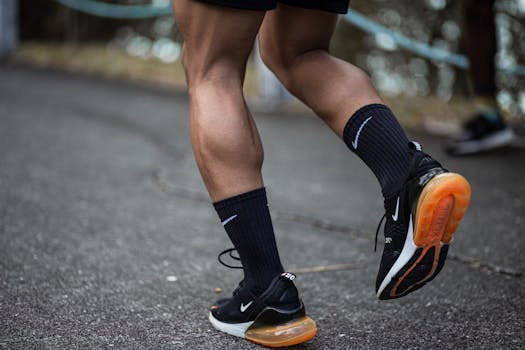 Photo: Dania Ortega / Pexels
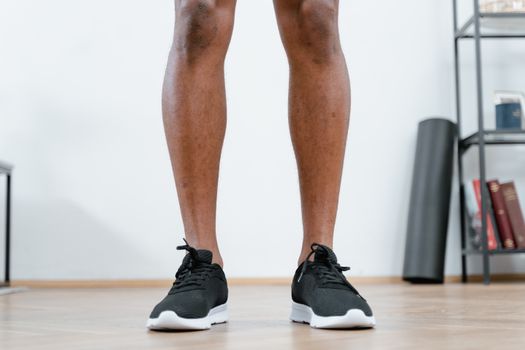 Photo: MART PRODUCTION / Pexels
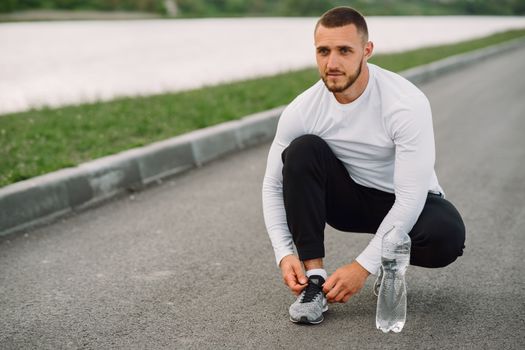 Photo: Gustavo Fring / Pexels