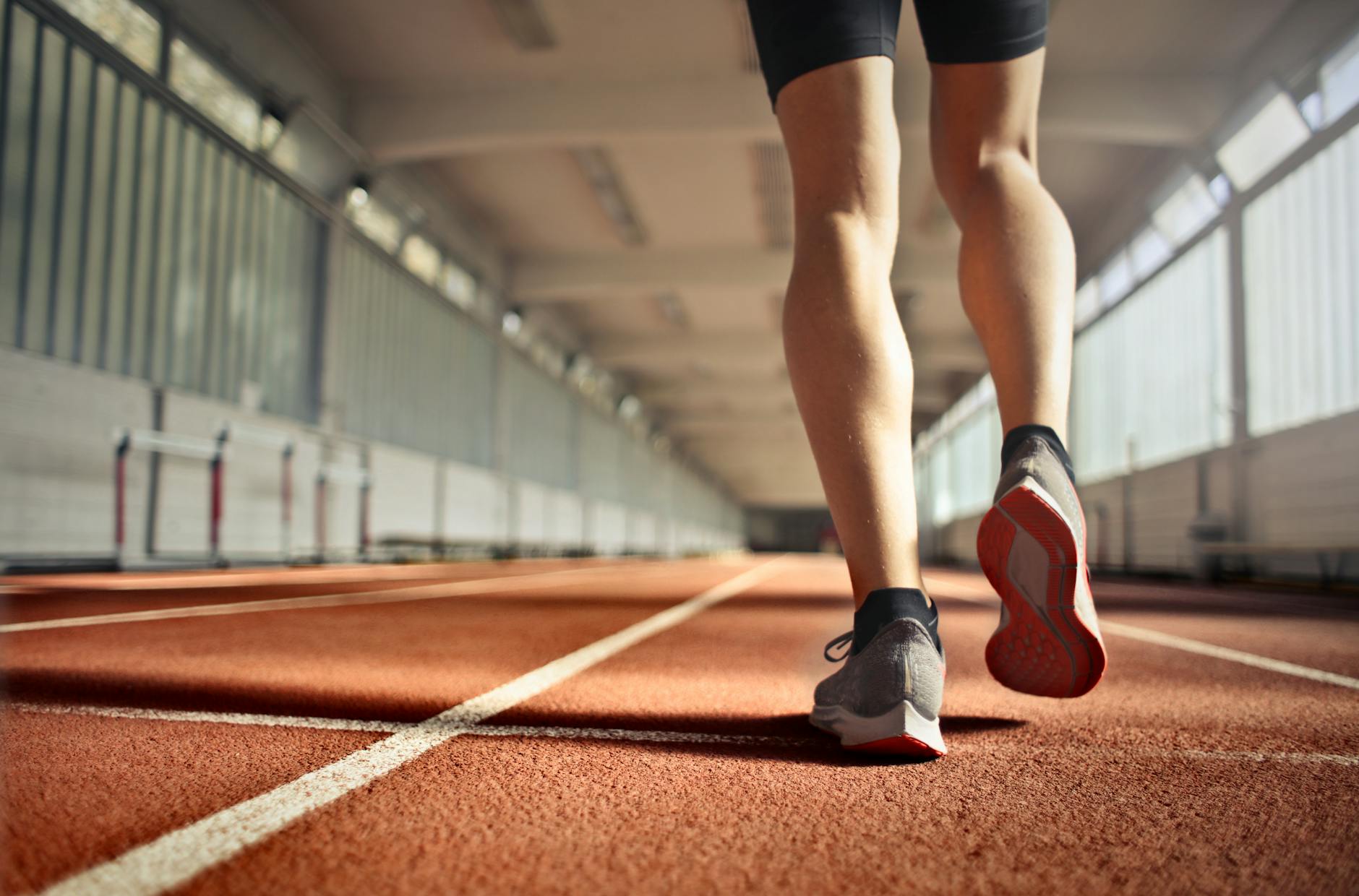
The Best Running Shoes for Flat Feet: Run Comfortably
August 24, 2026 16 min read 3,204 words
Unlock pain-free running with expert-recommended footwear designed to support and stabilize your unique foot structure.
Find Your Perfect Pair
Understanding Flat Feet and Their Impact on Running
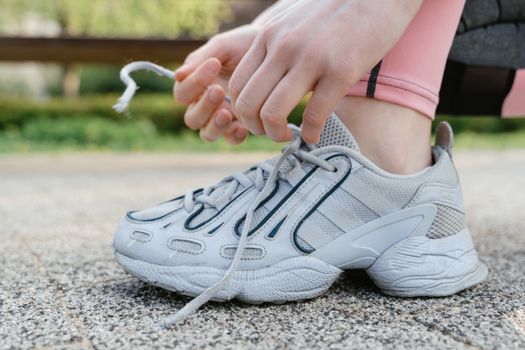 Photo: MART PRODUCTION / Pexels
Flat feet, medically known as pes planus, are a common condition where the arches on the inside of your feet are flattened, allowing the entire sole of your foot to touch the ground when you stand. While some individuals are born with flat feet (flexible flat feet), others develop the condition later in life due to factors like age, injury, or underlying medical conditions (rigid flat feet). Understanding the nuances of your foot type is the foundational step in finding the
best running shoes for flat feet. When you run with flat feet, your foot tends to overpronate. Pronation is the natural inward rolling motion of your foot during impact, which helps absorb shock. However, overpronation means your foot rolls inward excessively, leading to a cascade of biomechanical issues up your leg. This excessive inward movement can put undue stress on your ankles, shins, knees, hips, and even your lower back. Common injuries associated with overpronation in runners include plantar fasciitis (inflammation of the tissue on the bottom of your foot), shin splints, Achilles tendonitis, patellofemoral pain syndrome (runner's knee), and even stress fractures. The right running shoes are not just about comfort; they are a critical piece of equipment designed to mitigate these risks by providing the necessary support and stability. They work by guiding your foot through a more neutral stride, preventing the excessive inward roll and distributing impact forces more evenly. Without proper footwear, runners with flat feet often experience fatigue much faster, as their muscles and ligaments work harder to compensate for the lack of natural arch support. This can significantly impact performance, enjoyment, and consistency in training. Identifying whether you have flexible or rigid flat feet is also important. Flexible flat feet still show an arch when you're not standing, but it collapses upon weight-bearing. Rigid flat feet show no arch even when not bearing weight. Most people have flexible flat feet, which are generally more responsive to supportive footwear. A simple 'wet test' can give you an initial indication: wet your feet and stand on a piece of paper. If you see a full footprint with no arch space, you likely have flat feet. For a more definitive assessment, a podiatrist or a specialist at a running store can perform a gait analysis, observing your foot's movement as you walk or run. This professional insight is invaluable for pinpointing the exact type of support you need. The goal isn't to 'correct' your flat feet, but rather to provide the mechanical support that allows your feet and legs to function more efficiently and with less strain during the repetitive impact of running. This proactive approach ensures a healthier, more enjoyable running journey, free from preventable pain and injury. Choosing the right shoes isn't just a recommendation; it's a necessity for anyone with flat feet serious about their running. It's an investment in your long-term running health and performance, allowing you to focus on your stride and your goals rather than discomfort.
Key Features to Look for in Running Shoes for Flat Feet
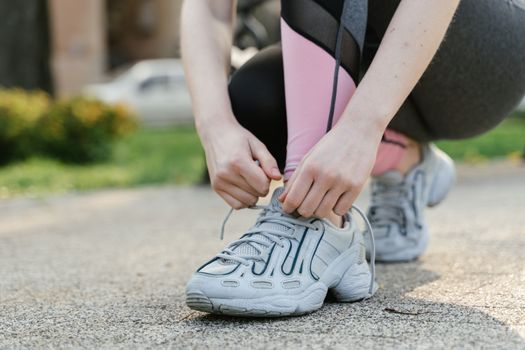 Photo: MART PRODUCTION / Pexels
When searching for the best running shoes for flat feet, understanding the specific technologies and design elements that offer optimal support is paramount. Not all running shoes are created equal, and what works for a runner with high arches could be detrimental for someone with flat feet. The primary goal is to find shoes that provide robust stability and motion control, effectively counteracting the tendency to overpronate. One of the most crucial features is a firm, multi-density midsole. This is often achieved through a 'medial post,' which is a denser foam material located on the arch side (medial side) of the midsole. This firmer material helps to prevent the arch from collapsing excessively inward during your stride. Without this, the foot would continue to roll, leading to misalignment and potential injury. Look for shoes that explicitly mention stability or motion control in their descriptions, as these categories are designed with these features in mind. Another vital component is adequate arch support. While flat feet lack a prominent natural arch, the shoe's design should provide structured support to lift and cradle the foot's arch area. This isn't about creating an artificial arch but rather about providing a stable platform that prevents the foot from flattening out completely under load. The level of arch support can vary, so it's essential to try on different models to find what feels comfortable and supportive without being overly aggressive or causing discomfort. The outsole design also plays a role. Shoes designed for flat feet often have a wider base or a broader platform to enhance stability. This wider footprint provides a more stable foundation, reducing the likelihood of the foot rolling too far inward or outward. Some shoes may also feature specific outsole patterns or materials designed to improve traction and ground contact, further contributing to overall stability. The heel counter, the rigid part of the shoe that cups your heel, should also be firm and supportive. A strong heel counter helps to lock your heel in place, preventing excessive movement and contributing to the overall stability of the shoe. A loose heel counter can allow the foot to move too much within the shoe, negating some of the benefits of the midsole and arch support. Finally, consider the overall fit and feel. While technical features are important, personal comfort cannot be overstated. A shoe might have all the right stability elements, but if it doesn't feel comfortable on your foot, you're less likely to wear it consistently or enjoy your runs. Pay attention to the toe box – it should be roomy enough to allow your toes to splay naturally. The midfoot should feel secure but not constricted, and the heel should be snug without slipping. Remember, the best shoe is one that feels like an extension of your foot, providing seamless support and comfort throughout your run. Don't hesitate to spend time trying on various models and even running a few steps in the store to assess the feel and support. This careful consideration of features and fit will lead you to the ideal pair that supports your flat feet and enhances your running experience.
Top Contenders: The Best Running Shoes for Flat Feet in 2024
 Photo: Andrea Piacquadio / Pexels
Navigating the vast market of running shoes can be overwhelming, but for runners with flat feet, certain models consistently rise to the top due to their superior stability and support features. Here, we highlight some of the leading contenders that have garnered praise from podiatrists, running experts, and, most importantly, runners with flat feet. These shoes are engineered to provide the necessary motion control to mitigate overpronation, offering a blend of cushioning, durability, and support. One of the perennial favorites is the **Brooks Adrenaline GTS**. The 'GTS' stands for 'Go-To Support,' and this shoe lives up to its name. It incorporates Brooks' GuideRails® support system, which acts like bumpers, guiding your foot and knee into a more natural alignment without traditional, rigid medial posts. This adaptive support system provides stability only when needed, making it a versatile option for a wide range of pronation levels. The Adrenaline GTS also offers a balanced blend of soft cushioning and responsiveness, making it suitable for daily training and longer runs. Another highly recommended option is the **ASICS GEL-Kayano**. This shoe has been a staple in the stability category for decades, constantly evolving to meet the needs of overpronators. The GEL-Kayano features ASICS' DUOMAX™ support system, a dual-density midsole material positioned to enhance stability and support. It also boasts extensive GEL™ technology cushioning in both the rearfoot and forefoot, providing excellent shock absorption. The latest iterations often include a more adaptive fit and a stable yet flexible platform, making it a reliable choice for runners seeking maximum support and plush comfort. For those who prefer a slightly firmer, more responsive ride without sacrificing stability, the **Saucony Guide** series is an excellent choice. The Guide typically features Saucony's HOLLOW-TECH™ support system or similar stability elements that provide subtle yet effective guidance for the foot. It offers a good balance of cushioning and ground feel, making it a great option for various types of runs, from daily mileage to tempo efforts. The structured cushioning helps to prevent excessive inward rolling while still allowing for a natural toe-off. The **New Balance 860** is another strong contender in the stability category. Known for its consistent performance and reliable support, the 860 utilizes a medial post and a sturdy heel counter to control pronation effectively. New Balance often focuses on a comfortable and accommodating fit, which is beneficial for runners who might need a bit more room in the toe box. The cushioning strikes a good balance between softness and responsiveness, making it a workhorse for daily training. Finally, for runners seeking maximum motion control, especially those with severe overpronation, the **Mizuno Wave Horizon** or **ASICS GT-2000** can be excellent choices. These shoes often feature more aggressive stability technologies and a robust build to provide uncompromising support. The Wave Horizon, for instance, uses Mizuno's XPOP PU foam and Wave Plate technology to deliver a highly cushioned yet stable ride. The GT-2000 offers a slightly lighter, more flexible alternative to the Kayano while still providing substantial stability. When choosing among these top contenders, remember that personal fit and feel are paramount. What works for one runner might not work for another. It's highly recommended to try on several pairs, ideally at a specialized running store where you can get a
gait analysis and run a few strides to assess comfort and support. This hands-on approach ensures you select the perfect pair of running shoes for your flat feet, setting you up for comfortable and injury-free miles.
Essential Tips for Runners with Flat Feet and Common Mistakes to Avoid
Photo: MART PRODUCTION / Pexels
Beyond selecting the best running shoes for flat feet, adopting certain practices and avoiding common pitfalls can significantly enhance your running experience and prevent injuries. It's a holistic approach that combines proper footwear with smart training strategies and self-care. Here are essential tips and mistakes to steer clear of:
**Essential Tips:**
* **Get a Professional Gait Analysis:** This is arguably the most important step. A specialist at a running store can observe your foot strike and pronation pattern, recommending shoes tailored to your specific needs. This goes beyond a simple wet test.
* **Prioritize Stability Over Pure Cushioning:** While cushioning is comfortable, stability is non-negotiable for flat feet. Look for shoes that offer a balance, but always lean towards adequate support to control overpronation.
* **Consider Orthotics:** If even stability shoes don't provide enough support, custom or over-the-counter orthotics (insoles) can be a game-changer. They provide additional arch support and can be used in conjunction with neutral or stability shoes, depending on the orthotic's design and your needs.
* **Strengthen Foot and Ankle Muscles:** Exercises like toe curls, calf raises, and ankle rotations can strengthen the intrinsic muscles of your feet and ankles, improving your natural arch support and overall stability. A stronger foot is a more resilient foot.
* **Stretch Regularly:** Tight calves and Achilles tendons can exacerbate overpronation. Incorporate regular stretching into your routine, focusing on the lower legs and feet, to improve flexibility and reduce strain.
* **Listen to Your Body:** Pay attention to any persistent pain or discomfort. Don't push through pain, as it's often a sign that something is amiss. Address issues early to prevent them from becoming chronic injuries.
* **Rotate Your Shoes:** If possible, having two pairs of running shoes – perhaps a stability shoe for everyday runs and a slightly lighter, still supportive shoe for faster workouts – can extend the life of your shoes and provide varied support.
**Common Mistakes to Avoid:**
* **Choosing Neutral Shoes:** Unless specifically advised by a podiatrist or running specialist (e.g., if you have rigid flat feet and use custom orthotics), neutral shoes lack the necessary support to control overpronation, often leading to increased strain and injury.
* **Ignoring Pain:** Dismissing foot, ankle, or knee pain as 'just part of running' is dangerous. Pain is your body's alarm system. Persistent pain, especially after runs, indicates a problem that needs attention, potentially related to your footwear or form.
* **Buying Shoes Based Solely on Aesthetics or Brand:** While looks and brand loyalty are tempting, the functional support of the shoe should always be the primary deciding factor for flat feet. Prioritize fit and features over fashion.
* **Wearing Worn-Out Shoes:** Running shoes have a lifespan, typically 300-500 miles. Beyond this, the cushioning and support structures degrade, making them ineffective. Continuing to run in worn-out shoes is a recipe for injury.
* **Skipping Warm-ups and Cool-downs:** Proper warm-ups prepare your muscles for activity, and cool-downs aid recovery. Neglecting these can increase the risk of injury, especially when your biomechanics are already challenged by flat feet.
* **Increasing Mileage Too Quickly:** A sudden jump in mileage or intensity can overload your feet and legs. Follow the 10% rule – don't increase your weekly mileage by more than 10% – to allow your body to adapt gradually.
By being mindful of these tips and avoiding common mistakes, runners with flat feet can significantly improve their comfort, performance, and longevity in the sport. It's about empowering yourself with knowledge and making informed choices for your unique foot structure.