Mastering Car Rental Germany Winter Tires for Safe Travel
Car Rental Germany Winter Tires

Mastering Car Rental Germany Winter Tires for Safe Travel

Ensure your winter adventure in Germany is safe and compliant by understanding essential car rental tire regulations.

Plan Your Winter Trip Now

Key Takeaways

  • ✓ Winter tires are legally mandatory in Germany during winter conditions (not specific dates).
  • ✓ Rental companies typically include winter tires in winter months, but confirmation is crucial.
  • ✓ Fines for non-compliance can be significant, ranging from €60 to €100+.
  • ✓ All-season tires with the 'Alpine' symbol (3PMSF) are also considered compliant.
  • ✓ Snow chains are generally not required but can be useful in extreme conditions.

How It Works

1
Book Your Rental Car

When booking your rental car for travel in Germany during winter, explicitly check the 'winter equipment' or 'winter tire' option. Many rental companies offer this as a standard inclusion or an optional add-on during colder months.

2
Confirm Tire Type at Pickup

Upon arrival at the rental desk, verbally confirm with the agent that the vehicle is equipped with appropriate winter tires (M+S or 3PMSF symbol). Double-check the tire sidewalls yourself if possible, for your peace of mind.

3
Understand German Regulations

Familiarize yourself with the 'situational' winter tire law in Germany. It means winter tires are required when conditions like ice, snow, slush, or black ice are present, regardless of the calendar date.

4
Drive Safely and Responsibly

Even with proper winter tires, adapt your driving style to winter conditions. Reduce speed, increase following distance, and avoid sudden maneuvers to ensure a safe and enjoyable journey on Germany's winter roads.

Navigating German Winter Tire Laws for Car Rentals
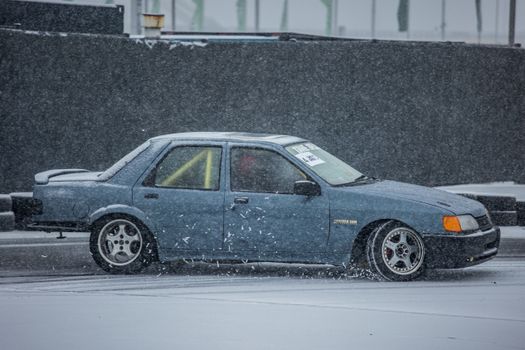
A blue car performing a drift on a snow-covered race track during winter, showcasing motorsport action. Photo: Aliaksei Semirski / Pexels
Embarking on a winter journey through Germany promises picturesque landscapes, charming Christmas markets, and perhaps even exhilarating ski slopes. However, for those planning to use a rental car, understanding the nuances of German winter tire laws is not just a recommendation, it's a legal imperative. The German Straßenverkehrs-Ordnung (StVO), or Road Traffic Regulations, mandates the use of specific tires under certain weather conditions. Unlike some countries that set fixed calendar dates, Germany operates on a 'situational' winter tire law. This means that if you encounter black ice, slippery snow, slush, ice, or frost, your vehicle *must* be equipped with appropriate winter tires. Failure to comply can result in significant fines, points on your driving record, and potentially, issues with insurance coverage in the event of an accident. For US travelers, this can be a stark difference from domestic regulations, where winter tires are often optional or only required in specific mountainous regions. The critical symbol to look for on tires is the 'Alpine' symbol, also known as the three-peak mountain snowflake (3PMSF) symbol. While M+S (Mud + Snow) marked tires were previously acceptable, the 3PMSF symbol is now the definitive standard for legally compliant winter tires in Germany, especially for tires manufactured after January 1, 2018. Tires with only the M+S marking are still permissible if they were produced before this date, but the 3PMSF offers superior performance in cold weather. When arranging your car rental in Germany, this becomes a paramount consideration. Most reputable rental companies operating in Germany are well aware of these regulations and strive to equip their fleets accordingly during the colder months. However, it is never safe to assume. Always confirm explicitly that your rental vehicle will be fitted with compliant winter tires. Some rental agreements might include them as standard, while others may list them as an optional extra, potentially incurring an additional daily or weekly fee. Being proactive in your inquiry can save you hassle, expense, and ensure your safety. Remember, the law applies not just to German residents but to all drivers on German roads, including tourists. Ignorance of the law is not considered a valid defense. Therefore, a thorough understanding and confirmation of your Car Rental Germany Winter Tires situation are essential steps in planning a successful and legally compliant winter trip. This ensures not only your adherence to local laws but also significantly enhances your safety and driving performance on potentially hazardous winter roads.

Ensuring Your Rental Car is Winter-Ready: What to Ask and Check

Securing a rental car in Germany for winter travel requires more than just picking the cheapest option or your preferred model. It demands a focused approach on safety and legal compliance, particularly concerning winter tires. When you're in the booking process, whether online or through a travel agent, look for explicit mentions of 'winter tires included,' 'winter equipment package,' or 'snow tires.' If it's not clear, do not hesitate to contact the rental company directly. Ask specific questions like, "Will my rental car be equipped with 3PMSF-certified winter tires for my rental period?" Be prepared for potential surcharges. While many major rental agencies like Sixt, Europcar, Hertz, and Avis often include winter tires as standard during peak winter months (typically October to April), especially in regions prone to snow, it's not universally guaranteed. These charges can range from a few euros per day to a flat weekly fee, and it's always better to know this upfront than be surprised at the counter. Understanding these additional costs is part of your overall travel budget planning. Upon arrival at the rental counter, before you even leave the parking lot, perform a visual check of the tires. Look for the 'Alpine' symbol (a snowflake inside a three-peaked mountain) on the sidewall of each tire. This symbol, officially known as 3PMSF, confirms the tire meets stringent performance requirements in snow conditions. Also, check for the M+S (Mud and Snow) marking, which might still be present on older but compliant winter tires. It's also wise to check the tire tread depth; while not specifically a winter tire law, adequate tread depth is crucial for grip in adverse conditions. German law mandates a minimum tread depth of 1.6mm, but for winter conditions, experts recommend at least 4mm for optimal performance. Don't be afraid to ask the rental agent to confirm that the tires are indeed winter-compliant and to point out the markings if you're unsure. Taking a quick photo of the tire sidewalls with the markings can also serve as a useful record. This due diligence ensures that your Car Rental Germany Winter Tires are not just present, but also meet the legal and safety standards for your journey. Remember, your fitness for travel extends to the fitness of your vehicle, especially when navigating potentially challenging winter environments. A few minutes of careful inspection and clear communication can prevent significant headaches down the road.

See also: Rental Car Germany.

The Performance Edge: Why Winter Tires Matter Beyond Legality

While legal compliance is a primary driver for ensuring your Car Rental Germany Winter Tires are appropriate, the performance benefits extend far beyond avoiding fines. Winter tires are fundamentally different from summer or all-season tires in their composition and tread design, offering a crucial safety advantage when temperatures drop. Their rubber compound remains flexible in cold weather (below 7°C or 45°F), providing superior grip on cold, dry, wet, and snowy surfaces. In contrast, summer tires harden in cold temperatures, significantly reducing their traction and braking effectiveness. The tread patterns of winter tires feature deeper grooves and a higher density of sipes – small, intricate slits – designed to bite into snow and ice, channeling away slush and water more effectively. This results in significantly shorter braking distances and improved handling. For instance, tests consistently show that a car equipped with winter tires can stop in almost half the distance of a car on summer tires when braking on snow or ice. This difference can be critical in preventing accidents, especially on Germany's often high-speed Autobahns or winding country roads. Furthermore, winter tires enhance vehicle stability and control. When navigating turns or accelerating on slippery surfaces, the specialized tread and compound work together to maintain contact with the road, reducing the risk of skidding or losing control. This increased confidence in adverse conditions allows for a more relaxed and safer driving experience, which is paramount for anyone on a holiday or business trip. Even if you're an experienced driver, the laws of physics don't discriminate. The right equipment is your first line of defense against the unpredictable nature of winter weather. Consider the scenario where you're driving through a scenic Black Forest village, and suddenly, the road conditions change from merely cold and wet to icy and snowy. Having the correct winter tires means your vehicle is prepared for this transition, allowing you to react safely and maintain control. It's an investment in your safety and the safety of your passengers, offering peace of mind that no amount of beautiful scenery can compensate for. This focus on safety and optimal performance aligns perfectly with a proactive approach to personal well-being and risk management, extending your fitness principles to your travel logistics.

Common Mistakes and Essential Tips for Winter Driving in Germany

Even with the right Car Rental Germany Winter Tires, mistakes can undermine your safety. Here's how to avoid common pitfalls and enhance your winter driving experience: * **Assuming Winter Tires are Always Included:** Never assume. Always confirm with your rental agency, preferably in writing, that winter tires will be fitted. This is the single most important step. * **Ignoring the 'Situational' Law:** Don't think you're safe just because it's not officially 'winter.' If conditions are icy or snowy, winter tires are legally required. Check weather forecasts diligently. * **Driving Too Fast for Conditions:** Winter tires improve grip, but they don't defy physics. Reduce your speed, especially on Autobahns where speeds are typically high. Black ice is a silent killer. * **Tailgating:** Increase your following distance significantly in winter. Braking distances are longer, and sudden stops are more dangerous. A good rule of thumb is to double or triple your usual following distance. * **Abrupt Maneuvers:** Avoid sudden braking, accelerating, or steering. Gentle inputs are key to maintaining traction on slippery surfaces. Plan your turns and stops well in advance. * **Neglecting to Check Tire Pressure:** Cold weather can cause tire pressure to drop. Check your tire pressure regularly, as underinflated tires can compromise handling and safety. * **Not Knowing What to Do in a Skid:** If you do skid, remain calm. Steer gently into the skid (in the direction you want the front of the car to go) and avoid slamming the brakes. Modern cars with ABS and ESP will assist, but driver input is still crucial. * **Overlooking Other Winter Equipment:** While not always mandatory for rental cars, consider if you need a snow shovel, de-icer, or a warm blanket, especially if you plan to venture into more remote or mountainous areas. A high-visibility vest is legally required in Germany for all vehicle occupants if they exit the vehicle on the roadside. By being prepared and cautious, your winter driving experience in Germany can be enjoyable and safe, allowing you to focus on the beauty of your surroundings rather than the stress of the road.

Comparison

Feature3PMSF Winter TiresM+S All-Season TiresSummer Tires
Cold Weather Performance (<7°C)ExcellentModeratePoor
Snow/Ice GripSuperiorLimitedNone
Legal Compliance (Germany Winter)✓ (Primary)✓ (If pre-2018; limited)
Braking Distance (Snow)ShortestLongerLongest

What Readers Say

"Booking my Car Rental Germany Winter Tires through Sixt was seamless. They confirmed the winter tires were included, and I felt incredibly safe driving through Bavaria in December. Definitely worth the peace of mind."

Sarah J. · Boston, MA

"As someone used to mountain driving, I appreciated the clear communication from Europcar about winter tires for my German trip. The car handled beautifully on snowy roads, making my business travel stress-free."

Mark D. · Denver, CO

"I was initially worried about the German winter tire laws, but my Hertz rental came pre-equipped. It saved me a fine when I encountered an unexpected snow flurry near Munich and gave me the confidence to explore more."

Emily R. · Seattle, WA

"Avis charged a small extra fee for the Car Rental Germany Winter Tires, which I initially grumbled about. However, after experiencing the icy conditions on the Autobahn, I realized it was a small price for enhanced safety and compliance. Highly recommend confirming this upfront."

David L. · Chicago, IL

"Traveling with kids, safety is my top priority. Our Car Rental Germany Winter Tires from Enterprise ensured we had excellent traction even on slushy roads to the Christmas markets. It made our family vacation much more enjoyable."

Jessica M. · Portland, OR

Frequently Asked Questions

Are Car Rental Germany Winter Tires legally mandatory for tourists?

Yes, absolutely. German law mandates that all vehicles, including rental cars driven by tourists, must be equipped with appropriate winter tires (marked with the 3PMSF Alpine symbol) when wintery road conditions are present, such as black ice, snow, slush, or frost. This is a 'situational' requirement, not tied to specific dates.

What happens if I don't have winter tires in Germany during winter conditions?

If caught driving without proper winter tires during winter conditions, you face a fine of at least €60. If you obstruct traffic due to inappropriate tires, the fine increases to €80. Additionally, in case of an accident, your insurance coverage could be reduced or invalidated, leaving you liable for damages.

How do I ensure my rental car in Germany has winter tires?

When booking your car, look for options or inclusions for 'winter equipment' or 'winter tires.' If unclear, contact the rental company directly and ask for explicit confirmation that your vehicle will be fitted with 3PMSF-certified winter tires for your rental period. At pickup, visually inspect the tires for the Alpine symbol.

Do Car Rental Germany Winter Tires cost extra?

It varies by rental company and the season. Many major rental agencies include winter tires as standard during peak winter months. However, some may charge an additional daily or weekly fee for winter equipment. Always confirm the cost and inclusion status when booking to avoid surprises.

Are all-season tires acceptable as Car Rental Germany Winter Tires?

All-season tires are only considered legally compliant if they carry the 'Alpine' symbol (3PMSF). Older all-season tires marked only with 'M+S' are still permissible if manufactured before January 1, 2018, but the 3PMSF symbol is the definitive and preferred standard for optimal safety and full compliance.

Who should use Car Rental Germany Winter Tires?

Anyone planning to drive a rental car in Germany between October and April, or whenever there's a possibility of encountering cold weather and wintery road conditions (snow, ice, slush), should ensure their vehicle is equipped with proper winter tires. It's a safety and legal necessity for all drivers.

Is it safer to use winter tires even if the weather seems mild?

Yes. Winter tires are designed to perform optimally at temperatures below 7°C (45°F), regardless of whether there's snow or ice. Their specialized rubber compound remains flexible, providing better grip, handling, and significantly shorter braking distances on cold, dry, or wet roads compared to summer tires.

What are the future trends regarding Car Rental Germany Winter Tires regulations?

The trend is towards stricter enforcement and clearer standards. The explicit requirement for the 3PMSF 'Alpine' symbol on winter tires (for tires produced after 2018) indicates a move towards higher safety standards. It's unlikely that the 'situational' law will change, reinforcing the need for drivers to always be prepared for changing conditions.

Don't let winter weather catch you off guard. Prioritize safety and compliance by ensuring your Car Rental Germany Winter Tires are appropriate for your journey. Plan ahead, confirm your tire situation, and enjoy a safe, memorable trip through Germany's beautiful winter landscapes.

Topics: Car Rental Germany Winter TiresWinter driving GermanyGerman tire lawsRental car winter equipmentSnow tires Germany
Leo List
Brampton weed
Adultwork EstrelaBet Vai de Bet R7 Bet Betão Galera Bet Rainbet Bet9ja Shop SportyBet BetKing Sisal Loto Foot Hollywoodbets YesPlay Odibets RushBet Jugabet BetWarrior BetCity MSport betPawa Fortebet