✓ Bodyweight exercises are highly effective for building strength, endurance, and flexibility.
✓ No expensive equipment or gym membership is required, making fitness accessible to everyone.
✓ Proper form is crucial to prevent injuries and maximize results.
✓ Consistency and progression are key to long-term success in bodyweight training.
How It Works
1
Assess Your Current Fitness Level
Before diving in, understand your baseline. This helps you choose appropriate exercises and set realistic goals for your bodyweight journey.
2
Master Fundamental Movements
Focus on perfecting basic exercises like squats, push-ups, and planks. These form the foundation for more advanced variations and ensure proper muscle activation.
3
Structure Your Workouts
Create a balanced routine that targets all major muscle groups. Incorporate warm-ups, cool-downs, and allow for adequate rest between sessions to aid recovery.
4
Progress Systematically
Once you can comfortably perform a certain number of reps or duration, introduce more challenging variations or increase volume. This continuous adaptation is essential for continued growth.
The Power of Bodyweight Training: Why It Works for Everyone
Photo: Andrea Piacquadio / Pexels
In an increasingly busy world, finding time and resources for fitness can be a challenge. Gym memberships can be costly, and commuting adds extra minutes to an already packed schedule. This is where the power of effective bodyweight exercises at home truly shines. Bodyweight training, at its core, utilizes your own body's resistance to build strength, endurance, and flexibility. It’s a primal form of exercise, accessible to virtually anyone, regardless of their fitness level or financial situation. The beauty lies in its simplicity and versatility. You don't need fancy equipment, just a small space and the willingness to move. This makes it an incredibly appealing option for individuals looking to kickstart their fitness journey or maintain an active lifestyle without external dependencies.
One of the most significant advantages of bodyweight exercises is their functional nature. These movements often mimic everyday actions – pushing, pulling, squatting, bending – helping to improve overall mobility and reduce the risk of injury in daily life. For instance, a well-executed squat not only strengthens your legs and glutes but also improves your ability to lift objects safely. A push-up builds upper body strength essential for opening heavy doors or pushing things. By focusing on these fundamental movement patterns, you're not just building isolated muscles; you're developing a more resilient, capable body. Furthermore, bodyweight training often engages multiple muscle groups simultaneously, leading to more efficient workouts and better coordination. This holistic approach to fitness contributes to improved balance, proprioception (your body's awareness in space), and core stability, which are vital components of a healthy, functional body.
The convenience factor cannot be overstated. Imagine waking up and immediately being able to perform a full-body workout without leaving your living room. No travel time, no waiting for equipment, no need to worry about gym crowds. This removes many common barriers to exercise, making it easier to stay consistent. Consistency, as any fitness expert will tell you, is the cornerstone of long-term success. When exercise becomes a seamless part of your routine, rather than a logistical hurdle, you’re far more likely to stick with it. Moreover, bodyweight exercises are easily scalable. Whether you're a complete beginner or an advanced athlete, there are modifications and progressions to suit your needs. A beginner might start with knee push-ups, while an advanced individual moves to one-arm push-ups. This adaptability ensures that your workouts remain challenging and effective as you grow stronger. This guide will delve deep into specific exercises and how to structure them for maximum benefit, demonstrating just how impactful at-home fitness can be for your overall health and well-being. The emphasis here is on understanding the 'why' before diving into the 'how', setting a strong foundation for your training.
Beyond the physical benefits, bodyweight training also offers significant mental advantages. The act of moving your body, especially when challenging yourself, releases endorphins, which are natural mood boosters. Regular exercise has been shown to reduce stress, improve sleep quality, and enhance cognitive function. The sense of accomplishment derived from mastering a new bodyweight skill, like holding a longer plank or performing more reps, can significantly boost self-confidence and mental resilience. It teaches discipline, perseverance, and the importance of setting and achieving personal goals. This mind-body connection is a powerful aspect of bodyweight training, turning your workout into a holistic practice that nurtures both your physical and mental health. Embracing effective bodyweight exercises at home is not just about getting fit; it's about cultivating a healthier, happier, and more empowered version of yourself.
Foundational Movements: The Building Blocks of Strength
Photo: Pavel Danilyuk / Pexels
To truly benefit from effective bodyweight exercises at home, it’s essential to master the foundational movements. These are the bedrock upon which all other exercises are built. Neglecting proper form in these basics can lead to inefficient workouts and, more importantly, increase the risk of injury. We'll break down the key categories and provide detailed instructions to ensure you're performing them correctly, setting yourself up for long-term success. Remember, quality over quantity is paramount, especially when you're first learning.
**Squats: The King of Lower Body Exercises**
Squats are perhaps the most fundamental lower-body movement, engaging your quadriceps, hamstrings, glutes, and core.
* **How to:** Stand with feet shoulder-width apart, toes pointing slightly out. Keep your chest up and core engaged. Initiate the movement by pushing your hips back as if sitting in a chair. Lower down until your thighs are parallel to the floor, or as deep as your mobility allows without compromising form. Ensure your knees track in line with your toes. Drive through your heels to return to the starting position.
* **Beginner Modification:** Wall sits or chair squats (using a chair to guide your depth).
* **Progression:** Jump squats, pistol squats (single-leg squats).
**Push-ups: Upper Body Powerhouse**
Push-ups are a fantastic compound exercise for the chest, shoulders, triceps, and core.
* **How to:** Start in a plank position, hands slightly wider than shoulder-width apart, fingers pointing forward. Keep your body in a straight line from head to heels, core tight. Lower your chest towards the floor by bending your elbows, keeping them tucked slightly towards your body. Push through your palms to return to the starting position.
* **Beginner Modification:** Knee push-ups or incline push-ups (hands on a raised surface like a counter or bench).
* **Progression:** Decline push-ups (feet elevated), one-arm push-ups.
**Planks: Core Stability Master**
Planks are not just an ab exercise; they build incredible core stability, essential for every other movement.
* **How to:** Start in a push-up position, but lower onto your forearms. Your elbows should be directly under your shoulders. Keep your body in a straight line from head to heels, engaging your glutes and abs. Avoid letting your hips sag or pike up. Hold this position, focusing on steady breathing.
* **Beginner Modification:** Plank on knees or hands on a raised surface.
* **Progression:** Side plank, plank jacks, plank with leg lift.
**Lunges: Unilateral Leg Strength**
Lunges target each leg independently, improving balance and identifying muscular imbalances.
* **How to:** Stand tall, feet hip-width apart. Step forward with one leg, lowering your hips until both knees are bent at approximately a 90-degree angle. Ensure your front knee is directly above your ankle and your back knee hovers just above the ground. Push off your front foot to return to the starting position. Alternate legs.
* **Beginner Modification:** Reverse lunges (stepping backward).
* **Progression:** Jumping lunges, curtsy lunges.
**Burpees: Full-Body Conditioning**
Often dreaded but incredibly effective, burpees combine a squat, plank, push-up, and jump into one explosive movement, providing excellent cardiovascular and strength benefits.
* **How to:** Start standing. Drop into a squat, place hands on the floor. Kick your feet back into a plank position. Perform a push-up (optional). Jump your feet back to the squat position. Explode upwards into a jump, arms overhead.
* **Beginner Modification:** Remove the push-up or the jump, or step feet back instead of jumping.
* **Progression:** Add a tuck jump, increase speed.
Mastering these foundational movements will provide a robust framework for your bodyweight training journey. Dedicate time to perfect your form before attempting more advanced variations. Remember, consistency in these basics will yield significant results in overall strength and physical capability.
Designing Your Home Workout Routine for Optimal Results
Photo: MART PRODUCTION / Pexels
Once you’ve mastered the foundational movements, the next crucial step is to design a coherent and progressive workout routine. Simply doing a random assortment of exercises won't yield the best results. A well-structured routine ensures you’re targeting all major muscle groups, allowing for adequate recovery, and consistently challenging your body to adapt and grow stronger. This section will guide you through creating effective bodyweight exercises at home programs tailored to your goals and fitness level.
**Understanding Workout Structure:**
A typical bodyweight workout should include:
1. **Warm-up (5-10 minutes):** Dynamic movements like arm circles, leg swings, torso twists, and light cardio (jumping jacks in place). This prepares your muscles and joints for activity, increasing blood flow and reducing injury risk.
2. **Main Workout (20-45 minutes):** This is where you perform your chosen bodyweight exercises.
3. **Cool-down (5-10 minutes):** Static stretches holding each stretch for 20-30 seconds, focusing on the muscles worked. This aids flexibility and recovery.
**Workout Splits and Frequency:**
How often you train depends on your recovery capacity and goals. For most beginners, 3-4 full-body workouts per week with rest days in between is ideal. As you advance, you might split your routine (e.g., upper body/lower body/full body) or increase frequency, but always prioritize recovery.
**Example Full-Body Beginner Routine (3 times a week, e.g., Mon/Wed/Fri):**
* **Warm-up:** 5 minutes of light cardio and dynamic stretches.
* **Workout (Perform 2-3 sets of 10-15 reps for each exercise, with 60-90 seconds rest between sets):**
* Bodyweight Squats
* Knee Push-ups (or Incline Push-ups)
* Plank (hold for 30-45 seconds)
* Reverse Lunges (10-15 reps per leg)
* Glute Bridges (lying on back, lift hips off floor)
* Bird-Dog (alternating arm and leg lift on all fours, 10-15 reps per side)
* **Cool-down:** 5 minutes of static stretches.
**Example Intermediate Full-Body Routine (3-4 times a week):**
* **Warm-up:** 5-7 minutes dynamic warm-up.
* **Workout (Perform 3-4 sets of 10-20 reps/seconds for each exercise, 45-60 seconds rest):**
* Bodyweight Squats (or Jump Squats for a challenge)
* Standard Push-ups (or Decline Push-ups)
* Plank (hold for 45-60 seconds, add variations like plank jacks)
* Walking Lunges (10-15 reps per leg)
* Pike Push-ups (for shoulder strength)
* Mountain Climbers (30-45 seconds)
* Burpees (8-12 reps)
* **Cool-down:** 7 minutes of static stretches.
**Progression is Key:**
To continue making progress, you must apply the principle of progressive overload, meaning you gradually increase the demand on your body. For bodyweight exercises, this can be achieved through:
* **Increasing Reps/Sets:** Doing more repetitions or more sets of an exercise.
* **Decreasing Rest Time:** Shorter breaks between sets will increase intensity.
* **More Challenging Variations:** Moving from knee push-ups to standard push-ups, or standard squats to pistol squats. This is a primary method for advanced bodyweight training.
* **Increasing Time Under Tension:** Slowing down the movement of an exercise (e.g., a slow descent in a squat) makes it harder.
* **Adding Intensity Techniques:** Incorporating supersets (two exercises back-to-back with no rest) or circuits (multiple exercises performed consecutively).
Remember to listen to your body. Rest days are crucial for muscle repair and growth. Don't be afraid to adjust your routine based on how you feel. Consistency, proper form, and gradual progression are the pillars of achieving significant and lasting results with at-home workouts. Keep a log of your workouts to track progress and stay motivated. Seeing how far you’ve come is a powerful motivator to keep pushing forward.
Common Mistakes to Avoid and Expert Tips for Maximizing Results
Photo: olia danilevich / Pexels
Even with the best intentions and knowledge of effective bodyweight exercises at home, it's easy to fall into common pitfalls that can hinder your progress or even lead to injury. Being aware of these mistakes and implementing expert tips will significantly enhance your home workout experience and results.
**Common Mistakes to Avoid:**
1. **Neglecting Proper Form:** This is arguably the biggest mistake. Rushing through reps with sloppy form not only reduces the effectiveness of the exercise but also puts undue stress on joints and muscles, increasing injury risk. Always prioritize quality over quantity. If your form breaks down, reduce reps, take a longer rest, or revert to an easier modification.
2. **Skipping Warm-ups and Cool-downs:** These are not optional. A proper warm-up prepares your body for activity, while a cool-down aids flexibility and recovery. Skipping them can lead to stiffness, soreness, and a higher chance of injury.
3. **Lack of Progression:** Your body adapts quickly. If you do the same exercises, sets, and reps every single workout, your progress will stall. You must continually challenge your muscles by increasing difficulty, volume, or intensity.
4. **Inconsistent Schedule:** Sporadic workouts yield sporadic results. Consistency is paramount. Aim for a regular schedule, even if it's just 3 times a week, and stick to it as much as possible.
5. **Ignoring Nutrition and Hydration:** Exercise is only one piece of the puzzle. What you eat and drink significantly impacts your energy levels, recovery, and overall results. Fuel your body with whole foods and stay adequately hydrated.
6. **Overtraining:** More isn't always better. Your muscles grow and repair during rest. Pushing yourself too hard without adequate recovery can lead to fatigue, decreased performance, and increased injury risk. Listen to your body and schedule rest days.
7. **Comparing Yourself to Others:** Everyone's fitness journey is unique. Focus on your progress and celebrate your improvements, rather than comparing yourself to others online or in person.
**Expert Tips for Maximizing Results:**
* **Focus on Mind-Muscle Connection:** During each repetition, consciously think about the muscle you're trying to work. This enhances activation and makes the exercise more effective. For example, during a push-up, actively squeeze your chest.
* **Control the Movement:** Avoid using momentum. Perform both the eccentric (lowering) and concentric (lifting) phases of an exercise with control. A slower, controlled movement increases time under tension, leading to greater muscle engagement and growth.
* **Incorporate Unilateral Exercises:** Exercises like lunges, pistol squats, and single-leg glute bridges work one side of your body at a time. This helps correct muscular imbalances and improves balance and stability.
* **Utilize a Timer:** For exercises like planks or wall sits, use a timer to track your hold times. For circuits, use a timer for work/rest intervals to maintain intensity.
* **Record Your Workouts:** Keep a journal or use an app to log your exercises, sets, reps, and any modifications. This allows you to track progress, see how far you've come, and plan future progressions.
* **Vary Your Routine:** While consistency in fundamental movements is important, periodically introduce new variations or change the order of your exercises to keep your body guessing and prevent plateaus. This also keeps workouts interesting and prevents boredom.
* **Listen to Your Body:** Pay attention to pain signals. There's a difference between muscle fatigue and joint pain. If something hurts, stop, assess, and modify. Don't push through pain.
* **Be Patient and Consistent:** Building strength and transforming your body takes time. There are no quick fixes. Stay consistent, trust the process, and celebrate small victories along the way.
Comparison
Feature
Bodyweight Training
Gym Membership
Home Gym Equipment
Cost
Free
Monthly Fee ($30-$100+)
High Upfront Cost ($200-$2000+)
Convenience
Highest (Anytime, Anywhere)
High (Travel time, hours)
High (Space required)
Versatility
High (Many variations)
Very High (Machines, free weights)
Medium (Limited by equipment)
Space Required
Minimal
None (at home)
Significant
Progression
✓ (Variations, reps)
✓ (Weights, machines)
✓ (Weights, advanced gear)
Coaching Access
✗ (Self-guided, online)
✓ (Trainers available)
✗ (Self-guided, online)
Social Aspect
✗
✓
✗
Injury Risk
Low (with proper form)
Medium (heavy weights, machines)
Medium (heavy weights)
What Readers Say
★★★★★
"I've been doing effective bodyweight exercises at home for six months now, and I've never felt stronger! The convenience is unmatched, and I've noticed significant improvements in my core strength and overall endurance. Highly recommend this approach."
Sarah J. · Austin, TX
★★★★★
"This guide to effective bodyweight exercises at home helped me finally stick to a fitness routine. No more excuses about not having time for the gym. I've lost weight and feel more energetic than ever before, all from my living room."
Mark D. · Chicago, IL
★★★★★
"After struggling with gym anxiety, discovering effective bodyweight exercises at home was a game-changer. I've built visible muscle definition in my arms and legs, and my posture has improved dramatically. It's truly empowering to see what your body can do."
Jessica L. · Miami, FL
★★★★★
"Bodyweight exercises are fantastic for foundational strength. While I do miss the heavy lifting of a gym for certain muscle groups, the flexibility and accessibility of working out at home with just my bodyweight are incredibly valuable for consistent fitness."
David R. · Seattle, WA
★★★★★
"As a busy mom, finding time for myself is hard. Effective bodyweight exercises at home have allowed me to prioritize my health without sacrificing family time. I can squeeze in a quick workout during nap time and feel amazing afterwards!"
Emily H. · Denver, CO
Frequently Asked Questions
Are effective bodyweight exercises at home sufficient for building significant muscle?
Yes, absolutely. While heavy weightlifting can lead to faster muscle hypertrophy in some individuals, bodyweight exercises, especially when progressed correctly, can build significant functional strength and muscle mass. By increasing reps, sets, decreasing rest, or moving to more challenging variations like pistol squats or one-arm push-ups, you can continuously challenge your muscles to grow and adapt.
How can I make bodyweight exercises more challenging as I get stronger?
There are several ways to increase the difficulty. You can increase the number of repetitions or sets, decrease rest times between sets, slow down the tempo of each movement to increase time under tension, or transition to more advanced variations of exercises (e.g., from standard push-ups to decline push-ups, or from squats to jump squats or pistol squats). Adding plyometric elements also boosts intensity.
What's the best way to structure a weekly bodyweight workout routine?
For beginners, a full-body routine 3-4 times a week, with rest days in between, is highly effective. As you progress, you might opt for an upper/lower body split or a push/pull/legs split. Always include a warm-up and cool-down. Focus on compound movements that work multiple muscle groups and ensure you hit all major muscle groups throughout the week for balanced development.
Do I need any equipment at all for effective bodyweight exercises at home?
Strictly speaking, no. Your body is all the equipment you need. However, a yoga mat for comfort, a sturdy chair or bench for elevated exercises (like decline push-ups or step-ups), and a pull-up bar (which can often be installed in a doorway) can greatly expand your exercise repertoire and allow for more advanced movements. Resistance bands are also a low-cost, versatile addition.
How do bodyweight exercises compare to gym workouts with weights?
Both bodyweight and gym workouts with weights are highly effective for building fitness. Bodyweight exercises excel in functional strength, mobility, and convenience, requiring no equipment. Weighted workouts allow for more direct progressive overload through incremental weight increases. The 'best' option depends on individual goals, preferences, and access. Many find a combination of both to be optimal.
Who should primarily use effective bodyweight exercises at home?
Effective bodyweight exercises at home are suitable for almost everyone: beginners new to fitness, individuals looking for a convenient and cost-effective way to stay active, travelers who need a portable workout, those recovering from certain injuries (under medical guidance), and even advanced athletes looking to improve functional strength, mobility, and endurance. It's a highly adaptable form of training.
Are there any risks associated with bodyweight training, and how can I avoid them?
Like any form of exercise, risks exist if not performed correctly. The main risks are injury due to poor form, overtraining, or neglecting a proper warm-up/cool-down. To avoid these, always prioritize proper technique over speed or number of reps, listen to your body, ensure adequate rest and recovery, and progress gradually. If you have pre-existing conditions, consult a doctor before starting.
What role will effective bodyweight exercises play in future fitness trends?
Effective bodyweight exercises are likely to remain a cornerstone of fitness, especially with increasing interest in accessible, sustainable, and functional training. As technology advances, we may see more integrated apps, AI-driven coaching for form correction, and virtual reality environments enhancing the at-home bodyweight experience. Its inherent convenience and efficacy ensure its enduring popularity.
Ready to transform your body and health without leaving your home? Embrace the power of effective bodyweight exercises at home. Start your journey today and unlock a stronger, healthier you with convenience and consistency at your fingertips.
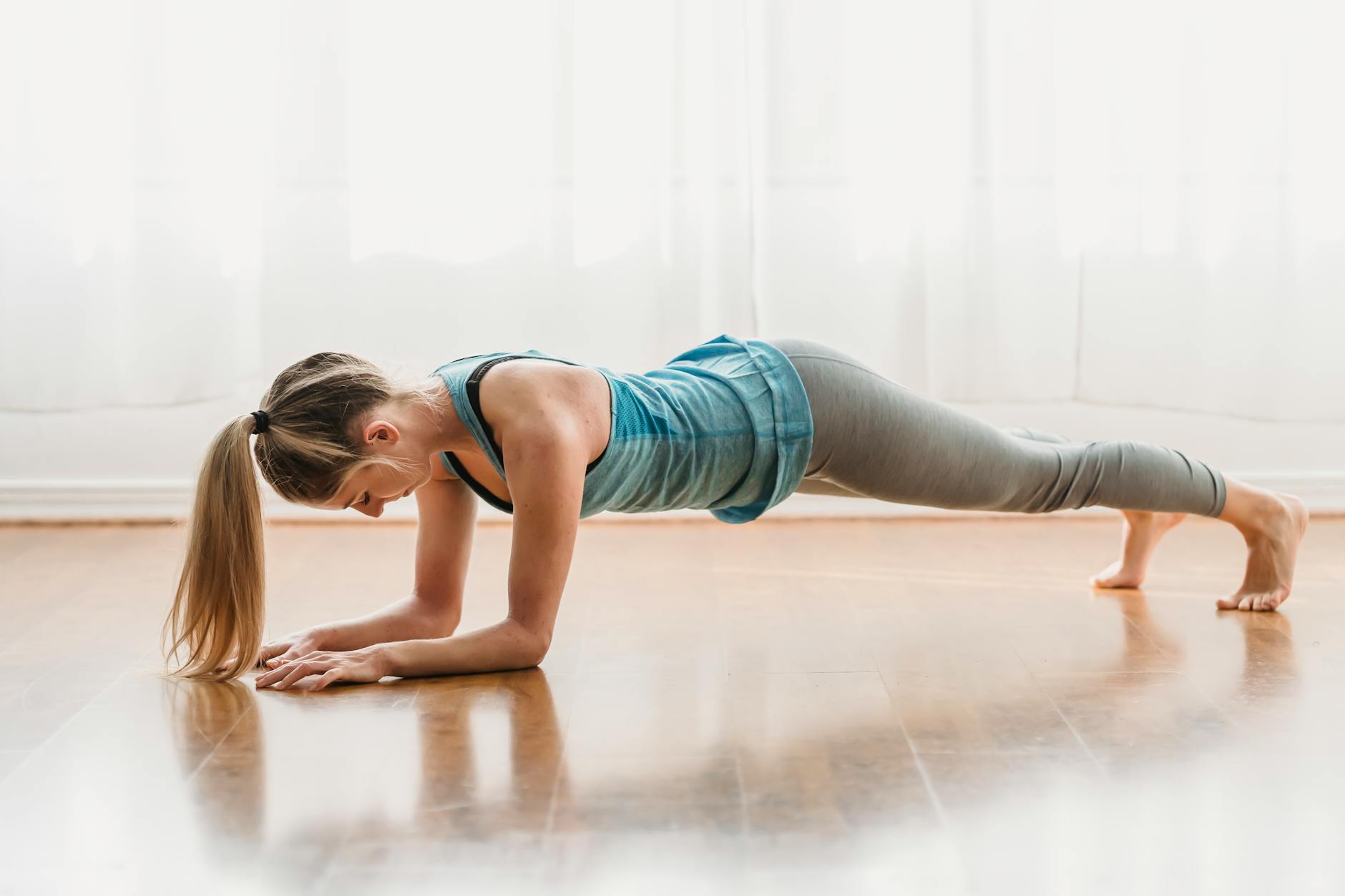
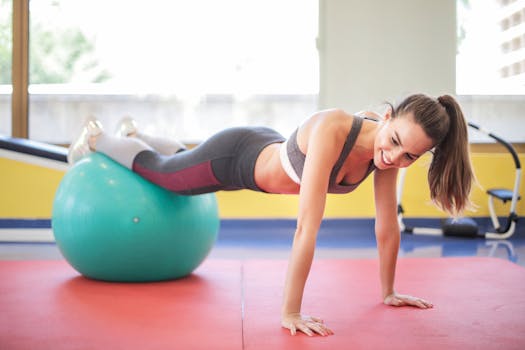 Photo: Andrea Piacquadio / Pexels
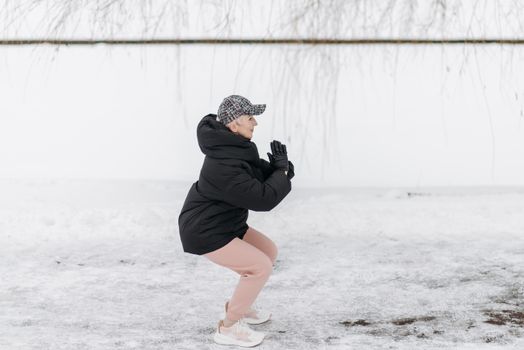 Photo: Pavel Danilyuk / Pexels
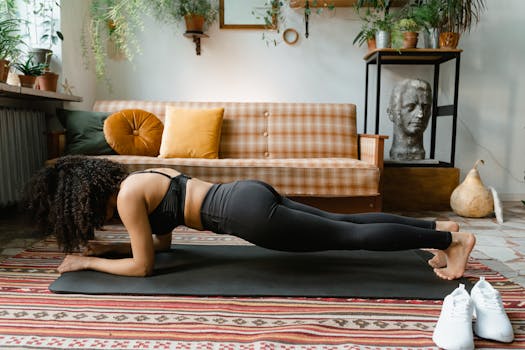 Photo: MART PRODUCTION / Pexels
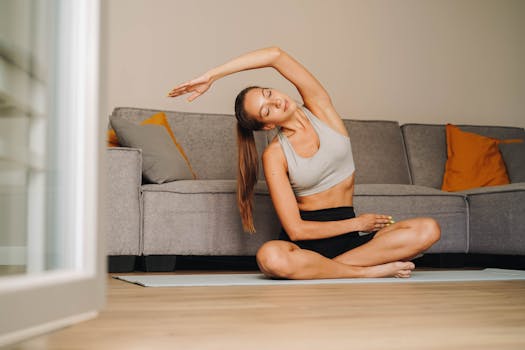 Photo: olia danilevich / Pexels