✓ Cardio workouts at home can be as effective as gym sessions if structured correctly.
✓ No expensive equipment is necessary to achieve significant cardiovascular benefits.
✓ High-Intensity Interval Training (HIIT) is highly effective for home cardio.
✓ Consistency and proper form are crucial for maximizing results and preventing injury.
How It Works
1
Assess Your Fitness Level
Before starting, understand your current physical condition and any limitations. This helps tailor workouts to be challenging yet safe for you.
2
Choose Your Workout Style
Decide between continuous steady-state cardio, HIIT, or circuit training based on your goals and time availability. Each offers unique benefits for cardiovascular health.
3
Structure Your Routine
Plan warm-up, main workout, and cool-down phases for every session. Incorporate variety to keep workouts engaging and challenge different muscle groups.
4
Track Progress & Adjust
Monitor your performance over time, noting improvements in endurance or intensity. Regularly adapt your routine to continue progressing and avoid plateaus.
Understanding the Power of Effective Cardio Workouts at Home
Photo: Gustavo Fring / Pexels
In an increasingly busy world, finding time to hit the gym can feel like an impossible task. Yet, the importance of cardiovascular health remains paramount for overall well-being. The good news is that achieving truly effective cardio workouts at home is not only possible but can be incredibly convenient and efficient. This comprehensive guide will delve into how you can transform your living space into a powerful training ground, ensuring you reap all the benefits of a robust cardio regimen without stepping outside your door. We'll explore the science behind effective cardio, debunk common myths, and provide actionable strategies to elevate your home fitness game.
Cardiovascular exercise, often simply called 'cardio,' is any activity that elevates your heart rate and keeps it elevated for a sustained period. This strengthens your heart and lungs, improves circulation, and enhances your body's ability to utilize oxygen. The benefits extend far beyond just physical prowess, impacting mental clarity, mood regulation, and even sleep quality. When performed at home, cardio offers unparalleled flexibility, allowing you to fit workouts into even the most hectic schedules. You save time commuting, eliminate gym fees, and can exercise in an environment where you feel most comfortable. However, the key to success lies in understanding how to make these home sessions truly effective.
Many people mistakenly believe that without expensive equipment or a dedicated gym environment, home cardio is inherently less impactful. This couldn't be further from the truth. The effectiveness of a cardio workout isn't determined by its location or the machinery involved, but rather by the intensity, duration, and consistency of the effort. Bodyweight exercises, when strung together intelligently, can provide a challenging and rewarding cardiovascular stimulus. High-Intensity Interval Training (HIIT), for instance, can be performed with zero equipment and is renowned for its ability to burn calories, improve endurance, and boost metabolism in a short amount of time. Understanding your target heart rate zones and how to monitor your exertion levels (e.g., using the 'talk test' or a fitness tracker) will be crucial in ensuring your home workouts are hitting the mark.
Furthermore, the variety of exercises available for home cardio is vast. From jumping jacks and burpees to mountain climbers and shadow boxing, the possibilities are endless. This variety not only keeps your workouts engaging but also helps to challenge your body in new ways, preventing plateaus and ensuring continuous progress. Incorporating elements of dance, martial arts, or even active video games can add a fun dimension to your routine, making exercise feel less like a chore and more like an enjoyable part of your day. The focus should always be on elevating your heart rate and maintaining it within an optimal training zone, regardless of the specific movements you choose. By embracing these principles, anyone can achieve remarkable fitness results from the comfort of their own home. It’s about leveraging what you have and optimizing your approach to cardiovascular training.
Designing Your Personalized Home Cardio Routine: Strategies and Examples
Photo: MART PRODUCTION / Pexels
Crafting a personalized home cardio routine that truly works for you involves more than just picking random exercises. It requires a thoughtful approach to structure, progression, and adaptation. The first step is to define your goals: Are you aiming for weight loss, improved endurance, better heart health, or a combination? Your objectives will dictate the type, duration, and intensity of your workouts. For instance, if weight loss is a primary goal, a higher frequency of moderate-to-high intensity sessions might be more effective. If endurance is your focus, incorporating longer, steady-state cardio sessions alongside shorter, more intense bursts could be beneficial.
Once your goals are clear, consider your current fitness level. A beginner should start with shorter durations and lower intensities, gradually increasing as their stamina improves. An advanced individual can jump into more challenging routines, incorporating complex movements and higher-intensity intervals. Always prioritize proper form over speed or quantity, especially when learning new exercises. Watching instructional videos and practicing in front of a mirror can help ensure you're performing movements correctly, reducing the risk of injury and maximizing effectiveness.
Here are some examples of effective home cardio workout structures:
* **Beginner Friendly Steady-State Cardio (20-30 minutes):** Start with a 5-minute warm-up (light marching, arm circles). Then, perform 15-20 minutes of continuous moderate-intensity activity like marching in place, step-ups on a sturdy low surface, or shadow boxing. Aim for a pace where you can talk but are slightly breathless. Finish with a 5-minute cool-down and stretching.
* **Intermediate Bodyweight HIIT (20-25 minutes):** After a 5-minute warm-up, perform 30-45 seconds of work followed by 15-20 seconds of rest. Repeat each exercise 2-3 times before moving to the next. Exercises could include jumping jacks, high knees, burpees (modified if needed), mountain climbers, and squat jumps. Complete 3-4 rounds of this circuit, with a 1-minute rest between rounds. End with a 5-minute cool-down.
* **Advanced Circuit Training (30-40 minutes):** Warm up for 5-7 minutes. Then, perform 45-60 seconds of an exercise, immediately transitioning to the next with minimal rest. After completing all exercises in a circuit, rest for 1-2 minutes. Repeat the entire circuit 3-5 times. Exercises could include plyometric lunges, box jumps (using a sturdy bench or chair), plank jacks, push-up burpees, and sprint in place. Incorporate dynamic stretches during your cool-down.
Remember to incorporate variety into your routine to prevent boredom and challenge your body in different ways. You can rotate between different workout styles throughout the week or introduce new exercises regularly. Listening to your body, taking rest days when needed, and staying hydrated are equally important components of a sustainable and effective home cardio program. The beauty of home workouts is the freedom to experiment and discover what truly motivates and challenges you.
Maximizing Your Results: Equipment-Free Exercises and Progressive Overload
Photo: Andrea Piacquadio / Pexels
One of the most appealing aspects of effective cardio workouts at home is the minimal requirement for equipment. Your own body weight and a small amount of space are often all you need to achieve significant cardiovascular benefits. The key to maximizing results without machines lies in understanding exercise mechanics and applying the principle of progressive overload. Progressive overload means gradually increasing the demands on your body to continue making gains. This can be achieved through various methods, even with bodyweight exercises.
Let's explore some highly effective, equipment-free cardio exercises that can form the backbone of your home routine:
* **Jumping Jacks:** A classic for a reason, jumping jacks elevate your heart rate quickly and work your entire body. To increase intensity, perform them faster or add a squat at the bottom.
* **High Knees:** Running in place with exaggerated knee lifts, bringing them towards your chest. This is excellent for leg strength and cardiovascular endurance. Increase intensity by speeding up or adding a jump.
* **Burpees:** The ultimate full-body cardio exercise. Start standing, drop into a plank, perform a push-up (optional), jump feet to hands, and then jump explosively upwards. Modifications include stepping back into a plank or omitting the push-up/jump.
* **Mountain Climbers:** From a plank position, alternate bringing your knees towards your chest, mimicking a climbing motion. Keep your core tight. To increase intensity, perform them faster or hold the plank longer between knee drives.
* **Squat Jumps:** Perform a regular squat, then explode upwards into a jump, landing softly back into a squat. This builds explosive power and significantly boosts heart rate.
* **Plank Jacks:** From a plank position, jump your feet out wide and then back together, similar to a jumping jack with your upper body static. Engages core and shoulders while providing cardio.
* **Shadow Boxing:** Mimic boxing movements – jabs, crosses, hooks, uppercuts – with quick footwork. Great for coordination, agility, and a powerful cardio burn. Add weights to your hands for more intensity.
To apply progressive overload to these bodyweight exercises, consider these strategies:
1. **Increase Repetitions/Duration:** Simply do more of an exercise or extend the time you spend on it.
2. **Decrease Rest Time:** Shorten the breaks between sets or exercises to keep your heart rate elevated.
3. **Increase Intensity/Speed:** Perform movements faster or with more explosiveness.
4. **Add Complexity:** Progress from basic movements to more challenging variations (e.g., from regular burpees to burpees with a tuck jump).
5. **Combine Exercises:** Create challenging circuits where you transition quickly between different movements.
6. **Improve Form:** While seemingly counterintuitive, perfecting your form often makes an exercise more challenging as it engages the correct muscles more effectively.
By consistently challenging your body through these methods, your home cardio workouts will remain effective and continue to drive your fitness forward. Remember, consistency is more important than sporadic bursts of extreme effort. Aim for regular, structured sessions, and you'll see remarkable improvements.
Common Mistakes to Avoid and Tips for Sustainable Home Cardio
Photo: MART PRODUCTION / Pexels
While effective cardio workouts at home offer immense flexibility and convenience, it's easy to fall into common traps that can hinder your progress or even lead to injury. Being aware of these pitfalls and adopting smart strategies will ensure your home fitness journey is both successful and sustainable.
**Common Mistakes to Avoid:**
* **Skipping the Warm-up and Cool-down:** These phases are critical. A warm-up prepares your muscles and cardiovascular system for activity, reducing injury risk. A cool-down gradually lowers your heart rate and helps with flexibility.
* **Lack of Structure:** Randomly performing exercises without a plan often leads to ineffective workouts. Have a clear idea of what you'll do before you start, including duration, sets, and reps.
* **Ignoring Proper Form:** Especially with bodyweight exercises, poor form can lead to inefficient muscle engagement and potential injuries. Prioritize correct technique over speed or number of repetitions.
* **Not Progressing:** If your workouts feel too easy for weeks on end, you're likely not challenging your body enough. Your body adapts, so you need to constantly increase the demand.
* **Overdoing It:** More isn't always better. Overtraining can lead to fatigue, injury, and burnout. Listen to your body and incorporate rest days.
* **Inconsistent Schedule:** Sporadic workouts yield sporadic results. Consistency is the bedrock of any successful fitness program.
* **Neglecting Hydration and Nutrition:** Your body needs proper fuel and hydration to perform and recover effectively from cardio workouts.
* **Comparing Yourself to Others:** Everyone's fitness journey is unique. Focus on your own progress and celebrate your personal achievements.
**Tips for Sustainable Home Cardio:**
* **Create a Dedicated Space:** Even a small, clean area free of clutter can make a big difference psychologically, signaling that it's time to work out.
* **Set Realistic Goals:** Break down large goals into smaller, achievable milestones. This builds confidence and momentum.
* **Use a Timer/App:** Many free apps offer guided workouts, interval timers, or simply help you track your workout duration.
* **Find Your Motivation:** Whether it's a specific playlist, a fitness buddy (even virtually), or a reward system, identify what keeps you going.
* **Incorporate Variety:** Mix up your exercises, workout styles (HIIT, steady-state, dance), and durations to keep things fresh and challenge different aspects of your fitness.
* **Listen to Your Body:** Pay attention to pain versus discomfort. Push yourself, but know when to modify or rest.
* **Celebrate Small Wins:** Acknowledging your progress, no matter how minor, reinforces positive habits.
* **Invest in Good Footwear:** Proper athletic shoes are crucial for shock absorption and support, preventing joint strain.
* **Stay Hydrated:** Drink water before, during, and after your workouts.
* **Track Your Progress:** Journaling your workouts, noting improvements in endurance, speed, or form, can be incredibly motivating and help you adjust your routine effectively.
Comparison
Feature
Best Option (HIIT)
Alternative 1 (Steady-State)
Alternative 2 (Circuit Training)
Time Efficiency
Excellent (15-30 min)
Moderate (30-60 min)
Good (25-45 min)
Calorie Burn Potential
High
Moderate
High
Equipment Needed
None
None
Minimal (optional light weights)
Fitness Level Suitability
Intermediate to Advanced
Beginner to Advanced
All Levels
Impact on Endurance
Good
Excellent
Good
Metabolic Boost
✓
✗
✓
Variety Potential
Value
Value
Value
What Readers Say
★★★★★
"I used to think I needed a gym for real cardio, but these effective cardio workouts at home changed my perspective completely! I'm fitter than ever and love the convenience."
Sarah J. · Austin, TX
★★★★★
"This guide helped me structure my home workouts. The HIIT routines are intense and I've seen amazing improvements in my stamina and energy levels."
Mark T. · Miami, FL
★★★★★
"After struggling to find time for the gym, I implemented these home cardio strategies. I've lost 10 pounds in two months and feel so much stronger!"
Jessica L. · Seattle, WA
★★★★★
"While I still miss the gym atmosphere sometimes, the effectiveness of these home workouts is undeniable. The tips on progressive overload were particularly helpful for keeping things challenging."
David P. · Denver, CO
★★★★★
"As a busy mom, I need efficient workouts. These effective cardio workouts at home fit perfectly into my schedule and provide a fantastic full-body burn every time."
Emily R. · Chicago, IL
Frequently Asked Questions
How often should I do effective cardio workouts at home?
For general health, aim for at least 150 minutes of moderate-intensity cardio or 75 minutes of vigorous-intensity cardio per week. This can be broken down into 3-5 sessions, depending on the intensity and your personal schedule. Listen to your body and ensure adequate rest days.
Do I need any equipment for effective cardio workouts at home?
Absolutely not! Many highly effective cardio exercises, like jumping jacks, high knees, burpees, and mountain climbers, rely solely on your body weight. While equipment like a jump rope or resistance bands can add variety, they are not necessary for a great workout.
How can I make my home cardio workouts more challenging?
To increase the challenge, you can increase the duration of your workout, decrease rest times between exercises, perform movements faster or more explosively, add more repetitions, or choose more complex variations of exercises. Applying the principle of progressive overload is key to continuous improvement.
Are effective cardio workouts at home as good as gym cardio?
Yes, absolutely! The effectiveness of a cardio workout is determined by its intensity, duration, and consistency, not its location. With proper planning and effort, home cardio can be just as, if not more, effective than gym-based workouts, offering convenience and saving time.
How can I avoid getting bored with home cardio routines?
Variety is your best friend! Mix up your workout styles (HIIT, steady-state, dance), try new exercises, use different online workout videos, or create dynamic playlists. Setting new goals and tracking your progress can also keep motivation high and prevent boredom.
Who should use effective cardio workouts at home?
Effective cardio workouts at home are suitable for almost anyone, from beginners to advanced fitness enthusiasts. They are particularly beneficial for individuals with busy schedules, those on a budget, or anyone who prefers the privacy and comfort of exercising in their own space. Modifications can be made for all fitness levels.
What's the best way to prevent injury during home cardio?
Always prioritize a proper warm-up and cool-down. Focus on correct form for every exercise, even if it means slowing down. Wear appropriate footwear, ensure your workout space is clear and safe, and listen to your body, resting when needed. Don't push through sharp pain.
What's the future trend for effective cardio workouts at home?
The trend points towards increasingly personalized, interactive, and technology-integrated home cardio. Expect more AI-driven fitness apps, virtual reality workouts, and smart home gym equipment that offers real-time feedback and adaptive training programs, making home fitness even more engaging and efficient.
Ready to transform your health and fitness journey? Embrace the power of effective cardio workouts at home today. With consistency and the right approach, you can achieve incredible results and build a stronger, healthier you right from your living room.

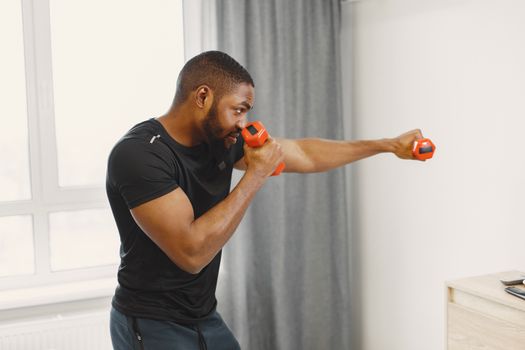 Photo: Gustavo Fring / Pexels
 Photo: MART PRODUCTION / Pexels
 Photo: Andrea Piacquadio / Pexels
 Photo: MART PRODUCTION / Pexels