✓ Bodyweight exercises can effectively stimulate muscle growth through progressive overload.
✓ Nutrition, particularly protein intake, is crucial for muscle repair and growth outside the gym.
✓ Consistency and proper form are more important than heavy weights for home-based muscle building.
✓ Creativity with exercise variations and household items can mimic gym equipment.
How It Works
1
Master Bodyweight Basics
Start with foundational exercises like push-ups, squats, lunges, and planks. Focus on perfect form to maximize muscle engagement and prevent injury.
2
Implement Progressive Overload
Gradually increase the difficulty of your workouts by adding reps, sets, reducing rest times, or advancing to more challenging exercise variations. This forces your muscles to adapt and grow.
3
Optimize Your Nutrition
Fuel your body with adequate protein, complex carbohydrates, and healthy fats. Ensure you're in a slight caloric surplus to support muscle repair and growth.
4
Prioritize Recovery and Consistency
Allow your muscles time to recover with proper sleep and rest days. Stick to a consistent workout schedule to see long-term results and prevent plateaus.
The Science of Muscle Growth Without Equipment
Photo: Ivan Ananiev / Pexels
Many people mistakenly believe that building significant muscle mass requires heavy barbells, sophisticated machines, and a dedicated gym membership. However, the fundamental principles of muscle hypertrophy – the increase in muscle cell size – remain the same whether you're lifting iron or your own body weight. Muscle growth is primarily stimulated by progressive overload, which means continually challenging your muscles with greater resistance, volume, or intensity over time. When you perform resistance exercises, you create microscopic tears in your muscle fibers. During the recovery period, with adequate nutrition and rest, these fibers repair themselves and grow back stronger and slightly larger. This adaptive response is how muscles grow. The beauty of bodyweight training is its accessibility and versatility. You can apply progressive overload in numerous ways without stepping foot in a gym. Instead of adding plates to a barbell, you can increase repetitions, perform more sets, decrease rest times between sets, or, most effectively, advance to more difficult exercise variations. For instance, if regular push-ups become too easy, you can progress to incline push-ups (easier), then regular, then decline push-ups, one-arm push-ups, or even plyometric push-ups. Each progression increases the demand on your muscles, forcing them to adapt and grow. The key is to understand that your body doesn't know the difference between external weight and the resistance provided by gravity acting on your own mass. What it responds to is the stress placed upon it. By manipulating angles, leverage, stability, and tempo, bodyweight exercises can provide immense resistance. Furthermore, bodyweight training often engages stabilizer muscles more effectively than fixed-path machines, leading to more functional strength and better body control. This holistic approach can lead to a well-rounded physique and improved athletic performance. Understanding this foundational science is the first step in realizing that a gym is merely a tool, not a prerequisite, for building an impressive physique. With commitment and smart programming, you can achieve remarkable results right in your living room. For more insights on optimal recovery, consider reading about the importance of sleep for muscle repair.
Mastering Bodyweight Exercises for Maximum Gains
Photo: KoolShooters / Pexels
To effectively build muscle without a gym, your exercise selection and execution are paramount. You need to choose movements that target major muscle groups and allow for clear progressions. Let's break down the core categories:
**Pushing Movements (Chest, Shoulders, Triceps):**
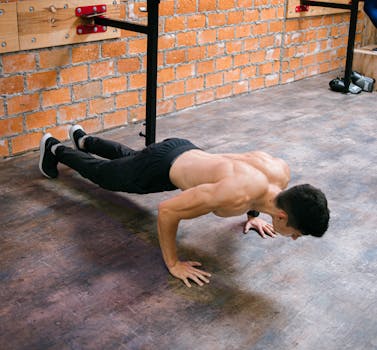
* **Push-ups:** The cornerstone. Start with knee push-ups or incline push-ups against a wall or elevated surface if full push-ups are too challenging. Progress to regular push-ups, then decline push-ups (feet elevated), pseudo planche push-ups, pike push-ups (for shoulder focus), and eventually one-arm push-ups. Varying hand positions (wide, narrow, diamond) also targets different muscle fibers.
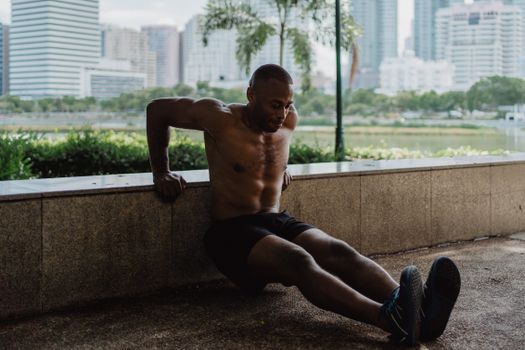
* **Dips:** If you have parallel bars, chairs, or sturdy kitchen counters, dips are excellent for chest and triceps. Bodyweight dips are incredibly effective and can be progressed by adding weight (if possible) or moving to more advanced variations.
**Pulling Movements (Back, Biceps):**
* This is often the most challenging area without equipment. However, solutions exist:
* **Inverted Rows:** Use a sturdy table, low bar, or even a strong broomstick placed across two chairs. Lie underneath and pull your chest towards the object. Adjust foot placement to increase or decrease difficulty.
* **Door Frame Rows:** With caution, grip a sturdy door frame (ensure it's well-secured) and lean back, pulling yourself forward.
* **Towel Rows:** Loop a towel over a sturdy door handle (closed door) and pull. This is more for endurance but can build some strength.
* **Pull-ups/Chin-ups:** If you can install a doorway pull-up bar, this is a game-changer. These are arguably the best upper body pulling exercises. Work on negatives (slowly lowering yourself) if you can't do a full pull-up yet.
**Legs and Glutes:**
* **Squats:** Bodyweight squats are foundational. Progress to sumo squats, jump squats, pistol squats (single-leg squats), and sissy squats. Hold a heavy backpack for added resistance.
* **Lunges:** Forward, reverse, and lateral lunges hit different leg muscles. Bulgarian split squats (one foot elevated on a chair) are incredibly effective for single-leg strength and hypertrophy.
* **Calf Raises:** Perform standing calf raises, and then progress to single-leg calf raises. You can do these off a step for a greater range of motion.
* **Glute Bridges/Hip Thrusts:** Lie on your back, knees bent, feet flat. Lift your hips off the ground. Progress to single-leg glute bridges or elevate your upper back on a couch for bodyweight hip thrusts.
**Core:**
* **Planks:** Front planks, side planks, and their variations (plank jacks, plank shoulder taps) build isometric strength.
* **Crunches/Leg Raises:** For dynamic core work. Progress to V-ups or hanging leg raises if you have a bar.
* **Russian Twists:** With or without a makeshift weight.
When performing these exercises, always prioritize form over quantity. Aim for a controlled tempo, focusing on the mind-muscle connection. Feel the target muscle working. For hypertrophy, aim for 3-5 sets of 8-20 repetitions, depending on the exercise and your current strength level. If you can easily do more than 20 reps of an exercise with perfect form, it's time to progress to a harder variation.
Fueling Your Body: Nutrition and Recovery for Home Muscle Growth
Photo: Instituto Alpha Fitness / Pexels
Building muscle isn't just about what you do during your workout; it's equally about what you do outside of it. Nutrition and recovery are two pillars that support and accelerate your progress when you're trying to build muscle without a gym. Without proper fuel and rest, your body simply won't have the resources to repair and grow new muscle tissue, regardless of how hard you train. Let's dive into the specifics.
**Nutrition: The Anabolic Engine**
1. **Caloric Surplus:** To build muscle, your body needs more calories than it burns. This slight caloric surplus provides the energy required for muscle repair and growth. Aim for an additional 250-500 calories per day above your maintenance level. Track your intake for a week to understand your current baseline and adjust accordingly. Eating too little will hinder muscle growth, forcing your body to use existing muscle for energy.
2. **Protein Intake:** Protein is the building block of muscle. Your body breaks down protein into amino acids, which are then used to repair damaged muscle fibers and synthesize new ones. Aim for 0.7-1 gram of protein per pound of body weight daily. Distribute your protein intake throughout the day across all your meals and snacks. Excellent home-friendly protein sources include lean meats (chicken, turkey, beef), fish (tuna, salmon), eggs, dairy (Greek yogurt, cottage cheese, milk), legumes (lentils, beans), tofu, and protein powders (whey, casein, plant-based).
3. **Complex Carbohydrates:** Carbohydrates are your body's primary energy source. They fuel your workouts and replenish glycogen stores, which are crucial for recovery. Opt for complex carbohydrates like oats, brown rice, quinoa, whole-wheat bread, sweet potatoes, and fruits. These provide sustained energy and essential micronutrients.
4. **Healthy Fats:** Don't shy away from healthy fats. They play vital roles in hormone production (including testosterone, important for muscle growth), nutrient absorption, and overall health. Sources include avocados, nuts, seeds, olive oil, and fatty fish. Aim for 20-30% of your daily caloric intake from healthy fats.
5. **Hydration:** Water is often overlooked but is critical for muscle function, nutrient transport, and overall metabolic processes. Dehydration can impair performance and recovery. Aim to drink plenty of water throughout the day, especially before, during, and after your workouts.
**Recovery: When Muscles Grow**
1. **Sleep:** This is arguably the most crucial aspect of recovery. During deep sleep, your body releases growth hormone, which is essential for tissue repair and muscle growth. Aim for 7-9 hours of quality sleep per night. Establish a consistent sleep schedule and create a conducive sleep environment.
2. **Rest Days:** Your muscles don't grow during your workout; they grow during the recovery period afterward. Incorporate rest days into your weekly schedule, allowing specific muscle groups 24-48 hours to recover before training them again. Active recovery, like light walking or stretching, can also be beneficial on rest days.
3. **Stress Management:** Chronic stress elevates cortisol levels, a hormone that can break down muscle tissue and hinder recovery. Find healthy ways to manage stress, such as meditation, hobbies, or spending time in nature.
4. **Listen to Your Body:** Pay attention to signs of overtraining, such as persistent fatigue, decreased performance, or prolonged soreness. Don't be afraid to take an extra rest day or adjust your workout intensity when needed. Pushing through excessive fatigue can lead to injury and burnout. By meticulously planning your nutrition and prioritizing recovery, you create an optimal internal environment for muscle growth, ensuring that your home workouts yield the best possible results. For more on fueling your body effectively, check out our guide on optimizing protein intake for strength gains.
Common Mistakes and Smart Strategies for Home Muscle Building
Photo: MART PRODUCTION / Pexels
Building muscle without a gym is entirely achievable, but like any fitness journey, it comes with its own set of potential pitfalls and best practices. Avoiding common mistakes and implementing smart strategies will significantly accelerate your progress and ensure long-term success.
**Common Mistakes to Avoid:**
1. **Lack of Progressive Overload:** The single biggest mistake. If you're doing the same 3 sets of 10 push-ups indefinitely, your muscles will adapt and stop growing. You MUST continuously challenge them. This means more reps, more sets, harder variations, slower tempo, or less rest.
2. **Neglecting Lower Body:** It's easy to focus on upper body movements like push-ups. However, your legs contain the largest muscle groups and training them stimulates a greater hormonal response conducive to overall muscle growth. Don't skip squats, lunges, and glute exercises.
3. **Poor Form Over Quantity:** Rushing through reps with sloppy form not only reduces muscle activation but also increases injury risk. Focus on controlled movements, full range of motion, and feeling the target muscle work. Quality always trumps quantity.
4. **Inconsistent Training:** Muscle building requires consistency. Sporadic workouts won't yield results. Aim for 3-5 structured workouts per week, adhering to your schedule as much as possible.
5. **Under-eating Protein and Calories:** As discussed, muscle growth requires fuel. If you're not consuming enough protein and a slight caloric surplus, your body won't have the building blocks or energy to grow. This is a very common reason for plateaus.
6. **Ignoring Recovery:** Overtraining and insufficient sleep will hinder progress. Muscles grow when they rest, not when they're being torn down. Prioritize sleep and active recovery.
7. **Lack of Variation:** While consistency is key, periodically introducing new exercises or modifying existing ones can prevent plateaus and keep your muscles guessing. Don't stick to the exact same routine for months on end.
**Smart Strategies for Success:**
* **Embrace Unilateral Training:** Single-leg squats (pistol squats), single-leg glute bridges, and Bulgarian split squats are fantastic for addressing muscular imbalances and increasing overall strength. They also provide a significant challenge with just your body weight.
* **Utilize Tempo Training:** Instead of just moving quickly, control the eccentric (lowering) phase of an exercise. For example, take 3-5 seconds to lower yourself during a push-up or squat. This increases time under tension, a critical factor for hypertrophy.
* **Incorporate Isometric Holds:** At the hardest part of an exercise, hold the position for a few seconds (e.g., holding at the bottom of a squat or the top of a push-up). This builds strength and endurance.
* **Leverage Household Items:** Backpacks filled with books can serve as weights for squats, lunges, or even weighted push-ups. Sturdy chairs can be used for dips or elevated exercises. Towels can create friction for sliding exercises or be used for improvised rows.
* **Follow a Structured Program:** Don't just do random exercises. Have a plan that targets all major muscle groups, includes progressive overload, and accounts for recovery. There are many free bodyweight programs online that you can adapt.
* **Track Your Progress:** Keep a log of your workouts – reps, sets, variations, and how you felt. This allows you to see your improvements, identify plateaus, and ensure you're consistently applying progressive overload.
* **Focus on Mind-Muscle Connection:** Actively think about squeezing the target muscle during each repetition. This improves muscle activation and can lead to better growth.
By being mindful of these mistakes and proactively applying these strategies, you'll optimize your home muscle-building journey and see impressive, sustainable results.
Comparison
Feature
Bodyweight Training (Home)
Gym Training (Weights)
Resistance Bands (Home)
Cost
Free / Low (minimal equipment)
Monthly membership + travel
Low (one-time purchase)
Equipment Needed
Minimal (maybe pull-up bar, chairs)
Extensive (weights, machines)
Resistance bands set
Progressive Overload
Via variations, reps, tempo
Via adding weight
Via stronger bands, reps
Muscle Isolation
More compound movements
Can isolate muscles effectively
Moderate isolation
Convenience
Extremely high (anytime, anywhere)
Requires travel to gym
High (anytime, anywhere)
Functional Strength
✓
✓ (if programmed well)
✓
Space Required
Small area
Gym facility
Small area
What Readers Say
★★★★★
"I used to think I needed a gym to get strong, but this guide showed me how to build muscle without gym equipment. My arms and core are more defined than ever, and I love the convenience of working out at home."
Sarah J. · Austin, TX
★★★★★
"As a busy dad, finding time for the gym was impossible. This method for how to build muscle without gym has been a game-changer. I've gained noticeable strength and muscle mass following these principles, especially with the progressive overload tips."
Mark T. · Seattle, WA
★★★★★
"After 3 months of consistent bodyweight training from this guide, I can do 10 full push-ups and my legs feel so much stronger. I've built visible muscle definition and feel much more confident, all without a single piece of gym equipment."
Jessica L. · Miami, FL
★★★★★
"This article provided a solid framework for how to build muscle without gym access. While I miss the heavy lifting, the bodyweight progressions are challenging and effective. It really emphasizes the importance of nutrition, which I initially underestimated."
David R. · Chicago, IL
★★★★★
"I travel frequently for work and always struggled to maintain my fitness. Learning how to build muscle without gym equipment means I can stick to my routine anywhere. My glutes and shoulders have never looked better!"
Emily K. · Denver, CO
Frequently Asked Questions
Can I really build significant muscle mass without weights?
Yes, absolutely. Your muscles respond to resistance and progressive overload, not necessarily the source of that resistance. By using advanced bodyweight exercises, increasing repetitions, decreasing rest times, and focusing on time under tension, you can effectively stimulate muscle hypertrophy comparable to weight training. Consistency and proper nutrition are key.
How often should I work out if I'm only using bodyweight exercises?
For optimal muscle growth, aim for 3-5 full-body or upper/lower split workouts per week. Ensure each major muscle group is trained 2-3 times per week with adequate rest in between sessions for recovery and growth. Listen to your body and adjust frequency as needed.
What's the most effective bodyweight exercise for my chest?
The push-up, in its various forms, is the most effective bodyweight exercise for the chest. Start with regular push-ups and progress to more challenging variations like decline push-ups, pseudo planche push-ups, or diamond push-ups to continuously challenge your chest muscles and promote growth.
Do I need any equipment at all to build muscle at home?
Strictly speaking, you can start with zero equipment. However, investing in a doorway pull-up bar can significantly enhance your ability to train your back and biceps, which are harder to target effectively with purely bodyweight movements. Resistance bands can also be a valuable, low-cost addition to add variety and progressive resistance.
How does home bodyweight training compare to gym training with weights?
Both methods can build muscle, but they differ. Bodyweight training excels in functional strength, body control, and convenience. Weight training allows for more precise progressive overload and isolation of specific muscles. For most people, bodyweight training at home can achieve excellent results, especially for general fitness and muscle development, without the cost or time commitment of a gym.
Who should consider building muscle without a gym?
Anyone looking to improve their physique, strength, and overall fitness can benefit. It's particularly ideal for beginners, individuals with busy schedules, those on a budget, people who prefer privacy, or anyone without easy access to a gym. It's also great for maintaining fitness while traveling or as a supplementary workout to gym sessions.
Is there a risk of injury with bodyweight exercises?
While generally safer than heavy lifting, improper form with bodyweight exercises can still lead to injury. Always prioritize perfect form over speed or quantity. Start with easier variations, gradually progress, and ensure proper warm-up and cool-down routines to minimize risk. Listen to your body and don't push through sharp pain.
What are the future trends in home muscle building?
Future trends include more sophisticated smart home fitness equipment (e.g., smart mirrors, interactive apps), personalized AI-driven bodyweight programs, and a continued emphasis on functional fitness. There will likely be a growing integration of virtual coaching and community support to maintain motivation and ensure proper progression for at-home muscle builders.
Ready to transform your body and build impressive muscle mass from the comfort of your home? Embrace the power of bodyweight training, optimize your nutrition, and commit to consistency. Start your journey on how to build muscle without a gym today and unlock your full potential.