How to Increase Flexibility Fast & Boost Your Well-being
Discover proven methods to rapidly enhance your flexibility, reduce stiffness, and improve overall physical performance.
Start Your Journey NowKey Takeaways
- ✓ Consistency is more crucial than intensity for rapid flexibility gains.
- ✓ Dynamic warm-ups prepare muscles, static stretches improve range.
- ✓ Proprioceptive Neuromuscular Facilitation (PNF) is highly effective for quick gains.
- ✓ Hydration and proper nutrition support muscle elasticity and recovery.
How It Works
Before starting, identify your tightest areas. This helps you focus your efforts and track progress effectively.
Develop a daily or near-daily stretching plan incorporating various techniques. Consistency is key to seeing fast results.
Use dynamic stretches as a warm-up and static stretches post-workout or separately. This dual approach optimizes muscle readiness and length.
Never push through sharp pain. Allow your muscles adequate rest and recovery time to adapt and grow more flexible.
Understanding Flexibility: The Foundation of Movement
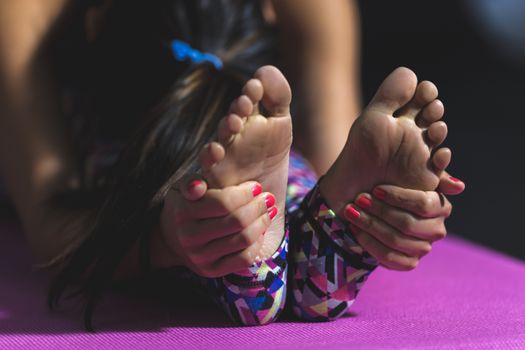 Photo: Burst / Pexels
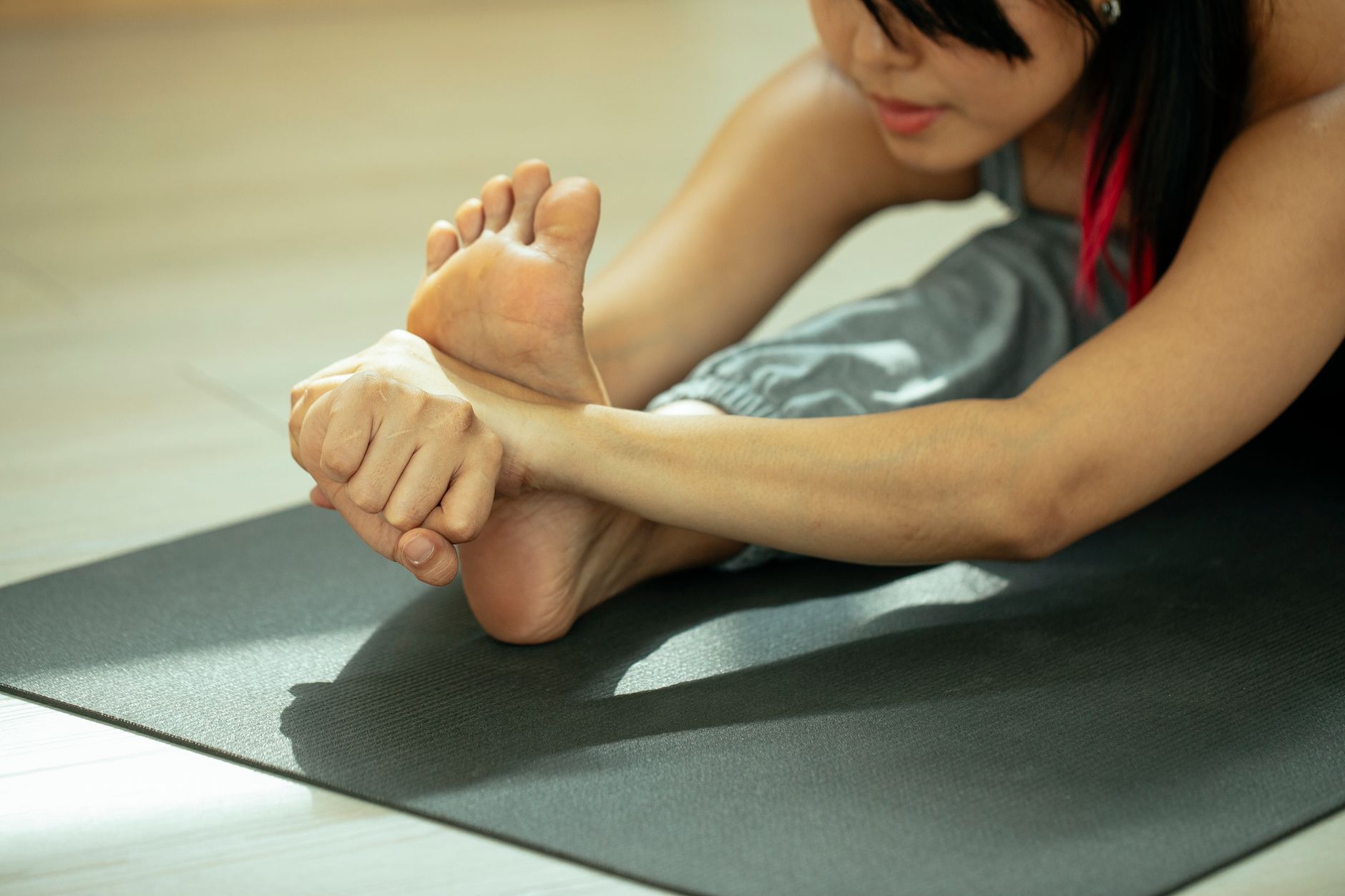
The benefits of improved flexibility extend far beyond just feeling 'looser.' It significantly reduces the risk of injury by allowing your muscles to absorb impact and stretch without tearing. It can alleviate chronic pain, particularly in the back and neck, by releasing tension in tight muscles. Enhanced flexibility also improves posture, as balanced muscle length helps maintain proper spinal alignment. Furthermore, it boosts athletic performance across virtually all sports, providing a greater range of motion for more powerful and efficient movements. For example, a golfer with better hip rotation will have a more powerful swing, and a runner with flexible hamstrings will have a longer stride.
Many factors influence our current level of flexibility, including age, gender, activity level, and genetics. As we age, our connective tissues naturally become less elastic, making flexibility a more conscious effort. Men generally tend to be less flexible than women, though this is often due to societal activity patterns rather than inherent biological differences. A sedentary lifestyle is a major culprit for reduced flexibility, as prolonged sitting shortens hip flexors and tightens hamstrings. Conversely, regular physical activity, especially that which involves a full range of motion, helps maintain and improve flexibility. Understanding these factors is the first step in formulating an effective strategy for how to increase flexibility fast. It's not about being naturally 'bendy'; it's about consistent, targeted effort to counteract these natural tendencies and lifestyle impacts. Recognizing these elements helps set realistic expectations and guides us toward the most impactful interventions for rapid improvement. Read more about the benefits of a holistic fitness approach.
Dynamic vs. Static Stretching: Your Path to Rapid Gains
 Photo: Nay Nyo / Pexels
Dynamic stretching involves moving your body through a full range of motion, gradually increasing reach, speed, or both. Think leg swings, arm circles, torso twists, and walking lunges. The key here is controlled movement, not holding a stretch. The primary goal of dynamic stretching is to warm up the muscles, increase blood flow, and prepare the joints for activity. It improves functional range of motion and reduces muscle stiffness without decreasing power output, making it ideal for a pre-workout warm-up. When incorporated regularly, dynamic stretching can significantly contribute to overall flexibility by improving joint mobility and muscle elasticity during movement. It teaches your body to move fluidly through its full range, which is critical for preventing injury and enhancing performance in daily activities and sports. For example, performing dynamic leg swings before a run prepares the hip flexors and hamstrings for the repetitive motion, reducing the likelihood of a strain. Similarly, arm circles before a weightlifting session prime the shoulder joints.
Static stretching, on the other hand, involves holding a stretch for a sustained period, typically 15-60 seconds, while your body is at rest. Examples include holding a hamstring stretch, a triceps stretch, or a quad stretch. The aim of static stretching is to lengthen muscles and connective tissues, thereby increasing passive range of motion. Because it can temporarily reduce muscle power, static stretching is best performed after a workout when muscles are warm, or as a separate session entirely. Performing static stretches when muscles are cold can be less effective and potentially increase injury risk. Consistent static stretching is a cornerstone for how to increase flexibility fast because it directly addresses muscle length and joint mobility. By holding these positions, you signal to your nervous system that it's safe to allow the muscle to relax and extend further. This gradual lengthening over time is what creates lasting flexibility improvements.
For rapid gains, a strategic combination is key. Begin your workouts with dynamic stretches to prepare your body, and conclude with static stretches to lengthen and recover. On non-workout days, you might dedicate a separate session to longer static holds, possibly incorporating techniques like Proprioceptive Neuromuscular Facilitation (PNF) for even faster results. PNF stretching, often involving a contract-relax method, is one of the most effective techniques for quickly increasing static flexibility. By integrating both types of stretching intelligently, you optimize your body's potential for immediate and sustained flexibility improvements, paving a clear path to how to increase flexibility fast.
Targeted Techniques and Routines for Accelerated Progress
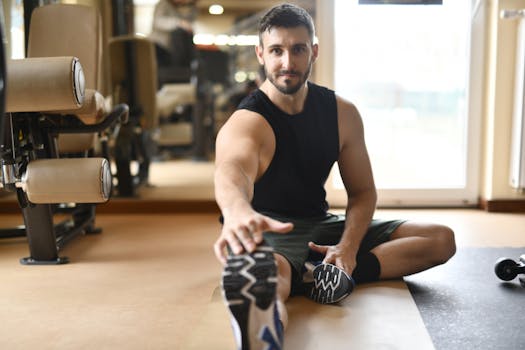 Photo: Andrea Piacquadio / Pexels
One of the most potent techniques for rapid flexibility gains is Proprioceptive Neuromuscular Facilitation (PNF). PNF stretching involves a combination of passive stretching and isometric contractions. A common PNF method is the 'contract-relax' technique: you passively stretch a muscle, then contract that muscle against resistance (like a partner or a wall) for 5-10 seconds, and then immediately relax and stretch further, often achieving a greater range of motion. This technique capitalizes on the nervous system's response to muscle contraction, allowing for deeper stretches. While effective, PNF should be done carefully, ideally after a thorough warm-up, and can be intense.
Another powerful tool is foam rolling or self-myofascial release (SMR). This technique applies pressure to tight spots in your muscles, helping to break up knots and adhesions, improve blood flow, and release tension. By addressing these 'trigger points,' foam rolling can significantly improve muscle elasticity and range of motion, making subsequent stretching more effective. Regular foam rolling of areas like the hamstrings, glutes, quads, and upper back can dramatically enhance your flexibility quickly.
Consider incorporating active isolated stretching (AIS), where you contract the opposing muscle group to facilitate the stretch of the target muscle. For example, to stretch your hamstring, you would actively contract your quadriceps to lift your leg. This method promotes blood flow and prepares muscles for movement while improving flexibility.
Here’s a sample routine designed for rapid flexibility improvement, to be performed 5-6 times a week:
Warm-up (5-10 minutes, dynamic):
- Arm circles (forward and backward, 10 reps each)
- Leg swings (forward and sideways, 10 reps each leg)
- Torso twists (10 reps each side)
- Cat-cow stretch (10 reps)
- Walking lunges with a twist (5 reps each side)
Flexibility Session (20-30 minutes, static & PNF):
- Hamstring Stretch (PNF or static): Lie on your back, use a strap to pull your leg towards you. Hold for 30 seconds, or perform PNF (contract-relax) 3 times. Repeat 2-3 sets per leg.
- Hip Flexor Stretch (static): Kneeling lunge position, push hips forward. Hold 30 seconds, 2-3 sets per leg.
- Quad Stretch (static): Standing or lying, pull heel to glute. Hold 30 seconds, 2-3 sets per leg.
- Glute Stretch (static): Figure-four stretch or pigeon pose. Hold 30 seconds, 2-3 sets per leg.
- Calf Stretch (static): Wall calf stretch, bent and straight leg. Hold 30 seconds each, 2-3 sets per leg.
- Shoulder/Chest Stretch (static): Doorway stretch or overhead triceps stretch. Hold 30 seconds, 2-3 sets.
- Spinal Twist (static): Supine spinal twist. Hold 30 seconds each side, 2-3 sets.
Remember to breathe deeply throughout all stretches and never push into sharp pain. Consistency with this kind of routine, focusing on proper form and gradual progression, is how to increase flexibility fast and effectively. Incorporating practices like yoga or Pilates a few times a week can also significantly enhance these efforts, offering a holistic approach to flexibility and core strength. Discover more about specific muscle groups and their optimal stretches.
Common Mistakes to Avoid and Essential Tips for Success
 Photo: Burst / Pexels
Common Mistakes to Avoid:
- Bouncing (Ballistic Stretching): While dynamic, uncontrolled bouncing can cause muscles to contract reflexively, increasing the risk of tears. Stick to controlled movements for dynamic stretches and sustained holds for static ones.
- Stretching Cold Muscles: Attempting deep static stretches without a proper warm-up is a recipe for injury. Always begin with light cardio and dynamic stretches to increase blood flow and prepare your muscles.
- Pushing Through Pain: Flexibility should feel like a mild pull, not sharp pain. Pain is your body's signal that you're overstretching or doing something incorrectly. Listen to your body and ease off if you feel discomfort.
- Inconsistency: Flexibility is like any other physical attribute; it requires consistent effort. Sporadic stretching sessions will yield minimal results.
- Holding Your Breath: Holding your breath creates tension. Deep, slow breathing helps relax muscles and allows for deeper stretches.
- Ignoring Specific Muscle Groups: Focusing only on the 'easy' stretches or neglecting areas you know are tight will lead to imbalances and limited overall progress.
Essential Tips for Success:
- Consistency is Key: Aim for 10-15 minutes of stretching daily, or at least 5-6 times a week. Short, frequent sessions are more effective than long, infrequent ones.
- Warm-Up First: Always perform 5-10 minutes of light cardio (like jogging in place or jumping jacks) and dynamic stretches before static stretching.
- Focus on Breathing: Use deep, diaphragmatic breaths to help your muscles relax. Exhale as you deepen into a stretch.
- Hydrate and Nourish: Proper hydration keeps connective tissues pliable, and a balanced diet supports muscle health and recovery.
- Incorporate Props: Yoga blocks, straps, and foam rollers can assist in achieving deeper stretches and releasing tension effectively.
- Listen to Your Body: Progress gradually. Flexibility gains are incremental. Don't force yourself into positions that cause pain.
- Seek Professional Guidance: If you have persistent stiffness, pain, or specific mobility issues, consult a physical therapist or a certified flexibility coach. They can provide personalized advice and identify underlying issues.
- Vary Your Routine: Incorporate different types of stretches and explore activities like yoga, Pilates, or martial arts, which naturally improve flexibility.
By diligently avoiding these common errors and applying these essential tips, you'll optimize your efforts on how to increase flexibility fast and build a sustainable practice for long-term mobility and well-being.
Comparison
| Feature | Dynamic Stretching | Static Stretching | PNF Stretching | Foam Rolling |
|---|---|---|---|---|
| Best Use | Pre-workout warm-up | Post-workout/Recovery | Targeted flexibility gains | Myofascial release/Recovery |
| Mechanism | Controlled movement | Sustained hold | Contract-relax technique | Pressure massage |
| Effect on Power | Maintains/Improves | Temporarily decreases | Maintains/Improves | Maintains/Improves |
| Speed of Gains | Moderate | Moderate | Fast | Fast (indirectly) |
| Risk of Injury (cold) | Low | High | Moderate | Low |
What Readers Say
"I was skeptical about increasing flexibility fast, but following this guide's PNF techniques and daily routine has made a huge difference. My back pain has lessened, and I can finally touch my toes!"
Sarah J. · Austin, TX"As a runner, tight hamstrings were always an issue. Incorporating the dynamic stretches pre-run and static stretches post-run, as advised here, has significantly improved my stride and reduced soreness. Highly recommend!"
Mark D. · Chicago, IL"I went from barely reaching my knees to comfortably touching my shins in just three weeks by being consistent with the routine. This article truly showed me how to increase flexibility fast and effectively."
Emily R. · Denver, CO"The information on dynamic vs. static stretching was incredibly helpful. While it wasn't 'instant' for me, the consistent progress has been motivating, and I've noticed a significant improvement in my yoga practice."
David L. · Miami, FL"After years of a sedentary job, my hips and shoulders were incredibly tight. The foam rolling and targeted stretches outlined here have brought back so much mobility. It's truly changed my daily comfort level."
Jessica M. · Seattle, WAFrequently Asked Questions
What is the fastest way to increase flexibility?
The fastest way to increase flexibility involves a consistent, multi-faceted approach combining dynamic stretching for warm-ups, static stretching for muscle lengthening, and advanced techniques like PNF stretching. Daily practice, even for short durations, yields quicker results than infrequent, intense sessions. Foam rolling also helps by releasing muscle tension.
Is it possible to become flexible in a week?
While significant, lasting flexibility gains typically take more than a week, you can certainly experience noticeable improvements in range of motion and reduced stiffness within a week with dedicated, daily practice. Focus on consistency, proper technique, and listen to your body to avoid injury while pushing your limits safely.
How often should I stretch to see fast results?
For fast results, you should aim to stretch daily or at least 5-6 times a week. Short, consistent sessions (10-20 minutes) are more effective than longer, infrequent ones. Integrating dynamic stretches before activity and static stretches post-activity, or in separate sessions, optimizes your body's adaptation.
Do flexibility programs cost a lot of money?
No, increasing flexibility doesn't have to cost a lot of money. Many effective stretches can be done with just your body weight. While props like yoga straps or foam rollers can be beneficial, they are optional and affordable. Online resources and free apps also provide ample guidance.
How does increasing flexibility compare to strength training?
Increasing flexibility focuses on lengthening muscles and improving joint range of motion, while strength training focuses on building muscle mass and power. Both are crucial components of overall fitness and complement each other. Improved flexibility can enhance strength training by allowing for a greater range of motion during exercises, leading to better muscle activation and reduced injury risk.
Who should prioritize increasing their flexibility?
Everyone can benefit from increased flexibility, but it's particularly important for athletes, individuals with sedentary lifestyles, those experiencing chronic pain or stiffness, and older adults looking to maintain mobility and independence. Anyone aiming for improved posture, reduced injury risk, or enhanced physical performance should prioritize it.
Are there any risks associated with trying to increase flexibility fast?
Yes, rushing flexibility gains can lead to risks such as muscle strains, sprains, or even tears if proper warm-up is skipped, stretches are forced, or pain signals are ignored. Always progress gradually, listen to your body, and never push into sharp pain. Consulting a professional for guidance can mitigate these risks.
What role will technology play in future flexibility training?
Future flexibility training will likely leverage wearable tech for real-time feedback on range of motion, AI-powered apps for personalized routines, and virtual reality for immersive guided sessions. Smart mats could track progress, and biofeedback devices might help individuals optimize breathing and muscle relaxation techniques, making 'how to increase flexibility fast' even more precise and accessible.
Ready to transform your body and unlock a new level of movement? By applying the expert techniques and consistent strategies outlined, you now know how to increase flexibility fast and safely. Start your journey today and experience the profound benefits of a more limber, resilient you.