How to Build Muscle Without Weights: Your Ultimate Guide
August 12, 2026 14 min read 2,893 words
Unlock your body's full potential and sculpt a powerful physique using only your own bodyweight, no gym required.
Start Your Journey Now
The Science Behind Building Muscle with Bodyweight
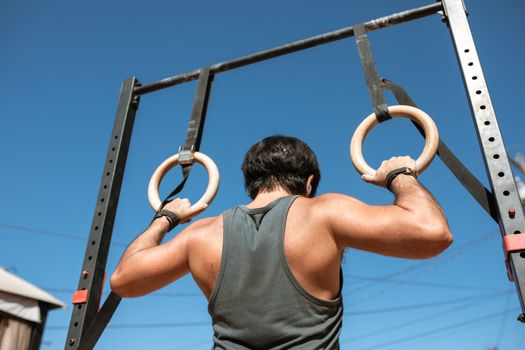 Photo: RDNE Stock project / Pexels
For decades, the conventional wisdom for building significant muscle mass centered almost exclusively on lifting heavy weights. Gym memberships, barbells, and dumbbells were considered non-negotiable. However, a growing body of scientific evidence, and countless real-world transformations, prove that you absolutely can build an impressive, strong, and functional physique without ever touching a piece of iron. The fundamental principle of muscle growth, known as hypertrophy, doesn't discriminate based on the source of resistance; it responds to challenge. When you train, you create microscopic tears in your muscle fibers. During recovery, your body repairs these tears, making the fibers thicker and stronger to better withstand future stress. This process is driven by mechanical tension, muscle damage, and metabolic stress, all of which can be effectively achieved with bodyweight exercises.
Mechanical tension is the primary driver of hypertrophy. This refers to the force exerted on the muscle fibers. While heavy weights provide high mechanical tension, bodyweight exercises can also create significant tension, especially when performed with proper form, controlled movements, and through a full range of motion. Think about a slow, controlled push-up where you really squeeze your chest at the top and maintain tension throughout the descent. This sustained tension can be just as effective as a weighted movement for stimulating growth. Muscle damage, the second factor, is the micro-trauma to muscle fibers that occurs during eccentric (lengthening) phases of exercise. Bodyweight movements, particularly those with a controlled negative phase (like the lowering portion of a pull-up or squat), are excellent for inducing this type of damage, signaling the body to initiate repair and growth processes. Finally, metabolic stress, characterized by the accumulation of metabolic byproducts like lactate and hydrogen ions, creates the 'pump' sensation. This stress has been shown to contribute to muscle growth by increasing cellular swelling and activating various growth pathways. High-repetition bodyweight sets, or exercises performed with short rest intervals, are incredibly effective at generating metabolic stress.
Moreover, bodyweight training inherently emphasizes core stability, balance, and proprioception (your body's sense of its position in space). These elements are often overlooked in traditional weightlifting, where machines or fixed barbells can stabilize the load for you. By engaging more stabilizing muscles and improving neuromuscular control, bodyweight training can lead to more holistic and functional strength. It teaches your body to move as a cohesive unit, which translates to better performance in everyday life and other athletic endeavors. The adaptability of bodyweight exercises is another key advantage. From beginner variations like knee push-ups to advanced movements like one-arm push-ups or pistol squats, there's a progression for every fitness level. This scalability ensures that you can continually challenge your muscles, which is vital for sustained growth. The human body is an incredibly adaptive organism; when consistently challenged, it will respond by becoming stronger and more resilient, regardless of whether that challenge comes from a barbell or your own body mass. Understanding these physiological principles is the first step in harnessing the power of bodyweight training to achieve your muscle-building goals. For more on optimizing your diet for muscle gain, check out our guide on
nutrition for muscle growth.
Mastering Progressive Overload Without Equipment
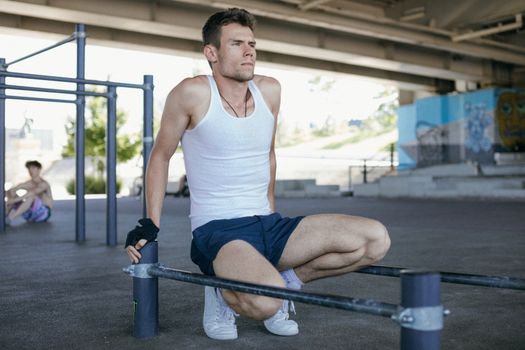 Photo: KoolShooters / Pexels
The cornerstone of any effective muscle-building program, whether with weights or without, is progressive overload. This principle dictates that for muscles to grow, they must be continually challenged with increasing demands. Without external weights, you need to get creative with how you apply this principle. Fortunately, there are numerous sophisticated ways to make bodyweight exercises harder and continue stimulating growth. The goal is to consistently increase the stimulus your muscles receive, forcing them to adapt and become stronger.
One of the most straightforward methods is increasing repetitions and sets. If you can comfortably do 3 sets of 10 push-ups, aim for 3 sets of 12, then 4 sets of 10, and so on. Once you reach a certain rep range (e.g., 15-20 reps per set with good form), it’s time to move to a more challenging variation. Decreasing rest time between sets is another powerful progressive overload technique. By reducing your rest from 90 seconds to 60 seconds, or even 30 seconds, you increase metabolic stress and cardiovascular demand, making the same number of reps significantly harder. This method also improves your muscular endurance, allowing you to sustain effort for longer periods.
Changing the leverage or stability of an exercise is arguably the most effective way to progress bodyweight movements. For example, a standard push-up can be made harder by elevating your feet (decline push-up), which shifts more body weight onto your upper body. Even more challenging is the pseudo planche push-up, where your hands are placed lower on your torso, increasing the leverage on your shoulders and triceps. For squats, progressing from air squats to Bulgarian split squats (one leg elevated) and eventually to pistol squats (single-leg squats) dramatically increases the demand on your leg muscles, core, and balance. Similarly, for pulling movements, if you have access to a sturdy bar, start with Australian pull-ups (body rows), then move to standard pull-ups, and eventually one-arm pull-ups or L-sit pull-ups.
Another advanced technique is manipulating the tempo of your movements. Slowing down the eccentric (lowering) phase of an exercise, or incorporating pauses at the most challenging points (e.g., pausing at the bottom of a squat or push-up), significantly increases time under tension. This sustained tension creates more muscle damage and metabolic stress, both crucial for hypertrophy. For instance, performing a push-up with a 3-second lowering phase and a 1-second pause at the bottom will be far more challenging than a fast, uncontrolled repetition. Incorporating isometric holds, where you hold a position for a sustained period (e.g., holding the bottom of a squat or the top of a pull-up), also builds tremendous strength and endurance. Finally, increasing training frequency can also be a form of progressive overload. If you're currently training a muscle group twice a week, increasing it to three times a week (while ensuring adequate recovery) can provide a greater stimulus for growth. By systematically applying these progressive overload strategies, you can continually challenge your muscles and ensure consistent growth without needing any external weights.
Essential Bodyweight Exercises for Maximum Muscle Growth
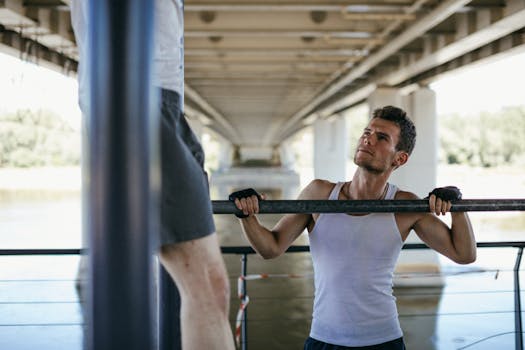 Photo: KoolShooters / Pexels
To effectively build muscle without weights, you need a repertoire of exercises that target all major muscle groups and allow for various levels of progression. A well-rounded bodyweight program focuses on compound movements that engage multiple joints and muscles simultaneously, mimicking natural human movement patterns and yielding the most bang for your buck in terms of muscle activation and caloric expenditure. Here’s a breakdown of essential exercises and their progressions to maximize your gains.
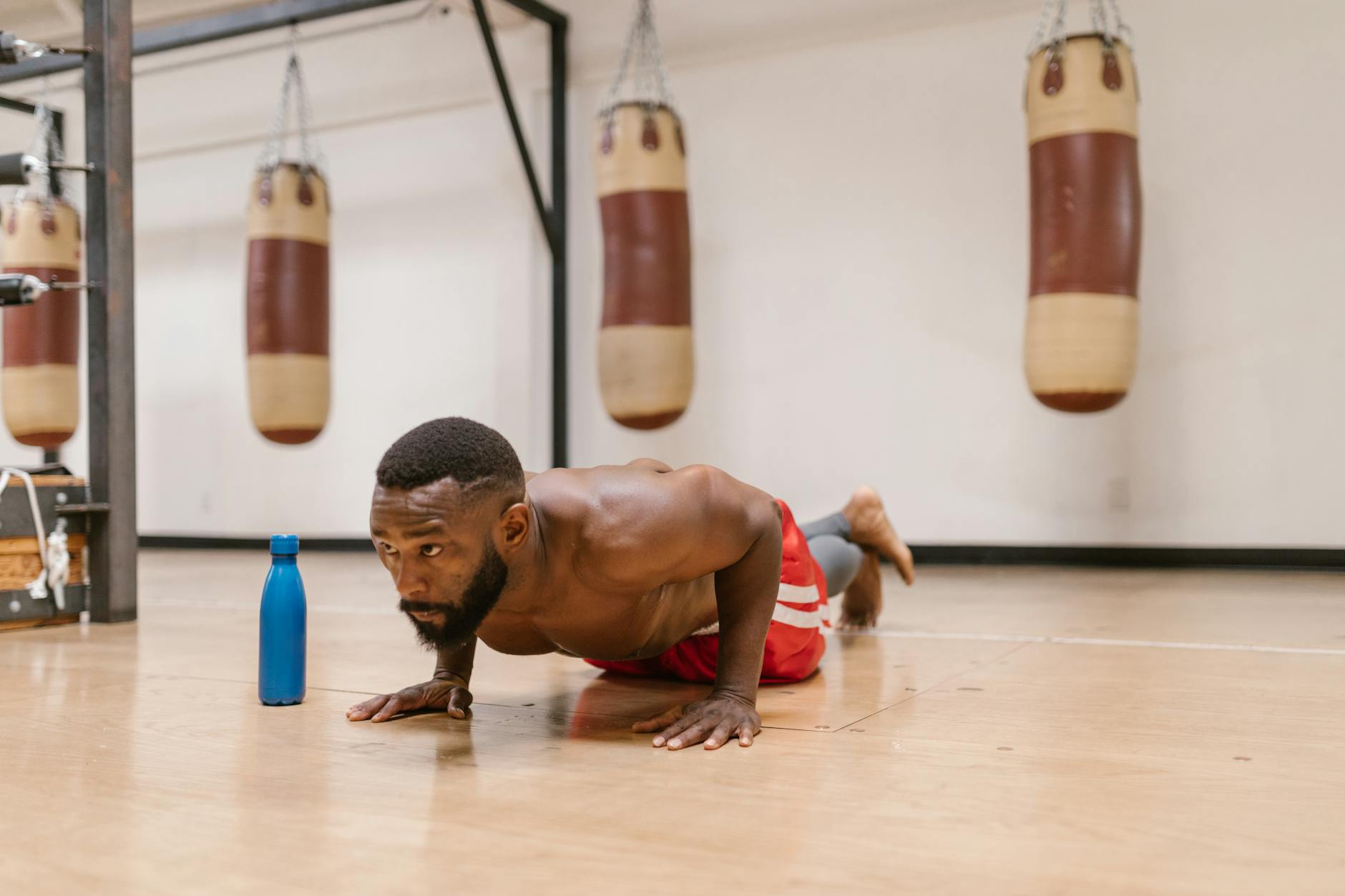
For the chest, shoulders, and triceps, push-ups are king. Start with standard push-ups, ensuring your body forms a straight line from head to heels and your chest nearly touches the floor. Once you can comfortably do 3 sets of 15-20 reps, progress to decline push-ups (feet elevated), pseudo planche push-ups (hands further back, leaning forward), or plyometric push-ups (exploding off the ground). The ultimate progression in this category is the one-arm push-up, requiring immense core and unilateral strength. For the back and biceps, pulling movements are crucial. If you have access to a sturdy horizontal bar (like a park pull-up bar or a doorframe pull-up bar), pull-ups and chin-ups are indispensable. Begin with Australian pull-ups (body rows) if full pull-ups are too challenging, gradually lowering the bar or elevating your feet to increase difficulty. For pull-ups, work towards increasing reps, then moving to L-sit pull-ups, and eventually one-arm pull-ups. If a bar isn't available, towel rows using a sturdy anchor can provide a similar stimulus.
Legs are often overlooked in bodyweight training, but they shouldn't be. Squats are foundational. Start with air squats, focusing on depth and keeping your chest up. Progress to jump squats for explosiveness, then Bulgarian split squats (one leg elevated behind you) for unilateral strength. The pistol squat, a single-leg squat with the non-working leg extended forward, is a true test of strength, balance, and mobility. Lunges, both forward and reverse, also target the legs and glutes effectively. For calves, calf raises can be done anywhere, progressing by performing them on one leg or holding a heavy object (like a backpack filled with books) for added resistance. Core strength is paramount for all movements and overall stability. Planks are an excellent starting point, progressing to side planks, dynamic planks (e.g., plank jacks, plank shoulder taps), and eventually L-sits or dragon flags. These exercises not only build a strong midsection but also support better performance in your other bodyweight movements. Remember, consistency in form and progressive difficulty are key. Integrate a variety of these movements into your routine, aiming for 3-5 sets of 8-20 repetitions, adjusting as needed to maintain challenge and stimulate growth. For more advanced techniques, explore our article on
advanced calisthenics training.
Optimizing Your Routine: Structure, Nutrition, and Recovery
 Photo: https://kaboompics.com/ / Pexels
Building muscle without weights isn't just about the exercises; it's a holistic approach that demands intelligent program design, meticulous nutrition, and adequate recovery. Without these pillars, even the most dedicated bodyweight warrior will struggle to see significant gains. Your training routine needs to be structured to provide sufficient stimulus without leading to overtraining, while your diet must supply the building blocks for muscle repair and growth, and recovery ensures your body has the time to rebuild stronger.
When structuring your workout routine, consider a full-body approach 3-4 times per week, or an upper/lower split if you prefer. A full-body routine might involve choosing 1-2 exercises for each major muscle group (chest, back, legs, core, shoulders/arms) and performing 3-4 sets of each. For example, a sample full-body workout could include: Push-ups (chest/triceps/shoulders), Pull-ups/Rows (back/biceps), Squats/Lunges (quads/glutes), and Plank variations (core). The key is to select exercises that allow for progressive overload. Ensure you are hitting each muscle group with enough volume (total sets and reps) to stimulate growth, typically aiming for 10-20 challenging sets per muscle group per week. Listen to your body and incorporate rest days when needed; active recovery (light walks, stretching) can also be beneficial.
Nutrition is arguably as important as training itself. To build muscle, you need to be in a caloric surplus, meaning you consume more calories than you burn. This provides the energy necessary for muscle repair and growth. Prioritize protein intake, aiming for roughly 0.7-1 gram of protein per pound of body weight per day. Protein provides the amino acids, the building blocks of muscle tissue. Good sources include lean meats, poultry, fish, eggs, dairy, legumes, and protein supplements. Carbohydrates are your body's primary energy source, fueling your workouts and replenishing glycogen stores. Opt for complex carbohydrates like whole grains, fruits, and vegetables. Healthy fats are crucial for hormone production and overall health; include sources like avocados, nuts, seeds, and olive oil. Hydration is also critical; drink plenty of water throughout the day.
Finally, recovery is where the magic happens. Muscles don't grow during your workout; they grow when you rest. Aim for 7-9 hours of quality sleep per night. During deep sleep, your body releases growth hormone, which is vital for muscle repair and synthesis. Insufficient sleep can impair recovery, reduce performance, and even lead to muscle loss. Incorporate active recovery days into your schedule, which might involve light cardio, stretching, or foam rolling to improve blood flow and reduce muscle soreness. Avoid overtraining by not working the same muscle groups intensely on consecutive days. A well-designed program will build in adequate rest between sessions for each muscle group. By meticulously planning your training, fueling your body correctly, and prioritizing recovery, you create the optimal environment for significant muscle growth, even without traditional weights.