Top Meal Prep Ideas for Busy Professionals
meal prep ideas for busy professionals

Top Meal Prep Ideas for Busy Professionals

Streamline your nutrition and fitness journey with practical, delicious, and time-efficient meal prep strategies tailored for your demanding schedule.

Start Prepping Today

Key Takeaways

  • ✓ Meal prepping can save busy professionals 5-10 hours per week.
  • ✓ Prepped meals often lead to better nutritional choices and improved fitness outcomes.
  • ✓ Batch cooking is a cornerstone of effective meal prepping.
  • ✓ Strategic grocery shopping is crucial for efficient meal prep.

How It Works

1
Plan Your Week

Dedicate 15-30 minutes to outline your meals and snacks for the upcoming week. Consider your schedule, dietary needs, and fitness goals.

2
Shop Smart

Create a detailed grocery list based on your meal plan to avoid impulse buys and ensure you have all necessary ingredients. Stick to the list to save time and money.

3
Batch Cook Components

Choose a dedicated meal prep day (e.g., Sunday) and focus on cooking individual components like grains, proteins, and roasted vegetables. This allows for versatile meal assembly throughout the week.

4
Assemble & Store

Portion out meals into airtight containers suitable for refrigeration or freezing. Label them clearly for easy identification and grab-and-go convenience.

The Ultimate Guide to Efficient Meal Prep for Fitness
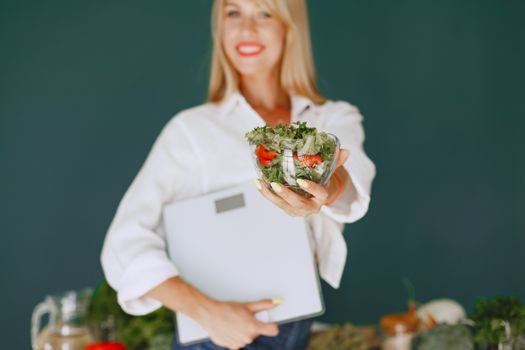
A woman with a vibrant smile offering a fresh salad bowl, promoting healthy eating. Photo: Gustavo Fring / Pexels
In today's fast-paced world, busy professionals often find themselves caught in a dilemma: the desire for a healthy, fit lifestyle versus the reality of demanding work schedules and limited free time. The good news? These two aspirations are not mutually exclusive. The solution lies in mastering the art of meal prepping. For many, the term 'meal prep' conjures images of endless hours in the kitchen, bland food, and repetitive meals. However, this couldn't be further from the truth. Modern meal prep, especially when tailored for busy professionals, is about strategic planning, efficient cooking, and creating delicious, nutritious meals that support your fitness goals without consuming your precious evenings or weekends. The core philosophy behind effective meal prep is to front-load your effort. Instead of cooking a new meal every single night, you consolidate your cooking into one or two dedicated sessions. This approach not only saves significant time during the work week but also dramatically reduces decision fatigue and the temptation to resort to unhealthy takeout options. Think about it: how often have you arrived home exhausted, only to stare into an empty fridge, leading to a quick call to a delivery service? Meal prepping eradicates this scenario, ensuring a wholesome, pre-portioned meal is always just moments away. This is particularly vital for those committed to a fitness regimen, as consistent, balanced nutrition is as crucial as the workouts themselves. Without proper fuel, your body cannot recover, build muscle, or sustain energy levels needed for peak performance. Beyond time-saving, meal prepping offers substantial financial benefits. Eating out, even for seemingly modest lunches, adds up quickly. By preparing your own meals, you gain complete control over ingredients, portion sizes, and ultimately, your budget. You can opt for bulk buying, utilize seasonal produce, and minimize food waste, all contributing to a healthier wallet. Furthermore, for busy professionals who travel frequently or have unpredictable schedules, having prepped meals means maintaining nutritional consistency regardless of external circumstances. It's about empowering yourself to make healthy choices, even when life gets hectic. This section will delve into the foundational principles of effective meal prep, setting the stage for specific strategies and recipes designed to fit seamlessly into your demanding professional life and support your fitness journey. Mastering these initial concepts is the first step towards transforming your relationship with food and reclaiming your time. Understanding the 'why' behind meal prep is just as important as the 'how.' It's not just about food; it's about optimizing your entire lifestyle to support your well-being. Learn more about integrating nutrition into your fitness plan.

Time-Saving Strategies and Go-To Recipes for Professionals
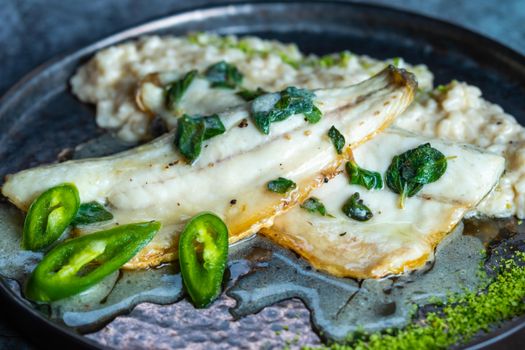
Appetizing pan-seared fish served with creamy risotto and fresh green peppers on a rustic plate. Photo: Anat Landa / Pexels
The biggest hurdle for busy professionals contemplating meal prep is often the perceived time commitment. However, with the right strategies, you can minimize your kitchen time while maximizing your yield of healthy meals. One highly effective approach is 'batch cooking components.' Instead of preparing entire dishes, focus on cooking individual ingredients in larger quantities. For example, roast a big tray of mixed vegetables (broccoli, bell peppers, zucchini), cook a large batch of a lean protein (chicken breast, ground turkey, lentils), and prepare a grain (quinoa, brown rice, farro). Once these core components are ready, you can mix and match them throughout the week to create diverse and exciting meals. This modular approach prevents flavor fatigue and ensures variety. Another invaluable strategy is utilizing kitchen appliances to their full potential. An Instant Pot or slow cooker can be a game-changer for hands-off cooking. Throw in ingredients for a chili, stew, or pulled chicken in the morning, and come home to a perfectly cooked meal component. Sheet pan meals are also a busy professional's best friend: simply toss protein and vegetables with seasoning on a single sheet pan and roast. Minimal cleanup, maximum flavor. Don't underestimate the power of freezing. Many prepped meals, like soups, stews, burritos, and even cooked grains, freeze beautifully. Prepare double batches of freezer-friendly items and store them for weeks when you anticipate an even busier schedule. Here are some go-to meal ideas that are perfect for busy professionals: * **Breakfast Burrito Bowls:** Cook a large batch of scrambled eggs, black beans, and salsa. Portion into containers with a side of avocado or pre-cooked sweet potato. Easily reheated or eaten cold. * **Quinoa & Chicken Salad Jars:** Layer dressing at the bottom, then hard vegetables (carrots, bell peppers), cooked quinoa, shredded chicken, and leafy greens on top. Stays fresh for days and looks appealing. * **Sheet Pan Lemon Herb Chicken & Veggies:** Chicken breast or thighs roasted with broccoli, asparagus, and bell peppers. Season with lemon, garlic, and your favorite herbs. Easy to portion out. * **Lentil Soup/Stew:** A hearty, protein-packed vegetarian option that freezes well. Make a large pot and enjoy throughout the week or freeze individual portions. * **Overnight Oats:** Prepare multiple jars with oats, milk (dairy or non-dairy), chia seeds, and your choice of fruit and nuts. Grab-and-go breakfast that requires no cooking in the morning. Remember, consistency is key. Start with prepping just a few meals or components, and gradually build up your repertoire as you become more comfortable. The goal is to make healthy eating an effortless part of your routine, not another chore. These strategies and recipe ideas are designed to be flexible, allowing you to adapt them to your taste preferences and dietary requirements, ensuring that your meal prep journey is both sustainable and enjoyable.

Optimizing Your Grocery List and Storage for Maximum Efficiency
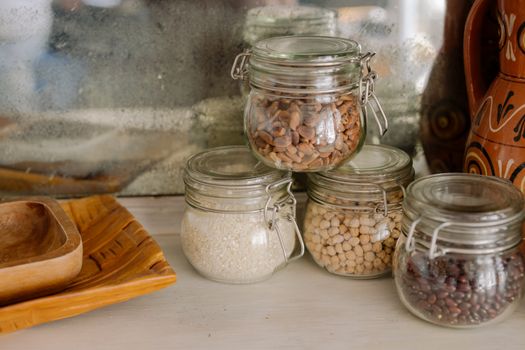
Elegant kitchen scene with glass jars of chickpeas, rice, and beans on a wooden counter. Photo: cottonbro studio / Pexels
Successful meal prepping begins long before you even step into the kitchen – it starts with a meticulously planned grocery list and smart shopping habits. For busy professionals, time spent wandering aisles aimlessly is time wasted. Before heading to the store, take stock of your pantry and refrigerator to avoid buying duplicates. Then, based on your weekly meal plan, create a detailed list, categorizing items by store section (produce, dairy, meat, dry goods). This streamlines your shopping trip, allowing you to get in and out quickly. Prioritize whole, unprocessed foods: lean proteins (chicken, fish, eggs, tofu, legumes), complex carbohydrates (quinoa, brown rice, sweet potatoes, whole-grain bread), and a wide array of colorful fruits and vegetables. Buying in bulk for staples like grains, nuts, and frozen vegetables can also be a significant time and cost saver, reducing the frequency of your grocery runs. When it comes to storage, the right containers are paramount. Invest in high-quality, airtight, BPA-free containers that are microwave-safe, dishwasher-safe, and preferably stackable. Glass containers are excellent for reheating and durability, while sturdy plastic containers can be lighter for transport. Consider different sizes to accommodate various portion sizes for main meals, snacks, and sides. Mason jars are fantastic for salads, overnight oats, and parfaits, keeping layers separate and fresh. Proper storage isn't just about convenience; it's about food safety and preserving freshness. Ensure cooked food cools completely before sealing and refrigerating to prevent condensation and bacterial growth. Labeling containers with the date and meal type is a simple yet effective practice, especially if you're freezing meals or preparing for multiple days. Another crucial aspect of efficiency is understanding how long different prepped foods last. Cooked proteins like chicken or fish are typically good for 3-4 days in the refrigerator, while grains and roasted vegetables can last up to 5 days. Soups and stews often improve in flavor over a few days. For longer storage, freezing is your best bet. Most cooked meals can be frozen for 2-3 months without significant loss of quality. When freezing, ensure meals are fully cooled, stored in freezer-safe containers with minimal air space, and thawed properly (preferably in the refrigerator overnight) before reheating. By mastering smart grocery shopping and efficient storage techniques, you transform meal prep from a daunting task into a seamless, integral part of your healthy, busy lifestyle. This deliberate approach not only saves time and money but also significantly reduces food waste and ensures you always have nourishing options readily available, empowering your fitness journey. Explore more about the role of macronutrients in your diet.

Common Meal Prep Mistakes and How to Avoid Them
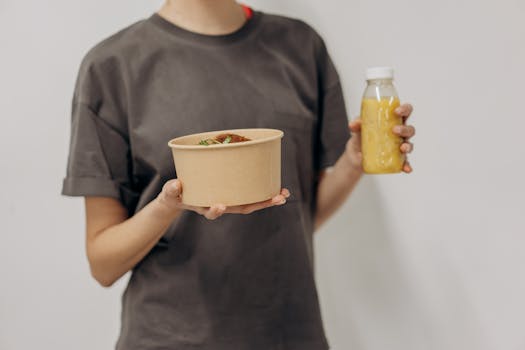
Faceless woman holding a rice bowl and juice bottle, representing healthy lifestyle and nutrition. Photo: Mikhail Nilov / Pexels
While meal prepping offers incredible benefits, it's easy to fall into common pitfalls that can derail your efforts. Being aware of these mistakes can help busy professionals navigate their meal prep journey more effectively and sustainably. **1. Over-Complicating Recipes:** Starting with overly complex or gourmet recipes is a surefire way to get overwhelmed and burnt out. Begin with simple, familiar dishes that require minimal ingredients and steps. Master the basics, then gradually introduce more intricate recipes as your confidence and efficiency grow. **2. Lack of Variety:** Eating the same meal day in and day out leads to flavor fatigue and can make you dread your prepped meals. Combat this by batch cooking components (as discussed earlier) that can be mixed and matched. Also, alternate your meal plans week by week to introduce new flavors and textures. Don't be afraid to experiment with different spices and herbs to keep things interesting. **3. Inadequate Storage:** Using flimsy containers or improperly storing food can lead to spoilage, waste, and even food safety issues. Invest in high-quality, airtight containers. Ensure food is cooled completely before sealing and refrigerating. Labeling is key for tracking freshness, especially when freezing. **4. Not Accounting for Snacks:** Many professionals focus solely on main meals but forget about snacks. Mid-morning and afternoon hunger pangs can lead to unhealthy choices. Prep healthy snacks like portioned nuts, fruit, vegetable sticks with hummus, or yogurt cups. This keeps energy levels stable and prevents impulsive unhealthy eating. **5. Unrealistic Expectations:** Don't expect to become a meal prep guru overnight. It's a learning process. Start small, perhaps prepping just your lunches for the week, and gradually expand as you get comfortable. Some weeks will be more successful than others, and that's perfectly fine. The goal is progress, not perfection. **6. Skipping the Planning Phase:** Diving into cooking without a clear plan for your meals and grocery list is a recipe for disaster. Dedicate 15-30 minutes each week to planning. This saves hours in the long run and prevents food waste. By avoiding these common mistakes, busy professionals can ensure their meal prep efforts are not only successful but also enjoyable and sustainable, truly supporting their fitness and lifestyle goals.

Comparison

FeatureDIY Meal PrepMeal Kit DeliveryPre-Made Meal Service
CostLowestMediumHighest
CustomizationHighestMediumLowest
Time Commitment (Prep)Medium-HighLow-MediumNone
Ingredient ControlHighestMediumLow
Dietary FlexibilityHighestMediumMedium

What Readers Say

"These meal prep ideas have been a lifesaver for my demanding work schedule. I used to rely on takeout, but now I have healthy, delicious meals ready to go, which has significantly improved my energy levels and fitness results."

Sarah J. · New York, NY

"As a busy executive, I struggled to eat healthy consistently. This guide's focus on batch cooking components changed everything. I can now prep all my proteins and veggies on Sunday and assemble varied meals throughout the week in minutes."

Mark T. · Los Angeles, CA

"I lost 10 pounds in two months just by consistently following these meal prep ideas. The clear instructions and focus on time-saving made it achievable even with my 60-hour work week. My fitness goals feel within reach now!"

Jessica L. · Chicago, IL

"Good strategies, especially the tips on grocery shopping and storage. Some recipes could use more spice variety, but the core principles are solid. It's definitely made a positive impact on my eating habits."

David R. · Houston, TX

"Even with two young kids and a full-time job, these meal prep ideas have helped me prioritize my own nutrition. The sheet pan meals are a weekly staple, and the overnight oats save my mornings. Highly recommend for any busy parent or professional!"

Emily S. · Seattle, WA

Frequently Asked Questions

What are the most time-efficient meal prep ideas for busy professionals?

The most time-efficient strategies involve batch cooking individual components like grains, proteins, and roasted vegetables, which can then be mixed and matched. Utilizing kitchen appliances like Instant Pots or slow cookers, and focusing on one-pan meals like sheet pan dinners, also dramatically reduces active cooking time.

How can I prevent my meal prepped food from getting boring?

To prevent boredom, focus on variety. Don't cook the exact same meal for every day of the week. Instead, prep versatile components and combine them in different ways. Experiment with various seasonings, sauces, and fresh herbs to change flavor profiles, and rotate your meal plan weekly or bi-weekly.

How long do meal prepped meals typically last in the fridge?

Most cooked meal prepped meals, especially those containing cooked protein, are safe and best consumed within 3-4 days when stored properly in airtight containers in the refrigerator. Grains and roasted vegetables can sometimes last up to 5 days. For longer storage, freezing is an excellent option.

Is meal prepping more expensive than eating out?

Generally, yes, meal prepping is significantly more cost-effective than regularly eating out or ordering takeout. By buying ingredients in bulk, utilizing sales, and controlling portion sizes, you can drastically reduce your food budget while simultaneously eating healthier and minimizing food waste.

How does meal prepping compare to meal kit delivery services?

DIY meal prepping offers the highest control over ingredients, customization, and cost, but requires more time for planning and cooking. Meal kit delivery services reduce planning and shopping time by providing pre-portioned ingredients and recipes, but are typically more expensive and offer less customization than full DIY prep.

Who should use meal prep ideas for busy professionals?

Anyone with a demanding schedule who wants to improve their diet, save time, reduce food expenses, and support their fitness goals will benefit from these meal prep ideas. It's particularly useful for those who struggle with consistent healthy eating due to time constraints or decision fatigue.

Are there any food safety concerns I should be aware of with meal prepping?

Yes, proper food safety is crucial. Always ensure food is cooked to safe temperatures, cooled quickly (within 2 hours) before refrigerating, and stored in airtight containers. Avoid cross-contamination between raw and cooked foods, and consume refrigerated meals within 3-4 days or freeze them promptly for longer storage.

What are some emerging trends in meal prepping for fitness?

Emerging trends include greater emphasis on plant-based meal prep, incorporating more diverse global flavors, and using smart kitchen gadgets for efficiency. There's also a growing focus on sustainable meal prep, reducing food waste, and personalized nutrition plans based on individual fitness metrics and dietary preferences.

Ready to transform your health and reclaim your valuable time? Implement these meal prep ideas for busy professionals today and experience the profound benefits of consistent, healthy eating. Your fitness goals and your schedule will thank you.

Topics: meal prep ideas for busy professionalshealthy meal preptime-saving meal solutionsfitness nutritionweekly meal planning
Leo List
Brampton weed
Adultwork EstrelaBet Vai de Bet R7 Bet Betão Galera Bet Rainbet Bet9ja Shop SportyBet BetKing Sisal Loto Foot Hollywoodbets YesPlay Odibets RushBet Jugabet BetWarrior BetCity MSport betPawa Fortebet