✓ Strength training boosts metabolism and aids in fat loss more effectively than cardio alone.
✓ It improves bone density, reducing the risk of osteoporosis, especially important for women.
✓ Lifting weights does not automatically make women 'bulky'; it sculpts and tones.
✓ Consistency and proper form are more crucial than heavy weights for beginners.
How It Works
1
Understand the 'Why'
Before lifting a single weight, identify your motivations. Whether it's for health, confidence, or physical strength, knowing your 'why' will fuel your journey.
2
Master the Basics & Form
Start with bodyweight exercises or very light weights to learn proper movement patterns. Correct form prevents injury and ensures muscles are effectively targeted.
3
Progress Systematically
Gradually increase the weight, repetitions, or sets as you get stronger. This progressive overload is key to continuous muscle adaptation and growth.
4
Prioritize Recovery & Nutrition
Muscles grow during rest, so ensure adequate sleep and incorporate rest days. Fuel your body with nutrient-dense foods, especially protein, to support muscle repair and energy.
Why Strength Training is a Game-Changer for Women's Health
Photo: RDNE Stock project / Pexels
For far too long, strength training has been misconstrued, particularly for women. Images of bulky bodybuilders or the fear of 'getting too big' have deterred countless women from embracing one of the most transformative forms of exercise. However, the tide is turning, and the scientific community, along with a growing number of empowered women, are championing the myriad benefits of lifting weights. This isn't just about aesthetics; it's about holistic health, longevity, and an unparalleled sense of empowerment. One of the most significant advantages for women is improved bone density. As women age, particularly after menopause, they face a higher risk of osteoporosis. Weight-bearing exercises, like strength training, stimulate bone formation, making bones stronger and denser. This acts as a crucial preventative measure against fractures and maintains skeletal integrity well into later life. Beyond bones, strength training is a metabolic powerhouse. Muscle tissue is metabolically active, meaning it burns more calories at rest than fat tissue. By increasing your muscle mass, you effectively turn your body into a more efficient fat-burning machine, even when you're not exercising. This contributes significantly to sustainable weight management and a healthier body composition. Forget the endless hours on the treadmill if your goal is fat loss; incorporating strength work will yield far more impactful and lasting results. Furthermore, strength training dramatically enhances functional strength. This refers to the strength you need for everyday activities – carrying groceries, lifting children, climbing stairs, or even just opening a stubborn jar. A stronger body makes these tasks feel easier, reduces the risk of injury from everyday movements, and improves overall quality of life. It’s about building a body that supports you in all your endeavors, making you more capable and independent. Many women also find that strength training profoundly impacts their mental well-being. The challenge, discipline, and visible progress foster a sense of accomplishment and self-efficacy. It's a powerful antidote to stress, releasing endorphins that improve mood and reduce symptoms of anxiety and depression. The gym becomes a sanctuary, a place to focus on personal growth and celebrate physical achievements. The psychological boost alone is reason enough to start. It’s not just about what your body can do, but how you feel about what your body can do. For a deeper dive into the broader benefits of physical activity, explore our guide on the importance of regular exercise. This foundation will set you up for success in your strength training journey, ensuring you understand the comprehensive impact of an active lifestyle. Embracing strength training means investing in a stronger, healthier, and more confident future, dispelling old myths and carving out a new path for female fitness.
Crafting Your First Strength Training Program: A Beginner's Blueprint
Photo: Towfiqu barbhuiya / Pexels
Embarking on your strength training journey requires a well-thought-out plan, especially as a beginner. The goal isn't to lift the heaviest weights immediately, but to build a solid foundation of proper form, muscle activation, and progressive overload. A full-body routine performed 2-3 times per week, with at least one rest day in between, is an excellent starting point. This frequency allows for adequate muscle recovery and adaptation, which is crucial for growth and preventing overtraining. When designing your program, focus on compound movements. These exercises work multiple muscle groups simultaneously, making your workouts more efficient and effective. Examples include squats, deadlifts (or Romanian deadlifts with lighter weight/bodyweight), lunges, push-ups (or incline push-ups), rows, and overhead presses. These movements mimic natural human movement patterns and build foundational strength that translates to everyday life. For each exercise, aim for 2-3 sets of 8-12 repetitions. The weight should be challenging enough that the last few reps feel difficult, but you should still be able to maintain good form. If you can easily complete 12 reps with perfect form, it's time to consider a slight increase in weight. Conversely, if you struggle to reach 8 reps with good form, decrease the weight. Always prioritize form over weight. Starting with bodyweight variations is highly recommended. For instance, begin with air squats before adding a barbell, or knee push-ups before attempting full push-ups. This allows your body to learn the movement patterns safely and effectively. Warm-up adequately before each session with 5-10 minutes of light cardio (like jogging in place or cycling) and dynamic stretches (arm circles, leg swings). Cool down with static stretches (holding a stretch for 20-30 seconds) to improve flexibility and aid recovery. Listen to your body and don't push through sharp pain. Some muscle soreness (DOMS - Delayed Onset Muscle Soreness) is normal, especially in the beginning, but sharp or persistent pain is a sign to stop and reassess. Consider using a fitness app or a journal to track your progress. Recording the exercises, sets, reps, and weights used will allow you to see your improvements, motivate you, and ensure you're applying progressive overload. This systematic approach is key to consistent gains. Remember, consistency is paramount. It’s better to have two consistent, well-executed workouts per week than sporadic, intense sessions that lead to burnout or injury. Building strength is a marathon, not a sprint, and every small step forward contributes to your long-term success. Embrace the process, celebrate small victories, and watch your body transform.
Navigating Nutrition, Recovery, and Common Myths in Your Journey
Photo: Mikhail Nilov / Pexels
Strength training is only one piece of the puzzle; proper nutrition and adequate recovery are equally vital for optimal results, especially for beginners. Your body needs the right fuel to perform, repair, and grow stronger. Protein is the cornerstone of muscle repair and growth. Aim to consume approximately 0.7-1 gram of protein per pound of body weight daily. Good sources include lean meats, poultry, fish, eggs, dairy, legumes, and protein supplements if needed. Carbohydrates provide the energy for your workouts and help replenish glycogen stores in your muscles. Don't shy away from complex carbs like whole grains, fruits, and vegetables. Healthy fats are essential for hormone production and overall health. Incorporate sources like avocados, nuts, seeds, and olive oil. Hydration is also critical; drink plenty of water throughout the day, especially before, during, and after your workouts. Recovery is where your muscles actually grow. Without sufficient rest, you risk overtraining, which can lead to fatigue, decreased performance, and increased injury risk. Aim for 7-9 hours of quality sleep per night. Incorporate active recovery days, which might include light cardio, stretching, or foam rolling, to improve blood flow and reduce muscle soreness. Rest days are not a sign of weakness; they are a strategic component of your training plan. Beyond the physical aspects, it's important to debunk some common myths about strength training for women. The most persistent myth is that lifting weights will make women bulky. This is largely untrue due to hormonal differences. Women have significantly lower levels of testosterone, the primary hormone responsible for large muscle growth, compared to men. Instead of bulk, women typically achieve a toned, sculpted physique. Another myth is that cardio is superior for fat loss. While cardio burns calories during the activity, strength training builds muscle, which boosts your metabolism 24/7, leading to more sustainable fat loss. Some beginners also believe they need to spend hours in the gym daily. This is incorrect. Effective strength training can be achieved in 30-60 minute sessions, 2-4 times a week. Quality over quantity is key. Finally, the idea that you're too old to start strength training is simply false. Studies show that individuals of all ages, including seniors, can significantly benefit from strength training, improving strength, balance, and bone density. It’s never too late to begin. For further insights into fueling your body effectively, explore our comprehensive guide on understanding macronutrients for fitness, which will provide a deeper understanding of how to tailor your diet to support your strength goals. By focusing on smart nutrition, prioritizing recovery, and dismissing outdated myths, you'll optimize your strength training journey and unlock your full potential.
Essential Tips for Success and Common Mistakes to Avoid
Photo: Andrea Piacquadio / Pexels
Starting strength training for the first time can feel overwhelming, but with the right approach, it can be an incredibly rewarding experience. Here are some essential tips to ensure your success and common mistakes to actively avoid:
**Essential Tips for Success:**
* **Start Small and Be Patient:** Don't try to lift too heavy too soon. Focus on mastering the movement patterns with light weights or even just your body weight. Progress will come with consistency, not with rushing.
* **Prioritize Form Over Weight:** This cannot be stressed enough. Incorrect form is the fastest way to injury and ineffective workouts. If you're unsure, watch videos, consult a trainer, or use mirrors to check your technique.
* **Track Your Progress:** Keep a log of your workouts – exercises performed, sets, reps, and weight used. This allows you to see your improvements, ensures you're applying progressive overload, and keeps you motivated.
* **Listen to Your Body:** Differentiate between muscle soreness (good) and joint pain (bad). If something hurts beyond typical muscle fatigue, stop and assess. Don't be afraid to take an extra rest day if needed.
* **Stay Hydrated:** Water is crucial for muscle function, nutrient transport, and overall health. Drink plenty throughout the day, not just during workouts.
* **Fuel Your Body Properly:** As discussed, adequate protein, complex carbs, and healthy fats are non-negotiable for recovery and growth. Your diet is as important as your training.
* **Consider a Coach (Initially):** Even a few sessions with a certified personal trainer can provide invaluable guidance on form, program design, and exercise selection, setting you up for long-term success.
* **Be Consistent:** Regularity trumps intensity. Stick to your schedule, even if some days you feel less motivated. Showing up is half the battle.
**Common Mistakes to Avoid:**
* **Ego Lifting:** Trying to lift weights that are too heavy just to impress others or yourself. This almost always leads to poor form and injury.
* **Skipping Warm-ups and Cool-downs:** These are vital for injury prevention, performance, and recovery. Don't treat them as optional.
* **Neglecting Compound Movements:** Focusing solely on isolation exercises (like bicep curls) while ignoring fundamental movements (like squats or deadlifts) limits overall strength and functional fitness.
* **Over-reliance on Machines:** While machines can be useful, free weights (dumbbells, barbells, kettlebells) engage more stabilizing muscles and offer a greater range of motion, translating to better functional strength.
* **Inconsistent Training:** Sporadic workouts yield sporadic results. For your body to adapt and grow stronger, it needs a consistent stimulus.
* **Ignoring Recovery:** Pushing yourself day after day without adequate rest and sleep will lead to burnout, decreased performance, and potential injury.
* **Comparing Yourself to Others:** Everyone's journey is unique. Focus on your own progress and celebrate your personal achievements rather than comparing yourself to advanced lifters or social media influencers.
* **Not Eating Enough Protein:** Many beginners, especially women, underestimate their protein needs. This can hinder muscle repair and growth, making progress slower than it should be.
By embracing these tips and consciously avoiding common pitfalls, you'll build a strong foundation for a sustainable and rewarding strength training journey. Enjoy the process of becoming stronger, healthier, and more empowered.
Comparison
Feature
Strength Training
Cardio (e.g., Running)
Yoga/Pilates
Primary Goal
Muscle Building, Strength, Bone Density
Cardiovascular Health, Endurance
Flexibility, Core Strength, Balance
Metabolic Boost (Resting)
High (due to muscle mass)
Low to Moderate
Low
Fat Loss Efficacy
High (boosts metabolism)
Moderate (burns calories during)
Low to Moderate
Bone Density Improvement
✓
✗ (less effective)
✗ (less effective)
Risk of Bulking for Women
Very Low (myth)
✗
✗
Equipment Needed
Weights, machines (optional)
Shoes, track/road
Mat (optional)
Injury Prevention
High (strengthens joints)
Moderate (can be high impact)
High (improves stability)
What Readers Say
★★★★★
"I was so intimidated by strength training, but this guide for beginners women made it accessible. I've gained so much confidence and feel stronger than ever before."
Sarah J. · Austin, TX
★★★★★
"As a beginner, I always thought cardio was enough. This article completely changed my perspective on strength training and its incredible benefits for women's health."
Maria P. · Miami, FL
★★★★★
"Following the advice here, I started lifting three months ago and have already increased my squat weight by 30 lbs! My clothes fit better, and my energy levels are through the roof."
Jessica L. · Denver, CO
★★★★★
"The information on form and progressive overload was really helpful, though I would have loved a few more specific beginner workout examples to get started immediately."
Emily R. · Seattle, WA
★★★★★
"I'm in my late 40s and was worried about bone density. This guide for strength training for beginners women gave me the courage to start, and I'm already feeling more stable and powerful."
Chloe B. · Boston, MA
Frequently Asked Questions
Will strength training make me bulky?
No, it's a common misconception. Women have significantly lower levels of testosterone compared to men, which is the primary hormone responsible for significant muscle bulk. Strength training for women typically leads to a toned, sculpted physique, increased strength, and improved body composition, not a bulky appearance.
I'm afraid of getting injured. How can I start safely?
Starting safely is paramount. Begin with bodyweight exercises to learn proper form, then gradually introduce light weights. Focus on mastering the movement before increasing the load. Consider hiring a certified personal trainer for a few sessions to teach you the correct technique and create a safe beginner program. Always listen to your body and don't push through pain.
How often should I strength train as a beginner?
For beginners, 2-3 full-body strength training sessions per week are ideal. This frequency allows for adequate muscle recovery and adaptation between workouts. Ensure you have at least one rest day between sessions to prevent overtraining and promote muscle growth.
Do I need a gym membership to start strength training?
Not necessarily! You can start an effective strength training program at home using just your body weight. As you progress, you might want to invest in resistance bands, dumbbells, or kettlebells. A gym offers a wider range of equipment, but it's not a prerequisite for beginning your journey.
Is strength training better than cardio for fat loss?
Both cardio and strength training are beneficial, but strength training has a unique advantage for fat loss. While cardio burns calories during the activity, strength training builds muscle mass. Muscle tissue is metabolically active, meaning it burns more calories at rest than fat tissue, leading to an increased resting metabolism and more sustainable fat loss over time.
Who should consider strength training for beginners women?
Any woman looking to improve their overall health, body composition, bone density, functional strength, and confidence should consider strength training. It's beneficial for all ages and fitness levels, from young adults to seniors, and can be adapted to suit individual needs and goals.
What are the common mistakes beginners make?
Common mistakes include prioritizing heavy weights over proper form, skipping warm-ups and cool-downs, neglecting compound movements, inconsistent training, and not prioritizing recovery and nutrition. Avoiding these pitfalls is crucial for long-term success and injury prevention.
What are the long-term benefits of consistent strength training?
Consistent strength training offers numerous long-term benefits, including sustained fat loss, increased muscle mass and strength, improved bone density (reducing osteoporosis risk), better posture, reduced risk of chronic diseases, enhanced mood and mental well-being, and greater functional independence as you age.
Ready to transform your body, boost your confidence, and embrace a stronger, healthier you? Start your strength training for beginners women journey today with the insights and guidance provided. Your path to empowerment begins now.

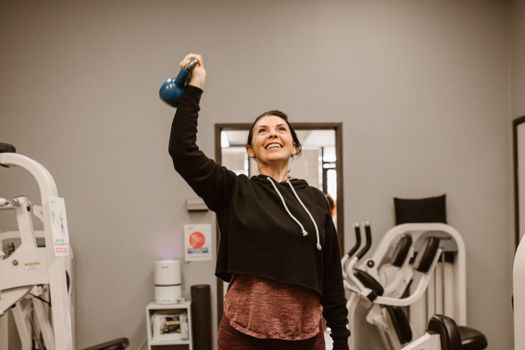 Photo: RDNE Stock project / Pexels
 Photo: Towfiqu barbhuiya / Pexels
 Photo: Mikhail Nilov / Pexels
 Photo: Andrea Piacquadio / Pexels