What Are the Benefits of Yoga? Transform Your Health
benefits of yoga

What Are the Benefits of Yoga? Transform Your Health

Unlock a holistic path to improved physical strength, mental clarity, and emotional balance through the ancient practice of yoga.

Start Your Yoga Journey

Key Takeaways

  • ✓ Yoga significantly reduces stress and anxiety levels.
  • ✓ Regular yoga practice improves flexibility, balance, and strength.
  • ✓ It enhances cardiovascular health and boosts immunity.
  • ✓ Yoga can improve sleep quality and promote mental clarity.

How It Works

1
Understand the Foundations

Begin by learning about the core principles of yoga, including asanas (postures), pranayama (breathing techniques), and dhyana (meditation). This foundational knowledge sets the stage for a meaningful practice.

2
Choose Your Style

Explore various yoga styles like Hatha, Vinyasa, or Restorative to find one that aligns with your current fitness level and personal goals. Each style offers unique benefits and approaches to the practice.

3
Start with Guidance

Attend beginner classes or follow reputable online tutorials to ensure proper form and prevent injury. A qualified instructor can provide personalized adjustments and deeper insights into each pose.

4
Practice Consistently

Integrate yoga into your routine, even if it's just for short sessions a few times a week. Consistency is key to experiencing the cumulative physical and mental benefits over time.

Unlocking Physical Prowess: The Tangible Benefits of Yoga for Your Body
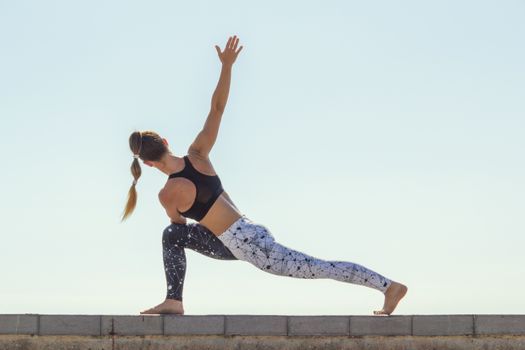
Woman in activewear performing a yoga pose outdoors, showcasing flexibility and a healthy lifestyle. Photo: Istvan Szabo / Pexels
When people ask, "what are the benefits of yoga?" the immediate thoughts often gravitate towards physical improvements. And for good reason. Yoga is a powerful tool for enhancing almost every aspect of your physical health, from the tips of your toes to the crown of your head. It's not just about touching your toes; it's about building a resilient, flexible, and strong body that serves you well in daily life. One of the most widely recognized physical benefits is the dramatic improvement in flexibility. Through a series of carefully designed poses, yoga gently stretches muscles and connective tissues, increasing your range of motion in joints. This isn't just about being able to do impressive splits; it translates to easier movement, reduced stiffness, and a lower risk of injury in everyday activities. Think about reaching for something on a high shelf, bending down to tie your shoes, or even turning your head to check your blind spot while driving – enhanced flexibility makes these actions smoother and pain-free. Over time, consistent practice can even help to alleviate chronic pain associated with conditions like arthritis or back issues, as it strengthens the supporting muscles around joints and encourages better alignment. Beyond flexibility, yoga is an exceptional way to build functional strength. Unlike traditional weightlifting that often isolates muscle groups, many yoga poses engage multiple muscles simultaneously, promoting balanced strength throughout the body. Holding poses like Plank, Warrior II, or Chair Pose requires significant muscular endurance and stability. This holistic approach to strength training helps to develop core strength, which is fundamental for good posture, preventing back pain, and supporting all movements. Furthermore, the isometric contractions involved in holding poses build lean muscle mass without the bulk, contributing to a toned physique and improved metabolism. This functional strength is directly transferable to other physical activities, making you a more capable and less injury-prone individual in sports and daily life. Balance is another cornerstone of physical well-being that yoga profoundly impacts. Poses like Tree Pose, Eagle Pose, and Half Moon Pose challenge your proprioception – your body's awareness of its position in space. By regularly practicing these balancing acts, you train your nervous system and strengthen the small stabilizing muscles in your ankles, knees, and hips. Improved balance is crucial for preventing falls, especially as we age, and it enhances coordination, making you more agile and graceful. For athletes, better balance can lead to improved performance and reduced risk of sprains and strains. The mental focus required to maintain balance also spills over into other areas of life, fostering greater concentration and presence. The synergy between physical strength, flexibility, and balance created by yoga cultivates a body that moves with greater ease, efficiency, and resilience, truly transforming your physical capabilities. Explore more fitness benefits that complement a yoga practice for a truly holistic approach to health.

Cultivating Inner Calm: The Profound Mental and Emotional Benefits of Yoga
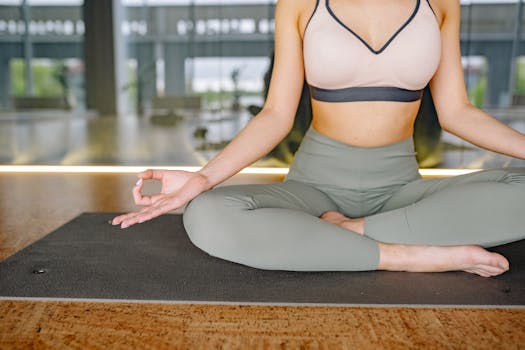
Young woman meditating in a serene indoor yoga studio, focusing on relaxation and wellness. Photo: Yan Krukau / Pexels
While the physical transformations are often the most visible, the mental and emotional benefits of yoga are arguably even more profound and life-changing. In our fast-paced, high-stress world, finding moments of peace and clarity can feel like a luxury. Yoga offers a consistent, accessible pathway to cultivate inner calm, reduce stress, and enhance overall mental well-being. This ancient practice is a powerful antidote to the anxieties of modern life, providing tools to navigate challenges with greater resilience and a more positive outlook. One of the most significant mental benefits is stress reduction. Yoga integrates physical postures with controlled breathing (pranayama) and meditation, which collectively activate the parasympathetic nervous system – the body's 'rest and digest' response. This counteracts the 'fight or flight' response triggered by chronic stress, leading to a decrease in cortisol levels, the primary stress hormone. Regular practice helps to quiet the incessant chatter of the mind, allowing for moments of stillness and peace. This reduction in stress isn't just a fleeting feeling; it has long-term positive effects on your physical health, including lower blood pressure, improved digestion, and a stronger immune system. Many practitioners report a greater sense of calm and equanimity in their daily lives, finding themselves less reactive to stressful situations. Beyond stress reduction, yoga is a potent tool for improving mood and combating symptoms of depression and anxiety. The combination of physical activity, mindful breathing, and meditation releases endorphins, natural mood elevators. Furthermore, the focus on present-moment awareness helps to break cycles of negative thought patterns and rumination, which are common in anxiety and depression. By encouraging self-compassion and non-judgment, yoga fosters a more positive self-image and a greater sense of connection with oneself. Studies have shown that consistent yoga practice can be as effective as some forms of psychotherapy in managing mild to moderate symptoms of these conditions, offering a natural and empowering approach to mental health. Improved focus and concentration are also hallmarks of a regular yoga practice. The intricate balance required in many poses, coupled with the emphasis on breath awareness, trains the mind to stay present and attentive. This enhanced ability to concentrate extends beyond the yoga mat, benefiting your work, studies, and personal interactions. You may find yourself more productive, less distracted, and better able to absorb and process information. The meditative aspects of yoga, even in dynamic styles, cultivate a sense of mindfulness that allows you to observe your thoughts and feelings without getting swept away by them, leading to greater emotional regulation and mental clarity. This holistic approach to mind and body truly distinguishes what are the benefits of yoga from other forms of exercise, offering a comprehensive path to inner peace and mental resilience.

For more options, check out MJ420.

Holistic Health: Beyond the Mat – What Are the Benefits of Yoga for Overall Well-being?

Young woman enjoying a healthy salad after exercising indoors. Promotes a balanced diet and fitness lifestyle. Photo: Mikhail Nilov / Pexels
The discussion of what are the benefits of yoga often centers on the immediate physical and mental shifts, but its true power lies in its capacity to foster holistic well-being. Yoga is not merely a set of exercises; it's a lifestyle, a philosophy that encourages a deeper connection between mind, body, and spirit. This integrated approach leads to a cascade of positive effects that extend far beyond the yoga studio, influencing everything from your sleep patterns to your social interactions and even your immune system. One of the less obvious but incredibly significant benefits is the improvement in sleep quality. In an era where sleep deprivation is rampant, yoga offers a natural remedy. By calming the nervous system, reducing stress, and releasing physical tension, yoga prepares the body and mind for restorative sleep. Gentle evening practices, restorative poses, and guided meditations can significantly reduce the time it takes to fall asleep and improve the depth and duration of sleep. Better sleep, in turn, has a ripple effect on overall health, boosting mood, enhancing cognitive function, and strengthening the immune system. When your body is well-rested, it's better equipped to repair itself, fight off illness, and operate at its peak. Yoga also plays a crucial role in enhancing cardiovascular health. While not typically considered a high-intensity cardio workout, dynamic yoga styles like Vinyasa can elevate heart rate and improve circulation. More importantly, the stress-reducing aspects of yoga directly impact heart health by lowering blood pressure and reducing the risk of heart disease. The deep breathing techniques (pranayama) increase oxygen intake and improve lung capacity, further supporting a healthy circulatory system. A stronger, more efficient heart and healthier blood vessels contribute to overall vitality and longevity, making yoga a valuable component of a heart-healthy lifestyle. Combine yoga with other cardio exercises for maximum heart health benefits. Furthermore, yoga can boost your immune system. Chronic stress is a known suppressor of immune function, making you more susceptible to illness. By effectively managing stress, yoga helps to keep your immune system robust and ready to defend against pathogens. The physical movements also stimulate the lymphatic system, which is crucial for removing toxins from the body and transporting immune cells. A well-functioning immune system means fewer sick days, faster recovery from illness, and a greater sense of resilience. The mindfulness cultivated through yoga also encourages healthier lifestyle choices, such as better nutrition and reduced reliance on unhealthy coping mechanisms, further contributing to a strong immune response. This comprehensive impact on internal systems underscores how yoga truly nurtures the entire individual, fostering a state of optimal health and vitality that permeates every aspect of life.

Practical Tips for Maximizing Your Yoga Journey

Roll of violet yoga mat with transparent plastic bottle of water on blurred background Photo: Anete Lusina / Pexels
To fully embrace what are the benefits of yoga, it's essential to approach your practice strategically and mindfully. Here are some practical tips to help you get the most out of your yoga journey, whether you're a complete beginner or looking to deepen an existing practice. **1. Start Slowly and Listen to Your Body:** * **Tip:** Don't push yourself too hard, especially when starting. Yoga is not about competition or achieving perfect poses immediately. Focus on proper alignment and feeling the stretch, not on how far you can go. * **Benefit:** Prevents injury, builds a strong foundation, and fosters a sustainable practice. Your body will gradually open up over time. **2. Find the Right Style and Instructor:** * **Tip:** Experiment with different yoga styles (Hatha, Vinyasa, Restorative, Yin, Ashtanga) and teachers. Each offers a unique experience. A good instructor provides clear cues, modifications, and a supportive environment. * **Benefit:** Ensures you find a practice that resonates with your goals, body type, and energy levels, making it more enjoyable and effective. **3. Prioritize Consistency Over Intensity:** * **Tip:** Even short, regular sessions (15-30 minutes, 3-4 times a week) are more beneficial than sporadic, intense workouts. Consistency builds muscle memory, flexibility, and mental discipline. * **Benefit:** Allows your body and mind to adapt gradually, leading to cumulative benefits in strength, flexibility, and stress reduction. **4. Focus on Your Breath (Pranayama):** * **Tip:** The breath is the cornerstone of yoga. Pay close attention to your inhalations and exhalations, using them to guide your movements and deepen your poses. Deep, conscious breathing calms the nervous system. * **Benefit:** Enhances mental clarity, reduces stress, and improves the flow of energy (prana) throughout your body, deepening the meditative aspect of your practice. **5. Incorporate Meditation and Mindfulness:** * **Tip:** Don't skip Savasana (Corpse Pose) at the end of your practice. It's a crucial time for integration and relaxation. Consider adding a few minutes of seated meditation before or after your asana practice. * **Benefit:** Cultivates present-moment awareness, reduces anxiety, and allows the body to fully absorb the physical and mental benefits of the practice. **6. Stay Hydrated and Nourished:** * **Tip:** Drink plenty of water before and after your practice. Fuel your body with nutritious foods to support your energy levels and muscle recovery. * **Benefit:** Optimizes physical performance, aids in detoxification, and supports overall well-being, enhancing your ability to practice effectively. By integrating these tips, you can transform your yoga practice into a powerful tool for holistic health, truly experiencing the full spectrum of what are the benefits of yoga.

Comparison

Benefit CategoryYogaTraditional WeightliftingHigh-Intensity Interval Training (HIIT)
Flexibility & MobilityExcellentModerateLow
Strength BuildingBalanced, FunctionalHigh, TargetedModerate
Stress ReductionExcellentModerateModerate
Mental Clarity/FocusExcellentLowModerate
Cardiovascular HealthGood (low impact)Good (some forms)Excellent (high impact)
Injury PreventionHighModerateModerate
Mind-Body ConnectionStrongWeakWeak

What Readers Say

"I started yoga to help with chronic back pain, and the transformation has been incredible. I now understand what are the benefits of yoga for flexibility and strength, and my pain is significantly reduced. It's been a game-changer!"

Sarah J. · Austin, TX

"As a busy professional, I was constantly stressed. Yoga has become my sanctuary. The mental clarity and stress relief are profound; I feel more centered and productive throughout my day. Truly amazing what are the benefits of yoga."

Mark T. · Denver, CO

"After 6 months of consistent practice, I've lost 10 pounds, gained incredible core strength, and my sleep has never been better. I used to struggle with insomnia, but now I fall asleep easily and wake up refreshed. These are the real what are the benefits of yoga!"

Emily R. · Miami, FL

"I was skeptical at first, thinking yoga was just stretching. While it's not as intense as my usual workouts, I've noticed a significant improvement in my balance and a surprising reduction in my overall anxiety. It's a great complement to my fitness routine."

David L. · Seattle, WA

"Being a new mom, finding time for myself is hard. Even short yoga sessions help me reconnect with my body and calm my mind. The breathing techniques have been invaluable for managing daily stresses. I truly appreciate what are the benefits of yoga for my well-being."

Jessica M. · Chicago, IL

Frequently Asked Questions

What is the single most important benefit of yoga?

While individual experiences vary, many practitioners and experts agree that the most profound benefit of yoga is its ability to foster a strong mind-body connection. This integration leads to improved physical health, enhanced mental clarity, and greater emotional resilience, creating a holistic sense of well-being that impacts all aspects of life.

Is yoga only for flexible people?

Absolutely not! This is a common misconception. Yoga is for everyone, regardless of current flexibility. In fact, if you're not very flexible, you have even more to gain. Yoga helps you gradually and safely increase your range of motion over time. There are many modifications for poses to accommodate all body types and flexibility levels.

How often should I practice yoga to see benefits?

Consistency is more important than intensity. Aim for at least 2-3 times per week to start seeing noticeable benefits in flexibility, strength, and stress reduction. Even short, 15-30 minute sessions can be highly effective. Daily practice, even for a few minutes, can deepen your connection and accelerate results.

Is yoga an expensive hobby?

Yoga can be as affordable or as expensive as you make it. While studio memberships can be an investment, there are countless free resources available online, including YouTube videos and apps. You only truly need a mat, which is a one-time purchase, making it a very accessible practice for any budget.

How does yoga compare to stretching or other exercises?

While yoga includes stretching, it's much more comprehensive. It combines physical postures (asanas) with breathing techniques (pranayama) and meditation, creating a holistic practice that addresses physical, mental, and emotional well-being. Other exercises might focus on one aspect, but yoga integrates them all for a deeper, more profound impact.

Who should consider practicing yoga?

Yoga is beneficial for almost everyone! It's particularly recommended for individuals seeking to reduce stress, improve flexibility and strength, manage chronic pain, enhance mental clarity, or simply cultivate a deeper connection with their body and mind. Athletes, office workers, seniors, and even children can find immense value in a tailored yoga practice.

Are there any risks or downsides to practicing yoga?

When practiced correctly and mindfully, yoga is generally very safe. The main risk is injury from improper form or pushing too hard. It's crucial to listen to your body, use modifications when needed, and ideally learn from a qualified instructor, especially when starting. Individuals with specific health conditions should consult their doctor before beginning.

What are the emerging trends in yoga practice?

Emerging trends include more specialized yoga for specific populations (e.g., prenatal, senior, trauma-informed yoga), integration with technology (online classes, VR yoga), and a growing emphasis on restorative and contemplative practices to combat modern stress. There's also a rising interest in understanding the scientific backing behind yoga's benefits.

Ready to experience the transformative power of yoga for yourself? Begin your journey today to unlock a healthier, happier, and more balanced life. Discover firsthand what are the benefits of yoga and how it can profoundly enhance your overall well-being.

Topics: benefits of yogayoga for healthyoga practicemind-body connection
Leo List

DK Escorts LU Escorts AT Escorts SE Escorts FI Escorts CH Escorts DE Escorts HR Escorts IE Escorts GR Escorts CZ Escorts NO Escorts BE Escorts FR Escorts SI Escorts IL Escorts NL Escorts PL Escorts HU Escorts ES Escorts IT Escorts PT Escorts SK Escorts RO Escorts ZA Escorts UY Escorts US Escorts UK Escorts NZ Escorts AU Escorts
Brampton weed
Adultwork EstrelaBet Vai de Bet R7 Bet Betão Galera Bet Rainbet Bet9ja Shop SportyBet BetKing Sisal Loto Foot Hollywoodbets YesPlay Odibets RushBet Jugabet BetWarrior BetCity MSport betPawa Fortebet