✓ HIIT stands for High-Intensity Interval Training, characterized by short bursts of intense exercise followed by brief recovery periods.
✓ It's highly effective for improving cardiovascular fitness and burning calories in less time than traditional cardio.
✓ HIIT can significantly boost your metabolic rate for hours post-workout, known as the EPOC effect.
✓ Suitable for various fitness levels, HIIT can be adapted using different exercises and intensity levels.
How It Works
1
Warm-Up Properly
Begin with 5-10 minutes of light cardio and dynamic stretches. This prepares your muscles and cardiovascular system for the intense work ahead, reducing injury risk.
2
Execute High-Intensity Bursts
Perform an exercise at maximum effort for a short period (e.g., 20-60 seconds). This pushes your body to its anaerobic threshold, building strength and endurance.
3
Engage in Recovery Periods
Follow each high-intensity burst with a brief period of low-intensity activity or complete rest. This allows partial recovery, preparing you for the next intense interval.
4
Cool Down and Stretch
Conclude your session with 5-10 minutes of light cardio and static stretches. This aids in muscle recovery and flexibility, preventing post-workout stiffness.
Unpacking the Core Benefits: What is HIIT Training Good For?
Photo: Mateo Franciosi / Pexels
High-Intensity Interval Training, or HIIT, has exploded in popularity, and for good reason. It's a time-efficient, incredibly effective workout methodology that delivers a punch far beyond its short duration. When people ask, "what is HIIT training good for?" the answer is a comprehensive list of physiological advantages that appeal to a wide range of fitness enthusiasts, from beginners looking to kickstart their journey to seasoned athletes aiming to break plateaus. At its heart, HIIT involves alternating between short periods of maximum effort exercise and even shorter periods of rest or low-intensity recovery. This cyclical pattern is what makes it so potent. One of the most compelling benefits is its unparalleled ability to improve cardiovascular health. Unlike steady-state cardio, which primarily trains your aerobic system, HIIT challenges both your aerobic and anaerobic systems. This dual benefit means you'll not only enhance your endurance but also your body's ability to perform under extreme stress, improving your VO2 max (the maximum amount of oxygen your body can use during intense exercise) more efficiently. Studies have consistently shown that even short bursts of HIIT can lead to significant improvements in cardiorespiratory fitness, sometimes surpassing the gains seen from much longer, moderate-intensity workouts. This makes it an ideal choice for those with limited time but high fitness aspirations. Furthermore, HIIT is a phenomenal fat burner. While you might not burn as many calories during a 20-minute HIIT session as you would in a 60-minute steady-state run, the magic of HIIT lies in its afterburn effect, scientifically known as Excess Post-exercise Oxygen Consumption (EPOC). After a high-intensity workout, your body continues to consume oxygen at an elevated rate to restore itself to its pre-exercise state. This process requires energy, meaning you continue to burn calories at a higher rate for hours, sometimes even up to 24 hours, after your workout is complete. This sustained metabolic boost is a key reason why HIIT is so effective for fat loss, even when total workout duration is shorter. Beyond fat loss, HIIT is also excellent for muscle preservation and even growth. The intense nature of the exercises, especially when incorporating bodyweight or resistance movements, signals to your body that it needs to maintain or build muscle mass to handle such demands. This is particularly beneficial during a caloric deficit, where traditional cardio can sometimes lead to muscle loss alongside fat loss. With HIIT, you're more likely to shed fat while preserving or even increasing lean muscle, contributing to a more toned and athletic physique. The psychological benefits are also significant. The feeling of pushing your limits, even for short intervals, can be incredibly empowering and stress-relieving. The sense of accomplishment after a challenging HIIT session can boost mood and confidence, making it easier to stick to your fitness routine. For more on structuring effective workouts, check out our guide on effective fitness routines. Finally, the sheer variety available within HIIT makes it incredibly versatile. You can perform HIIT with almost any exercise: running, cycling, swimming, jumping jacks, burpees, battle ropes, or even dancing. This adaptability prevents boredom and allows you to tailor workouts to your preferences and available equipment, making it a sustainable choice for long-term fitness.
Optimizing Your Metabolism and Time: Why HIIT Excels
Photo: MART PRODUCTION / Pexels
The modern world demands efficiency, and when it comes to fitness, HIIT delivers precisely that. One of the most frequently cited reasons for its soaring popularity is its incredible time-saving aspect. In a world where busy schedules often derail fitness goals, HIIT offers a powerful solution, allowing individuals to achieve significant fitness gains in sessions as short as 15-30 minutes, including warm-up and cool-down. This condensed workout duration makes it far more accessible for people who struggle to carve out an hour or more for traditional exercise. But the benefits extend far beyond just saving time; HIIT is a powerhouse for metabolic optimization. As previously mentioned, the EPOC effect is a game-changer for calorie expenditure. When you engage in high-intensity intervals, your body incurs an oxygen deficit. After the workout, your body works hard to repay this debt, consuming extra oxygen to restore ATP (adenosine triphosphate) and creatine phosphate, clear lactate, and return body temperature, heart rate, and breathing to pre-exercise levels. This extended metabolic elevation means you're burning more calories and fat even while at rest, turning your body into a more efficient calorie-burning machine long after you've finished sweating. This prolonged metabolic boost is a key differentiator from steady-state cardio, which typically only burns calories during the actual exercise session. Beyond fat burning, HIIT has been shown to improve insulin sensitivity, a crucial factor in preventing and managing type 2 diabetes. Regular high-intensity exercise helps your cells become more responsive to insulin, allowing them to better absorb glucose from your bloodstream for energy. This not only aids in blood sugar control but also contributes to overall metabolic health. Improved insulin sensitivity means your body is more efficient at utilizing carbohydrates for fuel, rather than storing them as fat, which is a significant advantage for body composition and long-term health. Moreover, HIIT can help reduce visceral fat, the dangerous type of fat that surrounds your organs and is linked to numerous health problems. While all exercise can help reduce visceral fat, the intense nature of HIIT appears to be particularly effective in targeting this stubborn fat, offering profound benefits for cardiovascular health and reducing the risk of metabolic syndrome. The hormonal response to HIIT is another critical aspect of its effectiveness. During high-intensity exercise, your body releases a cocktail of beneficial hormones, including growth hormone and catecholamines (like adrenaline and noradrenaline). Growth hormone plays a vital role in fat metabolism and muscle growth, while catecholamines help mobilize fat stores to be used for energy. This hormonal environment is highly conducive to both fat loss and muscle development, creating an ideal internal state for body recomposition. The mental fortitude developed through HIIT is also invaluable. Consistently pushing yourself through challenging intervals builds resilience, discipline, and mental toughness that can translate into other areas of your life. The ability to overcome discomfort and commit to short bursts of intense effort fosters a sense of achievement and self-efficacy, making you feel stronger not just physically, but mentally too. This psychological strength is often overlooked but is a profound benefit of embracing the HIIT methodology.
Building Endurance and Strength: The Physical Transformation
Photo: Andrea Piacquadio / Pexels
Beyond its metabolic and time-saving advantages, what is HIIT training good for in terms of raw physical transformation? The answer lies in its unique ability to simultaneously build both endurance and strength, leading to a more robust, resilient, and capable body. Traditional training often segregates these two goals, requiring separate sessions for cardio and strength. HIIT, however, cleverly integrates them, offering a holistic approach to fitness that optimizes both components. When it comes to endurance, HIIT significantly improves your anaerobic capacity. This refers to your body's ability to produce energy without oxygen, which is crucial for short, powerful bursts of activity. By repeatedly pushing your body into this anaerobic zone during the high-intensity intervals, you train your body to become more efficient at it. This means you’ll be able to sprint faster, climb stairs with less effort, and perform daily tasks requiring sudden bursts of energy with greater ease. Your lactic acid threshold also improves, meaning your muscles can tolerate higher levels of lactic acid build-up before fatigue sets in, allowing you to sustain intense efforts for longer. This directly translates to better performance in sports and everyday activities alike. Simultaneously, HIIT is a powerful tool for building functional strength. Many HIIT exercises, especially those using bodyweight like squats, lunges, push-ups, burpees, and planks, engage multiple muscle groups at once. Performing these movements with high intensity and minimal rest challenges your muscles in a way that promotes strength gains. The rapid shifts between intense effort and recovery also improve muscular power and explosiveness. While it might not build the same bulk as dedicated heavy weightlifting, HIIT is highly effective for developing lean muscle mass and improving overall muscular endurance. This combination of strength and endurance leads to a more functionally fit body, one that is better equipped to handle the physical demands of life. Furthermore, HIIT training can improve bone density. The high-impact nature of many HIIT exercises, such as jumping, running, and plyometrics, places stress on your bones, stimulating them to become stronger and denser. This is particularly important for long-term health, helping to prevent osteoporosis and maintain skeletal integrity as you age. Improved bone density reduces the risk of fractures and contributes to a healthier, more active life. The rapid changes in heart rate and breathing during HIIT also strengthen your heart muscle itself. Like any other muscle, the heart adapts to the demands placed upon it. The intense fluctuations in effort during HIIT act as a potent stimulus, making your heart more efficient at pumping blood and oxygen throughout your body. This leads to a lower resting heart rate and improved cardiovascular efficiency, reducing the risk of heart disease and promoting overall heart health. For a deeper dive into optimizing your physical capabilities, consider exploring resources on advanced fitness techniques. Finally, the psychological aspect of pushing through tough intervals contributes to mental resilience. Learning to embrace discomfort for short periods translates into greater mental toughness, which can benefit all areas of life, not just the gym. The sense of achievement after completing a challenging HIIT workout is a powerful motivator, reinforcing positive habits and making fitness a more enjoyable and sustainable journey.
Practical Tips and Common Mistakes to Avoid in HIIT
Photo: Burst / Pexels
While the question "what is HIIT training good for?" has a resounding positive answer, maximizing its benefits and minimizing risks requires a thoughtful approach. Here are some practical tips and common mistakes to avoid to ensure your HIIT journey is safe, effective, and sustainable.
**Practical Tips for Effective HIIT:**
* **Start Gradually:** If you're new to HIIT, don't jump straight into 30-minute sessions. Begin with shorter intervals and longer recovery periods, gradually decreasing recovery or increasing work time as your fitness improves. For example, start with 1:2 work-to-rest ratio (e.g., 30s work, 60s rest) and progress to 1:1 or even 2:1.
* **Prioritize Form Over Speed:** Especially with bodyweight exercises, maintaining proper form is crucial to prevent injury and effectively target muscles. If your form breaks down, reduce the intensity or take a brief extra rest.
* **Listen to Your Body:** HIIT is intense, but it shouldn't cause sharp pain. Understand the difference between muscle fatigue and injury pain. If something feels wrong, stop and reassess.
* **Incorporate Variety:** Don't stick to the same routine every time. Mix up the exercises (cardio, strength, plyometrics) and the interval structures (e.g., Tabata, EMOM, AMRAP) to challenge your body in new ways and prevent plateaus.
* **Warm-up and Cool-down Religiously:** These are non-negotiable. A proper warm-up prepares your body for the intensity, and a cool-down aids recovery and flexibility. Skipping them increases injury risk.
* **Hydrate Adequately:** Intense sweating means significant fluid loss. Drink plenty of water before, during, and after your HIIT sessions.
* **Fuel Your Body:** Ensure you're eating a balanced diet with sufficient protein for muscle repair and carbohydrates for energy. Timing your meals can also optimize performance and recovery.
**Common Mistakes to Avoid:**
* **Too Much, Too Soon:** Overtraining is a real risk with HIIT. Aim for 2-3 sessions per week on non-consecutive days, especially when starting. Your body needs time to recover and adapt.
* **Skipping Rest Intervals:** The rest periods are just as important as the work periods. They allow your body to partially recover, enabling you to maintain high intensity in subsequent work intervals. Don't push through them.
* **Not Pushing Hard Enough:** For HIIT to be effective, your work intervals need to be genuinely high-intensity, ideally an 8-9 out of 10 on your perceived exertion scale. If it feels easy, you're likely not getting the full benefits.
* **Poor Exercise Selection:** Choose exercises that are suitable for your fitness level and don't put undue stress on your joints. High-impact exercises can be modified or swapped for lower-impact alternatives if needed.
* **Ignoring Recovery:** Beyond the cool-down, ensuring adequate sleep, nutrition, and active recovery days (like walking or light stretching) are vital for muscle repair and overall progress. Neglecting recovery leads to burnout and injury.
* **Lack of Structure:** Randomly performing high-intensity bursts isn't true HIIT. Follow a structured plan with defined work and rest periods to maximize effectiveness and track progress.
By following these guidelines, you can harness the powerful benefits of HIIT while minimizing potential drawbacks, leading to a more successful and enjoyable fitness journey.
Comparison
Feature
HIIT
Steady-State Cardio
Traditional Strength Training
Time Efficiency
Excellent (15-30 min)
Moderate (30-60+ min)
Moderate to High (45-90 min)
Calorie Burn (Post-Workout)
High (EPOC effect)
Low to Moderate
Moderate
Cardiovascular Health
Excellent (aerobic & anaerobic)
Good (aerobic)
Moderate
Muscle Preservation/Growth
Good
Low (potential loss)
Excellent
Fat Loss
Excellent
Good
Good
Equipment Needed
Minimal to None
Minimal
Variable (often weights)
Beginner Friendly
Adaptable (start slow)
Yes
Yes
Risk of Overtraining
Higher if not careful
Lower
Moderate
What Readers Say
★★★★★
"I used to dread long cardio sessions, but HIIT changed everything for me. It's incredible what is HIIT training good for in such a short amount of time – I've seen a huge improvement in my endurance and overall strength, and my clothes fit better too!"
Sarah J. · Austin, TX
★★★★★
"As a busy professional, I needed something effective and quick. HIIT delivered. I now understand what is HIIT training good for in terms of metabolic boost; I feel more energetic throughout the day and have noticeably more stamina."
Mark D. · Chicago, IL
★★★★★
"After 3 months of consistent HIIT, I've lost 15 pounds and can now run a 5K without stopping, something I never thought possible. It's truly transformed my fitness level and my confidence!"
Jessica L. · Miami, FL
★★★★★
"HIIT is fantastic for pushing your limits, though it took me a while to get comfortable with the intensity. The results are undeniable, but definitely start slow and build up, as it can be quite taxing initially."
David P. · Denver, CO
★★★★★
"I incorporated HIIT into my marathon training, and it significantly improved my speed and hill climbing ability. It’s not just for fat loss; it's a powerful tool for athletic performance and conditioning."
Emily R. · Seattle, WA
Frequently Asked Questions
What is the ideal duration for a HIIT workout?
A typical HIIT workout, including warm-up and cool-down, usually ranges from 15 to 30 minutes. The intense work intervals themselves are often much shorter, around 20-60 seconds, followed by brief recovery periods. The total duration depends on your fitness level and the specific workout structure.
Is HIIT safe for beginners or those with health conditions?
While HIIT is highly effective, its intensity means beginners should start slowly and consult a doctor, especially if they have pre-existing health conditions. Modifications can be made to reduce impact and intensity, making it accessible, but always prioritize safety and listen to your body.
How often should I do HIIT training?
For most individuals, 2-3 HIIT sessions per week on non-consecutive days are sufficient. This allows your body adequate time to recover and adapt to the intense stimulus. Overtraining with HIIT can lead to burnout, injury, or diminished results.
Does HIIT really burn more fat than traditional cardio?
Yes, in many cases, HIIT is more effective for fat loss, particularly due to the 'afterburn' effect (EPOC). While traditional cardio burns calories during the activity, HIIT significantly elevates your metabolism for hours post-workout, leading to greater overall calorie and fat expenditure over a 24-hour period.
How does HIIT compare to weightlifting for building muscle?
HIIT can build functional strength and lean muscle, especially using bodyweight or light resistance. However, for significant hypertrophy (muscle growth) and maximal strength gains, traditional progressive overload weightlifting is generally more effective. HIIT is better for combined cardio and strength benefits.
Who should definitely incorporate HIIT into their routine?
HIIT is ideal for individuals looking to maximize fitness gains in minimal time, improve cardiovascular health, burn fat efficiently, and boost their metabolism. It's particularly beneficial for busy individuals, athletes looking to enhance performance, and those seeking a dynamic and challenging workout.
Are there any risks or downsides to HIIT?
The primary risks of HIIT include potential for injury if proper form is not maintained or if intensity is too high too soon. Overtraining is also a concern if sessions are too frequent or recovery is inadequate. It's crucial to warm up, cool down, and progress gradually to mitigate these risks.
What are the future trends in HIIT training?
Future trends in HIIT are likely to include more personalized programming through wearables and AI, integration with virtual reality and gamified fitness, and a continued focus on functional movements. Expect hybrid workouts that blend HIIT with other modalities like yoga or Pilates for holistic fitness.
Now that you understand what is HIIT training good for, it's time to experience its transformative power firsthand. Embrace the challenge, commit to consistency, and unlock a fitter, stronger, and more energetic you. Start your HIIT journey today!

 Photo: Mateo Franciosi / Pexels
 Photo: MART PRODUCTION / Pexels
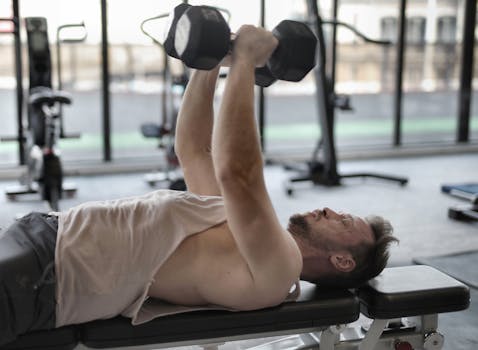 Photo: Andrea Piacquadio / Pexels
 Photo: Burst / Pexels