✓ Carbohydrates are your primary energy source for morning workouts.
✓ Timing matters: 30-60 minutes before is ideal for small snacks.
✓ Hydration is crucial, even before you start eating.
✓ Experiment to find what works best for your body and workout intensity.
How It Works
1
Assess Your Workout Intensity & Duration
Determine if your morning workout is low-intensity, moderate, or high-intensity, and how long it will last. This dictates your caloric and macronutrient needs.
2
Choose Fast-Digesting Carbohydrates
Opt for simple carbohydrates that provide quick energy without causing digestive distress. Think fruits, rice cakes, or a small amount of oats.
3
Consider a Touch of Protein (Optional)
For longer or more intense sessions, a small amount of easily digestible protein can aid muscle preservation. This is less critical for shorter, less intense workouts.
4
Hydrate Adequately Before & During
Start your day with water and continue to sip throughout your pre-workout window. Dehydration significantly impairs performance.
The Science Behind Pre-Workout Fueling: Why It Matters
Photo: Mikhail Nilov / Pexels
Waking up and immediately launching into a workout might feel efficient, but for many, it's a recipe for suboptimal performance and potential fatigue. The food you consume before your morning workout serves as the crucial fuel your body needs to perform at its best, prevent early fatigue, and even kickstart recovery. When you sleep, your body enters a fasting state. Glycogen stores, primarily in your liver and muscles, are depleted to maintain blood sugar levels and support essential bodily functions throughout the night. By the time your alarm rings, these energy reserves are significantly lower than they were when you went to bed.
Ignoring this depletion can lead to several undesirable outcomes during your morning exercise. You might experience reduced strength, decreased endurance, dizziness, or even nausea. Your body, starved of readily available glucose, will then have to work harder to convert stored fat or even muscle protein into energy, which is less efficient and can lead to muscle breakdown. This is particularly true for moderate to high-intensity activities, where carbohydrates are the preferred energy source.
Proper pre-workout nutrition, therefore, isn't just about avoiding a 'bonk'; it's about optimizing every aspect of your training session. It ensures your muscles have the glycogen they need for sustained effort, maintains stable blood sugar levels to prevent energy crashes, and can even improve focus and mental clarity during your workout. Furthermore, consuming certain nutrients before exercise can minimize muscle damage and inflammation, setting the stage for faster recovery. Think of your body as a high-performance vehicle. You wouldn't expect it to run efficiently on an empty tank, especially if you're pushing its limits. Similarly, providing your body with the right fuel before a morning workout is foundational to achieving your fitness goals, whether that's building strength, increasing endurance, or improving overall health. Understanding the physiological processes at play helps underscore the importance of strategically planning what to eat before morning workout. It’s not just an optional add-on; it’s an integral component of a successful fitness regimen. For more insights on overall fitness, consider exploring effective fitness strategies.
Optimal Macronutrient Breakdown for Morning Exercise
Photo: Jenna Hamra / Pexels
When deciding what to eat before morning workout, understanding the role of each macronutrient – carbohydrates, protein, and fats – is paramount. Each plays a distinct role in fueling your body, and the ideal balance depends heavily on the intensity and duration of your planned activity, as well as your individual digestive sensitivities.
**Carbohydrates: Your Primary Energy Source**
Carbohydrates are king when it comes to pre-workout fuel. They are efficiently broken down into glucose, which is then stored as glycogen in your muscles and liver. This glycogen is the most readily available and preferred energy source for your muscles, especially during moderate to high-intensity exercise. Without adequate carbohydrate intake, your body will struggle to maintain energy levels, leading to premature fatigue and reduced performance. For morning workouts, particularly those within an hour of eating, focus on simple, fast-digesting carbohydrates. These include fruits (like bananas, berries), rice cakes, a small amount of white toast, or even a sports drink if your workout is very intense and long. Complex carbohydrates like whole-grain oats are excellent, but if you have less than an hour, a smaller portion or a more refined option might be better to prevent digestive upset.
**Protein: Muscle Preservation and Satiety**
While carbohydrates provide immediate energy, a small amount of protein before a morning workout can be beneficial, especially if your workout is longer than an hour or if you're focusing on strength training. Protein helps to prevent muscle protein breakdown during exercise and can aid in kickstarting the recovery process. However, too much protein before a workout can slow digestion and lead to stomach discomfort. Opt for easily digestible protein sources such as a small scoop of whey protein mixed with water, a few spoonfuls of Greek yogurt, or a couple of egg whites. The key is 'small amount' – you're not looking for a full meal's worth of protein pre-workout, but rather a supporting role to the carbohydrates.
**Fats: Generally Avoided Pre-Workout**
Fats are essential for overall health and provide a long-lasting energy source, but they are generally not recommended in significant amounts immediately before a morning workout. This is because fats take much longer to digest than carbohydrates and protein. Consuming too much fat pre-workout can lead to digestive discomfort, bloating, and a feeling of sluggishness, diverting blood flow from your muscles to your digestive system. For most morning exercisers, it's best to keep fat intake very low or non-existent in your immediate pre-workout snack. If you're planning a very long, low-intensity endurance activity (e.g., a multi-hour hike where sustained, slow-release energy is needed), a small amount of healthy fats might be incorporated much earlier, but this is an exception rather than the rule for typical morning workouts.
In summary, prioritize fast-digesting carbohydrates, consider a small amount of easily digestible protein, and largely avoid fats when determining what to eat before morning workout to ensure optimal performance and comfort.
Timing is Everything: When to Eat Before Your Morning Session
Photo: Kampus Production / Pexels
The timing of your pre-workout meal or snack is almost as critical as the food choices themselves. Consuming the right nutrients at the wrong time can lead to digestive issues, energy crashes, or simply not getting the full benefit of your fuel. The goal is to provide your body with readily available energy without causing discomfort or diverting blood flow from your working muscles to your digestive system.
**1-2 Hours Before Your Workout: A Balanced Mini-Meal**
If you have the luxury of waking up 1-2 hours before your morning workout, you can opt for a slightly more substantial snack or a small, balanced mini-meal. This timeframe allows for adequate digestion of both simple and some complex carbohydrates, along with a small amount of protein. Examples include a small bowl of oatmeal with a few berries, a piece of whole-wheat toast with a thin spread of almond butter (minimal fat), or Greek yogurt with a banana. This window is ideal for ensuring sustained energy release and helps to top off glycogen stores more comprehensively, especially if your workout is going to be longer than 60 minutes or particularly intense. The protein component here helps with satiety and muscle preservation without causing gastric distress.
**30-60 Minutes Before Your Workout: Quick Energy Boost**
For most early risers who want to maximize sleep, the 30-60 minute window before a morning workout is the most common. In this scenario, your focus should be entirely on easily digestible, fast-acting carbohydrates. The goal is to provide a quick surge of glucose to your bloodstream without taxing your digestive system. Foods like a banana, a handful of dried fruit (dates or raisins), a few rice cakes, or even a small amount of fruit juice are excellent choices. Avoid anything high in fiber, fat, or excessive protein, as these will slow digestion and could lead to stomach upset or sluggishness during your exercise. This is a strategic 'top-off' of your immediate energy reserves.
**Less Than 30 Minutes Before Your Workout: Minimalist Approach**
If you literally roll out of bed and head straight to your workout, or have less than 30 minutes, your options become even more streamlined. Hydration becomes paramount (more on that below), and any food intake should be minimal and extremely easy to digest. A few sips of a sports drink (if your workout is high intensity and long), a small piece of fruit like half a banana, or even just water is often the best approach. Some individuals might find even this too much and prefer to work out completely fasted, relying on their overnight glycogen stores. However, for many, a small, quick carbohydrate source can make a noticeable difference in perceived effort and performance. Remember, the less time you have, the simpler and smaller your fuel should be. Experimentation is key to finding your personal sweet spot for what to eat before morning workout in this tight window. For more on optimizing your fitness journey, check out our comprehensive fitness guides.
Hydration and Electrolytes: The Unsung Heroes of Pre-Workout Nutrition
Photo: Mikhail Nilov / Pexels
Often overshadowed by discussions about macronutrients, proper hydration and electrolyte balance are absolutely critical components of what to eat before morning workout – or more accurately, what to *drink*. Your body is approximately 55-60% water, and even mild dehydration can significantly impair physical performance, cognitive function, and overall well-being. Throughout the night, your body loses water through breathing, sweating, and metabolic processes, meaning you often wake up in a state of mild dehydration.
**The Importance of Pre-Workout Hydration**
Starting your morning workout already dehydrated puts you at a distinct disadvantage. Dehydration can lead to:
* **Reduced Performance:** Lower endurance, strength, and power output.
* **Increased Perceived Exertion:** Workouts feel harder than they actually are.
* **Muscle Cramps:** Especially in conjunction with electrolyte imbalances.
* **Heat Stress:** Impaired ability to regulate body temperature.
* **Fatigue and Dizziness:** Affecting focus and safety.
Therefore, the first thing you should consume upon waking, regardless of your workout time, is water. Aim for 16-20 ounces (about 2-2.5 cups) of water within the first hour of waking. Continue to sip water leading up to your workout.
**Electrolytes: More Than Just Water**
While water is essential, electrolytes play a vital role, especially if your morning workout is intense, long, or you tend to sweat a lot. Electrolytes like sodium, potassium, magnesium, and calcium are minerals that carry an electric charge and are crucial for nerve function, muscle contraction, and maintaining fluid balance. When you sweat, you lose electrolytes along with water.
For most moderate, shorter morning workouts (under 60 minutes), plain water is sufficient. However, for longer or more strenuous sessions, or if you're exercising in a warm environment, consider adding electrolytes. You don't necessarily need a sugary sports drink. Options include:
* **A pinch of sea salt** in your water.
* **Coconut water:** A natural source of potassium.
* **Electrolyte tablets or powders:** Sugar-free options are available.
* **Small amounts of fruit:** Bananas are rich in potassium.
Starting your day well-hydrated and with balanced electrolytes ensures your body's systems are primed to perform efficiently. It helps transport nutrients, regulate body temperature, and lubricate joints, making your morning workout more effective and enjoyable. Neglecting this aspect of your pre-workout routine is a common mistake that can significantly undermine your efforts.
**Practical Hydration Strategy:**
1. **Upon Waking:** Drink 16-20 oz of plain water.
2. **Leading Up to Workout:** Continue to sip water every 15-20 minutes. If you have a 30-60 minute window, another 8-10 oz is a good target.
3. **Consider Electrolytes:** For intense/long workouts, add an electrolyte source.
Remember, feeling thirsty is already a sign of mild dehydration. Be proactive with your fluid intake to truly optimize what to eat before morning workout.
Comparison
Feature
Best Option (30-60 min pre)
Alternative 1 (1-2 hr pre)
Alternative 2 (Minimalist)
Primary Fuel
Simple Carbs (e.g., banana)
Complex Carbs + Protein
Water/Electrolytes
Digestion Time
Fast
Moderate
Immediate
Energy Source
Quick Glucose
Sustained Glucose + Amino Acids
Glycogen Stores (Top-off)
Risk of GI Upset
Low
Moderate (if too much fat/fiber)
Very Low
Hydration Focus
High
High
Critical
Example Food
1 banana or 2 rice cakes
Small oatmeal with berries
Half banana or water
Protein Content
Low/None
Low-Moderate
None
Fat Content
None
Very Low
None
What Readers Say
★★★★★
"Following these tips for what to eat before morning workout has been a game-changer. My energy levels are so much more consistent, and I no longer feel sluggish during my 6 AM runs. A banana and some water truly make all the difference."
Sarah P. · Austin, TX
★★★★★
"I used to skip breakfast before my early gym sessions, always feeling weak halfway through. Now, a small bowl of oatmeal an hour before has transformed my strength training. I'm hitting PRs I never thought possible in the morning."
Mark D. · Denver, CO
★★★★★
"The advice on hydration was spot on. I've started drinking a big glass of water right when I wake up, and my spin classes feel so much easier. It's amazing how much difference proper fueling and hydration make for what to eat before morning workout."
Jessica L. · Miami, FL
★★★★★
"I've tried a few of these suggestions. While the banana works great for my shorter cardio, I still need to experiment more for my longer lifting days to find the perfect protein addition that doesn't upset my stomach. Good starting point though!"
David R. · Chicago, IL
★★★★★
"As a long-distance runner, knowing what to eat before morning workout is crucial. This guide helped me fine-tune my pre-long run nutrition, incorporating a bit more complex carbs and proper electrolytes. My endurance has noticeably improved."
Emily K. · Seattle, WA
Frequently Asked Questions
What is the single best food to eat before a morning workout?
A banana is often considered the best single food due to its easily digestible carbohydrates, potassium content, and quick energy release. It's gentle on the stomach and provides immediate fuel, making it ideal for most morning workout scenarios, especially when time is limited.
I feel nauseous if I eat anything before my morning workout. What should I do?
If you experience nausea, try consuming only water or a very small amount of a simple carbohydrate like half a banana or a few sips of a sports drink. Ensure you're well-hydrated from the night before. Some individuals simply cannot tolerate food immediately before exercise; in such cases, focus on proper post-workout nutrition and adequate fueling the day before.
How much water should I drink before a morning workout?
Aim to drink 16-20 ounces (about 2-2.5 cups) of water immediately upon waking. Continue to sip water, consuming another 8-10 ounces, in the 30-60 minutes leading up to your workout. This proactive hydration helps combat overnight dehydration and primes your body for exercise.
Is it okay to workout fasted in the morning?
Working out fasted can be effective for some, especially for lower-intensity activities or if your primary goal is fat adaptation. However, for moderate to high-intensity or longer workouts, performance may be compromised due to depleted glycogen stores. Listen to your body and experiment to see if it suits your goals and energy levels.
How does pre-workout nutrition for a morning strength training session differ from cardio?
For strength training, while carbohydrates are still primary, a small amount of easily digestible protein (e.g., 10-15g) can be beneficial to help prevent muscle breakdown and initiate recovery. For cardio, the emphasis remains heavily on fast-acting carbohydrates to sustain endurance. The timing for both is similar: simple carbs 30-60 min prior, or a small, balanced meal 1-2 hours prior.
Who should prioritize what to eat before morning workout?
Anyone engaging in moderate to high-intensity exercise, workouts lasting longer than 30-45 minutes, or individuals who frequently experience low energy, dizziness, or fatigue during morning sessions should prioritize pre-workout nutrition. Athletes with specific performance goals will also greatly benefit.
Are pre-workout supplements a good substitute for food?
Pre-workout supplements can offer a boost from ingredients like caffeine or creatine, but they are not a substitute for whole food nutrition. They provide stimulants and performance enhancers, not the foundational energy (carbohydrates) your body needs. Always prioritize real food first, then consider supplements as an addition if desired and appropriate.
What is the biggest mistake people make regarding morning workout nutrition?
The biggest mistake is either skipping fuel entirely or consuming foods that are too heavy, fatty, or fibrous too close to the workout. Both scenarios can lead to suboptimal performance, discomfort, or energy crashes. The key is finding the right balance of simple carbs, proper timing, and adequate hydration.
Armed with this comprehensive guide on what to eat before morning workout, you're now ready to elevate your fitness journey. Experiment with these recommendations to discover your personal optimal fueling strategy and unlock your best performance yet. Don't just work out; fuel your success!
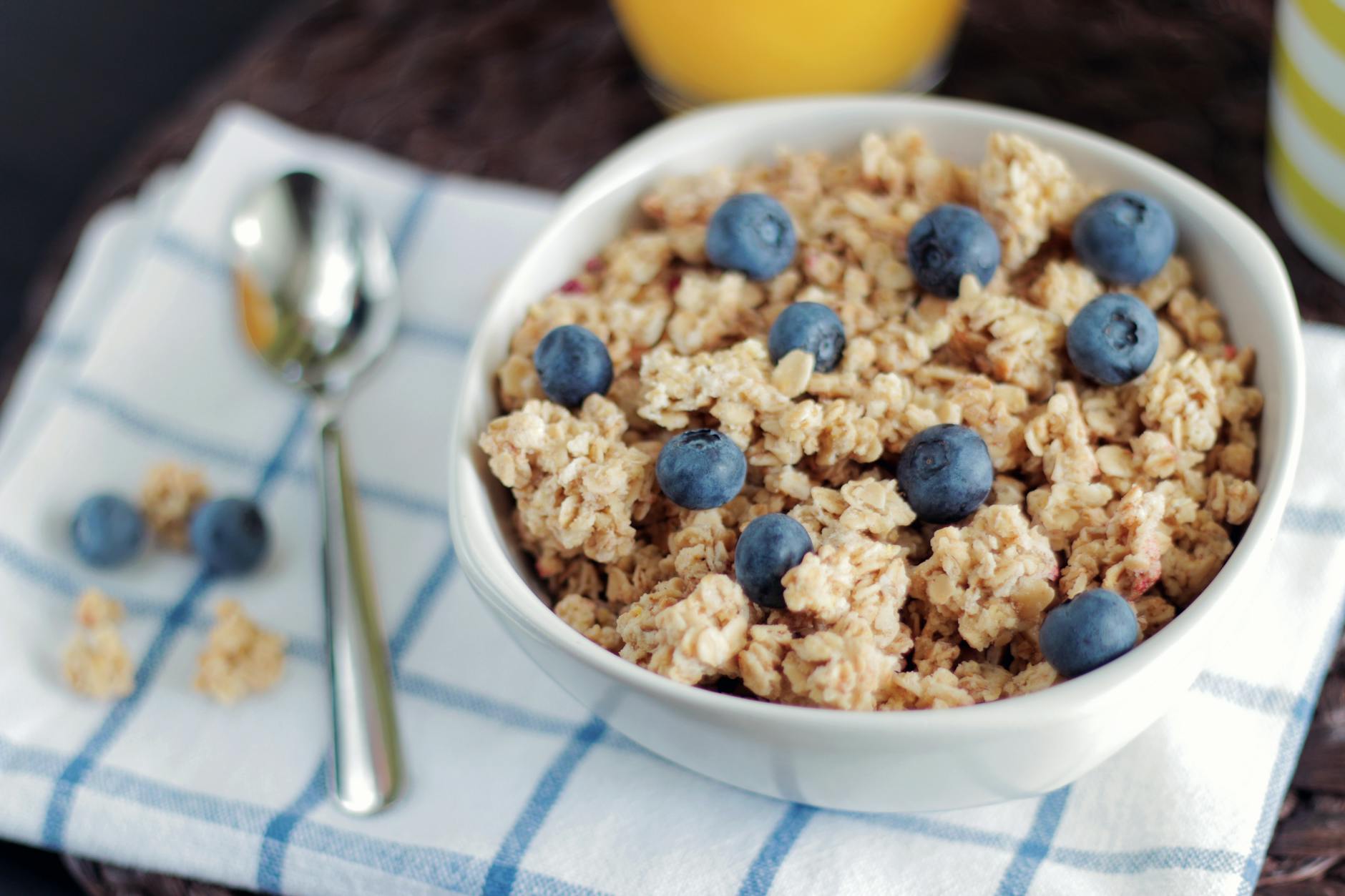
 Photo: Mikhail Nilov / Pexels
 Photo: Jenna Hamra / Pexels
 Photo: Kampus Production / Pexels
 Photo: Mikhail Nilov / Pexels