Unlock Relief: Essential Yoga Poses for Back Pain Relief
August 27, 2026 18 min read 3,515 words
Transform discomfort into ease with targeted yoga poses designed to strengthen your back, improve flexibility, and alleviate chronic pain.
Start Your Journey to Relief
Understanding Back Pain and Yoga's Role in Healing
 Photo: Kindel Media / Pexels
Back pain is a pervasive issue affecting millions of Americans, ranging from a dull, constant ache to sudden, sharp discomfort. It can stem from various causes, including poor posture, muscle strains, disc issues, sciatica, and even stress. While traditional treatments often involve medication or physical therapy, an increasing number of individuals are turning to holistic approaches like yoga for sustainable relief. Yoga, an ancient practice combining physical postures (asanas), breathing techniques (pranayama), and meditation, offers a unique pathway to not only alleviate symptoms but also address the underlying factors contributing to back pain. Unlike simply masking the pain, yoga works by improving strength, flexibility, and body awareness, all crucial components for a healthy spine. It gently stretches tight muscles, such as the hamstrings and hip flexors, which can pull on the pelvis and lower back, creating discomfort. Simultaneously, it strengthens core muscles, including the abdominals and deep spinal stabilizers, providing better support for the spine and reducing the burden on the back muscles. Moreover, the emphasis on mindful breathing and meditation in yoga helps to reduce stress, a known contributor to muscle tension and pain perception. When we are stressed, our muscles tend to tense up, particularly in the neck, shoulders, and lower back, exacerbating existing pain. Yoga's calming effects can break this cycle, promoting relaxation and reducing the body's inflammatory response. Regular practice can also correct postural imbalances that contribute to chronic back pain. Many of us spend hours hunched over desks or phones, leading to weakened back muscles and rounded shoulders. Yoga poses are designed to lengthen the spine, open the chest, and strengthen the posterior chain, gradually restoring natural alignment. This improved posture not only feels better but also distributes weight more evenly across the spine, preventing future strain. Furthermore, yoga increases blood flow to the spinal tissues, promoting healing and nutrient delivery to discs and muscles. The gentle movements lubricate the joints, enhancing mobility and reducing stiffness. It teaches you to listen to your body, recognizing early warning signs of discomfort and adjusting your movements accordingly, empowering you to manage your pain proactively. For those suffering from conditions like sciatica, where nerve compression causes radiating pain, certain yoga poses can create space in the spine, decompressing the nerve and providing significant relief. It’s important to approach yoga for back pain with a sense of mindfulness and patience, starting with gentle poses and gradually progressing as your body allows. Always consult with a healthcare provider before beginning any new exercise regimen, especially if you have a pre-existing medical condition or acute pain. Once cleared, a consistent yoga practice can be a powerful tool in your arsenal against back pain, offering a path to greater physical comfort and overall well-being. By integrating
mindful movement into your daily life, you can unlock a healthier, pain-free existence. The journey begins with understanding your body and choosing the right poses that nurture and heal your spine.
Top Yoga Poses for Back Pain Relief: A Gentle Guide
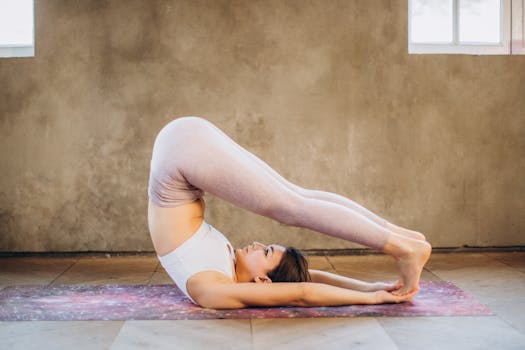 Photo: Elina Fairytale / Pexels
When it comes to alleviating back pain, not all yoga poses are created equal. The key is to select gentle, restorative postures that promote spinal decompression, strengthen supporting muscles, and increase flexibility without putting undue stress on an already compromised back. Here, we delve into some of the most effective yoga poses for back pain relief, providing guidance on how to perform them safely and maximize their benefits.
**Child's Pose (Balasana):** Often the first pose taught for back pain, Child's Pose is incredibly calming and restorative. It gently stretches the lower back and hips while relieving tension in the spine. To perform, start on your hands and knees. Bring your big toes to touch and spread your knees wide, or keep them hip-width apart. Sink your hips back towards your heels, extending your arms forward or resting them alongside your body. Rest your forehead on the mat. Breathe deeply into your back, feeling the gentle stretch. Hold for 30 seconds to several minutes.
**Cat-Cow Pose (Marjaryasana-Bitilasana):** This flowing sequence is excellent for warming up the spine and improving its flexibility. It mobilizes the vertebrae, stretches the back muscles, and strengthens the core. Begin on your hands and knees, wrists under shoulders, knees under hips. As you inhale, drop your belly towards the floor, lift your chest and tailbone (Cow). As you exhale, round your spine towards the ceiling, tuck your chin to your chest (Cat). Flow between these two poses with your breath for 5-10 repetitions.
**Downward-Facing Dog (Adho Mukha Svanasana):** While seemingly intense, Downward Dog can be very therapeutic for the back, especially the hamstrings, which often contribute to lower back pain. It lengthens the spine and decompresses the discs. Start on hands and knees, then lift your hips towards the ceiling, forming an inverted 'V' shape. Keep a slight bend in your knees if your hamstrings are tight, and press your heels towards the floor. Focus on lengthening your spine rather than forcing your heels down. Hold for 30-60 seconds.
**Sphinx Pose (Salamba Bhujangasana):** A gentle backbend, Sphinx Pose strengthens the back muscles and provides a mild stretch to the abdomen and chest. Lie on your stomach with forearms on the mat, elbows directly under shoulders. Press through your forearms and lift your chest off the floor, keeping your hips and legs grounded. Avoid shrugging your shoulders towards your ears. Look gently forward. Hold for 30-60 seconds, breathing deeply.
**Supine Spinal Twist (Supta Matsyendrasana):** Twists are fantastic for increasing spinal mobility and releasing tension. Lie on your back, extend your arms out to a 'T' shape. Bring your knees into your chest, then let them fall to one side, keeping both shoulders grounded. Turn your head to look in the opposite direction of your knees. Hold for 30-60 seconds per side. This pose gently massages the internal organs and releases tension along the spine.
**Bridge Pose (Setu Bandhasana):** This pose strengthens the glutes, hamstrings, and lower back muscles, which are vital for spinal support. Lie on your back with knees bent, feet flat on the floor, hip-width apart, and heels close to your glutes. Press through your feet and lift your hips off the floor, creating a straight line from your shoulders to your knees. You can interlace your fingers beneath your back for a deeper shoulder stretch. Hold for 30 seconds, then slowly lower down. For those with significant lower back issues, focus on a smaller lift, engaging the glutes without overextending the spine.
**Pigeon Pose (Eka Pada Rajakapotasana variation):** While a deeper hip opener, a modified Pigeon Pose can relieve pressure on the lower back by addressing tight hips and glutes, which often refer pain to the back. From Downward Dog, bring your right knee forward towards your right wrist, placing your shin somewhat parallel to the front of the mat (or at an angle if your hips are tight). Extend your left leg straight back. You can stay upright or fold forward over your front leg. Hold for 1-2 minutes per side. Be mindful not to force this pose if it causes knee pain.
**Legs-Up-The-Wall Pose (Viparita Karani):** This restorative pose is excellent for decompressing the spine and calming the nervous system. Lie on your back with your hips close to a wall, extending your legs straight up the wall. You can place a cushion under your hips for added comfort. Relax your arms by your sides. Hold for 5-15 minutes, focusing on deep, calming breaths. This pose is particularly beneficial after a long day of standing or sitting.
Remember, the goal is not to push into pain, but to find a comfortable edge where you feel a stretch without strain. Consistent practice, even for just 10-15 minutes a day, can yield significant improvements in back pain relief and overall spinal health. Listen to your body, modify poses as needed, and enjoy the journey towards a more comfortable, flexible back.
Integrating Yoga for Long-Term Back Health and Pain Prevention
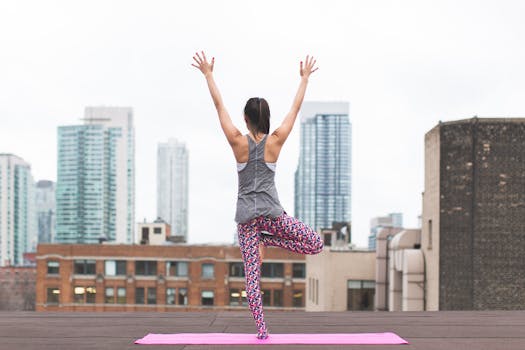 Photo: Burst / Pexels
While specific yoga poses offer immediate relief, the true power of yoga lies in its ability to foster long-term back health and prevent future episodes of pain. Integrating a consistent yoga practice into your lifestyle goes beyond mere stretching; it cultivates body awareness, strengthens foundational muscles, and instills habits that protect your spine day-to-day. One of the most significant aspects of yoga for long-term health is the development of proprioception – your body’s ability to sense its position and movement in space. Through mindful movement and holding poses, you become acutely aware of your posture, muscle imbalances, and areas of tension. This heightened awareness allows you to catch and correct poor postural habits before they lead to pain, whether you're sitting at a desk, lifting objects, or even sleeping. For instance, you might notice yourself slouching and instinctively adjust, or realize your hips are tight and proactively incorporate hip-opening poses into your routine. Furthermore, yoga systematically strengthens the core muscles, which are the unsung heroes of spinal support. The 'core' isn't just your six-pack abs; it includes the deep abdominal muscles (transversus abdominis), pelvic floor, diaphragm, and multifidus muscles that run along your spine. These muscles act as a natural corset, stabilizing the spine and protecting it from excessive movement and strain. Poses like Plank, Boat Pose (modified), and even breath-focused practices engage and strengthen these crucial muscle groups, providing a robust foundation for your entire torso. A strong core reduces the load on your lower back, mitigating the risk of disc issues and muscle strains. Beyond physical strength, yoga emphasizes flexibility – not just in the hamstrings and hips, but throughout the entire spine. A flexible spine is a resilient spine. Regular practice helps maintain the natural curves of your back, ensuring that movement is fluid and unrestricted. This flexibility also improves the health of your intervertebral discs, which rely on movement to absorb nutrients and stay hydrated. Static postures, combined with dynamic flows, encourage blood circulation to these areas, promoting healing and preventing degeneration. Consider the impact of stress on back pain. Chronic stress leads to muscle tension, inflammation, and heightened pain perception. Yoga’s emphasis on pranayama (breathing techniques) and meditation provides powerful tools for stress reduction. Deep, diaphragmatic breathing activates the parasympathetic nervous system, promoting relaxation and reducing muscle tightness. Regular meditation practices can rewire the brain's response to pain, making it less intense and more manageable. By reducing overall stress, yoga addresses a significant contributing factor to chronic back pain. To truly integrate yoga for long-term back health, consistency is paramount. Aim for short, regular sessions – even 15-20 minutes daily can be more effective than one long, infrequent session. Create a routine that fits your schedule and choose poses that specifically target your areas of concern, rotating them to work different muscle groups. Consider incorporating yoga into your morning routine to prepare your body for the day, or as an evening wind-down to release accumulated tension. Remember to always listen to your body and avoid pushing into pain. If a pose causes discomfort, modify it or skip it. Props like blocks, straps, and blankets can be invaluable for making poses accessible and comfortable, allowing you to achieve the benefits without strain. Seeking guidance from a qualified yoga instructor, especially one experienced in therapeutic yoga or working with back pain, can provide personalized adjustments and ensure proper alignment. Many studios offer beginner or restorative classes that are ideal for those managing back pain. By adopting yoga not just as a quick fix, but as a lifestyle practice, you empower yourself with the tools for a healthier, more resilient back, allowing you to move through life with greater ease and less pain. This proactive approach is a cornerstone of
holistic well-being and a testament to yoga's enduring benefits.
Common Mistakes and Essential Tips for Practicing Yoga with Back Pain
Photo: Elina Fairytale / Pexels
While yoga offers immense benefits for back pain, improper practice can exacerbate existing issues or even create new ones. Understanding common mistakes and implementing essential tips is crucial for a safe and effective journey toward relief.
**Common Mistakes to Avoid:**
* **Pushing Through Pain:** This is perhaps the most critical mistake. Pain is your body's signal that something is wrong. Never force a stretch or pose if it causes sharp, stabbing, or radiating pain. Instead, back off, modify, or skip the pose entirely. Listen to your body's wisdom.
* **Ignoring Proper Alignment:** Incorrect alignment can place undue stress on your spine and joints. For example, arching your lower back excessively in poses like Cobra or Bridge can compress the lumbar spine. Always prioritize form over depth.
* **Holding Your Breath:** Holding your breath creates tension in the body, which is counterproductive for pain relief. Breathe deeply and smoothly throughout your practice, using your breath as a guide for movement and relaxation.
* **Overstretching Cold Muscles:** Attempting deep stretches without proper warm-up can lead to muscle strains. Start with gentle movements and gradually deepen stretches as your body warms up.
* **Comparing Yourself to Others:** Everyone's body is different, especially when dealing with pain. Focus on your own progress and what feels good for your body, not on achieving the 'perfect' pose you see others doing.
* **Doing Too Much, Too Soon:** Starting with an overly ambitious practice can overwhelm your body and lead to discouragement. Begin with short, gentle sessions and gradually increase duration and intensity.
**Essential Tips for a Safe and Effective Practice:**
* **Consult Your Doctor First:** Before starting any new exercise program, especially with back pain, get clearance from a healthcare professional. They can provide specific guidance based on your condition.
* **Start with Beginner or Restorative Classes:** These classes focus on foundational poses, proper alignment, and gentle movements, making them ideal for individuals with back pain. Avoid advanced or fast-paced classes initially.
* **Use Props Generously:** Blocks, straps, blankets, and bolsters are your best friends. They can make poses more accessible, provide support, and allow you to relax into a stretch without strain. For example, a blanket under your hips in Child's Pose or a block under your hands in Downward Dog can significantly improve comfort.
* **Focus on Core Engagement:** Consciously engage your core muscles in many poses to protect your lower back. This doesn't mean clenching, but a gentle drawing in of your navel towards your spine.
* **Practice Mindful Breathing (Pranayama):** Deep, abdominal breathing helps relax muscles, calms the nervous system, and can even act as a natural pain reliever. Focus on inhaling deeply and exhaling completely.
* **Modify, Modify, Modify:** Learn variations of poses that suit your body. For instance, in a forward fold, keep a generous bend in your knees to protect your hamstrings and lower back. In twists, keep them gentle.
* **Consistency is Key:** Short, regular practices (10-20 minutes daily) are often more beneficial than infrequent long sessions. Make yoga a consistent part of your routine.
* **Listen to Your Body:** This cannot be stressed enough. Your body provides constant feedback. Pay attention to sensations and differentiate between a beneficial stretch and harmful pain. If something feels off, stop.
* **Seek Qualified Instruction:** If possible, work with a yoga instructor who has experience teaching students with back pain. They can offer personalized adjustments and advice.
By being mindful of these common pitfalls and integrating these essential tips, you can harness the powerful healing potential of yoga to manage and alleviate your back pain safely and effectively.
