✓ You can achieve significant cardiovascular benefits without leaving your home.
✓ Bodyweight exercises are highly effective for elevating heart rate and burning calories.
✓ Consistency and proper form are more crucial than workout duration for results.
✓ Variety in your home cardio routine prevents plateaus and keeps you motivated.
How It Works
1
Assess Your Fitness Level
Before starting, understand your current fitness. This helps tailor workout intensity and prevent injury, ensuring a safe and effective routine.
2
Choose Your Workout Style
Decide between high-intensity interval training (HIIT), steady-state cardio, or circuit training. Each offers unique benefits and can be adapted for home use.
3
Gather Minimal Equipment (Optional)
While many exercises are bodyweight-based, consider a jump rope, resistance bands, or light dumbbells. These can add variety and intensity to your sessions.
4
Structure Your Routine
Plan warm-ups, main cardio sets, and cool-downs. Aim for 20-60 minutes per session, 3-5 times a week, gradually increasing duration or intensity.
The Science Behind Effective Home Cardio and Heart Health
Photo: Tima Miroshnichenko / Pexels
Cardiovascular exercise, often referred to simply as cardio, is any activity that raises your heart rate and keeps it elevated for a sustained period. This type of exercise strengthens your heart and lungs, improves blood flow, and enhances overall endurance. The beauty of effective cardio workouts at home is that you don't need expensive gym memberships or specialized equipment to reap these profound benefits. The human body is an incredible machine, capable of generating significant cardiovascular demand through its own weight and movement. When you engage in cardio, your heart pumps blood more efficiently, delivering oxygen and nutrients to your muscles and organs. This improved efficiency reduces the risk of heart disease, lowers blood pressure, helps manage cholesterol levels, and can even improve mood by releasing endorphins.
At home, the core principles remain the same as in a gym: elevate your heart rate and maintain it. This can be achieved through a variety of movements that engage large muscle groups. Think about activities that make you breathe harder and slightly sweat – that's your cardiovascular system getting a workout. The key is to find exercises that you enjoy and that you can perform safely within your living space. From jumping jacks to high knees, burpees to mountain climbers, the options are plentiful. The convenience of home workouts means fewer excuses and greater consistency, which is the cornerstone of any successful fitness regimen. Moreover, the privacy of your home allows you to focus on your form without feeling self-conscious, a common barrier for many beginners. Understanding your target heart rate zones can also optimize your home cardio sessions. Generally, a moderate-intensity workout aims for 50-70% of your maximum heart rate, while vigorous intensity pushes you to 70-85%. You can estimate your maximum heart rate by subtracting your age from 220. Tools like heart rate monitors, though not strictly necessary, can provide valuable feedback. The adaptability of home cardio also means you can easily adjust intensity based on your energy levels each day, making it a sustainable practice. Remember, even short bursts of intense activity can contribute to your overall cardiovascular health. For more on building a comprehensive fitness plan, check out our guide on crafting a personalized fitness routine. The goal is to make cardio a regular, enjoyable part of your life, regardless of where you exercise.
Top Bodyweight and Minimal Equipment Cardio Routines
Photo: Maksim Goncharenok / Pexels
One of the greatest advantages of effective cardio workouts at home is the ability to achieve a fantastic workout with little to no equipment. Bodyweight exercises are incredibly versatile and can be scaled to suit any fitness level. Let's delve into some of the most impactful routines you can implement today.
**High-Intensity Interval Training (HIIT):** HIIT is a powerhouse for calorie burning and cardiovascular improvement. It involves short bursts of intense anaerobic exercise followed by brief recovery periods. A typical HIIT session might look like 30-45 seconds of maximum effort followed by 15-30 seconds of rest, repeated for 15-25 minutes. Exercises like burpees, jumping jacks, high knees, mountain climbers, and jump squats are perfect for HIIT. For example, a beginner HIIT routine could be: 30 seconds jumping jacks, 15 seconds rest; 30 seconds high knees, 15 seconds rest; 30 seconds bodyweight squats, 15 seconds rest; 30 seconds plank jacks, 15 seconds rest. Repeat this circuit 3-5 times. The beauty of HIIT is its efficiency – you get significant results in less time.
**Circuit Training:** This involves performing a series of exercises one after another with minimal rest between them. Once you complete one round of all exercises, you rest for a minute or two and then repeat the circuit. This keeps your heart rate elevated for longer periods than traditional strength training. A home cardio circuit could include: 1 minute of jogging in place, 1 minute of lunges (alternating legs), 1 minute of push-ups (on knees or toes), 1 minute of bicycle crunches, followed by 1-2 minutes rest. Repeat 3-4 times. You can incorporate light dumbbells or resistance bands if you have them for added challenge, like bicep curls or shoulder presses between cardio movements.
**Jump Rope Workouts:** Often overlooked, a jump rope is a fantastic, inexpensive tool for effective cardio. Ten minutes of jumping rope can be as effective as 30 minutes of jogging. You can vary your jumps: basic two-foot jump, alternating feet, high knees, or even criss-cross jumps to keep it engaging. Start with short intervals, like 30 seconds jumping, 30 seconds rest, and gradually increase your working time as your stamina improves.
**Dance Workouts:** If you love music, dance workouts are an incredibly fun way to get your heart rate up. There are countless free dance workout videos online (Zumba, hip-hop, cardio dance) that cater to all levels. The key is to move continuously and passionately. The joy of dancing often makes the workout feel less like a chore and more like entertainment, leading to greater adherence.
**Stair Climbing:** If you have stairs at home, they are a built-in cardio machine. Walking or running up and down stairs for 15-30 minutes can provide an intense cardiovascular workout, also engaging your glutes and quads. Be mindful of your knees and always use the handrail if needed for stability.
Remember to always start with a 5-minute warm-up (light jogging, arm circles, leg swings) and end with a 5-minute cool-down (static stretches) to prevent injury and aid recovery. The versatility of these routines means you can mix and match to keep your workouts fresh and challenging.
Structuring Your At-Home Cardio Program for Optimal Results
Photo: Andrea Piacquadio / Pexels
Building an effective cardio program at home requires more than just randomly picking exercises; it demands structure, progression, and consistency. To truly see and feel the benefits, you need a plan that evolves with your fitness level. Let's break down how to design a program that delivers optimal results.
**Frequency and Duration:** For most adults, the American Heart Association recommends at least 150 minutes per week of moderate-intensity aerobic activity or 75 minutes per week of vigorous-intensity activity, or a combination of both. This can be broken down into 3-5 sessions per week. For instance, three 50-minute moderate sessions or five 30-minute moderate sessions. If you're doing HIIT, you might only need 20-30 minutes, 3 times a week, due to its intensity. Listen to your body and ensure you're giving yourself adequate rest days. Overtraining can lead to burnout or injury.
**Warm-up and Cool-down:** Never skip these crucial phases. A 5-10 minute warm-up prepares your muscles and cardiovascular system for the upcoming exertion, reducing injury risk. This could include light jogging in place, arm circles, leg swings, and dynamic stretches. A 5-10 minute cool-down gradually brings your heart rate down and includes static stretches (holding a stretch for 20-30 seconds) to improve flexibility and aid recovery.
**Progression is Key:** To continue seeing results, your body needs to be challenged. This is the principle of progressive overload. For cardio, this means gradually increasing the duration, intensity, or frequency of your workouts. If you start with 20-minute sessions, aim for 25 minutes after a few weeks. If you're doing HIIT, try shortening your rest periods or increasing your work intervals. You can also add more challenging variations of exercises (e.g., from regular squats to jump squats). Keeping a workout log can help you track your progress and stay motivated.
**Variety and Periodization:** Your body adapts quickly. To avoid plateaus and keep things interesting, introduce variety into your routine. Don't do the same workout every single day. Alternate between HIIT, steady-state cardio, dance, or jump rope. Periodization involves cycling through different types of training over time. For example, you might focus on building endurance for a few weeks, then switch to more intense, shorter HIIT sessions, and then incorporate some strength-focused cardio. This keeps your body guessing and prevents adaptation. For more detailed guidance on combining different fitness elements, refer to our article on integrating strength and cardio training.
**Listen to Your Body:** This cannot be stressed enough. Some days you'll feel energetic, others less so. Adjust your intensity accordingly. If you feel sharp pain, stop immediately. Rest when you need to, and don't push through extreme fatigue. Consistency over perfection is the goal. Building a sustainable habit is far more effective than sporadic, overly intense workouts that lead to injury or burnout. Structure provides the framework, but flexibility within that framework ensures longevity.
Common Mistakes to Avoid in Your Home Cardio Workouts
While working out at home offers incredible convenience, it also comes with potential pitfalls that can hinder your progress or even lead to injury. Being aware of these common mistakes can help you maximize the effectiveness and safety of your home cardio routine.
**1. Skipping the Warm-up and Cool-down:** This is perhaps the most frequent oversight. Jumping straight into intense exercise increases the risk of muscle strains, sprains, and cardiovascular shock. Similarly, abruptly stopping after a vigorous session can cause dizziness or muscle soreness. Always dedicate 5-10 minutes to prepare your body and another 5-10 minutes to wind down.
**2. Neglecting Proper Form:** Without a trainer present, it's easy to let form slide, especially as fatigue sets in. Poor form not only reduces the effectiveness of the exercise but significantly increases the risk of injury. Watch videos of exercises, perform them in front of a mirror, and start with slower, controlled movements to master the technique before increasing speed or intensity.
**3. Overdoing It Too Soon:** Enthusiasm is great, but trying to do too much too fast is a recipe for burnout or injury. If you're new to exercise or returning after a break, start with shorter durations and lower intensities. Gradually increase these parameters over weeks, not days. Progressive overload is about smart, incremental increases.
**4. Lack of Variety:** Doing the same routine day in and day out leads to plateaus and boredom. Your body adapts, and the workout becomes less effective. Introduce new exercises, vary the intensity (HIIT one day, steady-state another), or try different workout styles (dance, jump rope). Variety keeps your muscles challenged and your mind engaged.
**5. Ignoring Your Body's Signals:** Pain is a warning sign. While muscle soreness (DOMS) is normal after a good workout, sharp, sudden, or persistent pain is not. Pushing through actual pain can lead to serious injury. Learn to distinguish between muscle fatigue and joint/ligament pain, and rest or modify exercises when necessary.
**6. Inconsistent Schedule:** The biggest advantage of home workouts – flexibility – can also be its downfall if not managed. Without a set time or routine, it's easy to procrastinate or skip sessions. Try to schedule your workouts like any other important appointment and stick to it.
**7. Inadequate Hydration and Nutrition:** Your body needs fuel and hydration to perform and recover. Dehydration can impair performance and lead to fatigue. Ensure you're drinking water before, during, and after your workouts. Similarly, a balanced diet supports energy levels and muscle repair.
**8. Unsuitable Environment:** Make sure your workout space is safe. Clear any obstacles, ensure you have enough room to move freely, and consider investing in a good quality exercise mat for comfort and joint protection, especially on hard floors. Proper footwear is also crucial to absorb impact and provide stability.
Avoiding these common missteps will significantly enhance the safety, enjoyment, and results of your effective cardio workouts at home, helping you build a sustainable and rewarding fitness habit.
Comparison
Feature
HIIT (At Home)
Steady-State Cardio (At Home)
Gym Cardio Machines
Equipment Needed
Minimal/None
Minimal/None
Extensive (machines)
Time Efficiency
High (20-30 min)
Moderate (30-60 min)
Moderate (30-60 min)
Calorie Burn (per min)
Very High
Moderate-High
Moderate-High
Joint Impact
Can be high
Moderate
Variable (low on elliptical)
Variety
✓
✗
✓
Cost
Free
Free
Membership fees
What Readers Say
★★★★★
"I've struggled to stick with gym memberships, but these effective cardio workouts at home have been a game-changer. I love the flexibility and how I can fit a powerful session into my busy schedule. My energy levels are through the roof!"
Sarah J. · Austin, TX
★★★★★
"Who knew you could get such a sweat without any equipment? The bodyweight routines are surprisingly challenging and I feel stronger and more agile. This article gave me so many great ideas for effective cardio workouts at home."
Mark D. · Chicago, IL
★★★★★
"After 3 months of consistently doing these home cardio workouts, I've lost 10 pounds and my resting heart rate has dropped significantly. The clear guidance on structuring workouts made it easy to follow and see real results."
Emily R. · Miami, FL
★★★★★
"The information here is incredibly helpful for anyone looking to get fit at home. While I sometimes miss the motivation of a gym class, the detailed workout plans and tips for progression keep me accountable. Definitely recommend for effective cardio at home."
David L. · Denver, CO
★★★★★
"As a new mom, finding time for exercise is tough. These home cardio workouts are perfect! I can do them during nap time or with my baby nearby. They are truly effective and make me feel great, both physically and mentally."
Jessica M. · Seattle, WA
Frequently Asked Questions
What are the most effective cardio workouts at home for beginners?
For beginners, effective cardio workouts at home include low-impact options like marching in place, step-ups on a sturdy low surface, dancing, or brisk walking around the house/yard. Start with 15-20 minutes, 3-4 times a week, focusing on maintaining a steady pace where you can still talk but are slightly breathless. Gradually increase duration and intensity as your fitness improves.
Do I need any equipment for effective cardio workouts at home?
No, you absolutely do not need any special equipment for effective cardio workouts at home. Many highly effective exercises like jumping jacks, high knees, burpees, mountain climbers, and dancing rely solely on your body weight. If you wish to enhance your workouts, a jump rope or resistance bands are inexpensive options, but they are not mandatory.
How long should my at-home cardio sessions be to be effective?
For general health benefits, aim for at least 20-30 minutes of moderate-intensity cardio, 3-5 times per week. If you're doing high-intensity interval training (HIIT), 15-25 minutes can be highly effective due to the intense bursts. Consistency is more important than duration; even shorter, more frequent sessions can add up to significant benefits.
Are at-home cardio workouts as good as gym cardio?
Yes, at-home cardio workouts can be just as effective, if not more so, than gym cardio. The effectiveness depends on the effort you put in, the consistency of your routine, and proper exercise selection. While gyms offer machines, bodyweight and minimal equipment exercises performed at home can provide the same, if not better, cardiovascular benefits and calorie burn, often with greater convenience and cost savings.
What's the best way to prevent boredom with home cardio workouts?
Prevent boredom by introducing variety into your routine. Mix up your exercises (e.g., HIIT one day, dance workout another), try different online fitness videos, create custom playlists, or even use fitness apps that offer guided sessions. Setting small, achievable goals and tracking your progress can also keep you motivated and engaged.
Who should consider doing effective cardio workouts at home?
Anyone looking to improve their cardiovascular health, lose weight, boost energy, or reduce stress can benefit from effective cardio workouts at home. They are particularly ideal for individuals with busy schedules, those on a budget, people who prefer privacy, or anyone without easy access to a gym. They are adaptable for all fitness levels, from beginners to advanced.
Are there any safety concerns for doing cardio at home?
Safety concerns typically involve ensuring you have enough space, a non-slip surface, and proper form to prevent injury. Clear your workout area of obstacles, wear appropriate footwear, and listen to your body to avoid overexertion or pushing through pain. If you have any pre-existing health conditions, consult a doctor before starting a new routine.
What's the future trend for effective cardio workouts at home?
The future of effective cardio workouts at home points towards increased integration with smart technology, personalized AI-driven coaching, and immersive virtual reality experiences. Expect more interactive live classes, adaptive workout programs based on real-time biometric data, and gamified fitness platforms that make home cardio even more engaging and tailored to individual needs and preferences.
Ready to transform your health and fitness from the comfort of your own space? Start incorporating these effective cardio workouts at home into your routine today. Embrace the convenience, challenge your body, and unlock a healthier, more energetic you. Your heart will thank you!
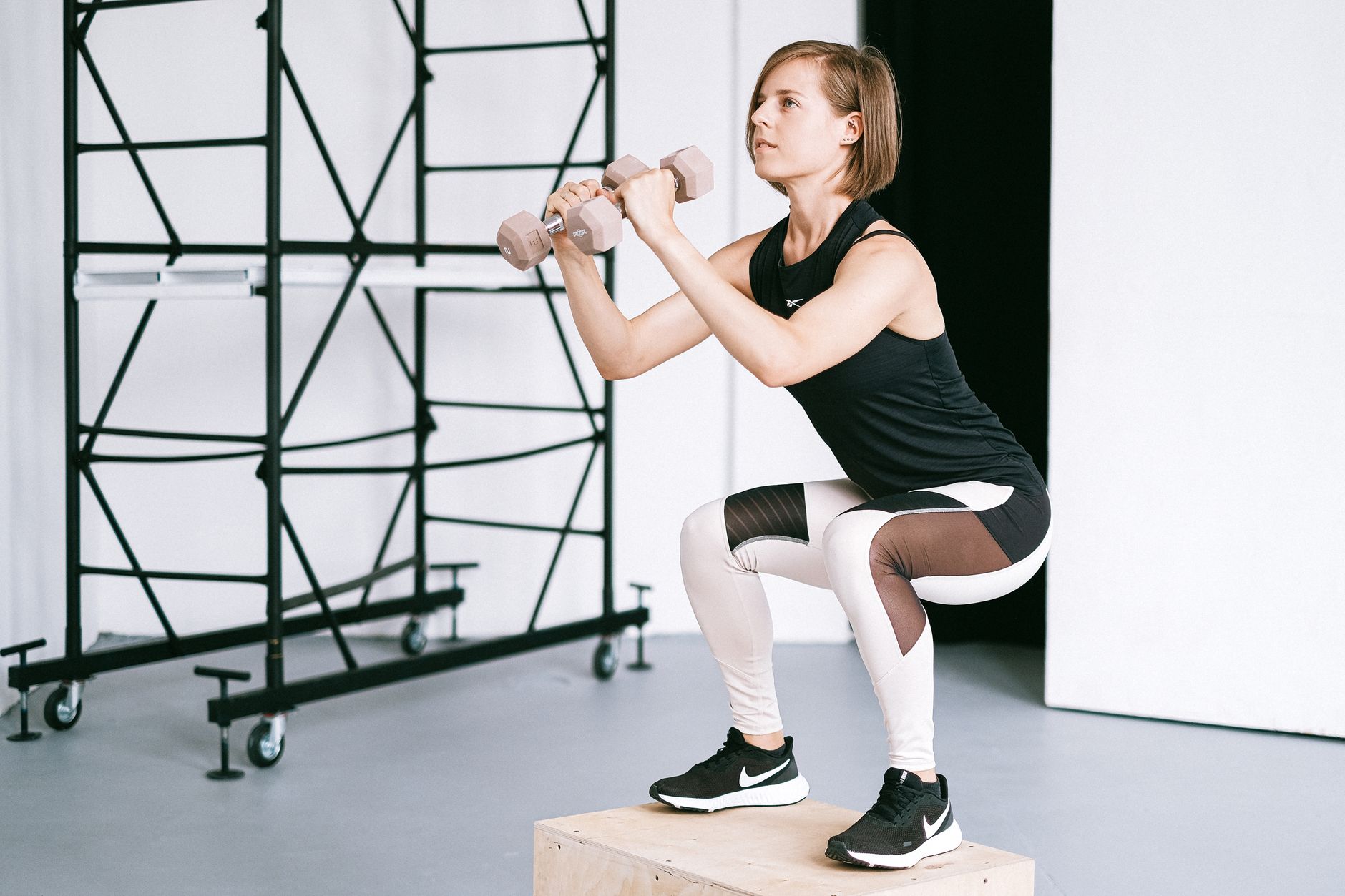
 Photo: Tima Miroshnichenko / Pexels
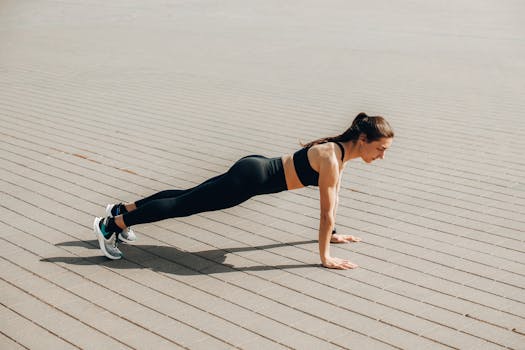 Photo: Maksim Goncharenok / Pexels
 Photo: Andrea Piacquadio / Pexels