✓ A strong core supports your entire body and prevents back pain.
✓ Core strength isn't just about 'abs'; it involves many muscle groups.
✓ Consistency and proper form are crucial for effective core training.
✓ Variety in core exercises targets different muscle functions.
How It Works
1
Understand Your Core
Learn which muscles comprise your core beyond just the rectus abdominis. This foundational knowledge helps you target exercises more effectively for comprehensive strength.
2
Master Basic Movements
Start with fundamental exercises like planks and bird-dogs to build a solid base. Proper form in these basics prevents injury and prepares you for more advanced movements.
3
Progress Systematically
Gradually increase the difficulty, duration, or resistance of your core workouts. This progressive overload ensures continuous adaptation and strength gains.
4
Integrate into Routine
Incorporate core exercises into your regular fitness regimen 2-3 times per week. Consistent engagement is key to developing lasting core strength and stability.
The Indispensable Role of a Strong Core in Overall Fitness
Photo: Gustavo Fring / Pexels
The concept of 'core strength' is often misunderstood, frequently narrowed down to just visible abdominal muscles. However, the core is a complex network of muscles that extends far beyond the six-pack, encompassing everything from your diaphragm to your pelvic floor, and all the muscles of your back and hips. These muscles work synergistically to stabilize your spine, provide a foundation for movement, and transfer power between your upper and lower body. Without a robust core, even the simplest daily tasks, like lifting groceries or standing for extended periods, can become challenging and potentially lead to injury. For athletes, a strong core is the bedrock of performance, enabling explosive power, precise movements, and crucial injury prevention. Imagine a powerful car with a weak chassis; it simply cannot perform at its peak. Your body is no different. Your core is your body's chassis, and its strength dictates the efficiency and safety of virtually every physical action you undertake.
Developing effective exercises for core strength goes beyond aesthetics. It's about building functional strength that translates into real-world benefits. A well-conditioned core improves posture by supporting the natural curvature of your spine, reducing the strain on your neck and shoulders. It acts as a natural brace, protecting your internal organs and spine from external forces. Furthermore, it plays a critical role in balance and stability, minimizing the risk of falls, particularly as we age. Many people experience chronic lower back pain, and often, the root cause can be traced back to a weak or imbalanced core. By strengthening these essential muscles, you can alleviate existing pain and prevent future occurrences. This holistic approach to core training means engaging muscles like the transversus abdominis, multifidus, internal and external obliques, erector spinae, and glutes, ensuring a comprehensive and resilient midsection. Understanding the intricate interplay of these muscles is the first step towards designing a truly effective fitness regimen that prioritizes core integrity. Neglecting any part of this muscular system can lead to compensations, imbalances, and ultimately, a higher risk of injury. Therefore, dedicating time and effort to comprehensive core training is not just an option; it's a fundamental requirement for anyone seeking long-term physical health and optimal performance. It's an investment in your body's overall structural integrity and functional capability, ensuring that you can move through life with ease, power, and resilience.
Foundational Movements for Core Stability and Strength
Photo: Sam Lion / Pexels
To truly build a resilient core, it's essential to start with foundational movements that target the deep stabilizing muscles before progressing to more dynamic exercises. These foundational exercises teach your body how to brace and maintain spinal neutrality, which is paramount for both injury prevention and efficient force transfer. The plank is perhaps the most iconic and effective exercise for this purpose. It engages the entire core musculature, including the transversus abdominis, rectus abdominis, obliques, and erector spinae, demanding isometric strength and endurance. Proper plank form involves maintaining a straight line from head to heels, engaging the glutes, and pulling the navel towards the spine, resisting the urge to let the hips sag or rise too high. Starting with shorter holds and gradually increasing duration is key to mastering this fundamental movement. Variations like side planks further challenge the obliques and lateral stabilizers, crucial for rotational stability.
Another indispensable foundational exercise is the Bird-Dog. This movement focuses on anti-rotation and anti-extension, teaching your core to stabilize your spine while your limbs move independently. Executed on all fours, you simultaneously extend one arm forward and the opposite leg backward, keeping your torso perfectly still and hips level. The challenge lies in preventing any rotation or arching of the lower back, forcing the deep core muscles to engage. This exercise is particularly beneficial for improving coordination and body awareness. Dead Bugs are another excellent choice for developing core control and spinal stability without putting direct pressure on the spine. Lying on your back, you extend opposite arm and leg towards the floor while keeping your lower back pressed into the ground. This anti-extension exercise is a fantastic way to engage the transversus abdominis. Integrating these anti-movement exercises—anti-extension (plank, dead bug), anti-flexion (plank), anti-rotation (side plank, bird-dog), and anti-lateral flexion (side plank)—is critical for developing a truly functional and strong core. They build the fundamental muscular control and endurance that forms the basis for more complex and dynamic core work. Mastering these foundational movements ensures that your core is not just strong, but also stable and capable of protecting your spine during all forms of physical activity. They are the building blocks upon which all other effective exercises for core strength are built, providing a safe and progressive pathway to a more powerful midsection.
Progressive Core Training: Elevating Your Strength and Performance
Photo: Andrea Piacquadio / Pexels
Once you've mastered the foundational core exercises and built a solid base of stability, it's time to introduce progressive movements that challenge your core in more dynamic and demanding ways. Progressive core training involves increasing the complexity, load, or instability of exercises to continually stimulate muscle growth and adaptation. This ensures that your core continues to get stronger and more resilient, preparing you for higher levels of physical activity and reducing the risk of injury. One excellent progression from the basic plank is the Plank with Leg Lift or Plank with Arm Reach. These variations introduce unilateral limb movement, forcing your core to work harder to maintain stability against a shifting center of gravity. For example, lifting one leg during a plank significantly increases the demand on your stabilizing muscles to prevent hip rotation and maintain a level pelvis. Similarly, reaching an arm forward challenges anti-rotational strength. Another effective progression is incorporating instability into your core work. Exercises performed on a stability ball, such as stability ball planks or stability ball crunches, require greater activation of stabilizing muscles to control movement on an unstable surface. The stability ball rollout is particularly challenging, engaging the entire anterior core as you extend your body outwards and pull back in, resisting lumbar hyperextension. This dynamic movement significantly builds eccentric strength and control.
Rotational core exercises are also vital for comprehensive core development, as many sports and daily activities involve twisting movements. Russian twists, performed with or without added weight, challenge the obliques and rotational stabilizers. However, it's crucial to perform these with control, focusing on torso rotation rather than just swinging the arms. Cable wood chops and anti-rotational presses (Pallof press) are other highly effective exercises that train your core to resist or produce rotation, mimicking real-world movements. For those seeking even greater challenges, advanced bodyweight exercises like dragon flags or L-sits demand incredible levels of core strength, particularly from the lower abs and hip flexors. Incorporating weighted core exercises, such as weighted planks, farmers' carries, or front squats, where the core acts as a primary stabilizer, further enhances overall core power and endurance. Remember, the key to progressive core training is to maintain impeccable form throughout. Sacrificing form for heavier weight or more challenging variations negates the benefits and increases injury risk. Continuously assessing your technique and only moving to more advanced variations when you can perform the current level flawlessly is paramount. This systematic approach to advanced fitness training ensures that your core development is both effective and sustainable, building a midsection that is not only strong but also highly functional and resilient for all of life's demands.
Common Core Training Mistakes and Essential Tips for Success
Photo: cottonbro studio / Pexels
While the desire for a strong core is universal, many individuals inadvertently fall into common traps that hinder their progress or even lead to injury. Understanding these pitfalls and implementing corrective strategies is crucial for maximizing the effectiveness of your core training. One of the most prevalent mistakes is focusing solely on crunches and sit-ups. While these exercises target the rectus abdominis, they often neglect the deeper stabilizing muscles and can place undue stress on the lower back if performed incorrectly. A truly effective core program must be holistic, incorporating anti-extension, anti-flexion, anti-rotation, and anti-lateral flexion movements. Another common error is prioritizing speed over control. Rushing through repetitions, especially during exercises like Russian twists or bicycle crunches, reduces muscle engagement and increases the risk of strain. Slow, controlled movements with a focus on muscle contraction will always yield better results. Furthermore, many people hold their breath during core exercises, which can increase blood pressure and reduce core engagement. Proper breathing, often exhaling during the strenuous part of the movement, helps to activate the deep core muscles more effectively.
Here are essential tips to ensure your core training is both effective and safe:
* **Prioritize Form Over Reps/Weight:** Always ensure perfect technique. If your form breaks down, reduce the repetitions, duration, or weight. Quality over quantity is paramount for core training.
* **Engage Your Deep Core:** Before starting any exercise, consciously pull your navel towards your spine (without holding your breath) to activate your transversus abdominis. This internal brace is key for spinal stability.
* **Breathe Properly:** Focus on diaphragmatic breathing. Exhale on exertion to help engage your deep core muscles and protect your spine.
* **Vary Your Exercises:** Incorporate a wide range of movements that challenge your core from different angles and functions (static holds, dynamic movements, rotational, anti-rotational). This prevents plateaus and ensures comprehensive development.
* **Listen to Your Body:** If an exercise causes pain, stop immediately. Modify or choose an alternative movement. Pushing through pain can lead to injury.
* **Don't Forget Your Back and Glutes:** The core is an integrated system. Exercises like Superman, good mornings, and glute bridges are just as important for a strong and stable midsection as traditional 'ab' exercises.
* **Consistency is Key:** Aim for 2-3 dedicated core workouts per week. Regular stimulation is far more effective than sporadic, intense sessions.
By avoiding these common mistakes and diligently applying these tips, you can transform your core training, building a foundation of strength and stability that will benefit every aspect of your physical well-being.
Comparison
Core Exercise Type
Primary Benefit
Equipment Needed
Difficulty Level
Plank (Isometric)
Spinal Stability, Endurance
None
Beginner to Intermediate
Bird-Dog (Anti-Rotation/Extension)
Spinal Control, Coordination
None
Beginner
Stability Ball Rollout (Dynamic)
Eccentric Strength, Anterior Core
Stability Ball
Intermediate to Advanced
Pallof Press (Anti-Rotation)
Rotational Stability, Obliques
Cable Machine/Band
Intermediate
Weighted Carries (Functional)
Full Core Integration, Grip Strength
Dumbbells/Kettlebells
Intermediate to Advanced
What Readers Say
★★★★★
"I used to have constant lower back pain, but after consistently doing these effective exercises for core strength, it's virtually disappeared. My posture has improved dramatically, and I feel so much stronger overall."
Sarah J. · Austin, TX
★★★★★
"As a runner, I always struggled with hip stability. Incorporating the bird-dog and side planks from this guide has made a huge difference in my stride and reduced my risk of injury. Highly recommend these core exercises."
Mark T. · Chicago, IL
★★★★★
"I've been working out for years, but this article really opened my eyes to comprehensive core training beyond just crunches. My lifts in the gym are more stable, and I've noticed a significant increase in my overall strength."
Emily R. · Miami, FL
★★★★★
"The focus on proper form and progressive overload in these effective exercises for core strength is excellent. Some of the advanced moves are still a challenge for me, but I appreciate the clear guidance on how to get there safely."
David L. · Denver, CO
★★★★★
"I'm a busy mom, and finding time for the gym is tough. These exercises are fantastic because many can be done at home with no equipment. My core feels solid, and I have more energy to keep up with my kids!"
Jessica M. · Seattle, WA
Frequently Asked Questions
What is the most effective exercise for core strength?
There isn't a single 'most effective' exercise, as a strong core requires comprehensive training. However, foundational movements like planks, bird-dogs, and dead bugs are highly effective for building stability and control, while progressive exercises like stability ball rollouts and Pallof presses challenge dynamic strength and rotational stability. A balanced program incorporating various movements is key.
Will core exercises give me a six-pack?
While effective exercises for core strength will develop your abdominal muscles, visibility of a 'six-pack' is primarily dependent on body fat percentage. You can have a very strong core without visible abs. Core training improves function, stability, and posture, which are far more important than aesthetics alone.
How often should I do core exercises?
For optimal results, aim to incorporate core exercises into your routine 2-4 times per week. Allow for at least one rest day between intense core sessions to allow muscles to recover and rebuild. Consistency is more important than infrequent, overly intense workouts.
Do I need equipment for effective core strength training?
No, many highly effective core exercises require no equipment at all, such as planks, bird-dogs, dead bugs, and various crunch or leg raise variations. However, incorporating tools like stability balls, resistance bands, or dumbbells can add variety and allow for progressive overload.
Are crunches bad for your back?
Crunches are not inherently bad, but they can be if performed with poor form or if they are the only core exercise you do. Over-reliance on crunches can lead to muscle imbalances and put strain on the lower back. Focus on controlled movements, engaging your deep core, and integrating a variety of core exercises for a healthier, stronger spine.
Who should focus on effective exercises for core strength?
Everyone can benefit from effective core strength training! Athletes will see improved performance, individuals with back pain can find relief, and those seeking better posture, balance, and injury prevention in daily life will experience significant advantages. A strong core is fundamental for overall physical health.
Can I train my core if I have lower back pain?
Yes, often core strengthening is prescribed to alleviate lower back pain. However, it's crucial to consult with a healthcare professional or physical therapist first. They can help identify the cause of your pain and recommend safe, appropriate exercises. Start with gentle, foundational movements and prioritize proper form above all else.
What are the latest trends in core training?
Current trends emphasize functional core training, focusing on how the core works in everyday movements and sports rather than isolated muscle work. This includes more anti-movement exercises (anti-rotation, anti-extension), integrated full-body movements, and the use of unstable surfaces or dynamic resistance to challenge the core's stabilizing function.
Unlock your body's full potential by committing to effective exercises for core strength. Start incorporating these proven techniques into your routine today and experience enhanced stability, improved performance, and a healthier, more resilient you. Your journey to a stronger core begins now.
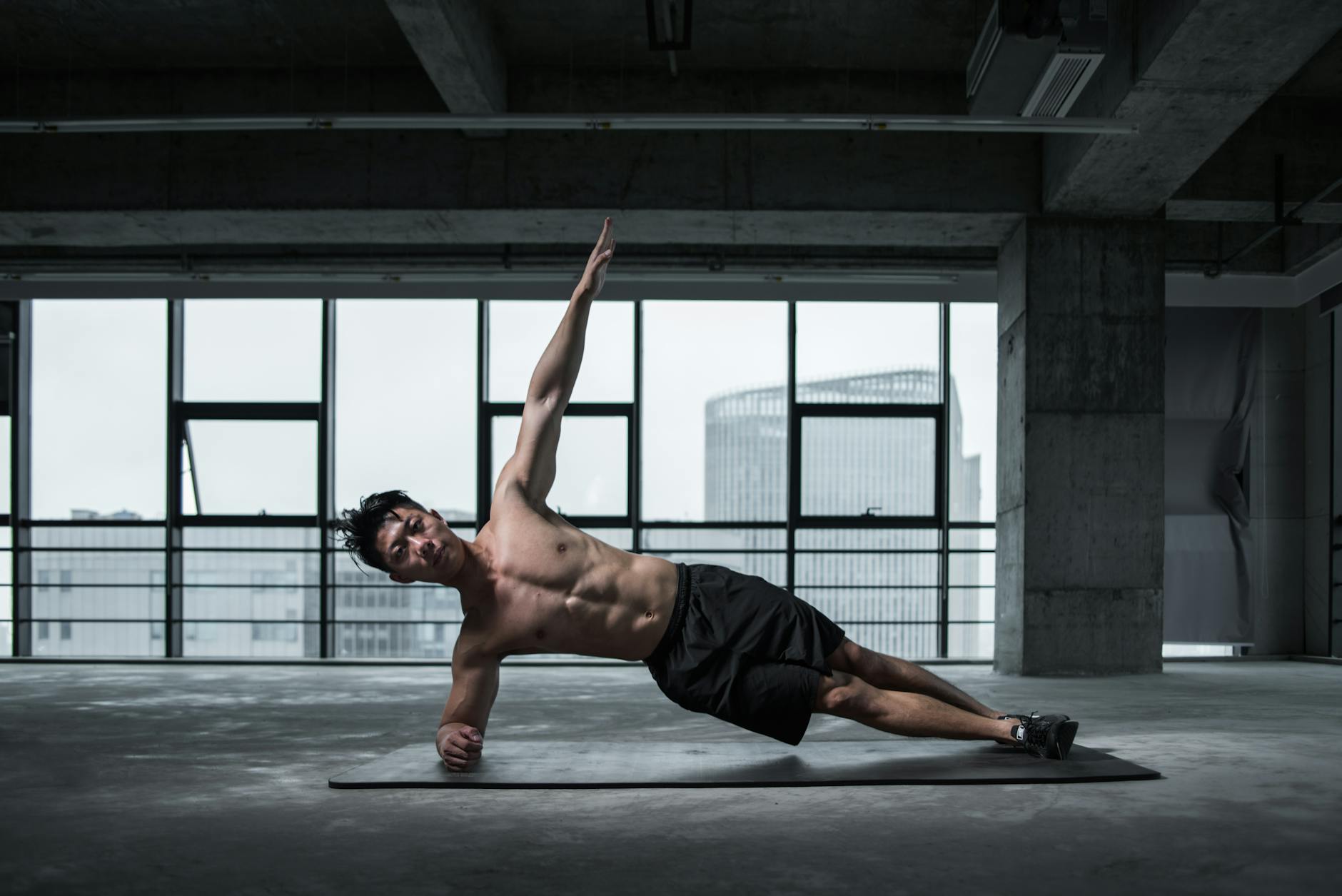
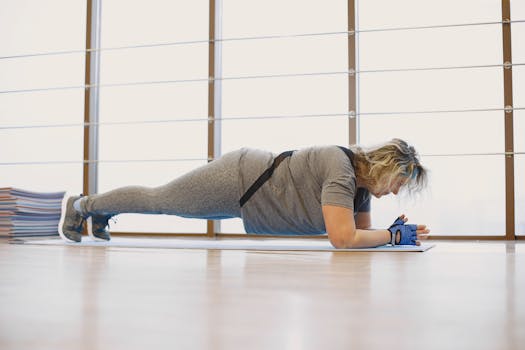 Photo: Gustavo Fring / Pexels
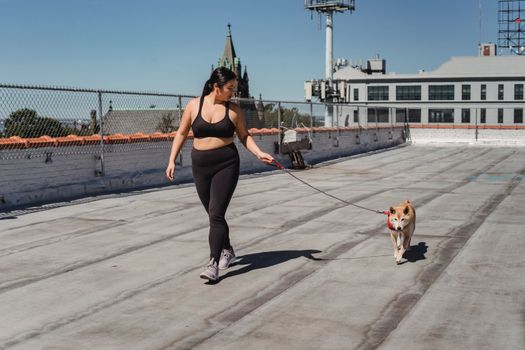 Photo: Sam Lion / Pexels
 Photo: Andrea Piacquadio / Pexels
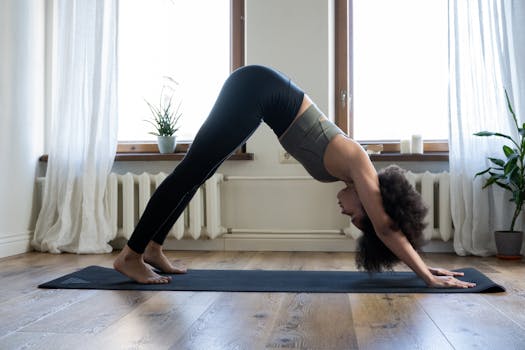 Photo: cottonbro studio / Pexels