✓ Delayed Onset Muscle Soreness (DOMS) typically peaks 24-72 hours after intense exercise.
✓ Proper warm-up and cool-down routines are foundational for muscle soreness prevention.
✓ Adequate hydration and nutrition, especially protein, are crucial for muscle repair.
✓ Active recovery and light movement can be more beneficial than complete rest for DOMS.
How It Works
1
Pre-Workout Preparation
Prepare your body for exercise with dynamic stretches and a gradual increase in intensity. This primes muscles and reduces the shock of sudden exertion.
2
Intra-Workout Management
Listen to your body, avoid sudden increases in load or volume, and maintain good form. Consistent hydration throughout your workout is also key.
3
Post-Workout Recovery Protocol
Implement static stretching, foam rolling, and a nutrient-rich recovery meal immediately after your session. This aids in muscle repair and reduces inflammation.
4
Ongoing Lifestyle Habits
Prioritize quality sleep, stay consistently hydrated, and manage stress to support overall muscle recovery and reduce chronic soreness. Consistency is paramount.
Most of us have experienced that familiar, sometimes debilitating, ache that sets in a day or two after a particularly challenging workout. This isn't just a sign that you 'worked hard,' but rather a physiological response known as Delayed Onset Muscle Soreness, or DOMS. Understanding DOMS is the first critical step in learning how to prevent muscle soreness after workout. It's not caused by lactic acid buildup, as was once commonly believed, but rather by microscopic tears in the muscle fibers and the subsequent inflammatory response as your body works to repair and rebuild those fibers stronger than before. These micro-traumas are a natural part of the muscle adaptation process, especially when you introduce new exercises, increase intensity, or extend the duration of your training. The severity of DOMS can vary greatly depending on the type of exercise, with eccentric contractions (the lengthening phase of a muscle action, like lowering a weight or running downhill) often causing the most significant soreness. While DOMS is a temporary condition, it can negatively impact your motivation, performance in subsequent workouts, and overall quality of life if not managed effectively. It can manifest as tenderness, stiffness, reduced range of motion, and even temporary weakness in the affected muscles. For many, this discomfort can be a major barrier to maintaining a consistent exercise routine. Therefore, developing a comprehensive strategy to mitigate its effects is essential for anyone serious about their fitness journey. This strategy involves a multi-faceted approach that addresses pre-workout preparation, intra-workout practices, and crucial post-workout recovery techniques. By understanding the 'why' behind the pain, we can better implement the 'how' to reduce its impact and keep you moving towards your fitness goals. Ignoring DOMS or simply 'pushing through' it without proper care can sometimes lead to more severe issues or prolonged recovery periods. The goal isn't to eliminate all muscle sensation, as some feedback is natural and indicates effective training, but to reduce the painful, restrictive soreness that hinders progress. Learning about proper exercise technique can also significantly reduce the likelihood of excessive muscle damage and subsequent soreness, ensuring your workouts are productive and safe.
Pre-Workout Strategies for Minimizing Soreness
Photo: Justin L U C K / Pexels
The battle against post-workout muscle soreness begins even before you lift a single weight or take your first stride. Effective pre-workout strategies are foundational in preparing your muscles for the demands of exercise, thereby significantly reducing the likelihood and severity of DOMS. One of the most crucial elements is a proper warm-up. A warm-up should not be confused with static stretching. Instead, it should consist of 5-10 minutes of light cardiovascular activity, such as jogging, cycling, or jumping jacks, followed by dynamic stretches. Dynamic stretches involve moving your body through a range of motion that mimics the exercises you're about to perform. Examples include leg swings, arm circles, torso twists, and walking lunges. These movements increase blood flow to the muscles, raise muscle temperature, improve joint mobility, and activate the nervous system, effectively preparing your body for more strenuous activity. A well-executed warm-up literally 'warms up' your muscles, making them more pliable and less susceptible to microscopic tears. Another vital pre-workout consideration is progressive overload. While challenging your muscles is necessary for growth, sudden, drastic increases in intensity, volume, or duration are prime culprits for severe DOMS. Instead, gradually increase the demands on your body over time. This allows your muscles to adapt and strengthen progressively, minimizing the shock that leads to excessive soreness. If you're new to an exercise or returning after a break, start with lighter weights or shorter durations and slowly build up. Hydration is also paramount. Muscles that are well-hydrated are more elastic and efficient, and less prone to injury and soreness. Begin hydrating well before your workout, not just during. Consuming adequate water throughout the day ensures your body's cells are functioning optimally, which is critical for muscle performance and recovery. Furthermore, consider a small, easily digestible pre-workout snack that provides carbohydrates for energy and a small amount of protein. This fuels your muscles and can help prevent excessive muscle breakdown during exercise. Avoiding training on an empty stomach can make a significant difference. Lastly, ensure you're getting adequate rest in the days leading up to your workout. Overtraining or starting a strenuous session while already fatigued can exacerbate muscle damage and prolong recovery. These preventative measures, though seemingly simple, collectively form a powerful defense against the discomfort of DOMS, setting the stage for a more enjoyable and productive fitness experience.
Optimizing Post-Workout Recovery and Nutrition
Photo: Ketut Subiyanto / Pexels
The period immediately following your workout, often referred to as the 'recovery window,' is arguably the most critical time for implementing strategies on how to prevent muscle soreness after workout. What you do in these crucial hours can significantly impact the severity and duration of DOMS. The first and most often overlooked step is a proper cool-down. Just as important as a warm-up, a cool-down allows your heart rate to gradually return to normal and helps flush metabolic byproducts from your muscles. This typically involves 5-10 minutes of light cardio followed by static stretching. Static stretches involve holding a stretch for 20-30 seconds, targeting the muscles you just worked. This helps improve flexibility and can reduce muscle stiffness. Foam rolling or self-myofascial release is another highly effective recovery tool. By applying pressure to specific points on your body, a foam roller can help break up muscle knots, improve blood flow, and release tension in tight muscles. This can be a somewhat uncomfortable process initially, but the benefits in terms of reduced soreness and improved flexibility are substantial. Focus on rolling slowly and deliberately over muscle groups, pausing on tender spots. Nutritional intake post-workout is equally vital. Your muscles are primed to absorb nutrients for repair and replenishment. Aim for a recovery meal or shake within 30-60 minutes after your workout that combines protein and carbohydrates. Protein provides the amino acids necessary for muscle repair and rebuilding, while carbohydrates replenish glycogen stores that were depleted during exercise. A general guideline is a 3:1 or 4:1 carbohydrate-to-protein ratio, though individual needs may vary. Examples include a protein shake with a banana, Greek yogurt with berries, or chicken and sweet potato. Hydration continues to be critical post-workout. Replenish fluids lost through sweat by drinking plenty of water or electrolyte-rich beverages. Dehydration can exacerbate muscle soreness and impair recovery. Beyond the immediate post-workout window, ensuring adequate sleep is non-negotiable. During deep sleep, your body releases growth hormone, which is essential for muscle repair and regeneration. Aim for 7-9 hours of quality sleep per night. Consider incorporating active recovery on rest days, such as light walking, swimming, or cycling. This gentle movement increases blood flow without adding stress, aiding in the removal of waste products and accelerating recovery. Integrating massage into your routine, whether professional or self-massage tools, can also significantly contribute to reducing muscle soreness and promoting overall recovery. By consistently applying these post-workout recovery and nutrition strategies, you’re not just mitigating soreness; you’re optimizing your body’s ability to adapt and grow stronger, paving the way for more consistent and effective training.
Common Mistakes and Advanced Tips for Soreness Prevention
Photo: Ketut Subiyanto / Pexels
While understanding the basics of how to prevent muscle soreness after workout is crucial, many individuals inadvertently make common mistakes that exacerbate their discomfort. Avoiding these pitfalls and incorporating advanced tips can further refine your recovery strategy.
**Common Mistakes to Avoid:**
* **Skipping the Warm-up or Cool-down:** This is perhaps the most frequent error. Rushing into a workout or immediately stopping without a proper cool-down shocks the muscles, leading to greater micro-trauma and inflammation.
* **Sudden Increases in Intensity/Volume:** Overambitious training plans, especially when starting a new program or returning after a break, overload untrained muscles. Gradually increase your load or duration by no more than 10% per week.
* **Neglecting Hydration:** Many people underestimate the role of water. Dehydrated muscles are less efficient, more prone to cramping, and recover slower. Sip water consistently throughout the day, not just during workouts.
* **Inadequate Protein Intake:** Without sufficient protein, your body lacks the building blocks to repair muscle damage. Ensure you're consuming enough protein, especially post-workout, to support muscle synthesis.
* **Poor Sleep Hygiene:** Sleep is where the magic of recovery happens. Chronic sleep deprivation significantly impairs muscle repair and hormone regulation, directly impacting soreness and performance.
* **Overtraining:** Pushing your body too hard, too often, without sufficient rest, leads to chronic inflammation and persistent soreness, hindering progress and increasing injury risk.
**Advanced Tips for Enhanced Prevention:**
* **Contrast Hydrotherapy:** Alternating between hot and cold showers or baths can improve blood circulation, reduce inflammation, and accelerate recovery. Try 1-2 minutes hot, 30 seconds cold, repeated 3-5 times.
* **Compression Garments:** Wearing compression sleeves or tights after a workout can help reduce muscle oscillation, improve blood flow, and potentially decrease swelling, leading to less soreness.
* **Magnesium Supplementation:** Magnesium plays a vital role in muscle function and relaxation. If you're deficient, supplementing can help reduce muscle cramps and soreness. Consult a healthcare professional before starting any supplements.
* **Tart Cherry Juice:** Some research suggests that tart cherry juice, rich in antioxidants and anti-inflammatory compounds, can help reduce muscle damage and soreness. Consider adding it to your post-workout routine.
* **Epsom Salt Baths:** Soaking in an Epsom salt bath can help relax muscles and reduce soreness. Magnesium in the salts is believed to be absorbed through the skin, aiding in muscle recovery.
* **Mindful Movement:** Incorporating practices like yoga or tai chi on rest days can improve flexibility, reduce stiffness, and promote active recovery, enhancing overall muscle health.
By being mindful of these common mistakes and proactively integrating these advanced tips, you can significantly enhance your body's ability to recover, ensuring that muscle soreness becomes a minor inconvenience rather than a major barrier to your fitness aspirations.
Comparison
Feature
Best Option (Proactive)
Alternative 1 (Reactive)
Alternative 2 (Supportive)
Timing
Pre & Post-Workout
After soreness sets in
Ongoing
Primary Goal
Prevent/Minimize DOMS
Alleviate existing pain
Enhance overall recovery
Key Activities
Warm-up, Cool-down, Nutrition
Rest, Pain relievers
Sleep, Hydration, Stress Mgmt
Effectiveness
High
Moderate (manages symptoms)
High (long-term benefits)
Long-term Benefit
Consistent progress, fewer interruptions
Temporary relief
Improved resilience, faster recovery
Cost
Low (time investment)
Moderate (medication, therapies)
Low (lifestyle changes)
What Readers Say
★★★★★
"Following these tips on how to prevent muscle soreness after workout has been a game-changer. My squat days used to leave me barely able to walk, but with proper cool-downs and nutrition, I'm recovering so much faster now."
Sarah J. · Austin, TX
★★★★★
"I always thought soreness was just part of the grind. But incorporating foam rolling and prioritizing protein immediately post-workout has drastically reduced my DOMS. I feel ready for my next session sooner."
Mark D. · Chicago, IL
★★★★★
"After struggling with intense soreness after my HIIT classes, I started using the warm-up and cool-down routines described here. My recovery time has been cut in half, and I've seen a noticeable improvement in my consistency and performance."
Jessica L. · Miami, FL
★★★★★
"While I still get a little sore after particularly heavy lifting sessions, the advice on hydration and sleep has made a huge difference. It's not a magic bullet, but it definitely makes the discomfort much more manageable."
Chris P. · Denver, CO
★★★★★
"As a new runner, the shin splints and leg soreness were almost making me quit. Learning how to prevent muscle soreness after workout through progressive training and active recovery has allowed me to stick with it and enjoy my runs much more."
Emily R. · Seattle, WA
Frequently Asked Questions
What is the single most effective way to prevent muscle soreness after a workout?
While there isn't a single 'most effective' way, a combination of a thorough warm-up, a gradual cool-down with static stretching, and immediate post-workout nutrition (protein and carbs) is generally considered the most impactful holistic approach to minimize DOMS. Consistency with these practices yields the best results.
Is it okay to work out again if my muscles are still sore from the previous session?
It depends on the severity of the soreness. Light, active recovery (e.g., walking, cycling) can actually help alleviate mild soreness by increasing blood flow. However, if your muscles are very sore, weak, or painful to the touch, it's best to rest or work a different muscle group to allow for adequate recovery and prevent further injury.
How do I properly cool down after a workout to reduce soreness?
A proper cool-down should involve 5-10 minutes of light cardiovascular activity (like a slow jog or walk) to gradually lower your heart rate, followed by 5-10 minutes of static stretching. Hold each stretch for 20-30 seconds, focusing on the major muscle groups you just worked, without bouncing.
Are expensive supplements necessary to prevent muscle soreness?
No, expensive supplements are generally not necessary. The most impactful strategies for preventing muscle soreness come from consistent foundational practices like proper warm-ups, cool-downs, adequate hydration, balanced nutrition (especially protein), and sufficient sleep. While some supplements like magnesium or tart cherry juice may offer marginal benefits, they are secondary to these core habits.
How does foam rolling help with muscle soreness, and when should I do it?
Foam rolling, or self-myofascial release, helps by applying pressure to tight muscles and fascia, improving blood flow, releasing muscle knots, and increasing flexibility. It's most effective when done as part of your cool-down immediately after a workout, or on rest days as a form of active recovery to alleviate existing stiffness and soreness.
Who benefits most from these muscle soreness prevention techniques?
Everyone who exercises, from beginners to elite athletes, can benefit from these techniques. Beginners often experience more severe DOMS due to unaccustomed movements, making prevention crucial for adherence. Experienced athletes benefit by optimizing recovery, allowing for more consistent training and performance gains without excessive downtime.
Can dehydration worsen muscle soreness?
Yes, absolutely. Dehydration can significantly worsen muscle soreness. Water plays a crucial role in nutrient transport, muscle elasticity, and waste product removal. When you're dehydrated, these processes are impaired, leading to less efficient muscle function, increased muscle damage risk, and prolonged or more intense DOMS.
What future trends are emerging in muscle soreness prevention?
Future trends include more personalized recovery protocols based on individual biometric data (e.g., heart rate variability, sleep tracking), advanced compression technologies, targeted cryotherapy (localized cold therapy), and further research into specific nutritional compounds and adaptogens to enhance muscle repair and reduce inflammation. Wearable tech will play an increasing role in guiding real-time recovery decisions.
Don't let muscle soreness derail your fitness progress. By consistently applying these expert strategies on how to prevent muscle soreness after workout, you can train smarter, recover faster, and enjoy a more comfortable and effective fitness journey. Start implementing these tips today and feel the difference!

 Photo: Joni Tuohimaa / Pexels
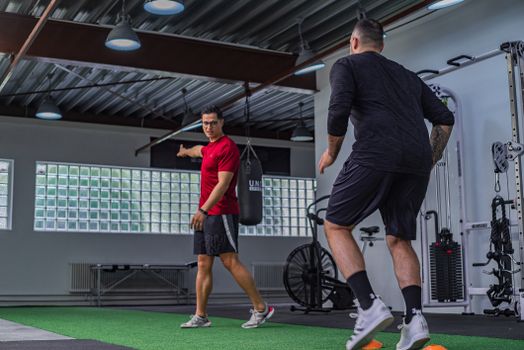 Photo: Justin L U C K / Pexels
 Photo: Ketut Subiyanto / Pexels
 Photo: Ketut Subiyanto / Pexels