How to Start Working Out at Home: Your Ultimate Guide
August 17, 2026 14 min read 2,825 words
Transform your fitness journey from the comfort of your living room with expert tips and actionable steps.
Start Your Home Workout Today
Why Choose Home Workouts? Understanding the Benefits
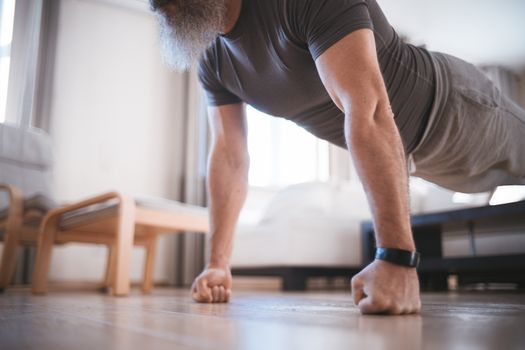 Photo: Mikhail Nilov / Pexels
In an increasingly busy world, finding time and motivation to hit the gym can feel like an Olympic feat. This is where the magic of home workouts truly shines, offering a compelling alternative that fits seamlessly into modern life. Understanding the myriad benefits can be the crucial first step in committing to a home-based fitness journey. Perhaps the most obvious advantage is unparalleled convenience. No more commuting, no battling for equipment, and no strict opening hours. Your gym is always open, located just steps away, whether it's 6 AM or 10 PM. This flexibility empowers you to fit exercise into your schedule, rather than trying to fit your schedule around exercise. For many, this removes one of the biggest barriers to consistent physical activity.
Beyond convenience, home workouts offer a significant financial advantage. Gym memberships, personal training sessions, and specialized classes can quickly add up, becoming a substantial monthly expense. With home workouts, the initial investment can be minimal, often just a pair of sneakers and some comfortable clothing. As you progress, you might consider small additions like resistance bands or a yoga mat, but these are typically one-time costs far less than ongoing gym fees. This cost-effectiveness makes fitness accessible to a wider audience, democratizing health and wellness.
Privacy and comfort are also major draws. For those who feel intimidated by crowded gyms, self-conscious about their current fitness level, or simply prefer to exercise without an audience, working out at home provides a sanctuary. You can wear what you want, listen to your own music (or no music at all), and focus entirely on your form and effort without external distractions or perceived judgments. This creates a safe and comfortable environment conducive to pushing your limits and building confidence.
Furthermore, home workouts foster a sense of autonomy and self-reliance. You become your own personal trainer, learning to listen to your body, modify exercises, and structure your routines. This can be incredibly empowering and leads to a deeper understanding of your physical capabilities and needs. It also cultivates discipline and self-motivation, qualities that extend far beyond your workout space. The ability to adapt and be resourceful is a key component of long-term fitness success.
Finally, home workouts are incredibly adaptable. Whether you have 10 minutes or an hour, whether you're a complete beginner or an experienced athlete, there's a home workout routine that can be tailored to your needs. This adaptability is particularly valuable for individuals with unique schedules, caregiving responsibilities, or limited access to traditional fitness facilities. Embrace the freedom and flexibility that home workouts provide, and you'll unlock a sustainable path to a healthier, more active life. For more tips on maintaining a healthy lifestyle, check out our guide on
how to stay motivated to exercise.
Essential Equipment for Starting Your Home Fitness Journey
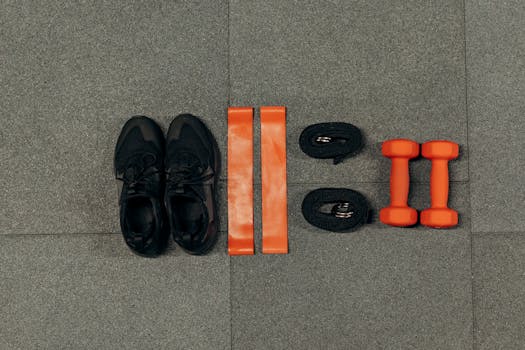 Photo: Mikhail Nilov / Pexels
One of the most common misconceptions about starting a home workout routine is the belief that you need a room full of expensive, specialized equipment. This couldn't be further from the truth. While a fully equipped home gym can be a luxury for some, the reality is that you can achieve incredible fitness results with minimal to no equipment. The key is to start with what you have and gradually add items as your needs and budget allow.
For absolute beginners, your own bodyweight is the most powerful tool you possess. Exercises like push-ups, squats, lunges, planks, and crunches require no equipment whatsoever and are incredibly effective for building foundational strength, endurance, and flexibility. These movements form the cornerstone of many effective home workout programs and can be modified to suit various fitness levels. Don't underestimate the power of mastering these basic movements before investing in anything else.
Once you've established a consistent bodyweight routine, a few inexpensive items can significantly enhance your workouts. A good quality yoga mat is highly recommended. It provides cushioning for floor exercises, improves grip, and defines your workout space, making it feel more intentional. Resistance bands are another game-changer. These versatile, portable, and affordable tools come in various strengths and can be used to add resistance to squats, glute bridges, arm exercises, and more. They're excellent for both strength training and rehabilitation.
Dumbbells are a classic for a reason. Starting with a light set (e.g., 5-10 lbs) can help you progressively overload your muscles, leading to greater strength gains. Adjustable dumbbells are a fantastic space-saving option if you plan to increase weight over time. Kettlebells offer a different dynamic, great for full-body movements and building explosive power, though they might be better suited once you have a basic understanding of form. Jump ropes are an excellent cardiovascular tool, providing an intense cardio workout in a small space, perfect for warming up or as a standalone cardio session.
Beyond these, consider a stability ball for core work and balance exercises, or a pull-up bar that can be mounted in a doorway for upper body strength. However, remember that these are additions, not necessities for starting. The most important 'equipment' you need is a positive attitude and a commitment to consistency. Many successful home fitness journeys begin with nothing more than comfortable clothes and a clear space. Focus on proper form and listen to your body, and you'll be well on your way to achieving your fitness goals from home. Your personal fitness journey should be about progression, not perfection, and certainly not about acquiring the most expensive gear.
Crafting Your Perfect Home Workout Routine: Structure and Progression
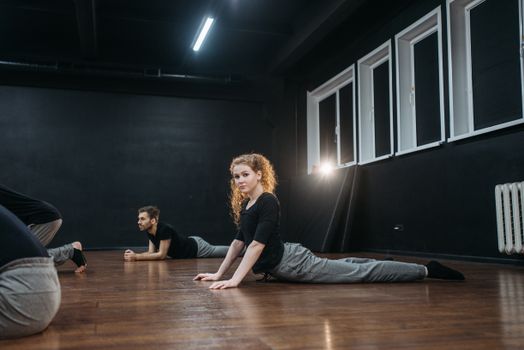 Photo: Pavel Danilyuk / Pexels
Designing an effective home workout routine involves more than just randomly picking exercises. It requires a thoughtful approach to structure, progression, and listening to your body. A well-designed routine ensures you're challenging yourself appropriately, targeting all major muscle groups, and minimizing the risk of injury. The first step is to establish a realistic schedule. How many days a week can you commit? For beginners, 3-4 days a week, with rest days in between, is an excellent starting point. Each session doesn't need to be an hour long; even 20-30 minutes of focused effort can yield significant results.
Every workout should begin with a proper warm-up. This prepares your body for exercise by increasing blood flow to muscles, improving flexibility, and mentally preparing you for the task ahead. Dynamic stretches like arm circles, leg swings, torso twists, and light cardio (like marching in place or jumping jacks) for 5-10 minutes are ideal. Avoid static stretches (holding a stretch for an extended period) before your main workout, as these are better suited for cooling down.
Next comes the main workout phase. A balanced routine should incorporate elements of strength training, cardiovascular exercise, and flexibility. For strength, focus on compound movements that work multiple muscle groups simultaneously. Think squats, lunges, push-ups (on knees or toes), planks, and glute bridges. Aim for 2-3 sets of 8-15 repetitions for each exercise, adjusting based on your fitness level. If an exercise is too difficult, find an easier modification (e.g., wall push-ups instead of floor push-ups). If it's too easy, increase repetitions, add resistance (bands, light weights), or try a more challenging variation.
Cardiovascular elements can be integrated into your strength routine as active rests between sets (e.g., jumping jacks) or as dedicated cardio sessions. High-Intensity Interval Training (HIIT) is particularly effective for home workouts, alternating short bursts of intense activity with brief recovery periods. Examples include burpees, mountain climbers, or high knees. If you prefer steady-state cardio, consider jogging in place, jumping rope, or even dancing to your favorite music.
Always conclude your workout with a cool-down. This helps bring your heart rate down gradually and improves flexibility. Static stretches, holding each stretch for 20-30 seconds, are perfect here. Focus on stretching the muscles you've worked, such as hamstrings, quads, chest, and shoulders.
Progression is vital for continuous improvement. Once an exercise becomes easy, it's time to make it harder. This could mean increasing reps, adding sets, using heavier weights (if applicable), reducing rest time, or trying a more advanced variation of the exercise. Keep a workout log to track your progress, noting exercises performed, sets, reps, and any weights used. This not only motivates you but also helps you see how far you've come. Remember, consistency and gradual progression are far more important than intensity in the beginning. For additional inspiration, explore our article on
effective bodyweight exercises for beginners.
Overcoming Challenges and Staying Motivated for Home Fitness
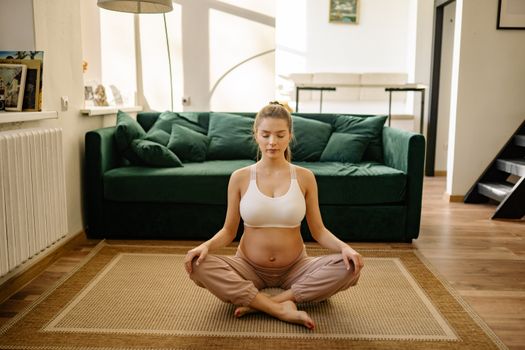 Photo: Yan Krukau / Pexels
Starting a home workout routine is an accomplishment, but maintaining it consistently is where the real challenge often lies. Without the external accountability of a gym or a trainer, it's easy for motivation to wane. However, with the right strategies, you can overcome common hurdles and build a sustainable home fitness habit.
One of the biggest challenges is simply getting started each day. To combat this, treat your workouts like non-negotiable appointments. Schedule them in your calendar and stick to them. Lay out your workout clothes the night before, or even sleep in them if you're an early bird. Creating a ritual around your workout can signal to your brain that it's time to get active.
Distractions are abundant at home – household chores, family members, the tempting couch. Minimize these by dedicating a specific, uninterrupted time slot to your workout. Politely inform family members that you're exercising and need some focus time. Turn off your phone's notifications or put it in another room. Create a space that is solely for your fitness, even if it's just a cleared corner.
Lack of variety can lead to boredom and burnout. Don't be afraid to mix things up! Explore different types of home workouts – yoga, Pilates, dance fitness, HIIT, strength training, bodyweight circuits. Online platforms and YouTube offer an endless array of free and paid classes. Trying new things keeps your muscles guessing and your mind engaged.
Seeing results is a powerful motivator, but they don't always appear overnight. Don't get discouraged if the scale doesn't move immediately or if you can't do as many push-ups as you'd like. Focus on non-scale victories: improved energy levels, better sleep, clothes fitting differently, increased strength, or simply feeling better mentally. Track your progress, whether it's through a journal, photos, or by logging your reps and sets. Celebrate small wins along the way.
Accountability can be a huge boost. Share your goals with a friend or family member, or join an online fitness community. Knowing someone is checking in on you can provide that extra push. Consider virtual workout buddies where you exercise together over video calls.
Finally, remember your 'why.' Why did you decide to start working out at home in the first place? Is it for better health, more energy, stress reduction, or a specific goal? Reconnecting with your core motivation can reignite your drive when you feel like giving up. Be kind to yourself, too. Some days you'll feel amazing, others less so. It's okay to have off days, but the key is to get back on track the next day. Consistency, not perfection, is the goal for long-term success in your home fitness journey.
**Tips for Sustained Home Workout Success:**
* **Set SMART Goals:** Specific, Measurable, Achievable, Relevant, Time-bound objectives.
* **Create a Dedicated Space:** Even a small area helps mentally prepare you.
* **Curate a Killer Playlist:** Music can be a powerful motivator.
* **Invest in Good Workout Attire:** Comfortable clothes can make a difference.
* **Listen to Your Body:** Don't push through pain; modify or rest.
* **Stay Hydrated:** Keep water nearby during your workouts.
* **Reward Yourself (Non-Food Related):** A new workout top, a massage, or a relaxing bath.
* **Embrace Rest and Recovery:** Essential for muscle repair and preventing burnout.