Mastering Stretching Exercises for Back Pain Relief
stretching exercises for back pain relief

Mastering Stretching Exercises for Back Pain Relief

Unlock lasting comfort and flexibility with a targeted routine designed to soothe and strengthen your back.

Start Stretching Today

Key Takeaways

  • ✓ Over 80% of adults experience back pain at some point in their lives.
  • ✓ Regular stretching can significantly reduce back pain intensity and frequency.
  • ✓ Specific stretches target different muscle groups contributing to back discomfort.
  • ✓ Proper form is crucial to prevent injury and maximize benefits.

How It Works

1
Understand Your Pain

Identify the type and location of your back pain to select the most appropriate stretches. Consulting a healthcare professional can provide valuable insights into the root cause of your discomfort.

2
Warm-Up Gently

Before stretching, engage in light aerobic activity for 5-10 minutes to prepare your muscles. This increases blood flow and makes tissues more pliable, reducing the risk of injury.

3
Perform Targeted Stretches

Execute each stretch slowly and deliberately, holding for 20-30 seconds. Focus on proper form and controlled movements, never bouncing or pushing into pain.

4
Consistency is Key

Incorporate a stretching routine into your daily or weekly schedule for optimal and lasting relief. Regularity reinforces muscle memory and improves long-term flexibility and strength.

Understanding Back Pain and the Role of Flexibility

Man stretching arms in a gym, viewed from behind, focusing on fitness and flexibility. Photo: Joni Tuohimaa / Pexels
Back pain is a pervasive issue, affecting millions of Americans annually. It can range from a dull, constant ache to sudden, sharp pain that makes movement difficult. While the causes are diverse—including poor posture, muscle strain, injury, and underlying medical conditions—a common contributing factor is often a lack of flexibility and strength in the muscles supporting the spine. When muscles in the back, hips, and hamstrings become tight, they can pull on the pelvis and spine, altering alignment and increasing pressure on spinal discs and nerves. This misalignment can lead to chronic discomfort and limit your range of motion. Addressing muscle imbalances and improving overall flexibility are crucial steps in managing and preventing back pain. Stretching exercises play a pivotal role in this process. They work by elongating muscle fibers, increasing their elasticity, and improving joint mobility. For instance, tight hamstrings can tilt the pelvis backward, flattening the natural curve of the lower back and putting stress on the lumbar spine. Similarly, weak abdominal muscles can allow the pelvis to tilt forward, exaggerating the lower back curve and leading to discomfort. Targeted stretches help to release tension in these tight muscles, restore proper posture, and alleviate the strain on your back. Beyond simply feeling good, regular stretching can enhance blood circulation to the muscles, promoting healing and reducing inflammation. It also helps to improve proprioception, your body's awareness of its position in space, which can lead to better movement patterns and reduced risk of future injury. Embracing a consistent stretching regimen is not just about temporary relief; it's about fostering a healthier, more resilient spine and a more active, pain-free life. Understanding the biomechanics of your back pain is the first step toward effective self-management through stretching and other fitness interventions.

Essential Stretching Exercises for Lower Back Pain Relief
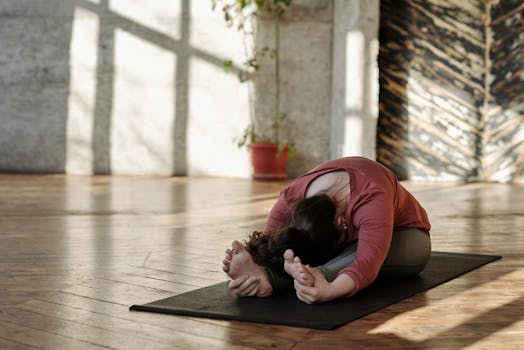
A woman performing yoga on a mat outdoors in a serene wooden deck setting. Photo: Anastasia Shuraeva / Pexels
When targeting lower back pain, a combination of stretches that address the lumbar spine, hips, and hamstrings is most effective. Here are some foundational exercises: 1. **Knee-to-Chest Stretch:** Lie on your back with knees bent and feet flat on the floor. Bring one knee towards your chest, grasping it with both hands. Gently pull the knee closer until you feel a stretch in your lower back and glutes. Hold for 20-30 seconds, then repeat with the other leg. You can also do this with both knees simultaneously for a deeper stretch. 2. **Pelvic Tilts:** Lie on your back with knees bent and feet flat, arms by your sides. Gently flatten your lower back against the floor by tightening your abdominal muscles and tilting your pelvis upward. You should feel your tailbone lift slightly. Hold for 5-10 seconds, then release. This small, controlled movement helps to mobilize the lower spine and engage core muscles. 3. **Cat-Cow Stretch:** Start on your hands and knees, with wrists directly under shoulders and knees under hips. Inhale as you drop your belly towards the floor, lifting your chest and tailbone towards the ceiling (Cow position). Exhale as you round your spine towards the ceiling, tucking your chin to your chest and pulling your navel towards your spine (Cat position). Flow smoothly between these two positions for 10-15 repetitions, synchronizing with your breath. 4. **Child's Pose:** Begin on your hands and knees. Sit your hips back towards your heels, extending your arms forward with palms down, or resting them alongside your body. Allow your forehead to rest on the floor. This gentle stretch decompresses the spine and relaxes the back muscles. Hold for 30 seconds to a minute. 5. **Piriformis Stretch (Figure-Four Stretch):** Lie on your back with knees bent and feet flat. Cross your right ankle over your left knee. Gently pull your left thigh towards your chest, feeling the stretch in your right glute and hip. Hold for 20-30 seconds, then switch sides. The piriformis muscle, located deep in the buttock, can often contribute to lower back and sciatic-like pain when tight. 6. **Hamstring Stretch (Lie-Down or Seated):** For the lie-down version, lie on your back and raise one leg straight up, looping a towel or strap around the arch of your foot. Gently pull the leg towards your head, keeping it straight, until you feel a stretch in the back of your thigh. For the seated version, sit on the floor with one leg extended and the other bent with your foot against your inner thigh. Hinge forward from your hips, reaching towards your extended foot. Hold for 20-30 seconds per leg. Tight hamstrings are a major contributor to lower back stress. 7. **Spinal Twist (Supine):** Lie on your back with knees bent and feet flat. Extend your arms out to the sides in a 'T' shape. Gently let both knees fall to one side, keeping your shoulders grounded. You'll feel a gentle twist in your lower back. Hold for 20-30 seconds, then switch sides. This helps to mobilize the spine and release tension. These exercises should be performed slowly and deliberately. Listen to your body and never push into sharp or increasing pain. Consistency is more important than intensity. Aim to incorporate these stretches into your routine several times a week for optimal results. Remember that while these stretches are generally safe and beneficial, if you experience chronic or severe back pain, consulting with a physical therapist or doctor is always recommended to rule out underlying conditions and ensure you're performing the correct movements for your specific needs.

Targeting Upper Back and Neck Pain with Specific Stretches

A man in a blue shirt performing a stretching exercise outdoors, promoting healthy living and fitness. Photo: Kindel Media / Pexels
While lower back pain often grabs the spotlight, discomfort in the upper back and neck is equally common, frequently exacerbated by prolonged desk work, poor posture, and stress. Tightness in the shoulders, neck, and upper back can lead to headaches, restricted movement, and radiating pain. Incorporating specific stretches for these areas can significantly alleviate tension and improve overall comfort. Improving upper body mobility is essential for a balanced and pain-free physique. 1. **Neck Tilts and Rotations:** Gently tilt your head to bring your ear towards your shoulder, holding for 15-20 seconds. Repeat on the other side. Then, slowly turn your head to look over one shoulder, holding for 15-20 seconds, and repeat on the other side. Finish by gently tucking your chin to your chest, feeling a stretch in the back of your neck. These movements increase flexibility and reduce stiffness in the cervical spine. 2. **Shoulder Rolls:** Sit or stand tall. Roll your shoulders forward in a circular motion for 5-10 repetitions, then reverse the direction, rolling them backward. This helps to release tension in the trapezius and rhomboid muscles, which often become tight from slouching. 3. **Doorway Chest Stretch:** Stand in a doorway with your forearms on the doorframe, elbows bent at 90 degrees. Step one foot forward through the doorway, gently leaning into the stretch until you feel it across your chest and shoulders. This opens up the chest, countering the hunched-over posture common with desk work, and helps to pull the shoulders back, aligning the upper spine. 4. **Upper Back Extension (Seated):** Sit comfortably in a chair. Clasp your hands behind your head, elbows pointing forward. Inhale, then as you exhale, gently arch your upper back, looking slightly upwards, and let your elbows open slightly. This helps to extend the thoracic spine, which often becomes rigid. Avoid excessive arching or straining your neck. 5. **Thread the Needle:** Start on your hands and knees. Slide your right arm under your left armpit, palm facing up, allowing your right shoulder and the side of your head to rest on the floor. Your left arm can extend forward or stay bent for support. Feel the stretch in your upper back and shoulder. Hold for 20-30 seconds, then switch sides. This is excellent for thoracic spine rotation and shoulder mobility. 6. **Scapular Squeezes:** Sit or stand tall. Gently squeeze your shoulder blades together as if trying to hold a pencil between them. Keep your shoulders down, away from your ears. Hold for 5-10 seconds, then release. Repeat 10-15 times. This strengthens the muscles that pull your shoulders back and down, improving posture. By consistently performing these upper back and neck stretches, you can counteract the effects of gravity and modern lifestyles, reducing pain and improving your overall sense of well-being. Remember to move slowly and with intention, focusing on the breath to deepen the stretch and relax the muscles.

Best Practices and Common Mistakes in Back Stretching

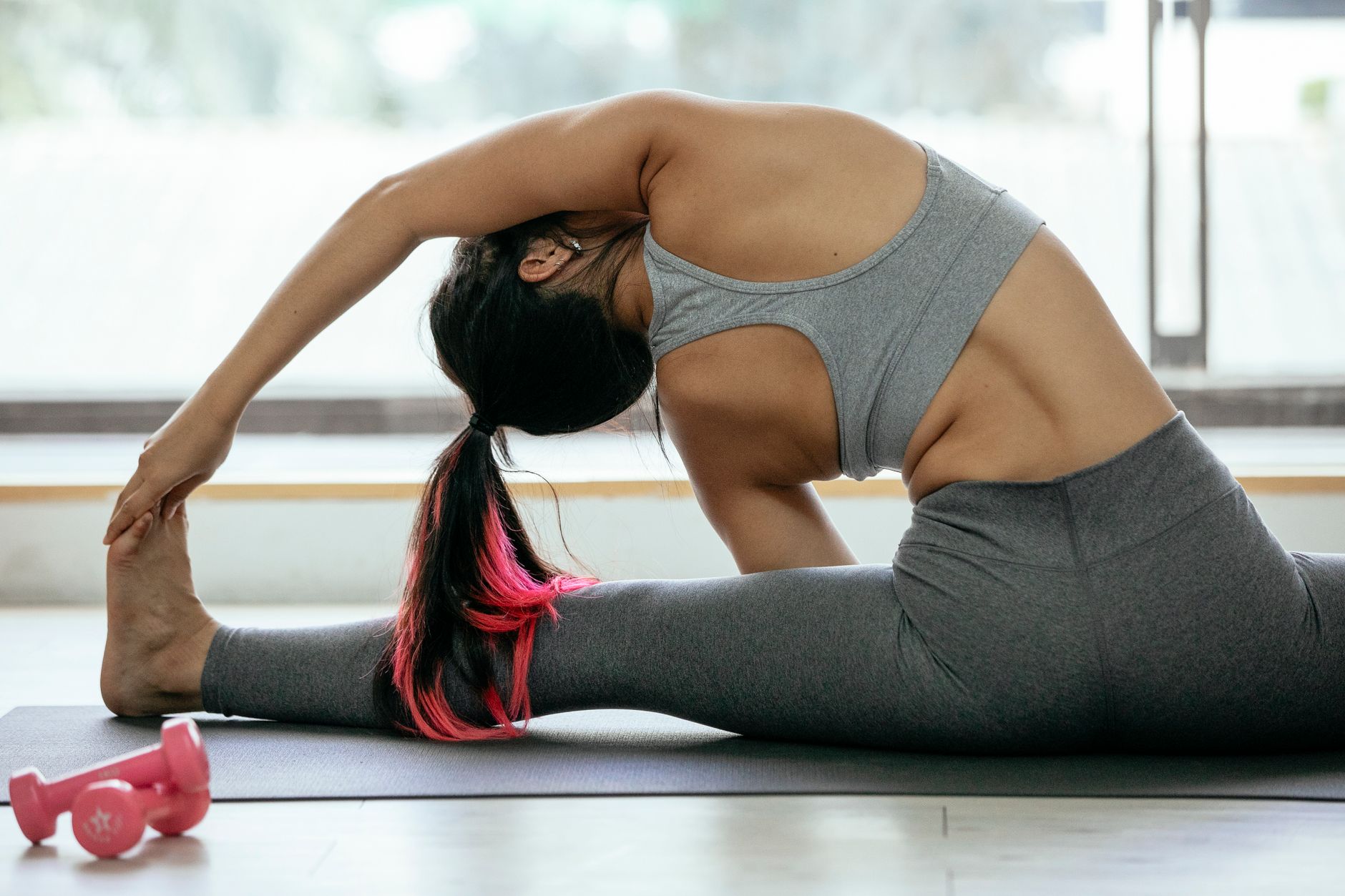
Close-up of a man's hand reaching for his foot while stretching on a gym floor. Photo: Ivan S / Pexels
To maximize the benefits of stretching for back pain relief and prevent injury, adhering to best practices and avoiding common pitfalls is essential. Here’s how to ensure your stretching routine is both effective and safe: **Best Practices for Effective Back Stretching:** * **Warm-Up First:** Always begin your stretching session with a light warm-up, such as 5-10 minutes of walking or gentle marching in place. This increases blood flow to the muscles, making them more pliable and less prone to injury. * **Listen to Your Body:** Stretch only to the point of mild tension, never into pain. Pain is your body's signal to stop. Pushing too hard can exacerbate existing issues or create new ones. * **Hold Stretches:** For static stretches, hold each position for 20-30 seconds. This duration allows the muscle fibers to lengthen effectively. Repeat each stretch 2-3 times. * **Breathe Deeply:** Use your breath to deepen the stretch. Inhale before moving into the stretch, and exhale as you gently ease further into it. Deep breathing also promotes relaxation and reduces muscle tension. * **Consistency is Key:** Regular stretching, ideally daily or at least 3-5 times a week, yields the best long-term results. Sporadic stretching is unlikely to provide significant relief or lasting flexibility improvements. * **Maintain Proper Form:** Focus on the correct technique for each stretch. Incorrect form can be ineffective or even harmful. If unsure, consult a physical therapist or certified fitness professional. * **Incorporate Strengthening:** While stretching is crucial for flexibility, strengthening your core and back muscles is equally important for long-term back health. A balanced approach combining flexibility and strength training is ideal. **Common Mistakes to Avoid:** * **Bouncing:** Never bounce during a stretch. Ballistic stretching can trigger the stretch reflex, causing muscles to contract rather than relax and lengthen, increasing the risk of muscle pulls or tears. * **Stretching Cold Muscles:** Stretching cold muscles is a recipe for injury. Always warm up your body before attempting any significant stretching. * **Holding Your Breath:** Holding your breath creates tension in the body, counteracting the relaxation needed for effective stretching. Remember to breathe deeply and smoothly throughout your routine. * **Ignoring Pain:** Pushing through sharp or increasing pain is detrimental. Distinguish between a healthy stretch sensation and pain. If it hurts, stop immediately. * **Overstretching:** While it might seem like more is better, overstretching can destabilize joints or cause muscle damage. Stick to a comfortable range of motion. * **Focusing Only on the Back:** Back pain is often referred pain from other areas like the hips, glutes, or hamstrings. Neglecting these interconnected muscle groups can limit the effectiveness of your back-focused stretches. * **Lack of Consistency:** Skipping days or weeks between sessions means you'll constantly be starting from square one. Make stretching a regular habit for sustained relief. By being mindful of these practices and avoiding common errors, you can transform your stretching routine into a powerful tool for managing and preventing back pain, leading to improved posture, increased mobility, and a better quality of life.

Comparison

FeatureStatic StretchingDynamic StretchingPNF Stretching
MethodHold stretch 20-30sControlled movement through rangeContract-relax technique
Best ForIncreasing flexibility, post-workoutWarm-up, improving mobilityRapid flexibility gains
Risk of InjuryLow (if done correctly)Moderate (if uncontrolled)Low (with proper guidance)
EquipmentNoneNoneOptional partner/band

What Readers Say

"These stretching exercises for back pain relief have been a lifesaver. After years of lower back discomfort from my desk job, I finally found a routine that works. I feel so much more flexible and the constant ache is gone."

Sarah J. · Austin, TX

"I was skeptical at first, but committing to these stretches daily has made a noticeable difference. My mornings are less stiff, and I can move with much greater ease. Highly recommend for anyone with chronic back issues."

Mark D. · Chicago, IL

"After incorporating the cat-cow and spinal twists into my daily routine for just two weeks, my sciatica pain has reduced by at least 70%. It's incredible how simple movements can create such profound relief."

Emily R. · Denver, CO

"While not a complete cure for my severe back pain, these stretches certainly provide significant comfort and help manage my symptoms throughout the day. It's a valuable tool in my overall pain management strategy, though I still combine it with other therapies."

David L. · Miami, FL

"As a busy mom, finding time for self-care is tough, but these quick and effective stretches have become my non-negotiable. They've helped me recover from pregnancy-related back pain and keep me feeling strong and mobile for my kids."

Jessica M. · Seattle, WA

Frequently Asked Questions

What are the best stretching exercises for back pain relief?

The most effective stretching exercises for back pain relief typically include a combination of movements targeting the lower back, hips, hamstrings, and core. Key stretches like knee-to-chest, pelvic tilts, cat-cow, child's pose, piriformis stretch, and hamstring stretches are highly recommended for their ability to decompress the spine, release muscle tension, and improve flexibility. A consistent routine is crucial for sustained relief.

Is it safe to stretch my back if I'm in pain?

It depends on the type and severity of your pain. Gentle, controlled stretches can often alleviate mild to moderate muscle-related back pain. However, if you experience sharp, shooting, or radiating pain, or if your pain worsens with stretching, stop immediately. Always consult a doctor or physical therapist before starting a new stretching routine, especially if your pain is severe or chronic, to ensure it's safe for your specific condition.

How often should I do stretching exercises for back pain?

For optimal results and lasting relief, aim to perform stretching exercises for back pain relief daily or at least 3-5 times per week. Consistency is more important than intensity. Even short, 10-15 minute sessions performed regularly can make a significant difference in improving flexibility and reducing discomfort over time.

Can stretching alone cure my back pain?

While stretching exercises for back pain relief can significantly alleviate symptoms, improve flexibility, and prevent future episodes, they may not be a complete 'cure' for all types of back pain. Often, a holistic approach combining stretching with strengthening exercises (especially for the core), ergonomic adjustments, good posture, and sometimes other medical interventions, provides the most comprehensive and lasting relief. Consult a professional for a personalized plan.

How do stretching exercises for back pain relief compare to other treatments?

Stretching exercises are a fundamental, non-invasive, and cost-effective treatment for back pain, often serving as a first-line approach. Unlike medications, they address the root cause of muscle tightness and immobility without side effects. Compared to invasive procedures, they carry minimal risk. While physical therapy offers guided, specialized exercises, and chiropractic care focuses on spinal alignment, stretching complements these by empowering individuals with self-management tools for daily maintenance and prevention.

Who should use stretching exercises for back pain relief?

Almost anyone experiencing non-acute, muscle-related back pain can benefit from stretching exercises for back pain relief. This includes individuals with sedentary lifestyles, those with poor posture, athletes, and people with general muscle stiffness. However, individuals with acute injuries, disc issues, or underlying medical conditions should consult a healthcare professional before starting any new stretching regimen to ensure it's appropriate and safe for their specific needs.

Are there any risks associated with stretching for back pain?

When performed incorrectly or too aggressively, stretching can lead to risks such as muscle strains, sprains, or exacerbation of existing injuries. Bouncing during stretches, stretching cold muscles, or pushing into sharp pain are common mistakes that increase risk. Always listen to your body, stretch gently, and if you have a pre-existing condition, seek professional guidance to ensure safety and effectiveness.

What role does stretching play in preventing future back pain?

Regular stretching plays a crucial role in preventing future back pain by maintaining and improving muscle flexibility, joint mobility, and spinal alignment. By keeping muscles like the hamstrings, hip flexors, and back extensors limber, stretching reduces undue strain on the spine. It also helps to correct postural imbalances that can lead to chronic discomfort, thereby building resilience against future pain episodes and promoting overall spinal health.

Don't let back pain dictate your life any longer. By consistently incorporating these effective stretching exercises for back pain relief into your routine, you can reclaim comfort, improve flexibility, and move with greater ease. Start your journey to a pain-free back today and experience the profound benefits of a healthier, more mobile spine.

Topics: stretching exercises for back pain relieflower back stretchesback pain stretchesflexibility for back paincore strengthening for back pain
Leo List
Brampton weed
Adultwork EstrelaBet Vai de Bet R7 Bet Betão Galera Bet Rainbet Bet9ja Shop SportyBet BetKing Sisal Loto Foot Hollywoodbets YesPlay Odibets RushBet Jugabet BetWarrior BetCity MSport betPawa Fortebet