✓ Macronutrients are essential nutrients the body needs in large amounts: carbohydrates, proteins, and fats.
✓ Each macronutrient plays distinct roles in energy production, tissue repair, and hormonal function.
✓ Optimal macronutrient ratios vary based on individual fitness goals (e.g., muscle gain, fat loss, endurance).
✓ Tracking macros can provide precise control over dietary intake, leading to more predictable results.
✓ Quality of macronutrient sources is as important as the quantity for overall health and performance.
How It Works
1
Calculate Your Total Daily Energy Expenditure (TDEE)
Determine your baseline caloric needs based on age, gender, weight, height, and activity level. This is the starting point for setting your macro targets.
2
Set Your Fitness Goal
Decide if you aim for fat loss, muscle gain, or maintenance. Your goal will dictate whether you eat in a caloric deficit, surplus, or at maintenance.
3
Determine Macronutrient Ratios
Based on your TDEE and goal, allocate specific percentages or grams for protein, carbohydrates, and fats. This ensures you fuel your body appropriately.
4
Track and Adjust Your Intake
Consistently log your food intake using an app or journal. Monitor progress and make small adjustments to your macros as your body adapts or goals change.
The Foundation: What Are Macronutrients and Why Do They Matter?
Photo: https://kaboompics.com/ / Pexels
At the heart of every effective fitness and nutrition plan lies a deep understanding of macronutrients. These are the primary components of food that your body requires in significant amounts for energy, growth, metabolism, and other bodily functions. Unlike micronutrients (vitamins and minerals) which are needed in smaller quantities, macronutrients – carbohydrates, proteins, and fats – are the workhorses that fuel every cell and system within you. For anyone serious about their fitness journey, whether it's building muscle, losing fat, or enhancing athletic performance, grasping the distinct roles and optimal balance of these three pillars is absolutely non-negotiable.
Carbohydrates, often misunderstood, are the body's preferred and most efficient source of energy. They are broken down into glucose, which powers everything from brain function to intense workouts. Without adequate carbohydrates, your energy levels can plummet, affecting both your physical performance and mental clarity. For athletes and active individuals, strategic carbohydrate intake is crucial for replenishing glycogen stores, preventing fatigue, and supporting recovery.
Proteins are the building blocks of life. Composed of amino acids, they are essential for repairing muscle tissue after exercise, synthesizing enzymes and hormones, and supporting immune function. Adequate protein intake is particularly vital for those engaged in strength training, as it directly contributes to muscle protein synthesis, leading to muscle growth and strength gains. It also plays a significant role in satiety, helping to manage appetite and support fat loss efforts.
Fats, the third macronutrient, are often demonized but are equally critical. They provide a concentrated source of energy, protect organs, insulate the body, and are essential for the absorption of fat-soluble vitamins (A, D, E, K). Healthy fats are also crucial for hormone production, brain health, and reducing inflammation. Understanding the difference between saturated, unsaturated, and trans fats is key to making informed dietary choices that support overall health and fitness goals.
Each macronutrient contributes to your total caloric intake, but their impact extends far beyond just calories. The type and timing of your macro intake can profoundly influence your body composition, energy levels, and recovery. For example, consuming protein after a workout optimizes muscle repair, while complex carbohydrates before a long run provide sustained energy. Neglecting any one of these can create imbalances that hinder progress. This foundational knowledge is the first step towards a truly personalized and effective nutrition strategy. By appreciating the unique contributions of each macronutrient, you can begin to tailor your diet to precisely meet your body's demands and propel you towards your fitness aspirations. This foundational knowledge is crucial for anyone looking to optimize their overall fitness and well-being.
Carbohydrates: Fueling Performance and Recovery
Photo: Irma Sjachlan / Pexels
Carbohydrates are the primary fuel source for your body, especially during high-intensity exercise. When you consume carbohydrates, your body breaks them down into glucose, which is then used immediately for energy or stored as glycogen in your liver and muscles. These glycogen stores are critical for sustained energy during workouts and for recovery afterward. There are two main types of carbohydrates: simple and complex. Simple carbohydrates, found in fruits, dairy, and refined sugars, are quickly digested and provide a rapid burst of energy. While useful for immediate energy needs, especially around workouts, excessive intake of refined simple carbs can lead to energy crashes and contribute to fat storage if not utilized.
Complex carbohydrates, found in whole grains, vegetables, and legumes, are digested slowly, providing a steady release of glucose into the bloodstream. This sustained energy helps maintain stable blood sugar levels, prevents energy dips, and supports prolonged physical activity. They are also rich in fiber, which aids digestion, promotes satiety, and contributes to gut health. For fitness enthusiasts, prioritizing complex carbohydrates is generally recommended for daily energy needs, while strategically incorporating simple carbohydrates can be beneficial pre- or post-workout for quick fuel and glycogen replenishment.
The amount of carbohydrates you need depends heavily on your activity level and fitness goals. Endurance athletes, for instance, often require a higher carbohydrate intake to fuel their prolonged activities and prevent glycogen depletion. Individuals engaged in strength training also benefit from adequate carbs to power intense lifts and support muscle recovery and growth. Conversely, those aiming for fat loss might opt for a moderate carbohydrate intake, focusing on whole, unprocessed sources to manage calorie intake while still providing sufficient energy.
Timing your carbohydrate intake can also significantly impact performance and recovery. Consuming complex carbohydrates a few hours before a workout provides sustained energy, while a smaller portion of simple carbs immediately before or during prolonged exercise can offer a quick boost. Post-workout, a combination of simple and complex carbohydrates helps replenish glycogen stores rapidly, which is crucial for muscle repair and preparation for the next training session. Understanding these nuances allows you to manipulate your carbohydrate intake to optimize your energy, performance, and recovery, making them a powerful tool in your fitness arsenal. Effective carbohydrate management is a cornerstone of any successful performance nutrition strategy.
Protein: The Building Blocks for Muscle and Satiety
Photo: King Shooter / Pexels
Protein is arguably the most talked-about macronutrient in the fitness world, and for good reason. It is absolutely essential for muscle growth, repair, and maintenance, making it a cornerstone for anyone looking to improve their body composition. Beyond its role in muscle synthesis, protein is vital for countless other bodily functions, including the production of enzymes, hormones, and antibodies, as well as supporting healthy skin, hair, and nails. Composed of amino acids, some of which are essential (meaning your body cannot produce them and they must come from your diet), protein sources are categorized by their completeness. Complete proteins, found primarily in animal products like meat, poultry, fish, eggs, and dairy, contain all nine essential amino acids. Incomplete proteins, found in most plant-based foods, typically lack one or more essential amino acids, necessitating a varied plant-based diet to ensure all essentials are consumed.
For those engaged in regular physical activity, especially strength training, protein requirements are significantly higher than for sedentary individuals. This increased demand is due to the muscle damage incurred during exercise, which requires amino acids for repair and subsequent growth. Adequate protein intake helps to minimize muscle breakdown and maximize muscle protein synthesis, leading to greater gains in strength and muscle mass. Furthermore, protein plays a crucial role in satiety. It is the most satiating of the macronutrients, meaning it helps you feel fuller for longer. This can be a huge advantage for individuals aiming for fat loss, as it helps to control appetite and reduce overall caloric intake without feeling deprived.
Determining your optimal protein intake involves considering your body weight, activity level, and specific fitness goals. General recommendations for active individuals range from 1.6 to 2.2 grams of protein per kilogram of body weight, or even higher during intense training phases or caloric deficits. Spreading protein intake throughout the day, rather than consuming it all in one or two large meals, can optimize muscle protein synthesis. Including a good source of protein at each meal and snack helps ensure a steady supply of amino acids to your muscles.
Excellent protein sources include lean meats, fish, eggs, dairy products (like Greek yogurt and cottage cheese), legumes, tofu, and protein supplements like whey or casein. Focusing on whole, unprocessed protein sources provides additional micronutrients and benefits. By prioritizing protein, you not only support your muscle-building and fat-loss efforts but also contribute to overall health and well-being, making it an indispensable part of your nutritional strategy for fitness.
Fats: Essential for Health, Hormones, and Energy
Photo: ready made / Pexels
Fats, the third macronutrient, are often misunderstood and unfairly maligned, yet they are absolutely vital for optimal health and fitness. Far from being solely responsible for weight gain, healthy fats play a critical role in numerous bodily functions, including hormone production, nutrient absorption, cell membrane integrity, and providing a concentrated source of energy. Understanding the different types of fats and their impact on your body is key to integrating them effectively into your diet.
Fats are categorized into several types: saturated, unsaturated (monounsaturated and polyunsaturated), and trans fats. Saturated fats are typically solid at room temperature and are found in animal products like red meat, butter, and cheese. While traditionally viewed negatively, recent research suggests that moderate intake within a balanced diet may not be as detrimental as once thought, though excessive consumption can still be problematic for heart health.
Unsaturated fats are generally considered the 'healthy' fats. Monounsaturated fats (MUFAs) are found in olive oil, avocados, and nuts, and are known for their heart-protective benefits. Polyunsaturated fats (PUFAs) include essential fatty acids like Omega-3s and Omega-6s, which the body cannot produce on its own. Omega-3s, found in fatty fish, flaxseeds, and walnuts, are powerful anti-inflammatory agents and crucial for brain health. Omega-6s, found in vegetable oils, are also essential but need to be consumed in the right balance with Omega-3s to avoid promoting inflammation. Trans fats, often artificially created through hydrogenation, are generally considered harmful and should be avoided due to their negative impact on cholesterol levels and heart health.
From a fitness perspective, fats are crucial for sustained energy, especially during lower-intensity, longer-duration activities, as the body becomes more efficient at burning fat for fuel. They are also integral to hormone production, including testosterone, which is vital for muscle growth and recovery. Furthermore, fats are necessary for the absorption of fat-soluble vitamins (A, D, E, K), which play roles in vision, bone health, immune function, and antioxidant protection.
While fats are calorie-dense (9 calories per gram compared to 4 for carbs and protein), they are also highly satiating, helping to manage hunger and prevent overeating. For individuals aiming for fat loss, a moderate intake of healthy fats is important to support satiety and hormonal balance, ensuring the body functions optimally even in a caloric deficit. For those looking to gain muscle, healthy fats provide additional calories without excessive volume, aiding in meeting higher energy demands. Prioritizing sources like avocados, nuts, seeds, fatty fish, and olive oil can significantly enhance your overall health and contribute positively to your fitness journey.
When planning your macros, fats should typically comprise 20-35% of your total daily caloric intake, with an emphasis on unsaturated sources. The exact percentage can be adjusted based on individual preferences, dietary restrictions, and specific fitness goals. For instance, some low-carb or ketogenic diets will feature a significantly higher fat intake. Regardless of the specific ratio, recognizing the indispensable role of healthy fats is paramount to achieving and maintaining peak physical condition.
Calculating Your Macros: Practical Steps for Success
Once you understand the importance of each macronutrient, the next crucial step is to translate that knowledge into a practical, actionable plan: calculating your personal macronutrient targets. This isn't a one-size-fits-all endeavor; your ideal macro ratios will depend heavily on your individual characteristics, activity level, and, most importantly, your specific fitness goals. Whether you're aiming for fat loss, muscle gain, or simply maintaining your current physique, precision in your macro planning can make a significant difference in your results.
First, you need to determine your Total Daily Energy Expenditure (TDEE). This represents the total number of calories your body burns in a 24-hour period, accounting for your basal metabolic rate (BMR), the thermic effect of food (TEF), and your activity level. You can use online TDEE calculators that take into account your age, gender, weight, height, and activity multiplier. Be honest about your activity level; overestimating it can lead to consuming too many calories, while underestimating can leave you feeling underfueled.
Once you have your TDEE, you'll adjust it based on your goal. For fat loss, you'll aim for a caloric deficit (eating 300-500 calories less than your TDEE). For muscle gain, you'll target a caloric surplus (eating 200-400 calories more than your TDEE). For maintenance, you'll eat roughly at your TDEE.
Next, you'll allocate your macros. A common starting point for active individuals is:
* **Protein:** 1.6-2.2 grams per kilogram of body weight (or 0.7-1.0 gram per pound). This is typically prioritized for muscle preservation and growth.
* **Fats:** 20-35% of your total daily calories. This range ensures adequate hormone function and absorption of fat-soluble vitamins.
* **Carbohydrates:** The remaining calories after protein and fat have been accounted for. This flexibility allows you to adjust carb intake based on energy needs and preferences.
Let's illustrate with an example: If your TDEE is 2500 calories and you aim for fat loss with a 500-calorie deficit, your target is 2000 calories. If you weigh 70 kg (154 lbs) and aim for 1.8g/kg protein, that's 126g protein (126g * 4 cal/g = 504 calories). If you set fats at 25% of your total calories, that's 500 calories from fat (2000 * 0.25 = 500 calories), which is approximately 55g fat (500 cal / 9 cal/g). The remaining calories are for carbs: 2000 - 504 (protein) - 500 (fat) = 996 calories from carbs. This equates to roughly 249g carbs (996 cal / 4 cal/g). So, your macros would be 126g Protein, 55g Fat, 249g Carbs.
Tools like MyFitnessPal, Cronometer, or MacroFactor can help you track your intake and ensure you're hitting your targets. Remember, these are starting points. Monitor your progress (weight, body measurements, energy levels, performance) and adjust your macros every few weeks as needed. Small, consistent adjustments are more effective than drastic changes. This systematic approach to macro calculation empowers you to take precise control over your nutrition and optimize your results.
Common Macro Mistakes and How to Avoid Them
While understanding and tracking macronutrients can be incredibly effective for achieving fitness goals, it's also a process ripe for common pitfalls. Being aware of these mistakes can help you navigate your journey more smoothly and prevent unnecessary frustration or plateaus. Avoiding these errors is just as important as knowing how to calculate your macros in the first place.
One of the most frequent mistakes is **neglecting the quality of food sources**. Just because a food fits your macro numbers doesn't mean it's healthy. Consuming 2000 calories of highly processed foods with the 'correct' macro split will yield vastly different results than 2000 calories from whole, nutrient-dense foods. Focus on lean proteins, complex carbohydrates, and healthy fats. Prioritize whole foods like fruits, vegetables, whole grains, and lean meats over processed snacks, sugary drinks, and fast food. The micronutrient content and fiber from whole foods are crucial for overall health, satiety, and performance.
Another common error is **being too rigid or obsessive with numbers**. While precision is helpful, becoming overly fixated on hitting exact grams can lead to stress, anxiety, and an unhealthy relationship with food. Life happens, and sometimes you won't hit your macros perfectly. Aim for consistency and general adherence, rather than striving for unattainable perfection. A slight deviation of 5-10 grams from your target is unlikely to derail your progress over the long term. This rigidity can also make social eating challenging and unsustainable.
**Ignoring fiber intake** is another significant mistake. Fiber, a type of carbohydrate, is essential for digestive health, blood sugar regulation, and satiety. Many macro trackers focus solely on net carbs or total carbs without highlighting fiber. Ensure your carbohydrate sources are rich in fiber (e.g., vegetables, fruits, legumes, whole grains) to support gut health and keep you feeling full, which is particularly beneficial during fat loss phases.
Furthermore, **failing to adjust macros as goals or body changes** can lead to plateaus. Your body is an adaptive machine. As you lose weight, your metabolic rate changes, and your caloric needs decrease. As you gain muscle, your energy requirements might increase. Regularly reassess your TDEE and adjust your macros every 4-6 weeks based on your progress and how your body is responding. What worked initially might not be optimal months down the line.
Finally, **underestimating or overestimating portion sizes** is a pervasive issue. Even with the best intentions, it's easy to misjudge how much you're truly eating. Using a food scale, especially for calorie-dense items like oils, nuts, and proteins, can significantly improve the accuracy of your tracking. Measuring liquids and using standard measuring cups for other items will also help ensure you're truly hitting your targets. Initial accuracy builds better estimation skills over time. Avoiding these common mistakes will make your journey with macronutrient tracking much more effective and sustainable, paving the way for consistent progress towards your fitness goals.
Comparison
Feature
Carbohydrates
Proteins
Fats
Primary Function
Main energy source
Muscle repair & growth
Hormone production, stored energy
Calories per Gram
4 calories
4 calories
9 calories
Essential Intake
Yes (especially complex)
Yes (essential amino acids)
Yes (essential fatty acids)
Satiety Level
Moderate (complex carbs)
High
High
Post-Workout Benefit
Glycogen replenishment
Muscle protein synthesis
Nutrient absorption, energy
What Readers Say
★★★★★
"Understanding macronutrients for fitness transformed my approach to nutrition. I used to just count calories, but now I see how balancing carbs, proteins, and fats makes all the difference in my energy and muscle recovery. This guide broke it down perfectly!"
Sarah J. · Austin, TX
★★★★★
"As a competitive lifter, I thought I knew it all, but this article on understanding macronutrients for fitness offered some deep insights into optimizing my ratios for peak performance. My lifts have improved, and I feel much more fueled during training."
Mark D. · Miami, FL
★★★★★
"I struggled with weight loss for years until I started truly understanding macronutrients for fitness. Following the advice in this guide, I've lost 15 pounds consistently and feel more energized than ever. It's truly a game-changer for sustainable results."
Jessica L. · Denver, CO
★★★★★
"The information on understanding macronutrients for fitness is incredibly comprehensive. While the initial calculations felt a bit overwhelming, the clarity of the explanations helped me grasp the concepts. I'm seeing good progress, though it requires consistent effort."
Carlos R. · Chicago, IL
★★★★★
"This guide on understanding macronutrients for fitness helped me tailor my diet for endurance running. I used to hit the wall during long runs, but by adjusting my carb and fat intake as suggested, my stamina and recovery have dramatically improved."
Emily K. · Seattle, WA
Frequently Asked Questions
What is the most effective macronutrient ratio for fat loss?
While there's no single 'most effective' ratio for everyone, a common and highly successful approach for fat loss often involves a higher protein intake (around 30-40% of calories), moderate carbohydrates (30-40%), and moderate fats (20-30%). This protein-centric approach helps preserve muscle mass in a caloric deficit and promotes satiety, making it easier to stick to your diet. However, individual responses vary, so listening to your body and adjusting is key.
Is it necessary to track macros indefinitely, or can I stop eventually?
Initially, tracking macros precisely is highly recommended to build awareness of food composition and portion sizes. Over time, as you gain a better understanding of what your body needs and how different foods affect you, you can transition to a more intuitive eating approach. Many people find that after a few months of tracking, they can accurately estimate their intake and maintain their results without continuous logging, though occasional checks can be useful.
How do I adjust my macros if I hit a plateau?
If you hit a plateau, first ensure you're consistently tracking accurately. Then, consider making small adjustments. For fat loss, slightly reduce calories (e.g., by 100-200, primarily from carbs or fats) or increase activity. For muscle gain, slightly increase calories. Give any adjustment 1-2 weeks to see results before making another change. Sometimes, a 'diet break' at maintenance calories can also help reset metabolism and hormones.
Does the quality of macronutrients matter as much as the quantity?
Absolutely. The quality of your macronutrient sources is just as, if not more, important than the quantity. Consuming whole, unprocessed foods (lean proteins, complex carbohydrates, healthy fats) provides essential micronutrients, fiber, and antioxidants that support overall health, energy levels, and optimal body function, far beyond what 'empty calories' from processed foods can offer, even if the macro split is technically the same.
How do macronutrients compare to calorie counting for fitness goals?
Calorie counting focuses solely on the total energy intake, which is fundamental for weight management. Macronutrient tracking, however, goes a step further by breaking down those calories into protein, carbs, and fats. This provides a more nuanced approach, allowing you to optimize body composition, performance, and satiety, rather than just weight. While both are important, macro tracking offers a more comprehensive strategy for specific fitness outcomes.
Who should use understanding macronutrients for fitness?
Anyone serious about optimizing their body composition, athletic performance, or overall health can benefit from understanding macronutrients for fitness. This includes athletes, bodybuilders, individuals aiming for significant fat loss or muscle gain, and even those simply looking to improve their dietary habits and energy levels. It empowers you to make informed food choices tailored to your unique physiological needs and goals.
Are there any risks associated with extreme macronutrient ratios?
Yes, extreme macronutrient ratios can carry risks. For instance, very low-carb diets might lead to nutrient deficiencies, fatigue, or impact thyroid function if not properly managed. Excessively low-fat diets can disrupt hormone production and absorption of fat-soluble vitamins. Similarly, extremely high protein intake (beyond what's necessary) isn't typically harmful but might displace other vital macros. Always aim for balance and consult a healthcare professional or registered dietitian before making drastic dietary changes.
What are the future trends in macronutrient tracking and fitness nutrition?
Future trends in macronutrient tracking and fitness nutrition are moving towards even greater personalization, leveraging AI and genetic data to recommend optimal macro ratios. Wearable technology will likely integrate more seamlessly with nutrition apps to provide real-time feedback on energy expenditure and recovery needs. There's also a growing emphasis on metabolic flexibility and cyclical approaches to macros, adapting intake based on training cycles or specific phases of the year, alongside a continued focus on whole, sustainable food sources.
Embark on your journey to a more informed and effective fitness strategy. By truly understanding macronutrients for fitness, you gain the power to fuel your body precisely for your goals, whether it's building muscle, shedding fat, or boosting performance. Start applying these principles today and unlock your full potential.

 Photo: https://kaboompics.com/ / Pexels
 Photo: Irma Sjachlan / Pexels
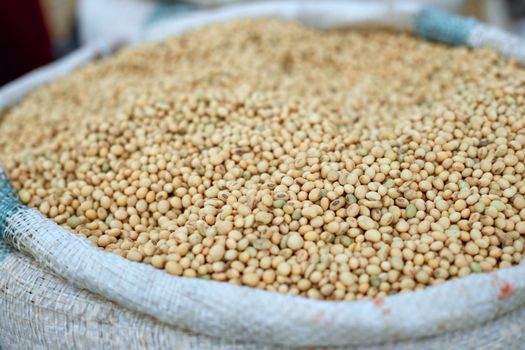 Photo: King Shooter / Pexels
 Photo: ready made / Pexels