What are the Benefits of Stretching Daily? Your Guide to Wellness
benefits of stretching daily

What are the Benefits of Stretching Daily? Your Guide to Wellness

Unlock a world of improved flexibility, reduced pain, and enhanced well-being by incorporating daily stretching into your routine.

Start Stretching Today!

Key Takeaways

  • ✓ Daily stretching significantly improves flexibility and range of motion.
  • ✓ Regular stretching can reduce muscle stiffness and chronic pain.
  • ✓ Stretching enhances blood circulation, aiding in muscle recovery.
  • ✓ It contributes to stress reduction and improved mental clarity.

How It Works

1
Understand the 'Why'

Before starting, comprehend the profound impact stretching has on your body and mind, motivating consistency. Recognize that stretching is not just for athletes but for everyone seeking better health.

2
Identify Your Needs

Determine which areas of your body feel tight or restricted. Tailor your stretching routine to address these specific needs for maximum effectiveness and comfort.

3
Implement a Routine

Allocate 10-15 minutes daily, preferably at the same time, to build a habit. Consistency is paramount for realizing the full spectrum of benefits stretching offers.

4
Listen to Your Body

Stretch gently, never pushing into pain, and hold stretches for 20-30 seconds. Over time, your flexibility will naturally improve without risking injury.

The Science Behind Improved Flexibility and Range of Motion
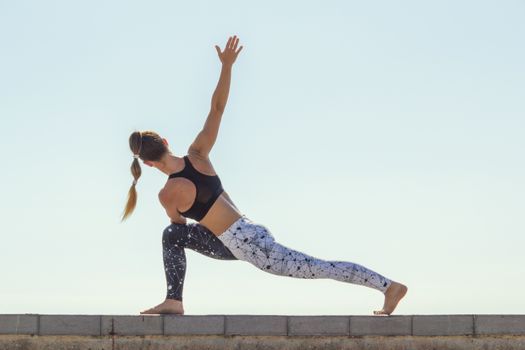
Woman in activewear performing a yoga pose outdoors, showcasing flexibility and a healthy lifestyle. Photo: Istvan Szabo / Pexels
One of the most immediate and widely recognized benefits of stretching daily is a significant improvement in flexibility and range of motion (ROM). Flexibility refers to the absolute range of movement in a joint or series of joints, while ROM describes the extent to which a joint can be moved in a particular direction. When you stretch, you are essentially lengthening your muscles and tendons, which are the connective tissues that attach muscles to bones. Over time, these tissues can shorten and become stiff due to inactivity, repetitive motions, or aging. Daily stretching systematically addresses this shortening. Consider the intricate network of muscle fibers that make up your body. Each muscle is composed of thousands of tiny fibers bundled together. When these fibers are not regularly extended, they can develop micro-adhesions or knots, leading to stiffness and reduced elasticity. Static stretching, where you hold a stretch for a sustained period, works by applying a gentle, prolonged force to these muscle fibers. This force signals the nervous system to relax the muscle, allowing it to lengthen. Dynamic stretching, which involves moving a body part through its full range of motion, prepares muscles for activity by increasing blood flow and reducing stiffness. Improved flexibility isn't just about being able to touch your toes; it has profound implications for everyday life. Simple tasks like bending down to tie your shoes, reaching for an item on a high shelf, or getting in and out of a car become easier and less taxing. For athletes, increased ROM translates directly to enhanced performance. A wider range of motion allows for more powerful and efficient movements, whether it's a deeper squat in weightlifting, a longer stride in running, or a more fluid swing in golf or tennis. Furthermore, better flexibility reduces the risk of injury. When muscles are pliable and joints can move through their full, intended range, they are less susceptible to strains, sprains, and tears during sudden movements or unexpected impacts. The elasticity gained through consistent stretching acts as a protective mechanism, absorbing shock and distributing forces more effectively across the joint and surrounding tissues. This fundamental benefit forms the cornerstone of a healthy, functional body, allowing you to move with greater ease and confidence throughout your life. It's a proactive step towards maintaining physical independence and preventing age-related stiffness. For more insights on maintaining a healthy body, explore our resources on overall fitness strategies.

Alleviating Muscle Pain and Enhancing Posture through Regular Stretching
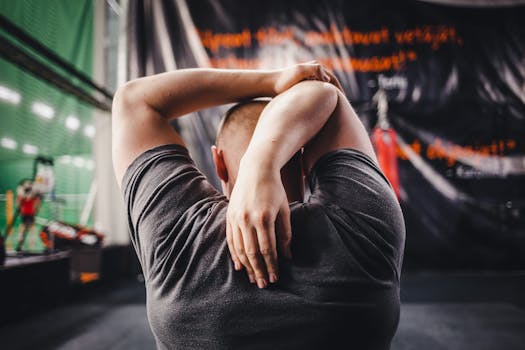
Man stretching arms in a gym, viewed from behind, focusing on fitness and flexibility. Photo: Joni Tuohimaa / Pexels
Chronic muscle pain and poor posture are pervasive issues in modern society, often exacerbated by sedentary lifestyles, prolonged sitting, and repetitive motions. Daily stretching offers a powerful, non-pharmacological approach to address these common ailments. Many types of muscle pain, particularly in the back, neck, and shoulders, stem from muscle imbalances, tightness, and trigger points. When muscles are tight, they pull on joints, leading to misalignment and increased stress on surrounding tissues. For instance, tight hamstrings can contribute to lower back pain by tilting the pelvis posteriorly, flattening the lumbar curve. Similarly, hunched shoulders and a forward head posture, often seen in individuals who spend hours at a desk, result from tight chest muscles and weak upper back muscles. Stretching works to release this tension. By gently lengthening constricted muscles, it helps to restore them to their optimal resting length. This process can alleviate pressure on nerves, reduce inflammation, and improve blood flow to the affected areas, which in turn helps to flush out metabolic waste products that contribute to pain. Regular stretching can break the cycle of muscle shortening and pain, promoting a more relaxed and comfortable state. Beyond pain relief, daily stretching plays a crucial role in improving and maintaining good posture. Good posture is not merely about standing up straight; it's about aligning your body in a way that minimizes stress on your spine and supporting structures. When muscles are balanced and flexible, they can effectively support your skeletal system in its natural alignment. Stretching targeted muscle groups, such as the pectorals (chest) and hip flexors, which tend to become tight, and simultaneously strengthening their opposing muscle groups, helps to correct postural deviations. For example, stretching tight chest muscles allows the shoulders to pull back, opening up the chest and promoting a more upright stance. Stretching tight hip flexors can help alleviate anterior pelvic tilt, a common postural issue that contributes to lower back pain. The cumulative effect of consistent stretching on posture is profound. Not only does it reduce physical discomfort, but it also projects an image of confidence and vitality. Improved posture can enhance breathing efficiency, as it allows the diaphragm and lungs to expand more fully. It can also reduce fatigue, as your muscles don't have to work as hard to hold your body in an awkward position. Integrating a daily stretching routine, focusing on areas prone to tightness, is an investment in long-term spinal health and overall physical well-being. It’s an active strategy to counteract the detrimental effects of modern living on our bodies, leading to a life with less pain and greater ease of movement.

Boosting Circulation and Accelerating Muscle Recovery for Peak Performance
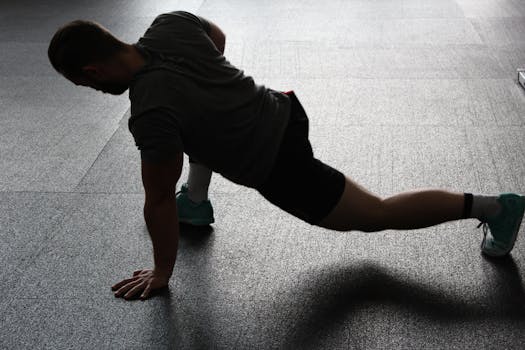
Silhouette of a man executing a stretching routine in a dim gym environment. Photo: Pixabay / Pexels
The benefits of stretching daily extend significantly into the realms of circulation and muscle recovery, crucial aspects for anyone engaging in physical activity, from casual walkers to elite athletes. When you stretch, you're not just lengthening muscle fibers; you're also stimulating blood flow to those tissues. Improved circulation means that more oxygen and vital nutrients are delivered to your muscles, which are essential for their health and function. Simultaneously, enhanced blood flow helps to efficiently remove metabolic waste products, such as lactic acid, that accumulate during exercise and contribute to muscle soreness and fatigue. Consider the process of muscle recovery after a strenuous workout. Tiny tears occur in muscle fibers, a natural part of the adaptation process that leads to muscle growth. For these tears to repair and rebuild effectively, a robust supply of oxygen and nutrients is required, along with the efficient removal of waste. Stretching, particularly after exercise, can act as a catalyst in this recovery process. By gently elongating muscles, it helps to relax them, which can reduce post-exercise stiffness and soreness, often referred to as Delayed Onset Muscle Soreness (DOMS). While the exact mechanisms are still being researched, it's believed that stretching helps to realign muscle fibers and reduce the likelihood of fascia (the connective tissue surrounding muscles) adhering to underlying structures, which can impede recovery. Beyond immediate post-exercise recovery, consistent daily stretching contributes to overall circulatory health. A more elastic and well-supplied muscle system is less prone to cramping and spasms. For individuals with conditions like peripheral artery disease, where blood flow to the limbs is restricted, stretching can be a valuable component of a broader management strategy, though always under medical guidance. For athletes, the implications of improved circulation and faster recovery are profound. It means they can train more frequently, with greater intensity, and experience less downtime due to soreness or minor injuries. This directly translates to improved performance and consistent progress. When muscles recover faster, they are primed and ready for the next challenge, allowing for a more effective training cycle. Moreover, the enhanced pliability of muscles through regular stretching can prevent injuries that often sideline athletes. A well-hydrated, well-nourished, and flexible muscle is a resilient muscle. Incorporating both static and dynamic stretches into pre- and post-workout routines, or even as a standalone daily practice, can significantly enhance the body's natural healing and regenerative capabilities. For a deeper dive into optimizing your workout, check out our guide on effective workout strategies.

Integrating Daily Stretching: Tips for a Sustainable Routine

Man in white tank top stretching and listening to music indoors. Photo: Thirdman / Pexels
Incorporating daily stretching into your life doesn't require hours of dedicated time or advanced yoga skills. The key lies in consistency, understanding your body, and making it a habit. Here are some actionable tips to help you build and maintain a sustainable daily stretching routine: * **Start Small and Be Realistic:** Don't aim for a full hour-long session if you're new to stretching. Begin with 5-10 minutes each day, focusing on major muscle groups like hamstrings, quads, chest, and shoulders. As your flexibility improves, you can gradually increase the duration and complexity of your stretches. The goal is to make it manageable enough to stick with it daily. * **Choose the Right Time:** Find a time that works best for you and your schedule. Many people prefer stretching in the morning to wake up their muscles and improve circulation, or in the evening to release tension accumulated throughout the day. It can also be beneficial as a warm-up before exercise or a cool-down afterward. The 'best' time is simply the time you will consistently commit to. * **Focus on Proper Form:** Incorrect stretching can be ineffective or even lead to injury. Always listen to your body and never stretch to the point of pain. You should feel a gentle pull, not a sharp, searing sensation. Hold static stretches for 20-30 seconds, breathing deeply and evenly throughout. For dynamic stretches, perform controlled, fluid movements. * **Use Tools and Resources:** There are numerous resources available to guide your stretching journey. Apps, online videos, and even physical therapy guides can provide structured routines and ensure you're performing stretches correctly. Consider using props like resistance bands or yoga blocks to deepen stretches safely. * **Incorporate Stretching into Daily Activities:** You don't always need a dedicated stretching session. Stretch while waiting for your coffee to brew, during commercial breaks, or even at your desk. Simple neck rolls, shoulder shrugs, and gentle leg swings can be done discreetly and effectively throughout the day. * **Stay Hydrated:** Water plays a crucial role in muscle elasticity. Dehydrated muscles are more prone to stiffness and injury. Ensure you're drinking enough water throughout the day to support your body's flexibility. * **Be Patient and Consistent:** Flexibility is built over time. You won't become a contortionist overnight. Celebrate small improvements and understand that consistency is far more important than intensity. Even on days when you feel rushed, a quick 5-minute stretch is better than nothing. By following these tips, you can transform daily stretching from a chore into an enjoyable and integral part of your wellness routine, unlocking its myriad of benefits for a healthier, more mobile you.

Comparison

FeatureDaily Static StretchingDaily Dynamic StretchingOccasional Stretching
Flexibility ImprovementExcellent (long-term)Good (immediate)Limited
Injury PreventionHigh (reduced stiffness)High (prepares muscles)Moderate
Muscle Soreness ReductionGood (post-workout)Minimal (pre-workout)Low
Circulation BoostModerateHighLow
Time Commitment10-15 mins/day5-10 mins/dayVariable
Stress Reduction
Postural Correction

What Readers Say

"Before I started stretching daily, my lower back pain was constant. Now, after just a few weeks, I feel so much more flexible and the pain has significantly decreased. It's amazing what are the benefits of stretching daily can do for your comfort."

Sarah J. · Austin, TX

"As a runner, I used to get so many tight hamstrings. Incorporating a daily stretching routine has been a game-changer for my recovery and performance. I rarely feel stiff anymore, and my runs are more enjoyable."

Michael R. · Denver, CO

"I used to think stretching was a waste of time, but after reading about what are the benefits of stretching daily, I gave it a try. My posture has improved dramatically, and I feel less stressed. It's a small change with huge results!"

Emily P. · Seattle, WA

"I've been trying to stick to a daily stretching routine for a month now. While I don't always hit every single day, the days I do stretch, I definitely notice a difference in my energy levels and overall ease of movement. It's a work in progress, but I'm seeing positive effects."

David L. · Miami, FL

"Working a desk job meant constant neck and shoulder tension. Since I started doing quick stretches throughout the day, the chronic knots have disappeared. The benefits of stretching daily are truly underestimated for office workers."

Jessica M. · Chicago, IL

Frequently Asked Questions

What is the single most important benefit of stretching daily?

While there are many benefits, the most important benefit of stretching daily is arguably the significant improvement in overall flexibility and range of motion. This enhanced mobility reduces the risk of injury, alleviates muscle stiffness, and makes everyday activities easier, contributing profoundly to long-term physical independence and quality of life.

Can daily stretching cause injury?

Daily stretching, when performed correctly and gently, is generally safe and beneficial. However, pushing too hard, bouncing into stretches, or stretching cold muscles can indeed lead to muscle strains or tears. Always listen to your body, stretch to a point of gentle tension, not pain, and avoid ballistic movements.

How long should I hold each stretch during a daily routine?

For static stretches, which are most common in daily routines, it's recommended to hold each stretch for 20 to 30 seconds. This duration allows the muscle to relax and lengthen effectively. For dynamic stretches, perform 10-12 repetitions of each movement in a controlled manner.

Is stretching daily really worth the time commitment?

Absolutely. Even a short 10-15 minute daily stretching routine can yield significant returns in terms of improved flexibility, reduced pain, better posture, enhanced circulation, and decreased stress. It's a small investment of time for substantial long-term health and wellness benefits.

How does daily stretching compare to yoga or Pilates for flexibility?

Daily stretching focuses specifically on lengthening muscles and improving joint range of motion. Yoga and Pilates incorporate stretching but also combine it with strength training, balance, and mindfulness elements, offering a more holistic approach. While all can improve flexibility, daily stretching is a more direct and often simpler way to target specific muscle groups for flexibility gains.

Who should prioritize daily stretching?

Everyone can benefit from daily stretching, but it's particularly crucial for individuals with sedentary lifestyles, athletes, older adults experiencing stiffness, anyone recovering from certain injuries (under professional guidance), and those experiencing chronic muscle pain or poor posture. It's a foundational practice for maintaining a healthy, functional body.

Are there any risks to stretching daily?

The primary risk is injury from improper technique, such as overstretching, bouncing, or stretching cold muscles vigorously. If you have any pre-existing medical conditions, acute injuries, or chronic pain, it's always best to consult with a healthcare professional or physical therapist before starting a new stretching routine to ensure it's safe and appropriate for you.

What are the long-term impacts of neglecting daily stretching?

Neglecting daily stretching can lead to decreased flexibility, increased muscle stiffness, reduced range of motion in joints, a higher risk of muscle strains and other injuries, chronic pain (especially in the back and neck), poor posture, and diminished athletic performance. Over time, this can significantly impact mobility and quality of life.

Embrace the profound advantages of a daily stretching routine. From enhanced physical mobility and pain relief to improved mental clarity, the benefits of stretching daily are a powerful investment in your overall health and well-being. Start today and unlock a more flexible, comfortable, and vibrant you.

Topics: benefits of stretching dailydaily stretching routineflexibility exercisesinjury prevention stretchingmuscle recovery stretching
Leo List
Brampton weed
Adultwork EstrelaBet Vai de Bet R7 Bet Betão Galera Bet Rainbet Bet9ja Shop SportyBet BetKing Sisal Loto Foot Hollywoodbets YesPlay Odibets RushBet Jugabet BetWarrior BetCity MSport betPawa Fortebet